A discreet guide for high-net-worth buyers weighing a Palm Beach move in the context of California tax migration, domicile planning, and luxury real estate selection.
For buyers moving between Brooklyn, California, and Palm Beach, the real estate conversation often begins with sunshine and architecture, then quickly becomes more technical. A change of address can be simple. A change of life is more complicated. For affluent households, tax migration is not defined by a single closing, a forwarding address, or a winter season in Florida. It is shaped by where a family actually lives, how it documents that life, and whether the home it buys supports a credible long-term pattern.
That is why the most sophisticated Palm Beach buyers treat the residence search as part of a broader planning exercise. They are not merely asking whether a home is beautiful. They are asking whether it can function as a principal base, whether it supports family routines, whether it can absorb guests and staff, and whether the location is compelling enough to become the center of gravity.
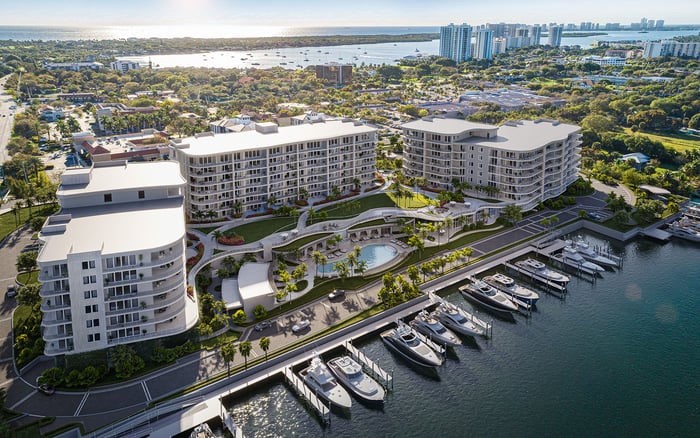
The South Florida market offers many versions of that answer. Some buyers want the traditional Palm Beach cadence: private, social, polished, and close to the ocean. Others prefer the newer residential energy across the bridge in West Palm Beach, where projects such as Forté on Flagler West Palm Beach speak to buyers who want waterfront presence with condominium convenience. The decision is rarely only about square footage. It is about whether the property makes the move believable.
The word buyers hear most often is domicile. In practice, domicile is a combination of intention and evidence. Intention alone is fragile if daily behavior points elsewhere. Evidence alone can feel mechanical if the buyer's life remains anchored in another state. The strongest position is created when the home, the calendar, family logistics, financial administration, and social life all begin to tell the same story.
Before selecting a property, buyers should speak with their tax, legal, and estate advisors about timing. The question is not simply when to close. It is when to establish a new pattern, how to document it, what records to retain, and which ties to modify in the former jurisdiction. A home purchase can be a powerful part of that pattern, but it should not be asked to do all the work.
This is especially relevant for buyers who split time among multiple homes. A Manhattan apartment, a California estate, a Hamptons house, a mountain retreat, and a Palm Beach residence can all coexist, but the hierarchy among them must be clear. Which home is used most consistently? Where are personal effects kept? Where do children, pets, cars, medical relationships, club memberships, and household staff fit into the picture? Luxury buyers often have complex lives. The goal is not to simplify the life artificially, but to make the facts coherent.
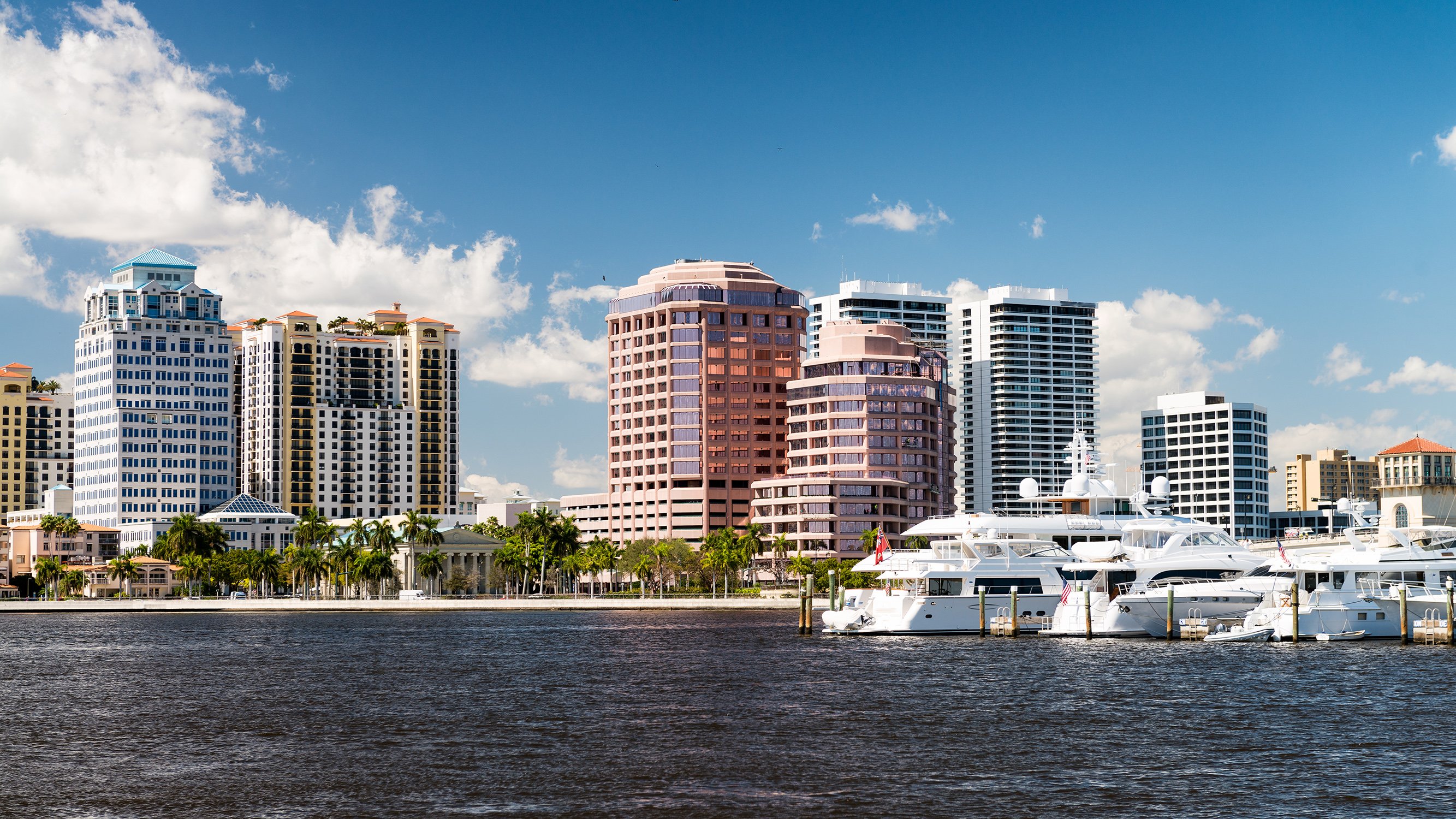
Palm Beach remains the emotional center of the conversation for many migrating buyers. It offers privacy, legacy architecture, beach proximity, and a social rhythm that feels established rather than experimental. For buyers who want a direct Palm Beach identity, Palm Beach Residences can be considered within the broader search for a home that supports both presence and continuity.
West Palm Beach attracts a different profile. It can appeal to buyers who want access to Palm Beach, but also value newer residential formats, services, dining, mobility, and a more urban daily routine. The distinction matters. A buyer who expects to travel frequently may prefer lock-and-leave convenience. A buyer relocating with family may prioritize schools, healthcare relationships, household staffing, and proximity to private aviation or business obligations.
Boca Raton introduces another layer. It can feel less formal than Palm Beach while still offering a polished South Florida lifestyle, strong residential infrastructure, and access to club, beach, and family-oriented routines. For some buyers, Alina Residences Boca Raton represents the kind of condominium environment that can make a Florida base practical, elegant, and easy to use throughout the year.
The central point is this: the best address is the one a buyer will actually inhabit. Tax planning can influence the move, but lifestyle is what sustains it.
A tax migration purchase should not feel like a token acquisition. It should look and live like a serious home. That does not always mean the largest house or the highest price. It means the right fit for the buyer's real pattern.
For a couple moving from a Brooklyn townhouse, the ideal Palm Beach residence may be a condominium with security, service, terraces, and close access to restaurants and the ocean. For a California family accustomed to scale, privacy, outdoor living, and wellness amenities, a larger residence or estate-style condominium may be more credible. For a principal who travels frequently, staff efficiency, storage, guest accommodation, and building management may matter as much as views.
Waterfront property adds another dimension. It can reinforce the sense of a committed Florida lifestyle, especially when boating, outdoor dining, and sunrise routines become part of daily life. Yet waterfront ownership also carries practical responsibilities, from maintenance expectations to insurance discussions and long-term capital planning. Buyers should evaluate beauty and burden together.
Investment considerations should be secondary but not ignored. Liquidity, building quality, location durability, and the depth of future demand all matter. A property bought for residency should first serve life, but a disciplined buyer will still ask how the asset may perform under changing personal or market circumstances.
Many affluent buyers begin as seasonal residents. They test a neighborhood, spend winters in Florida, and gradually increase time in the state. That path can be sensible, but it should be managed carefully if the objective is a more formal migration. A second home that remains lightly used may not support the same narrative as a principal residence with personal effects, regular occupancy, and family integration.
The practical test is simple: if someone reviewed the household's life, would Florida appear to be the base or merely one stop in a rotating portfolio? Buyers do not need to abandon every prior relationship, but they should be deliberate. Medical providers, clubs, philanthropy, voter registration, vehicles, mail, household records, and professional advisors can all become part of the picture.
South Florida's newest residential projects often help because they reduce friction. Full-service buildings, wellness programming, guest suites, valet, security, and owner services can make it easier for a relocating buyer to spend more consistent time in residence. In Palm Beach Gardens, The Ritz-Carlton Residences® Palm Beach Gardens may appeal to buyers who want a branded residential environment with a more expansive coastal lifestyle.
Before making an offer, align the real estate plan with the advisory plan. Confirm how the purchase will be titled, whether financing affects timing, how estate documents should be reviewed, and whether the closing schedule supports the intended residency transition. These conversations are not glamorous, but they protect the elegance of the move.
Buyers should also be honest about where they will be happiest. Palm Beach rewards those who want privacy and tradition. West Palm Beach offers immediacy and convenience. Boca Raton offers polish with a broader residential rhythm. None is universally superior. The right choice is the place that will become habitual.
Finally, avoid treating migration as a one-day event. It is better understood as a sequence: advisory review, property selection, closing, documentation, actual use, and ongoing consistency. The residence is the stage. The life lived there is the evidence.
Is buying in Palm Beach enough to establish residency? A purchase can support a residency plan, but it is only one element. Buyers should coordinate home use, records, and personal ties with qualified advisors.
Should I choose Palm Beach or West Palm Beach? Palm Beach may suit buyers seeking privacy and tradition. West Palm Beach may suit buyers who prefer newer buildings, services, and a more urban rhythm.
Can a condominium work for tax migration planning? Yes, if it functions as a genuine home. The key is whether the residence supports consistent use, personal belongings, guests, and daily life.
What should California buyers consider before moving? They should review timing, documentation, estate planning, and the practical steps needed to shift the center of their life. The property search should follow that strategy.
Does a second home create the same impression as a primary residence? Not always. A lightly used second home may require more careful planning if the buyer intends to present Florida as the main base.
Are waterfront homes better for relocating buyers? Waterfront homes can strongly support lifestyle commitment, but they also bring maintenance and planning considerations. The best choice depends on actual use.
Where does Boca Raton fit into the migration conversation? Boca Raton can appeal to buyers seeking a polished lifestyle with residential depth, club culture, and family-friendly infrastructure outside Palm Beach.
Should investment potential drive the purchase? Investment discipline matters, but lifestyle fit should come first when the home is part of a residency plan. A credible home is one the buyer will use.
When should advisors be involved? Advisors should be involved before a contract is signed. Titling, timing, documentation, and estate planning can all affect the broader move.
What is the biggest mistake migrating buyers make? The biggest mistake is treating the closing as the whole migration. Consistent behavior after the purchase is often just as important.
If you'd like a private walkthrough and a curated shortlist, connect with MILLION.
If branded residences are on your mind — as a home or as an allocation — we would be glad to share what we are seeing, privately.
Begin a quiet conversation