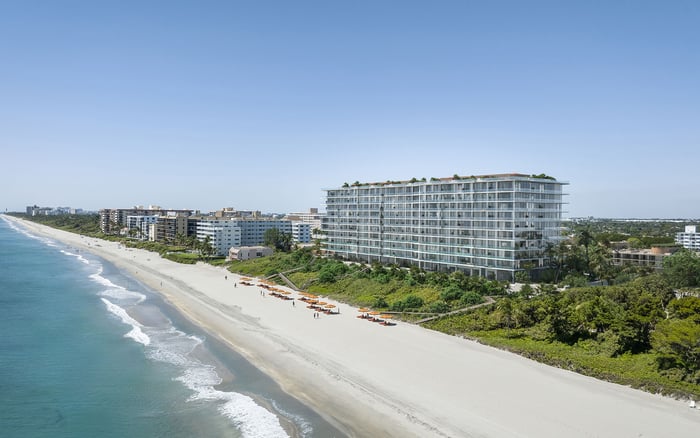
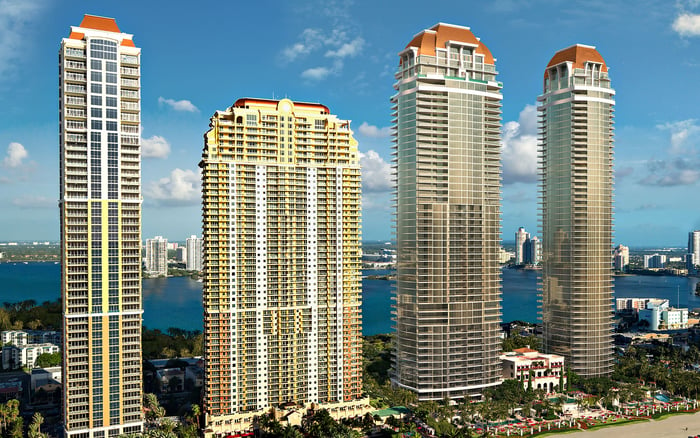
A buyer-focused guide to evaluating bayfront residences where beach service is central to daily ownership, with emphasis on access, staffing, privacy, and seasonality.
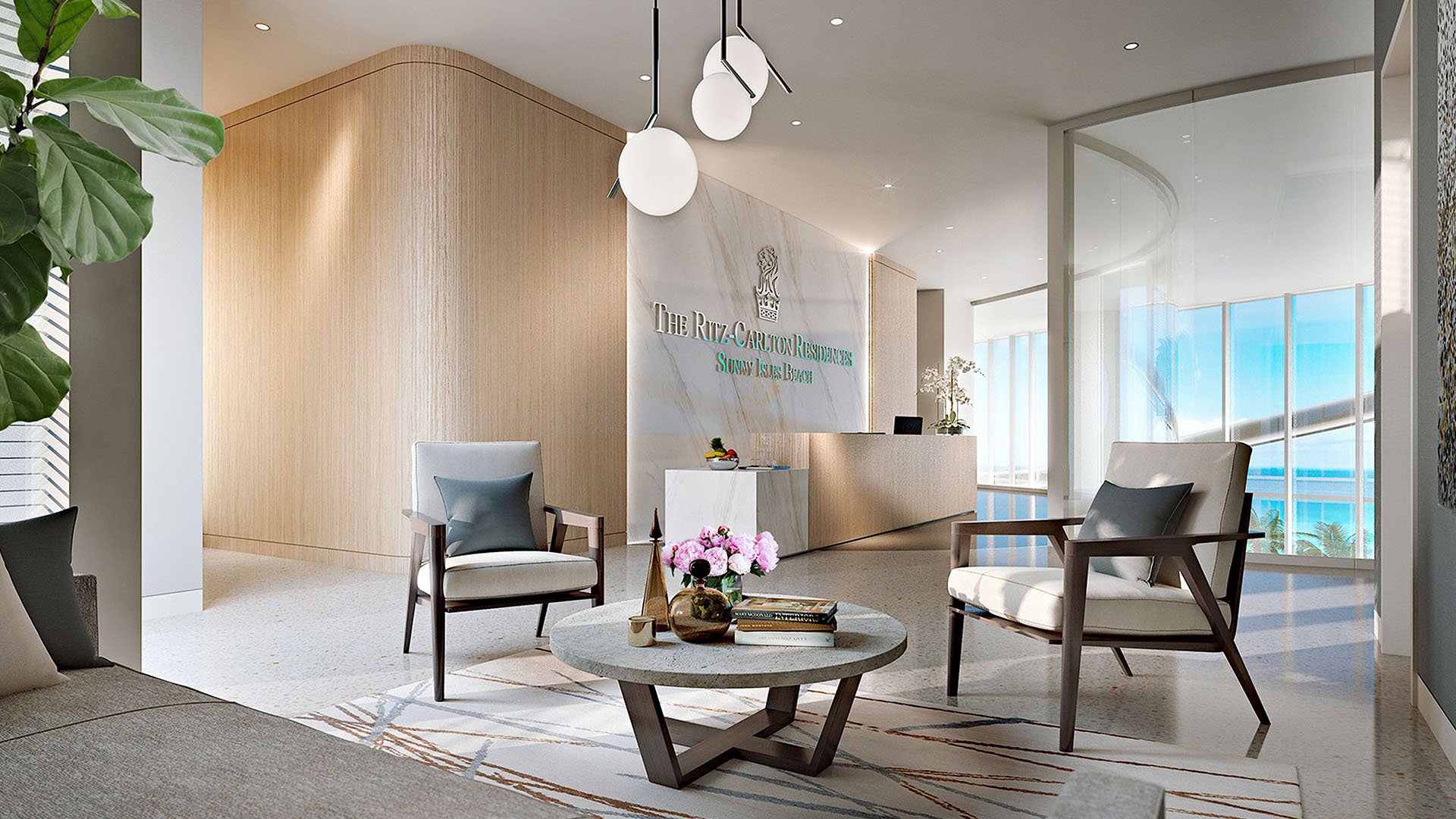
For the South Florida buyer, year-round beach service is not simply a chair placed on the sand. It is an operating promise: quiet, reliable, and nearly invisible. Towels are ready before arrival, shaded seating is handled without negotiation, staff understand owner preferences, and the path from residence to water never interrupts the day.
That distinction matters most for bayfront residences. A bayfront address can deliver calmer water views, marina adjacency, sunset orientation, and a more private residential rhythm, while beach service may depend on a private beach club, companion amenity program, resort relationship, or managed access arrangement. The finest ownership experience is the one where that relationship is clear, durable, and effortless in every season.
Discerning buyers in Miami Beach, Sunny Isles, Surfside, and Bal Harbour often compare more than architecture. They compare how a building lives at 10 a.m. on a January Saturday, how it functions after a summer storm, and whether staff can preserve privacy when guests arrive. Beach-access and oceanfront language can sound straightforward; the lived difference is in the logistics.
1. Resort-connected bayfront residence - private beach club access
This is the most compelling profile for buyers who want bayfront calm without giving up serviced sand. The ideal arrangement provides a clearly managed beach-club experience with defined access, towel and chair protocols, umbrella setup, guest rules, and predictable owner treatment beyond peak winter periods.
Buyers should focus on the operating framework, not the brochure phrase. The best experience feels prearranged: arrival is anticipated, seating is handled, and staff can support a family beach day without requiring the owner to manage details.
2. Bayfront residence with dedicated transport to the beach - seamless movement
A residence does not need to sit directly on the sand to be practical, provided movement to the beach is elegant and consistent. For some owners, a short chauffeured ride, house car arrangement, or private shuttle can be more comfortable than navigating a crowded oceanfront lobby.
The key is frequency and control. If the service operates only at limited times, or depends on seasonal staffing, the experience can feel less private. Buyers should ask how children, guests, beach equipment, and return trips are handled.
3. Waterfront condominium with concierge-managed beach setup - service continuity
This profile appeals to buyers who want the building team to coordinate the beach day from the residence outward. The concierge becomes the point of continuity, helping align timing, seating, towels, and special requests before the owner leaves the building.
It is especially useful for second-home owners who arrive with little notice. In a strong service culture, the residence is ready, the staff understands the household, and the beach plan requires minimal explanation.
4. Bayfront residence near a private club corridor - lifestyle adjacency
Some buyers prioritize proximity to the right private-club ecosystem. In these cases, the residence itself may provide bayfront privacy, while the beach experience is tied to membership, club access, or a nearby hospitality setting.
This profile rewards careful reading. The buyer should understand whether access is transferable, whether membership is separate, and whether the beach experience can be relied on during holidays, weekends, and high-occupancy periods.
5. Boutique bayfront building with low-density service - privacy first
For some buyers, the best beach service is not the largest amenity program. It is the quietest one. A boutique bayfront building can offer discretion, fewer elevator encounters, and a more residential sense of arrival, especially when staff-to-owner relationships are strong.
The tradeoff is scale. Smaller properties may feel more personal, but buyers should verify how service is maintained year-round, who manages beach-day coordination, and whether backup staffing exists when demand rises.
Seasonality is the point most buyers underestimate. In South Florida, beach service is not judged only during the most polished weeks of winter. It is judged in late summer, during shoulder-season weekends, after weather interruptions, and on ordinary weekdays when a resident spontaneously decides to spend an hour by the water.
Year-round service should have written standards. Owners should be able to understand hours, blackout dates, guest policies, included services, charges, gratuity norms, cancellation procedures, and what happens when conditions change. Luxury does not mean every request is possible. It means the answer is clear, courteous, and consistent.
Families should pay close attention to storage and movement. Chairs, umbrellas, paddleboards, coolers, children’s toys, and sun protection can turn a beautiful amenity into a logistical burden if the residence has not been designed for real use. Couples and seasonal owners may care more about privacy, reserved seating expectations, and how staff handle recurring preferences.
Bayfront living has a different emotional register from direct oceanfront ownership. It can feel quieter, more protected, and more connected to boating, dining, and sunset views. For many ultra-premium buyers, that balance is precisely the appeal: the residence is calm, while the beach remains available when desired.
The strongest residences make that duality effortless. Morning can begin on a bay-facing terrace, midday can move to serviced sand, and evening can return to a quieter waterfront setting. This is the lifestyle many buyers are really purchasing, not a single amenity line.
Still, the buyer should resist assuming equivalence. A building that says it offers access is not necessarily providing full-service beach support. Access can mean a route. Service means people, systems, accountability, and continuity.
Before committing, ask for the practical details in writing. Who controls the beach service? Is it managed by the residence, a club, a hotel operator, or a separate vendor? Are chairs and umbrellas included? Are reservations required? What happens during holidays? Can guests use the service without the owner present? Is there a limit on party size?
Also ask how the program has been designed for privacy. Ultra-premium buyers often value discretion as much as convenience. The best service models protect both, allowing owners to enjoy the beach without feeling exposed to unnecessary traffic, public confusion, or inconsistent staff interaction.
Finally, consider the resale audience. A well-understood beach-service program can broaden the appeal of a bayfront residence, particularly for buyers who want the serenity of the bay without sacrificing the rituals of the beach.
What does year-round beach service usually mean? It generally refers to organized support such as chair, towel, umbrella, and arrival coordination beyond peak season. Buyers should confirm exact inclusions in writing.
Can a bayfront residence offer a true beach lifestyle? Yes, if the access and service model is practical, reliable, and easy to use. The strongest programs make the trip from residence to sand feel seamless.
Is direct oceanfront ownership always better for beach service? Not always. Some buyers prefer bayfront privacy with a managed beach arrangement because it separates home life from the busier oceanfront setting.
Why is beach-access language not enough? Access may only describe proximity or entry. Service requires staffing, setup, rules, scheduling, and accountability.
What should families verify first? Families should ask about guest rules, storage, transport, shade, children’s equipment, and how quickly staff can handle changes during the day.
What should seasonal owners verify first? Seasonal owners should confirm operating hours, holiday policies, non-peak staffing, and whether preferences can be recorded for repeat visits.
Do boutique buildings provide better service? They can offer more privacy and personal recognition, but buyers should confirm staffing depth and coverage during busy periods.
Can private club access change over time? It can, depending on the structure of the arrangement. Buyers should review transferability, membership rules, and any separate costs.
How should buyers compare Miami Beach and Surfside options? Compare the full daily routine, not just the setting. Arrival, privacy, beach setup, and return logistics are central to the decision.
How should buyers compare Sunny Isles and Bal Harbour options? Focus on density, staff culture, beach rules, and how the residence handles guests during high-demand periods.
If you'd like a private walkthrough and a curated shortlist, connect with MILLION.
If branded residences are on your mind — as a home or as an allocation — we would be glad to share what we are seeing, privately.
Begin a quiet conversation