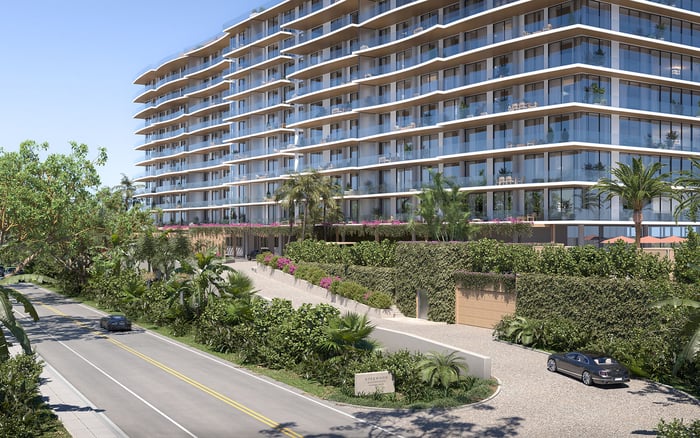
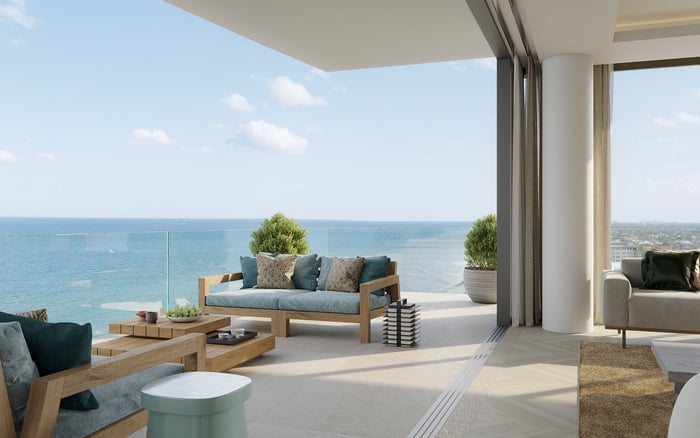
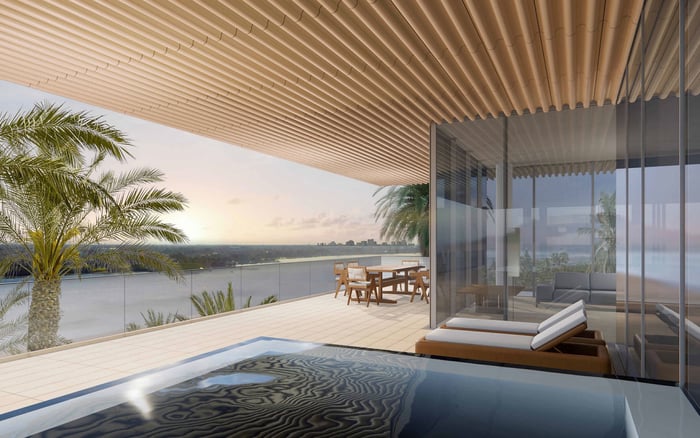
A discreet buyer’s guide to Hillsboro Beach, where waterfront scarcity, privacy, and long-horizon ownership define the quiet luxury conversation.
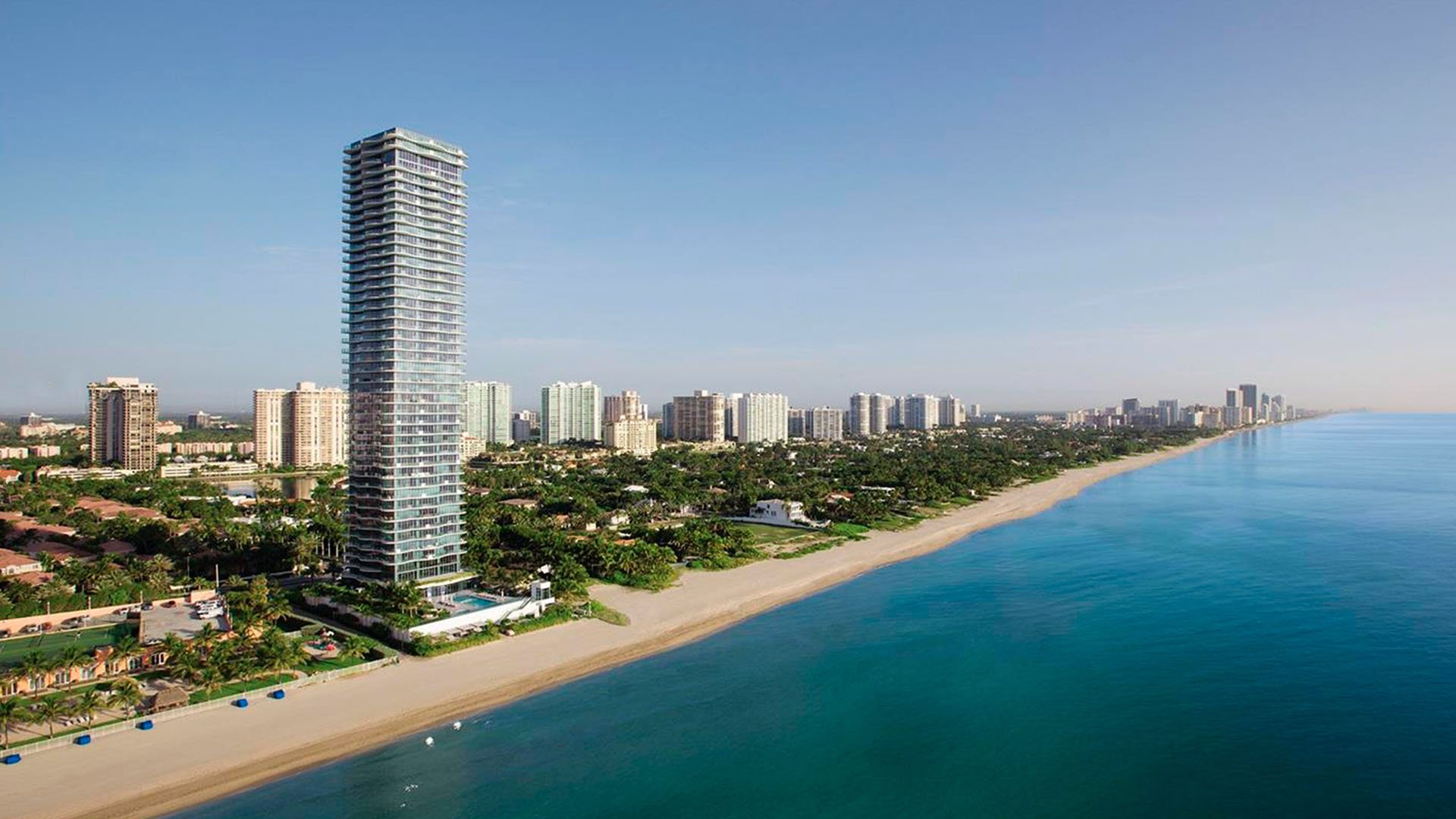
Hillsboro Beach occupies a distinct place in the South Florida luxury imagination. It is not trying to be the loudest address in the room. Its appeal is quieter, more residential, and more closely tied to the feeling of arrival that comes from living near the water without needing to announce it. For buyers who have already experienced Miami, Palm Beach, Fort Lauderdale, or Boca Raton, the question is less about recognition than fit.
That is where waterfront scarcity matters. In mature coastal markets, the best settings are not endlessly reproducible. A new tower can be designed, a lobby can be styled, and an amenity program can be expanded, but the relationship between a residence and the water is finite. Quiet luxury begins with that distinction. It favors what cannot be replicated over what can be marketed.
For the MILLION reader, Hillsboro Beach is best understood as a study in restraint. The value proposition is not only the home. It is the privacy around the home, the softness of the daily rhythm, and the ability to live with water as a constant rather than an occasional view.
Scarcity is often discussed as a pricing concept, but sophisticated buyers treat it first as a quality concept. A scarce waterfront setting can influence light, outlook, privacy, sound, approach, and long-term emotional value. These are not incidental details. They are the conditions that determine whether a property still feels calm after the first impression fades.
In a market where luxury is frequently equated with scale, Hillsboro Beach makes a different case. The buyer is not necessarily seeking the largest amenity deck or the most visible skyline. The buyer may be seeking fewer interruptions, cleaner sightlines, and a residence that serves as a retreat rather than a stage. When waterfront is limited, the best decisions become more deliberate. A buyer asks how the property lives in the morning, how it welcomes guests, how protected it feels, and whether its setting will still feel rare years from now.
This is the quiet luxury test. If a residence depends on novelty, it may age quickly. If it depends on land, water, privacy, and proportion, it has a different kind of endurance.
The first consideration is orientation. Water is not a single feature. It changes by exposure, angle, depth of view, and the way indoor rooms meet outdoor space. A beautiful view from one room is different from a home planned around water as a daily backdrop. Buyers should look beyond the opening photograph and study how often the water is present in ordinary life.
The second consideration is privacy. Quiet luxury is not isolation for its own sake. It is control. It is the ability to host when desired, withdraw when needed, and move through the property without feeling overexposed. In Hillsboro Beach, that may mean prioritizing a residence with a calm approach, thoughtful outdoor areas, and interiors that frame the setting rather than compete with it.
The third consideration is maintenance of mood. Some properties impress immediately but feel visually busy. Others reveal themselves slowly. For the second-home buyer, the latter can be especially powerful. A residence that feels composed on arrival can become a true counterweight to city schedules, travel demands, and social intensity.
Hillsboro Beach should not be evaluated as a substitute for every other luxury enclave. It plays a different role. Miami Beach delivers cultural velocity. Brickell offers vertical energy. Palm Beach carries legacy and formality. Boca Raton provides established residential convenience. Fort Lauderdale blends boating culture with a more urban coastal fabric. Hillsboro Beach is quieter than those narratives, and that is precisely why it belongs in the conversation.
For buyers who already know South Florida, the appeal is often complementary. A primary residence may sit in a business-oriented city. A family base may be near schools, clubs, or aviation access. Hillsboro Beach can answer a different need: a waterfront residence where the day is organized less by appointments and more by horizon, weather, and guests.
The most relevant vocabulary is therefore selective. Hillsboro Beach describes the setting. Oceanfront captures the most direct relationship with the coast. Waterview signals the emotional premium of outlook. Beach access matters when the shoreline is part of the daily routine. Boutique reflects the preference for intimacy over spectacle. Second-home ownership speaks to the buyer who wants a private South Florida base without unnecessary noise.
Quiet luxury is sometimes misunderstood as austerity. In real estate, it is better defined as disciplined abundance. The materials may be exceptional, but they do not need to perform. The plan may be generous, but not wasteful. The setting may be rare, but not theatrical. This kind of home feels expensive because it is resolved, not because every surface insists on attention.
In Hillsboro Beach, that sensibility has particular force. Waterfront already provides drama. The strongest interiors tend to respect that fact. They edit rather than compete. They allow terraces, glass, light, and thresholds to do part of the work. They create rooms where conversation, rest, and view can coexist without strain.
For high-net-worth buyers, this restraint is not merely aesthetic. It is practical. A quieter residence can be easier to own, easier to enjoy, and easier to return to after long absences. The fewer distractions a property imposes, the more clearly its true strengths can be felt.
The word investment can distort a lifestyle purchase when used too aggressively. In waterfront markets, the more useful question is durability. Does the setting possess qualities that remain desirable across cycles? Does the residence offer a relationship to water that cannot be easily duplicated nearby? Does the property feel appropriate for how luxury buyers actually want to live, not just how marketing says they should live?
These questions matter because scarcity is only valuable when paired with livability. A rare parcel with awkward flow can disappoint. A beautiful interior without privacy can feel compromised. A home that photographs well but does not support daily rituals may not hold emotional value. The most compelling Hillsboro Beach purchase aligns all three: scarce setting, calm design, and a life that feels better because of both.
This is why the right buyer often moves slowly but decisively. The goal is not to chase inventory. It is to recognize a property whose quiet strengths are difficult to replace.
Why does Hillsboro Beach appeal to quiet luxury buyers? It offers a more restrained coastal experience, where privacy, water, and daily calm can matter more than public visibility.
Is waterfront scarcity the main reason to consider Hillsboro Beach? It is a central reason, but the strongest case also includes livability, privacy, and long-term emotional fit.
How should buyers compare Hillsboro Beach with Miami Beach? Miami Beach is typically more energetic and culturally visible, while Hillsboro Beach is better suited to buyers seeking discretion and retreat.
What should a buyer study first in a waterfront residence? Orientation, privacy, and the way principal rooms connect to outdoor space are often more important than a single dramatic view.
Is Hillsboro Beach better for primary homes or second homes? It can suit either, but its quiet rhythm is especially compelling for buyers seeking a composed second-home base.
Does quiet luxury mean a smaller or simpler property? No. It means the property feels refined, edited, and intentional rather than overtly performative.
Why does privacy carry such a premium in coastal real estate? Privacy determines how comfortably a home can be used day to day, especially when outdoor living and entertaining are priorities.
Should buyers prioritize oceanfront over other water views? Not automatically. The best choice depends on exposure, lifestyle, privacy, and how the view supports daily living.
What makes a Hillsboro Beach purchase feel durable? A durable purchase combines scarce setting, practical livability, and design that does not depend on short-lived trends.
How should a buyer begin the search? Begin with lifestyle priorities, then evaluate each property by setting, privacy, orientation, and long-term usability.
When you're ready to tour or underwrite the options, connect with MILLION.
If branded residences are on your mind — as a home or as an allocation — we would be glad to share what we are seeing, privately.
Begin a quiet conversation