A buyer-focused guide to evaluating primary-bath privacy at Residences by Armani/Casa in Sunny Isles Beach before committing to contract obligations.
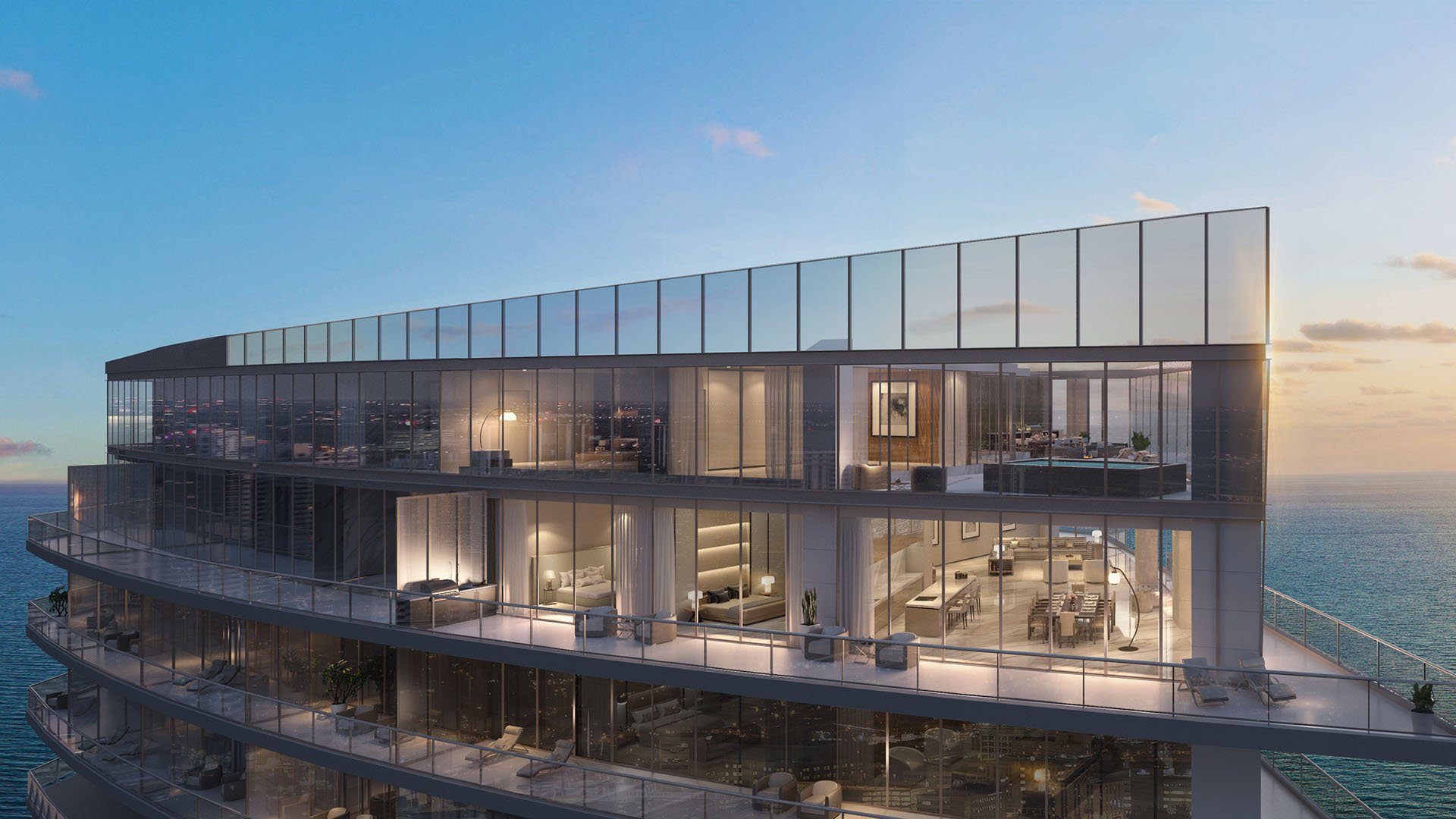
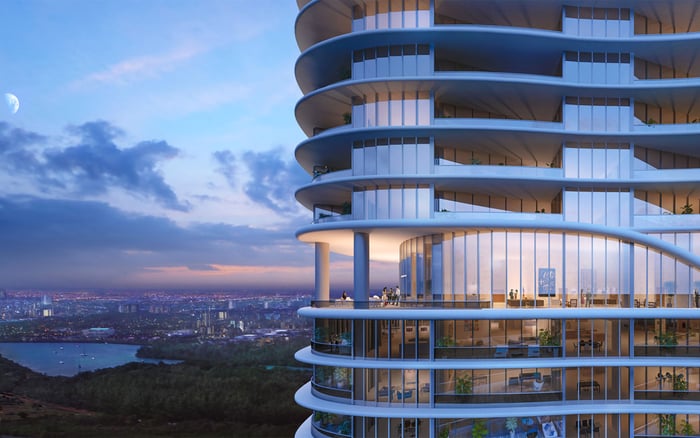
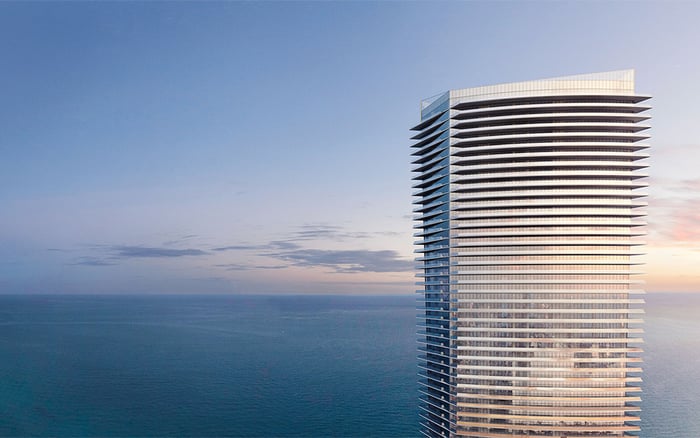
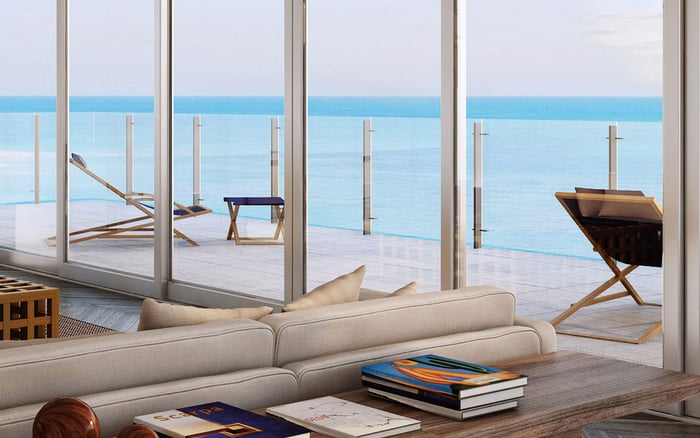
At the top of the South Florida condominium market, the primary bath is no longer treated as a purely functional room. It is often conceived as a private wellness suite, with glass, light, water views, dressing areas, and a clear sense of retreat. At Residences by Armani/Casa in Sunny Isles Beach, that design language belongs to the broader luxury-tower experience: refined interiors, coastal exposure, and an emphasis on lifestyle as much as shelter.
That same ambition is why privacy deserves deliberate review before a buyer enters a non-refundable or hard-money contract phase. A quick walk-through can confirm finishes and general ambiance, but it rarely answers the more important question: who can see what, from where, and at what time of day?
For buyers focused on Armani Casa Sunny Isles Beach, the issue is not whether glass and views are desirable. They are often central to the appeal. The real question is whether the exact residence, stack, line, and elevation deliver the level of privacy a buyer expects from a primary suite at this tier.
Privacy diligence should begin with the specific unit under consideration. General impressions of a tower can be misleading because sightlines change across lines, corners, exposures, and floor heights. A bath-facing glass condition that feels open and serene in one residence may feel noticeably more exposed in another.
The first review should compare the floor plan, window locations, primary bedroom relationship, dressing area, and bathroom orientation. Buyers should ask how the bathroom sits within the residence, and whether it faces the ocean, the beach, a neighboring tower, an amenity area, or some combination of those conditions. This is a residence-level question, not simply a building-level question.
Within a buyer’s due diligence vocabulary, this is an Armani Casa Sunny Isles Beach issue, but it also intersects with Sunny Isles, oceanfront exposure, high-floor positioning, balcony relationships, and resale considerations. Those labels matter because they reflect how future buyers may evaluate the same privacy conditions when the asset returns to market.
Orientation is the foundation of the review. Bath-facing glass may open toward open water, which can feel highly private at first glance. It may also angle toward nearby towers, common spaces, beachfront activity, or another residential stack. The difference is not cosmetic. It changes how the primary suite feels in daily use.
Ocean-facing exposure is often prized, but buyers should not assume that water views automatically equal privacy. Beachfront settings can include public or semi-public vantage points, especially from sand, pathways, neighboring balconies, and shared outdoor areas. A buyer should stand in the bath zone and look outward, then reverse the exercise by considering where observers could be positioned outside the residence.
Angled views deserve particular care. Direct line of sight is easy to notice. Oblique visibility from another tower, balcony, or amenity deck can be subtler, yet more relevant in daily life because occupants may move through the bath, dressing, and bedroom areas without expecting to be seen.
Floor height materially changes privacy. Lower levels may interact more with beach, pool, amenity, and podium sightlines. Mid-level residences may align with neighboring towers in ways that create direct or angled views. Higher floors may enjoy broader separation, but they still require review because nearby towers, upper amenity spaces, and adjacent high-rise elevations can create unexpected visibility.
This is why buyers should avoid relying on a model residence, a rendering, or a general tour. The only useful answer is tied to the specific floor and line. If possible, the review should occur in the actual residence. If that is not available, buyers should study plans, stack diagrams, elevation relationships, and any allowed visual materials with attention on the primary bath, not only the living room view.
High floors can be compelling in Sunny Isles Beach, but height alone is not a guarantee of privacy. The correct question is not simply how high the residence sits. It is what the bath glass faces at that height.
Exterior sightlines are only half the analysis. Interior privacy also matters, especially in larger residences where staff circulation, guest movement, dressing areas, service paths, and bedroom transitions may influence how the primary bath functions.
A primary bath that feels spectacular in photographs can still be awkward if it is too visible from the bedroom entry, a dressing corridor, or a path used by household staff. Buyers should walk the residence as they would actually live in it: entering from the bedroom, moving from bath to closet, using the dressing area, and considering doors, mirrors, glass, and reflected views.
This is not about diminishing openness. It is about ensuring that openness is controlled. In the ultra-premium market, the best layouts make privacy feel effortless. The buyer should not have to choreograph daily routines around avoidable exposure.
Many buyers assume that any privacy concern can be solved after closing with window treatments, film, glass modification, or millwork. That assumption can be risky. In a luxury condominium, the exterior expression of the building, glazing systems, shade types, and visible window treatments may be governed by building rules.
Before contract obligations become firm, buyers should confirm what privacy modifications are allowed. Can shades be installed in the relevant bath windows? Are there restrictions on opacity, color, mounting, or exterior visibility? Are films permitted? Are there limits on changes to glass, partitions, or interior treatments that may be visible from outside?
This step is especially important because a privacy concern discovered after closing may be expensive, aesthetically compromising, or restricted by the building. The stronger approach is to understand the available remedies before relying on them.
A strong process combines three layers. First, review the plan and identify all bath-facing glass, internal sightlines, and adjacent circulation. Second, perform an in-person sightline check from inside the residence, looking outward from the bath, bedroom, dressing area, and any nearby thresholds. Third, confirm the rules for shades, glazing, and permitted privacy modifications.
During the walk-through, buyers should slow down. Stand where a person would stand at the vanity, tub, shower entry, and dressing area. Look out at eye level, then scan diagonally toward neighboring structures, balconies, amenity decks, and beach-facing exposures. Repeat the exercise at different times if access permits, because daylight, reflections, and interior lighting can alter perceived visibility.
The review should be documented in plain language. Which vantage points matter? Which are acceptable? Which require a permitted solution? Which would affect willingness to proceed? These questions are best answered before the contract becomes difficult or costly to unwind.
Primary-bath privacy is not merely a comfort issue. In the resale market, sophisticated buyers often revisit the same questions. They will evaluate the residence, the line, the exposure, and the everyday usability of the primary suite. If privacy feels intuitive, the residence may be easier to understand. If it requires explanation, the buyer pool may narrow.
For oceanfront luxury towers, design drama and discretion must coexist. A residence can be visually open and still feel deeply private, but only when orientation, elevation, neighboring conditions, interior planning, and allowed treatments work together.
The best pre-contract diligence does not seek problems. It seeks clarity. For a buyer considering Residences by Armani/Casa in Sunny Isles Beach, that clarity can preserve confidence before hard money is at risk and help ensure that the most personal room in the residence feels as private as the brand experience suggests.
Should primary-bath privacy be reviewed before contract? Yes. Buyers should evaluate privacy before entering a non-refundable or hard-money phase, when leverage may be reduced.
Is a quick walk-through enough for this issue? No. A brief tour may miss angled views, amenity-deck sightlines, and interior circulation issues.
Why does the exact residence matter so much? Privacy can change by stack, line, orientation, and floor height, so general building impressions are not enough.
Does an ocean view automatically mean strong privacy? Not always. Beach-facing exposure can include public or semi-public vantage points that affect perceived privacy.
Are high floors always more private? They may offer more separation, but neighboring towers and upper-level sightlines still need review.
What exterior sightlines should buyers check? Buyers should review neighboring towers, balconies, amenity decks, common areas, and beach-facing vantage points.
Does interior layout affect bath privacy? Yes. Visibility from the bedroom, dressing areas, service paths, or staff circulation can affect daily comfort.
Can privacy usually be fixed after closing? Not always. Glazing, shades, films, and visible treatments may be limited by building rules.
What is the best diligence sequence? Combine plan review, in-person sightline checks, and confirmation of permitted privacy modifications.
What is the best way to shortlist comparable options for touring? Start with location fit, delivery status, and daily lifestyle priorities, then compare stacks and elevations to validate views and privacy.
For a tailored shortlist and next-step guidance, connect with MILLION.
If branded residences are on your mind — as a home or as an allocation — we would be glad to share what we are seeing, privately.
Begin a quiet conversation