A discreet, design-led guide to placing red-light therapy equipment inside Jade Ocean residences, with emphasis on glass, glare, privacy, reversibility, and daily use.
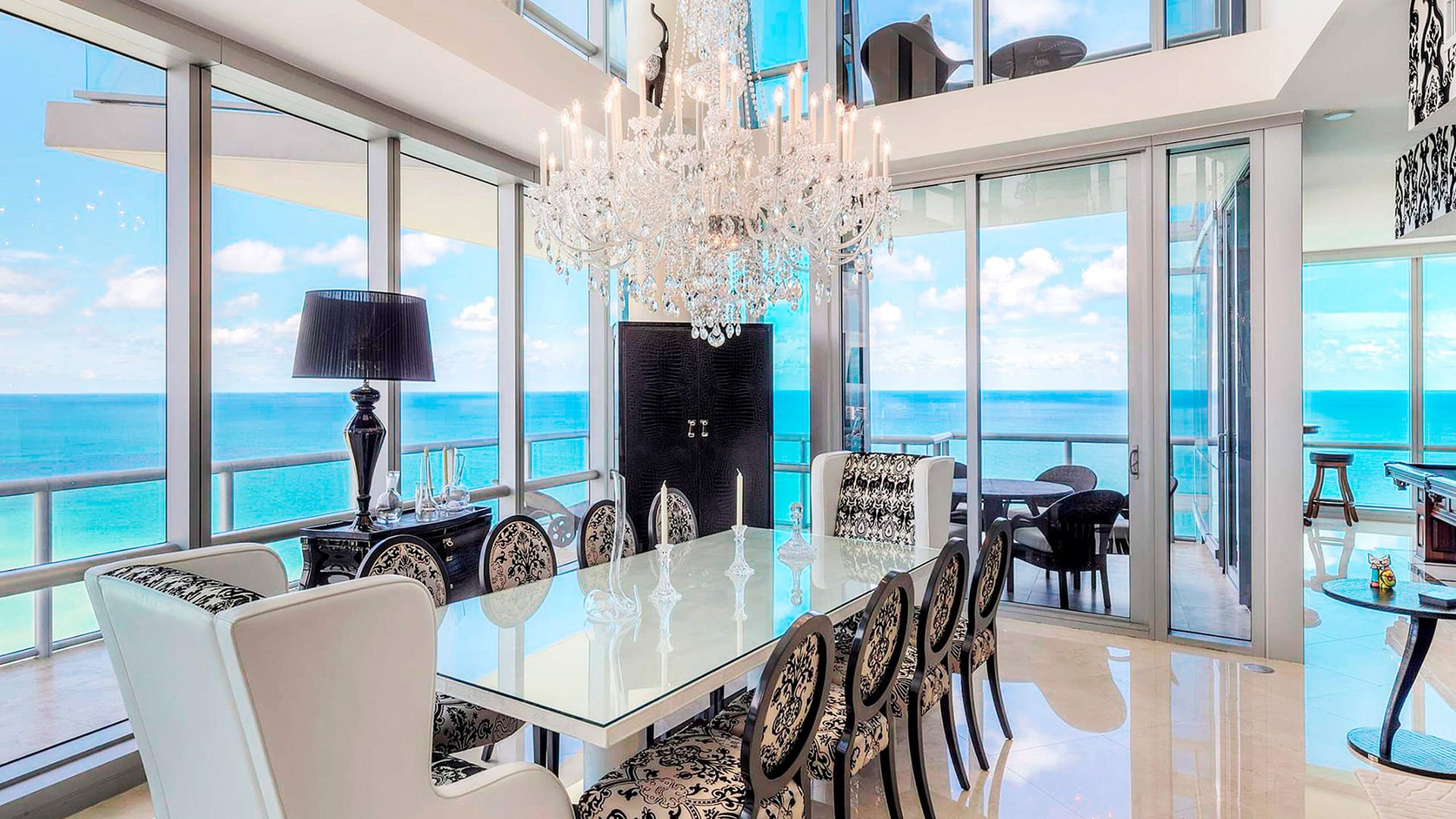
Jade Ocean Sunny Isles Beach calls for a specific kind of wellness planning because the residence itself is part of the daily ritual. This is not a generic condominium setting where equipment can be placed wherever an outlet happens to be available. It is an oceanfront, glass-forward environment where light, reflection, privacy, and view corridors shape nearly every interior decision.
For full-time owners, red-light therapy placement should be treated as a daily-use design decision. If the device is used often, it cannot live like luggage, folded into a closet and dragged out when convenient. It needs a position that feels calm, visually resolved, and easy to access without interrupting the elegance of the home. That is especially important in an ultra-modern tower where glazing, balcony exposure, and ocean orientation are central to the residential experience.
The right location is rarely the most dramatic one. A red-light panel placed directly in front of floor-to-ceiling glass may look cinematic for a moment, but it can introduce glare, reflected color, and unwanted visibility from neighboring towers, balconies, or beach sightlines. At Jade Ocean, the better answer is typically quieter: a shielded suite zone, an enclosed den, a darker interior passage, or a compact room that can support a private wellness routine without competing with the living area.
The defining interior challenge is the relationship between the device and the glass line. Red-light systems create a visible glow. In a residence with expansive glazing, that glow can reflect back into the room, wash across polished surfaces, and become more pronounced after sunset. What feels discreet during daylight can feel theatrical at night.
A practical plan begins by standing in the proposed location at the time of day the routine is most likely to happen. Evening use is especially revealing. Look toward the windows, then back toward mirrors, high-gloss cabinetry, art glass, and television screens. The question is not only whether the panel fits. The question is whether the glow becomes part of the main visual field.
This is why the ocean-facing living room is often less practical than it first appears. It has volume, view, and convenience, but it also has the most exposure. If the system can be seen from the main seating area, reflected in the glass, or projected toward the terrace, it may undermine the room’s intended serenity. In a glass-heavy residence, restraint is often the highest form of luxury.
The primary suite can be a strong location because it aligns with personal routine. Owners may prefer to schedule wellness before sleep, after a shower, or as part of a quiet morning sequence. The suite is private by nature, and it can allow the equipment to remain accessible without moving through the entertainment spaces.
The caveat is placement. A red-light setup should not sit directly on the glass line or dominate the bedroom’s sightline from the entry. It works better in a shielded section of the suite, perhaps near a dressing area, a vestibule, or a wall that is visually protected from the ocean-facing windows. The goal is to preserve the bedroom’s primary purpose: rest.
Full-time owners should be especially careful about nighttime spill. If the therapy area changes the mood of the bedroom, disrupts the sleep environment, or leaves equipment visually present from the bed, the location may be too prominent. A reversible screen, low-profile cabinet, or concealed mount can make the setup feel intentional rather than improvised.
An enclosed den or office is often the most balanced choice. It can support a remote-work lifestyle by day and a scheduled wellness ritual at another time, without taking over the social rooms. It also offers more control over doors, shades, acoustic separation, and visual privacy.
The den’s advantage is behavioral as much as spatial. A full-time owner benefits from repeatability. If the equipment is always in the same calm room, with the same chair, mat, or standing position, the routine is easier to maintain. The device becomes integrated into the home’s cadence rather than treated as an accessory.
This is particularly relevant in the Sunny Isles context, where the brightest and most desirable rooms are often the rooms least suited to red glow. A den allows the owner to enjoy the water-facing living spaces as intended while moving the wellness function into a more controlled interior setting.
Interior corridors can be overlooked, but they have real practical value. A darker passage with limited daylight may provide better control over light exposure than an ocean-facing room. It can also reduce reflections because it is farther from the major glass surfaces.
The corridor solution works best when it does not feel like an afterthought. A narrow panel, a clean wall-mounted system, and concealed cord management can help the area read as architectural. The installation should remain reversible, especially in a condominium environment where alteration rules, resale planning, or future personal preferences may change.
Larger residences may support a compact wellness room. This can be the most elegant solution if the room is placed away from the main entertainment axis and outside the high-visibility glass zone. It does not need to be large. Smaller rooms can be better for privacy and light control, provided there is enough clearance, ventilation, and comfortable access.
Balcony conditions are part of the appeal of Jade Ocean, but they also heighten exposure. A room that opens toward a deep terrace may feel sheltered during the day, then become more visible at night when interior light contrasts with the dark exterior. Red glow near balcony doors can be especially noticeable.
On high floors, owners may assume privacy is automatic. It is not. Adjacent towers, angled sightlines, and reflective glass can change how visible an interior routine becomes. The best placement strategy is to keep the red-light system perpendicular to major windows when possible, visually screened from terrace doors, and separated from the home’s principal entertaining axis.
A simple test is to evaluate the setup from multiple viewpoints within the residence. If the device is visible from the living room, the dining area, or the terrace entry, it may be too exposed. If it disappears into a secondary zone, the placement is likely closer to the standard expected in a refined full-time residence.
Electrical planning should be handled with caution. Owners should confirm practical capacity, cord management, and any applicable condominium requirements before committing to a location. The cleanest setup is not always the most complex one. In many cases, a reversible installation is preferable because it preserves flexibility if routines change or the home is later prepared for resale.
Noise also matters. Some systems may introduce fan sound, transformer hum, or subtle operational noise. That may be acceptable in a den, less acceptable in a bedroom, and undesirable near the main living area. A luxury residence should not feel as though it has been retrofitted around a device.
Aesthetic discipline is the final filter. Select a location where equipment can be concealed, aligned, or composed with the architecture. The most successful placements look quiet when the system is off and controlled when it is in use. At Jade Ocean, the device should defer to the views, not compete with them.
Where is the best place for red-light therapy at Jade Ocean? The strongest locations are usually shielded areas of the primary suite, enclosed dens, darker interior corridors, or compact wellness rooms.
Should a red-light panel face the windows? Usually no. Facing the glass can increase glare, reflection, and visibility from exterior or neighboring sightlines.
Is the ocean-facing living room a good location? It may be convenient, but it is often too exposed for a visible red glow, especially during evening use.
Can the primary suite work well? Yes, if the therapy area is visually screened from the glass line and does not interfere with sleep routines.
Why is a den or office practical? It can serve both remote-work and wellness functions while keeping equipment out of the main entertaining areas.
Are interior corridors worth considering? Yes. Limited daylight and distance from the major glass areas can make corridors surprisingly effective for light control.
Should owners choose permanent installation? Reversible installation is often more flexible for condominium living, future resale plans, and changing wellness routines.
What about balcony exposure? Balcony-adjacent rooms can make the red glow more visible, particularly after dark when interior light becomes more pronounced.
Does oceanfront living change placement strategy? Yes. The combination of views, glass, and privacy considerations makes placement more important than in less exposed residences.
What is the best way to shortlist comparable options for touring? Start with location fit, delivery status, and daily lifestyle priorities, then compare stacks and elevations to validate views and privacy.
For a discreet conversation and a curated building-by-building shortlist, connect with MILLION.
If branded residences are on your mind — as a home or as an allocation — we would be glad to share what we are seeing, privately.
Begin a quiet conversation