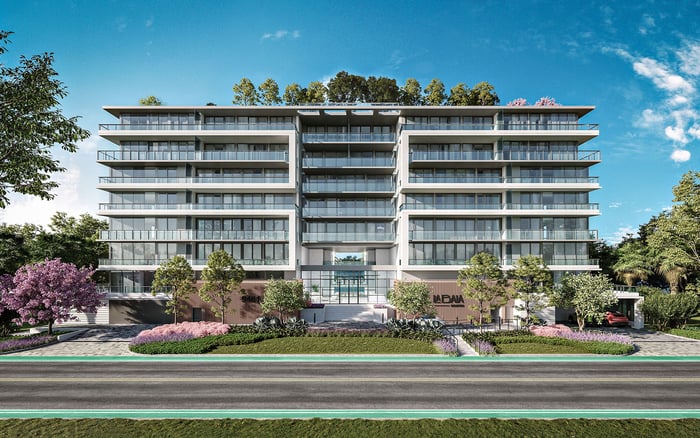
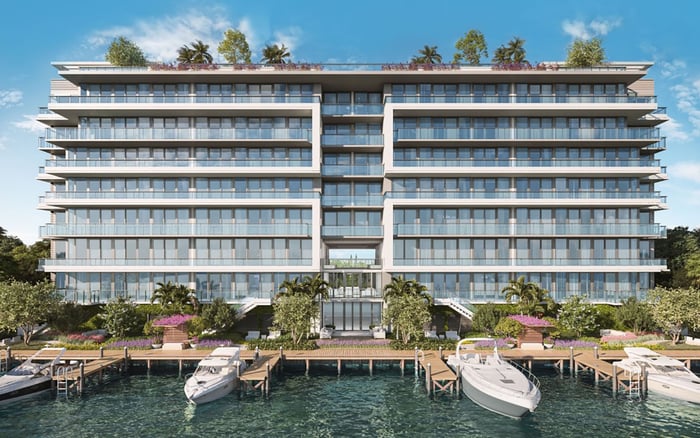
End-unit residences are the quiet connoisseur’s play for brightness, privacy, and a more expansive sense of space. In Bay Harbor Islands, where water views and neighborhood scale matter as much as square footage, corner and end-line layouts can materially change how a home lives from morning to evening. This editorial outlines a buyer-oriented strategy for identifying, evaluating, and negotiating end-units with exceptional natural light, with a focus on La Baia North Bay Harbor Islands.
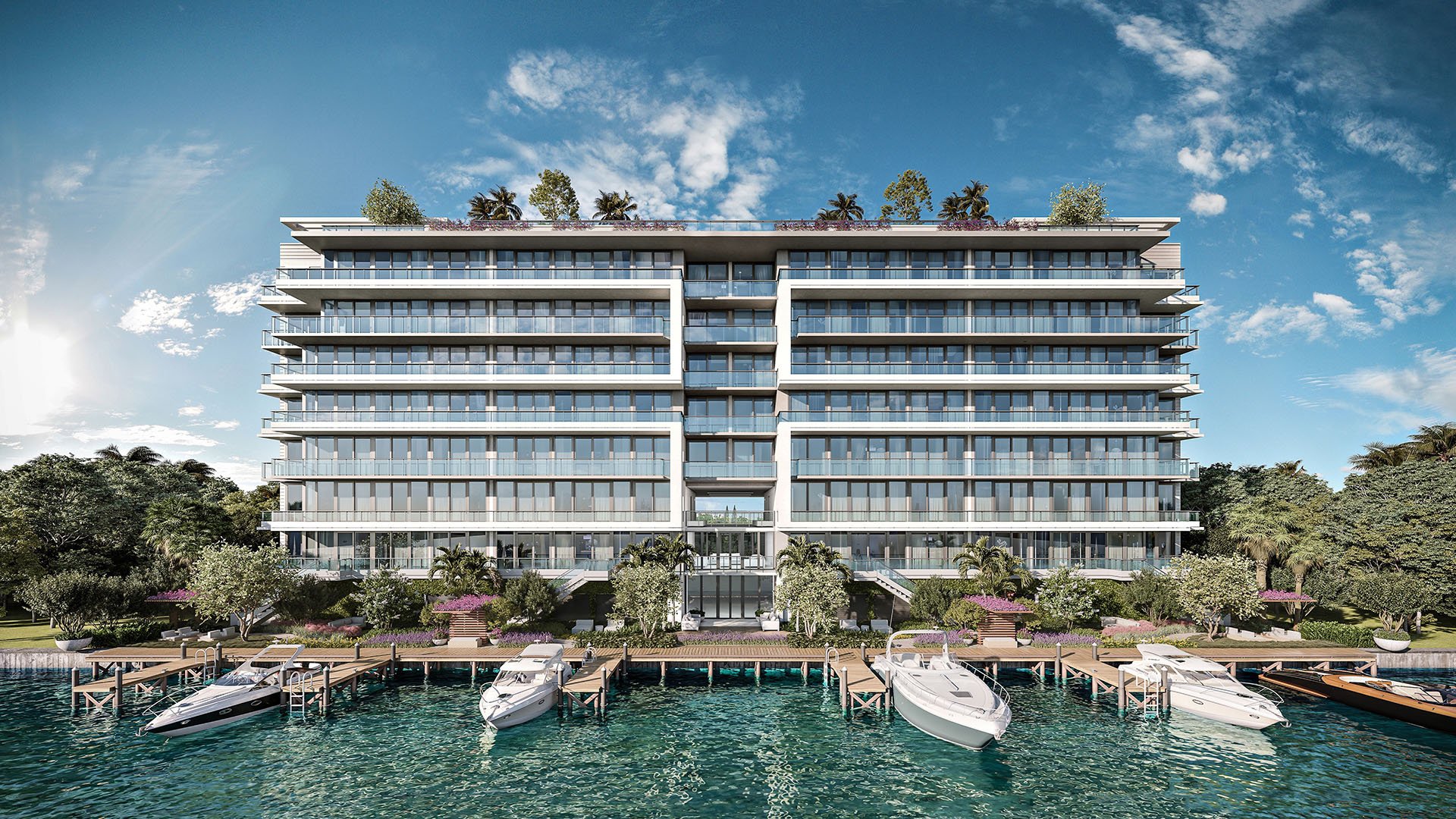
Natural light isn’t a superficial preference in luxury residential buying-it’s a lifestyle amplifier. In a waterfront, low-density enclave like Bay Harbor Islands, the difference between an interior line and an end-line tends to register immediately: longer daylight hours across primary living spaces, a more dimensional interior, and a calmer relationship with neighboring buildings.
End-units typically benefit from two fundamentals. First, they offer more perimeter wall, which usually translates to more window area and more angles for daylight to enter. Second, their position at the edge of a floor plate often reduces eye-level overlap with adjacent residences, making it easier to keep shades open without feeling on display. For buyers drawn to La Baia North Bay Harbor Islands for its intimate scale and bayfront orientation, an end-unit strategy is a way to secure that “always-on vacation light” without depending on a single view corridor.
This is also why end-units often deliver the most memorable tours: light reads as volume, and volume reads as value.
In luxury condominiums, “end-unit” is often used loosely. Before you commit to a line, define what you mean by end-unit so the search stays surgical.
Key end-unit profiles buyers typically target:
True corner: glazing on two sides that meaningfully lights both living and bedroom wings.
Wing-end: a residence at the end of a corridor or building wing, often with fewer shared walls.
Terminal stack: the outside stack on the building’s broad face, where the plan may widen and window spans can be longer.
The goal isn’t simply “more windows.” The goal is daylight that lands where you actually live: the living room seating zone, the kitchen prep line, the primary suite wake-up wall, and the circulation spaces that otherwise read dim. If your day starts early and you work from home, the ideal end-unit is the one that gives you usable morning light and stable, non-glare light later in the day.
End-units are coveted because they can deliver a better light mix. Evaluate them with a three-light test.
Two exposures are only valuable if they’re different enough to extend the day. A residence that takes strong light on one side and softer ambient light on the other often feels more consistently bright than a unit that pulls all of its light from one direction.
Even with ample glass, a deep living space can swallow daylight. End-units can help because the second side of glazing often pushes light deeper into the plan, reducing the need for artificial light in corridors and kitchens.
Luxury interiors can unintentionally mute daylight. Dark, matte finishes and heavy window treatments can reduce brightness even in a prime corner. As you compare end-units, pressure-test your finish palette: pale stone, warmer woods, and higher-reflectance wall finishes can make an already-bright home feel effortless.
In Bay Harbor Islands, where the ambiance is defined by water, sky, and a relaxed pace, the best end-unit is the one that keeps the interior luminous without feeling exposed.
Sophisticated buyers don’t chase light blindly. They chase controlled light.
When you tour or review an end-unit, look for signals that the home can hold its brightness while staying comfortable:
Glare management: spaces that are too bright for one hour and dim the rest of the day aren’t truly light-rich. Consider how you’d place seating and screens.
Thermal comfort: broad glazing is a luxury feature only when the envelope performs. End-units can carry more glass area, which increases the importance of climate control and shading strategies.
Acoustic calm: end-units can be quieter due to fewer shared walls, but they can also be more exposed to wind and exterior sound depending on orientation.
A useful mindset is to treat daylight as a building system, not just a mood. The right end-unit makes daylight easy to live with: bright, flattering, and stable.
At La Baia North Bay Harbor Islands, your best leverage comes from clarity. Know your non-negotiables before you request availability: whether you want sunrise energy, sunset warmth, or balanced all-day light; whether you prioritize living-room drama or bedroom serenity; and whether outdoor space is primarily for dining, lounging, or a green buffer.
A practical approach is to rank your priorities in this order:
Daylight quality in the living core (where you spend the most hours).
Primary suite light and privacy (how it feels at the start and end of the day).
Outdoor usability (wind exposure and how often you will actually sit outside).
View resilience (how sensitive your light and view are to neighboring structures).
Because end-units can present different window-to-wall ratios and balcony positions, two “corner” residences may live dramatically differently. The more precise your brief, the easier it is to identify the end-unit that reads as irreplaceable.
Buyers who are disciplined about daylight often cross-shop end-units across multiple buildings-not to dilute focus, but to calibrate value.
For example, La Maré Bay Harbor Islands follows a different architectural and floor-plate logic than La Baia North, which can change how corner glazing is proportioned and how light moves through the plan.
Similarly, Onda Bay Harbor can be a useful reference point for buyers studying end-unit desirability in the Bay Harbor market-especially if you’re comparing the feel of a boutique building where circulation and neighbor proximity can be as important as the view itself.
And if wellness-forward design is part of your brief, it can be instructive to look at how daylight is framed and integrated at The Well Bay Harbor Islands, even if your final purchase remains at La Baia North. The exercise helps you define what “good light” means for you: energizing brightness, softer ambient calm, or a strong indoor-outdoor rhythm.
The point of these comparisons isn’t to chase novelty. It’s to build conviction around the exact end-unit characteristics you would regret losing.
End-units tend to become decision points in a building’s narrative-the homes people remember from the marketing, the tours, and the resale history. That means your strategy should prioritize timing and clarity over incremental bargaining.
Buyer tactics that align with end-unit reality:
Move early with a defined brief: end-units are often selected quickly because they’re easy to understand and hard to replicate.
Negotiate on terms that matter: if pricing is firm, value can still be created through timing, deposit structure, closing flexibility, or finish-level decisions where permitted.
Treat upgrades as performance tools: window treatments, lighting plans, and smart shading aren’t decorative afterthoughts in a light-driven home. They’re the difference between “bright” and “perfect.”
A discreet truth in ultra-premium buying is that the strongest end-units don’t always trade on price. They trade on certainty. If you want maximum natural light, you’re rarely shopping for the cheapest square foot-you’re shopping for the best daily experience.
Even buyers who plan to hold for years should consider end-unit liquidity. Homes with abundant natural light photograph better, show better, and are easier for a future buyer to feel in a short tour. In markets shaped by second homes and relocation, that emotional clarity matters.
End-units also tend to retain optionality. A brighter living room adapts to different furniture plans. A second exposure can support a dedicated office or guest suite without sacrificing the main entertaining space. In Bay Harbor Islands, where the appeal blends calm residential character with proximity to broader Miami, that adaptability supports long-term desirability.
If your goal is to secure an end-unit at La Baia North that will still feel current a decade from now, prioritize timeless light: expansive, controllable, and flattering across seasons.
Use this quick, repeatable walkthrough when comparing end-units:
Stand at the living room’s most likely seating position and look toward the glazing. Ask: will I leave shades open?
Walk the perimeter and note where light actually lands-not just where windows exist.
Check the kitchen work zone. If it relies on artificial light during the day, the plan may be deeper than you expect.
Step into the primary bedroom and assess privacy. End-units can invite openness, but only if privacy holds.
Visit the balcony and look back into the living area. The best end-units feel bright even when you’re outside looking in.
This keeps the evaluation grounded in livability rather than headlines.
Are end-units always brighter than interior units? Often, but only when the plan, exposures, and glazing placement deliver light into key living zones.
Does a corner unit automatically mean better views? Not necessarily; views depend on orientation and surroundings, while light depends on exposure and depth.
What should I prioritize first: light or privacy? For most luxury buyers, the right end-unit delivers both by reducing neighboring sightlines.
Will an end-unit feel hotter because of more glass? It can, which is why controllable shading and a strong building envelope matter.
Is balcony size as important as window area for natural light? Window area drives interior daylight more directly, but outdoor space can reflect light and extend livability.
Do higher floors always provide better natural light? Higher floors can open the sky view and reduce obstructions, but exposure and plan still matter most.
How can I tell if light will be comfortable for working from home? Look for balanced ambient light and a desk position that avoids direct glare at peak daylight hours.
Are end-units typically quieter? Often, due to fewer shared walls, though exterior exposure can affect wind and ambient sound.
What is the biggest mistake buyers make when choosing an end-unit? Falling for a bright moment in one room without verifying how light performs across the whole plan.
How do I secure the best end-unit when inventory is tight? Decide your non-negotiables early and be ready to act quickly when the right line appears.
For a confidential assessment and a building-by-building shortlist, connect with MILLION Luxury.
If branded residences are on your mind — as a home or as an allocation — we would be glad to share what we are seeing, privately.
Begin a quiet conversation