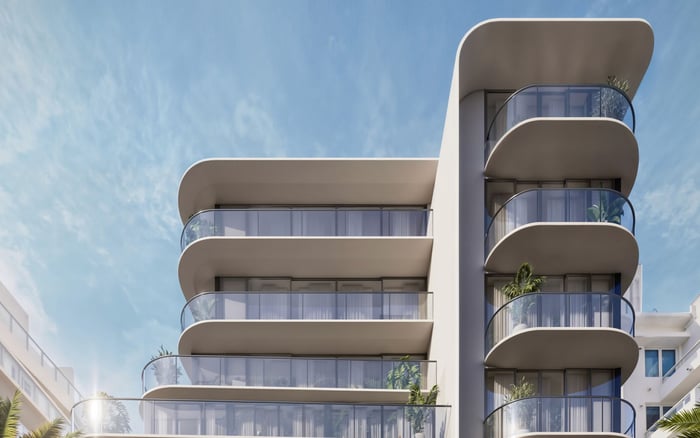
A discreet buyer’s guide to evaluating sports-gear storage at La Baia North Bay Harbor Islands, with attention to plans, rules, access paths, wet gear, privacy, and resale logic.

At La Baia North Bay Harbor Islands, the conversation around sports-gear storage should begin with a simple premise: beautiful renderings are built to convey lifestyle, not operational friction. They can suggest calm, polish, and ease, but they rarely reveal where paddleboards dry, how golf clubs move from vehicle to residence, or whether a family’s tennis bags, fishing equipment, helmets, inflatables, and wet shoes can disappear without compromising the elegance of daily life.
For a South Florida buyer, this is not a minor housekeeping detail. A luxury owner who uses the water, courts, clubs, gyms, beaches, and boats is often managing equipment that is bulky, damp, sandy, salty, or seasonally rotated. If storage is under-planned, the residence absorbs the burden. Terraces become staging zones. Laundry rooms become equipment closets. Elevators become awkward. A lobby that feels serene in a presentation can feel less composed when several owners return from active weekend routines at once.
The stronger question is not whether a residence has storage in the abstract. It is whether the storage system reflects how the buyer actually lives.
A rendering can show a clean foyer, an edited closet, or a serene arrival. It cannot confirm dimensions, clearances, turning radii, humidity control, shelving depth, or the path between parking and private space. For buyers studying La Baia North Bay Harbor Islands, the first request should be practical: review the floor plan, storage allocation, parking relationship, elevator access, and any disclosed owner storage areas together as one daily-use system.
Sports gear behaves differently from luggage or holiday décor. Golf clubs need height and convenient vehicle access. Bicycles need protected movement and may require wall systems or racks. Paddleboards, rods, fins, and beach equipment need length, rinse logic, and ventilation. Children’s gear multiplies quickly, especially when one household cycles through school sports, weekend boating, racquets, and fitness equipment.
A boutique building can feel more private and residential, but that does not automatically mean every operational need has been overbuilt. Boutique scale should prompt more precise questions, not fewer. If there are fewer residences, shared storage may feel more orderly. If storage is tightly planned, however, every owner’s habits matter more.
Luxury storage is not only about the size of a compartment. It is about the route. A buyer should mentally walk every piece of equipment from the moment it leaves the car to the moment it is stored. Is the path discreet? Does it require crossing polished common areas with wet or sandy items? Is there an elevator route that feels appropriate for gear, or will owners move equipment through the same arrival sequence used for guests?
The same exercise applies in reverse. If an owner is leaving early for a tee time, a fishing trip, a school tournament, or a beach morning, can the equipment be accessed without disturbing the residence? Can frequently used items remain near the point of departure? Is the storage area secure enough that expensive gear does not need to be brought upstairs after every use?
For Bay Harbor buyers comparing options, this daily choreography can distinguish a beautiful purchase from a truly livable one. The building that makes active routines quiet and invisible will feel more luxurious over time than the one that merely photographs well.
South Florida sports storage is often wet storage. That changes the diligence. Buyers should ask how the building and residence accommodate items exposed to salt, sand, sunscreen, rain, pool water, and humidity. The answer may involve private interior planning, owner storage design, laundry room upgrades, terrace protocols, or common-area rules, but it should be resolved before closing rather than improvised afterward.
Ventilation matters. So do drainage, material durability, and the ability to keep wet items away from millwork, stone, rugs, and elevator interiors. A waterfront or water-adjacent lifestyle may involve more frequent use of paddleboards, kayaks, fishing equipment, beach chairs, and boating accessories, but the romance of that lifestyle depends on the less glamorous question of where everything goes when the day is over.
This is also where household staff, property managers, and family routines belong in the conversation. If gear is cleaned by staff, where does that happen? If children return with wet equipment, what is the expected route? If owners entertain after a day outdoors, can the residence reset quickly?
The most expensive storage mistake is assuming that a building will permit whatever seems reasonable. In a new-construction purchase, buyers should review rules and proposed protocols for bicycles, boards, sports bags, beach equipment, fishing gear, and any oversized items. The question is not only whether something fits. It is whether it is allowed in the intended location.
Some active owners prefer private in-residence storage because it offers control. Others prefer assigned storage outside the residence because it keeps interiors pristine. Many need both. What matters is understanding whether the rules support the owner’s preferred pattern.
A boating-adjacent household should be especially attentive. Even when a building is not being evaluated as a boating purchase, active South Florida lives often generate equipment beyond the obvious: coolers, lines, life jackets, dry bags, tackle, snorkeling gear, tools, and cleaning supplies. These items do not belong casually in a designer foyer. They need a plan.
Sports-gear storage is also a resale issue. The next buyer may not have the same hobbies, but high-functioning storage is broadly valuable. It signals that the residence can support an active life without sacrificing order. That is particularly important in South Florida, where luxury living is often defined by movement between water, wellness, schools, clubs, restaurants, and travel.
The most compelling residences make this movement feel effortless. The least successful ones require compromises that only become visible after ownership. A buyer who verifies storage early is not being overly technical. They are protecting the quiet luxury of the home.
For La Baia North Bay Harbor Islands, the rendering may introduce the dream. The diligence should confirm the discipline behind it: where items live, how they move, who controls access, how wet gear is handled, and whether the answers still feel refined after a full season of real use.
Before contract deadlines, ask for the practical details that determine whether the home will function elegantly. Confirm assigned storage, if any, and understand whether it is private, shared, climate-conscious, ventilated, or subject to association rules. Review ceiling heights and door widths for long or awkward items. Study the distance between parking, elevators, storage, and the residence.
Then test the building against your real life. A household with two golfers, a cyclist, and children in school sports needs a different solution than a couple with beach gear and compact fitness equipment. A seasonal owner may prioritize locked storage between visits. A full-time resident may care more about fast access and daily convenience.
The goal is not to overcomplicate the purchase. It is to make sure the property’s elegance survives contact with real routines.
Why is sports-gear storage important in a luxury condo purchase? It protects the residence from clutter, moisture, and daily friction while supporting an active South Florida lifestyle.
Should buyers rely on renderings to understand storage? No. Renderings communicate atmosphere, while plans, rules, and dimensions reveal how storage actually works.
What should be checked first at La Baia North Bay Harbor Islands? Start with the residence plan, assigned storage details, parking relationship, elevator route, and building rules.
Is in-residence storage always better? Not always. It offers control, but separate assigned storage may better protect interiors from bulky or wet gear.
What types of gear need special consideration? Golf clubs, bicycles, paddleboards, beach equipment, fishing gear, tennis bags, and children’s sports equipment all need planning.
Why does wet gear require extra diligence? Salt, sand, moisture, and humidity can affect finishes, odors, and daily maintenance if storage is not properly considered.
Do building rules matter for sports equipment? Yes. Rules may affect where bicycles, boards, bags, and oversized items can be kept or moved.
Can storage influence resale appeal? Yes. Well-planned storage makes a residence feel easier to own, especially for active buyers and families.
What should seasonal owners prioritize? Secure, organized storage that allows equipment to remain protected between visits without crowding the residence.
How should buyers compare boutique buildings for storage? Focus on actual access, allocation, ventilation, and rules rather than assuming smaller scale automatically means more convenience.
For a confidential assessment and a building-by-building shortlist, connect with MILLION.
If branded residences are on your mind — as a home or as an allocation — we would be glad to share what we are seeing, privately.
Begin a quiet conversation