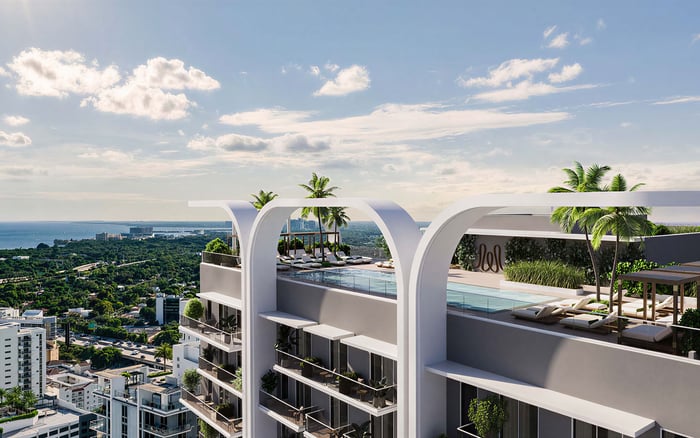
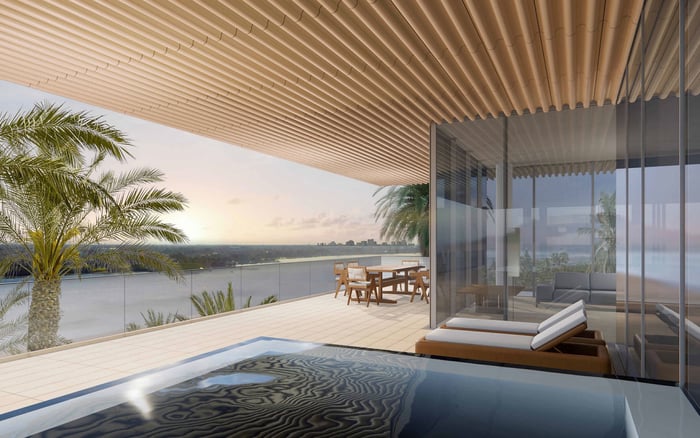
For luxury condo buyers in South Florida, grill approvals are not a minor lifestyle detail. They can reshape the shortlist before touring by clarifying outdoor living rights, building culture, design limits, and resale fit.
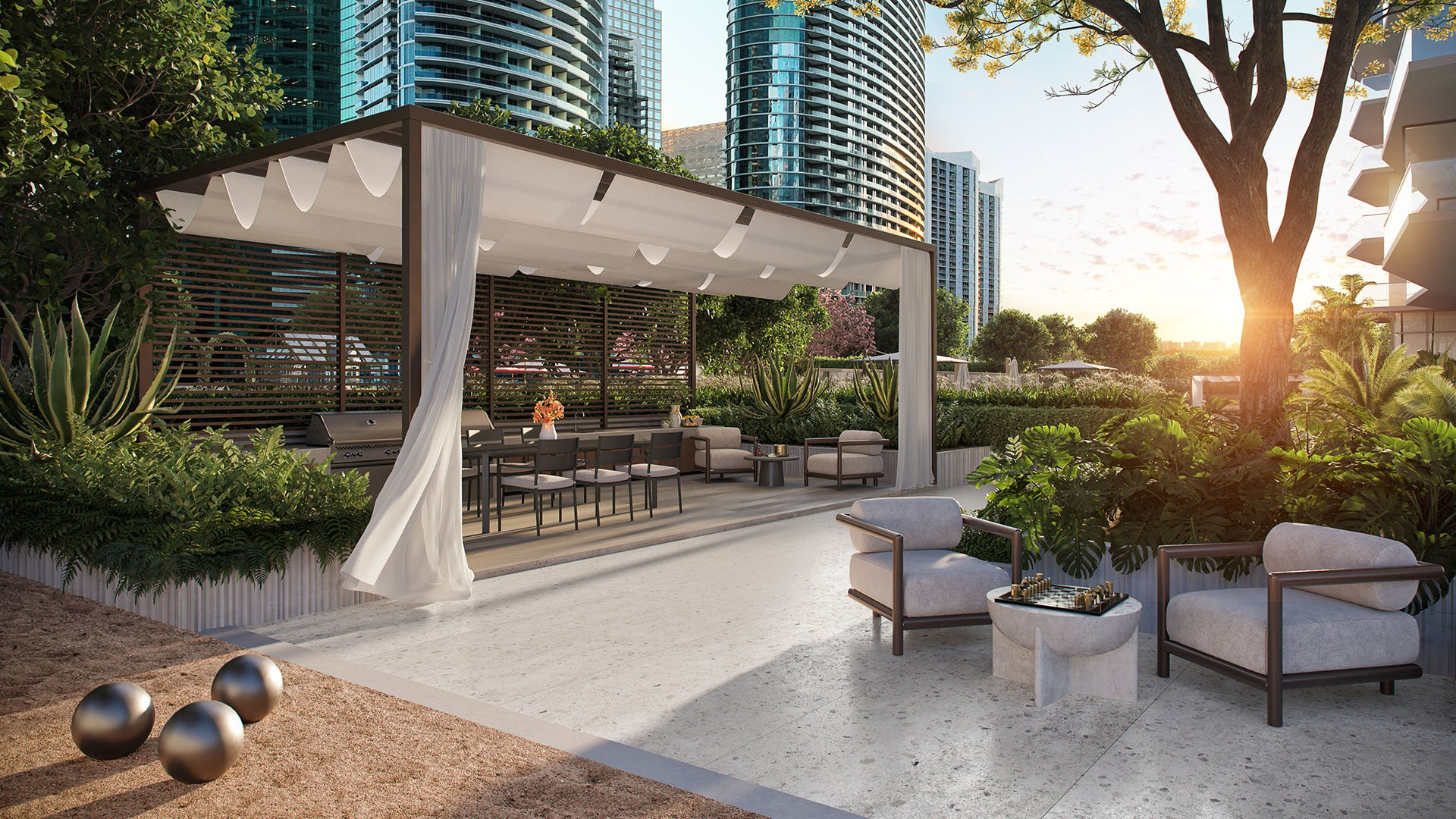
In South Florida luxury real estate, the first tour often begins with views, finishes, arrival sequences, and the emotional pull of water or skyline. Yet for buyers who picture evenings outside, a more practical question belongs at the front of the search: can the residence support the way you actually want to cook, host, and live outdoors?
Grill approval is not a minor amenity footnote. It reveals how a building manages private outdoor use, risk, neighbor privacy, ventilation, service access, and architectural control. A residence may offer a generous Balcony, a dramatic Terrace, or proximity to a Pool deck, but none of that guarantees the right to use a grill in the way a buyer assumes.
For high-end buyers, this question should shape the shortlist before the first tour. It saves time, prevents emotional attachment to the wrong property, and clarifies whether a building’s lifestyle rules align with the daily rituals that make a home feel complete.
A grill is rarely just a grill. For some owners, it means Sunday lunch after boating. For others, it is a quiet dinner after the beach, a chef-assisted family gathering, or the simple pleasure of preparing fresh seafood outdoors without making the kitchen the center of every occasion.
The decision is especially important in markets where outdoor space is central to the value proposition. Brickell buyers may be weighing skyline terraces and high-rise living. Miami Beach buyers may prioritize ocean air, resort-like service, and a relaxed entertaining rhythm. Sunny Isles buyers may be drawn to larger balconies, beach proximity, and residential privacy. In each case, grill permissions can separate residences that merely appear suitable from residences that function beautifully.
The question is not only whether grilling is allowed. Buyers should understand what type of grill is permitted, where it may be placed, whether it must be built in or portable, whether gas, electric, or other systems are acceptable, and whether board or management approval is required before installation or use.
Before visiting properties, buyers should request the governing position on outdoor cooking in plain language. The most useful response is not casual reassurance. It is a clear explanation of the current rules, the approval path, and any limitations that would affect the specific residence under consideration.
One building may allow outdoor cooking only in designated common areas. Another may permit electric grills on certain terraces. A third may restrict all private grilling while offering robust outdoor kitchens within the amenity program. These distinctions matter because they change the practical meaning of private outdoor space.
The buyer’s advisor should also confirm whether approvals are unit-specific or building-wide. A larger terrace does not automatically create greater freedom. A penthouse-like setting may still be governed by the same safety, facade, smoke, and nuisance standards as smaller residences. Conversely, a residence with a more modest outdoor area may be more practical if its permitted use is clear and easy to maintain.
In the ultra-premium segment, rules are not merely restrictions. They are expressions of building culture. A highly controlled building may appeal to buyers who value visual consistency, quiet enjoyment, and low tolerance for nuisance. A more permissive building may suit owners who prioritize relaxed entertaining and private outdoor utility.
Neither approach is universally better. The right fit depends on the buyer’s habits. A couple that entertains twice a year may accept strict grill policies if the architecture, services, and location are exceptional. A family that cooks outdoors every weekend should treat approval uncertainty as a serious drawback.
This is also where resale thinking enters the conversation. Future buyers will ask the same questions. If a residence has an unusually strong outdoor area but the grill policy is restrictive or ambiguous, that tension may affect how the home is perceived. If rules are clear, practical, and compatible with the residence’s design, the outdoor space may feel more complete.
Once a building’s policy appears favorable, the physical setting still deserves careful review. A terrace that photographs beautifully may not be ideal for cooking. Buyers should consider airflow, ceiling overhangs, adjacency to neighboring residences, distance from doors, proximity to furniture zones, and how cooking activity would coexist with dining, lounging, and service circulation.
Storage is another refined but important detail. Where will tools, covers, cleaning supplies, and accessories live? Will the grill interrupt the sightline from the primary suite or living room? Can the terrace be furnished elegantly without making the cooking area feel improvised?
The best outdoor living plans feel intentional. They do not force a grill into a corner simply because the rules allow it. They create a natural sequence: kitchen to outdoor prep, grill to dining, dining to lounge, and lounge to view. When that sequence works, the residence gains another room in practice, not merely in marketing language.
If a property remains on the shortlist, the first tour should test the grill thesis in real time. Stand where the grill would likely sit. Look at wind exposure. Consider the relationship to neighboring balconies. Imagine a dinner for six, not just a sunset photo. Ask how deliveries, maintenance, and cleaning would work without disrupting the residence.
Buyers should also distinguish between permission and convenience. A permitted grill that is difficult to use, unattractive to place, or burdensome to maintain may have limited lifestyle value. A building amenity kitchen that is exceptionally convenient may be a better fit for some owners than a private grill with complicated limitations.
For new-construction and pre-construction buyers, grill-related questions should be raised early, while expectations are still being shaped. Renderings often celebrate outdoor life, but the documents and operating rules determine what that life can include. A disciplined buyer treats the documents as part of the design package.
A practical filter begins with three categories. First, residences where private grilling clearly aligns with the buyer’s lifestyle and the building’s rules. These should move higher on the shortlist. Second, residences where private grilling is not permitted, but the amenity offering or location still compensates. These may remain in consideration if outdoor cooking is occasional rather than central. Third, residences where the answer is unclear, inconsistent, or dependent on uncertain future approval. These should be approached cautiously.
This filter helps prevent a common luxury-buyer mistake: falling in love with space before confirming use. The most expensive outdoor square footage is not always the most valuable. The most valuable outdoor space is the one that can be used confidently, elegantly, and repeatedly.
Grill approvals also help buyers compare otherwise different properties. A larger residence with restrictive outdoor rules may lose ground to a smaller one with a highly functional terrace. A dramatic view may become less persuasive if the outdoor area cannot support the owner’s preferred style of entertaining.
Luxury is often described through finishes, services, and privacy, but certainty is part of the experience. Owners should not feel that every dinner plan requires interpretation, negotiation, or apology. Clear grill approvals allow buyers to imagine daily life with confidence.
That certainty is particularly important for seasonal owners and second-home buyers who may have limited time in residence. They do not want to spend their first weeks resolving rules. They want the home to perform immediately, with the ease and discretion expected at this level of the market.
For primary residents, the issue is even more personal. The home must support routine, not just occasion. If outdoor cooking is part of that routine, the shortlist should reflect it from the beginning.
Should grill approval be checked before the first tour? Yes. It can quickly determine whether a residence supports the buyer’s intended outdoor lifestyle.
Is a large terrace enough to assume grilling is allowed? No. Terrace size and grill permission are separate issues governed by building rules and approvals.
Can building rules differ by grill type? Yes. Some buildings may distinguish between electric, gas, built-in, portable, or common-area cooking.
Why does grill policy matter for resale? Future buyers may value outdoor cooking rights, especially when private exterior space is a major feature.
Should buyers rely on verbal reassurance? No. The preferred approach is to review the applicable rules and approval process before committing.
Do amenity grills replace private grill rights? Sometimes. For occasional entertainers, a strong amenity kitchen may be sufficient and easier to manage.
What physical details should be reviewed on a tour? Airflow, overhangs, neighbor proximity, furniture layout, storage, and access all deserve attention.
Can grill approval affect interior planning? Yes. Outdoor cooking can influence kitchen use, dining flow, furniture placement, and service routines.
Is this issue only relevant to condos? It is most common in managed residential buildings, but any governed property can have outdoor-use rules.
What is the best way to shortlist comparable options for touring? Start with location fit, delivery status, and daily lifestyle priorities, then compare stacks and elevations to validate views and privacy.
For a confidential assessment and a building-by-building shortlist, connect with MILLION.
If branded residences are on your mind — as a home or as an allocation — we would be glad to share what we are seeing, privately.
Begin a quiet conversation