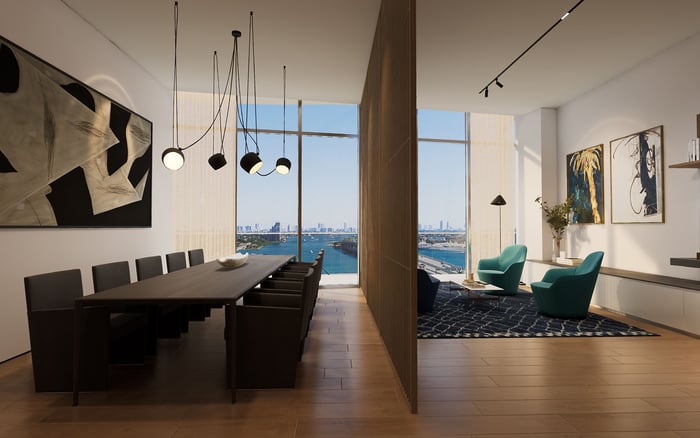
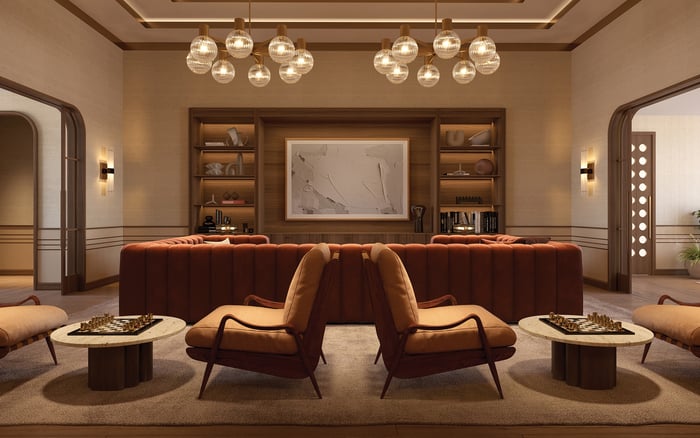
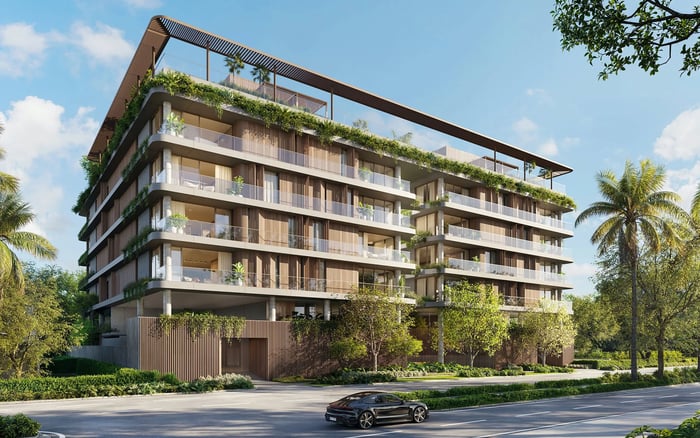
A buyer-focused examination of how restaurant-noise exposure can shape unit selection, livability expectations, and premium pricing at Casa Bella by B&B Italia in Downtown Miami.
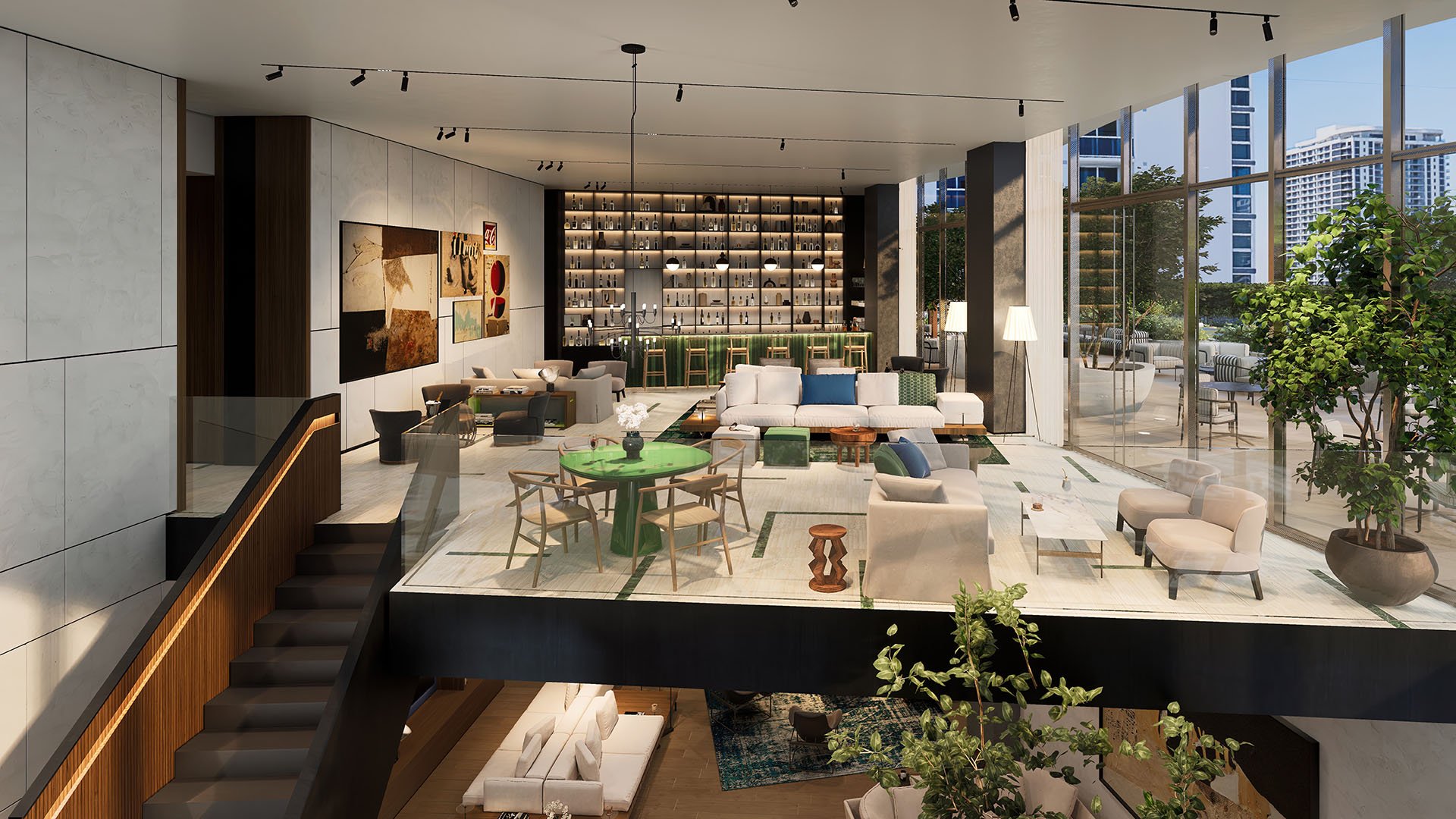
Casa Bella by B&B Italia Downtown Miami asks buyers to weigh two forms of luxury at once: the refinement of a design-led branded residence and the immediacy of a dense urban neighborhood. The appeal is clear. Casa Bella by B&B Italia is positioned as a design-driven luxury condominium tower in Downtown Miami’s urban core, with an identity shaped by Italian modernist design, curated interiors, and a high-finish vertical lifestyle.
Yet in a restaurant-rich setting, the buyer decision is not only about views, finishes, amenities, or brand cachet. It is also about how a home feels at 9:30 p.m. on a Thursday, during dinner service, or late on a weekend evening when the neighborhood is most animated. For affluent purchasers, everyday sensory comfort is part of the asset. A beautiful residence that performs poorly against unwanted sound can feel less private, less restful, and less intuitively valuable.
That is why restaurant-noise exposure should be framed not as a complaint, but as a serious luxury-condo risk factor. It belongs beside light, view corridors, elevator proximity, floor height, and monthly carrying costs in any thoughtful due-diligence conversation.
Casa Bella belongs to the branded-residence category, where a luxury design brand extends its aesthetic identity into residential real estate. In this case, B&B Italia gives the project a clear signal: modern Italian design, curated living environments, and an amenity-rich experience for buyers who value interiors as much as location.
That brand promise matters. Buyers are not simply purchasing space. They are purchasing a lifestyle with a composed visual language, a refined sense of arrival, and confidence that the home belongs to a coherent design narrative. In South Florida’s top tier, that narrative can be a powerful differentiator.
But Downtown is not a quiet, low-density residential enclave. It is a mixed-use urban environment connected to business, culture, dining, entertainment, and the broader movement between Downtown, the Arts & Entertainment District, and Edgewater. For some buyers, that is the point. Walkability, energy, and proximity to dining are part of the premium. For others, the same vibrancy raises questions about evening sound, privacy, and the practical use of outdoor space.
The most sophisticated buyers do not ask, “Is it noisy?” They ask, “When, where, from what direction, and how does it change by unit?” Restaurant sound is rarely uniform. It can be intermittent, seasonal, directional, and highly dependent on how a particular residence sits within the building.
In an urban high-rise context, two otherwise similar homes can feel meaningfully different because of orientation, floor height, glazing exposure, and proximity to active street-level uses. A line facing a more animated corridor may carry a different sensory profile than one with a more buffered exposure. Higher floors may reduce certain street-level sounds, but height does not automatically eliminate urban noise. Sound can travel upward, reflect from surrounding structures, or become more noticeable during quieter hours inside the residence.
Balcony usability is also central. A balcony can be one of the emotional triggers in a Miami purchase, especially when a buyer imagines morning coffee, evening air, or entertaining above the city. If restaurant energy below changes the comfort of that outdoor experience, the buyer may reassess the premium attached to that line.
The most useful due diligence is experiential. A buyer should try to understand sound in the same way they understand light: at different times, from different exposures, and under realistic conditions. A midday tour may reveal very little about evening ambience. A weekday visit may differ from a weekend night. A residence that feels serene during a quiet showing window may feel different when nearby dining and nightlife are active.
Questions should be direct and practical. Which exposures face active dining or nightlife corridors? What glazing and acoustic measures are specified? How does sound change between weekday and weekend evenings? Are bedrooms positioned toward or away from the more active side of the building? Does the terrace feel usable during peak restaurant hours?
None of these questions diminishes the project’s appeal. In fact, they are the questions serious buyers ask when comparing premium residences with discipline. Downtown luxury is often about accepting energy in exchange for access. The goal is not silence at all costs. The goal is alignment between the buyer’s tolerance, lifestyle rhythm, and preferred unit.
Restaurant-noise exposure may not decide every purchase, but it can influence decisions at the margin. When buyers compare similar floor plans, the quieter or better-buffered residence may feel more livable. When they consider resale confidence, they may favor a line with broader appeal. When they negotiate premium pricing, they may assign more value to a residence that combines design quality with sensory calm.
This is especially relevant in the branded-residence category. A buyer drawn to B&B Italia is likely sensitive to atmosphere, proportion, texture, and refinement. That same buyer may also be more attuned to the acoustic character of a home. A luxury interior cannot fully compensate for a setting that feels intrusive during the hours the owner most wants to unwind.
Bars and restaurants can also enhance the ownership proposition. They support walkability, social life, and the feeling that the home is plugged into the city. The question is not whether nearby dining is good or bad. The question is how much of that energy enters the residence, and whether the buyer experiences it as ambiance or intrusion.
Casa Bella’s strongest proposition sits at the intersection of brand, design, and Downtown convenience. For the right buyer, that combination is compelling: a design-forward residence with access to a business, cultural, dining, and entertainment ecosystem. The due-diligence task is to identify the specific unit that best expresses that promise without compromising daily comfort.
Buyers should think in layers. First, assess the building’s urban context. Second, compare exposures and floor positions. Third, evaluate interior quiet, bedroom placement, and terrace experience. Fourth, consider future resale psychology, because the next buyer may ask the same questions.
Noise is not merely a technical concern. It is a proxy for control, privacy, and ease. In the ultra-premium market, those qualities influence confidence. A buyer who understands the restaurant-noise profile of a residence is not being difficult. That buyer is treating luxury as a lived experience, not a brochure image.
Why does restaurant noise matter at Casa Bella by B&B Italia? Casa Bella sits in a dense Downtown environment where dining and entertainment can enhance lifestyle appeal while also affecting evening sound levels.
Does restaurant proximity make a condo less desirable? Not necessarily. For many buyers, nearby restaurants increase walkability and convenience, but the sound profile still deserves careful review.
What should buyers compare between similar units? They should compare floor height, orientation, glazing exposure, bedroom placement, and proximity to active street-level uses.
Are higher floors always quieter? Not always. Higher floors may reduce some street-level noise, but sound can still travel or reflect in an urban high-rise setting.
Why is balcony use part of the decision? Outdoor space is part of the emotional value of a Miami residence, and evening sound can influence how often a buyer uses it.
How can a buyer evaluate sound before purchasing? Visiting at different times, especially weekday and weekend evenings, can help reveal how the residence feels under real conditions.
Does noise affect resale confidence? It can. Buyers often favor homes that feel comfortable across more use cases, which may support broader future appeal.
Is this issue unique to Casa Bella? No. It is relevant across luxury towers in mixed-use urban districts, especially where dining and nightlife are part of the location value.
Should restaurant noise override design quality? It depends on the buyer. The best decision balances branded interiors, amenities, location energy, and everyday sensory comfort.
What is the central takeaway for buyers? Treat sound as a core livability factor, not an afterthought, when evaluating a premium Downtown residence.
When you're ready to tour or underwrite the options, connect with MILLION.
If branded residences are on your mind — as a home or as an allocation — we would be glad to share what we are seeing, privately.
Begin a quiet conversation