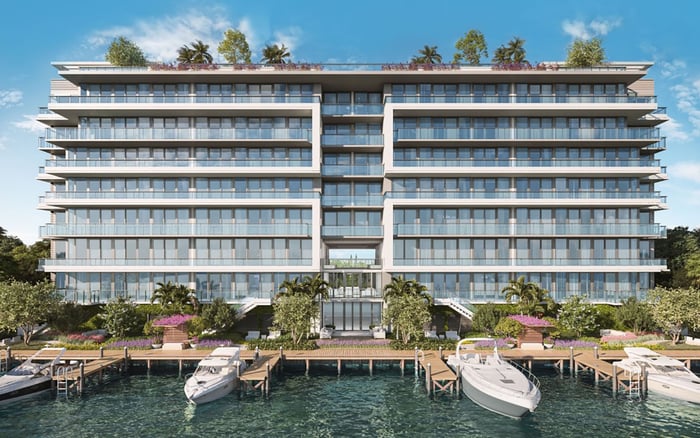
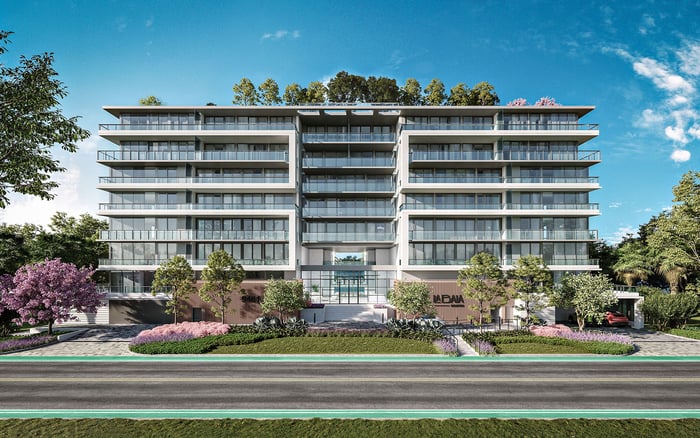
A practical buyer’s guide to evaluating chef-ready kitchen planning at La Baia North, from specifications and ventilation to storage, lighting, customization, and resale usability.

La Baia North is positioned as a boutique waterfront condominium in Bay Harbor Islands, which means kitchen planning should never be treated as a decorative footnote. In a residence shaped by views, entertaining, and indoor-outdoor rhythms, the kitchen must perform as both an everyday workspace and a social anchor. The buyer profile is clear: La Baia North Bay Harbor Islands belongs in a Bay Harbor conversation where boutique scale, waterview living, new-construction expectations, and pre-construction decision timing all converge.
For discerning buyers, the central question is not whether the kitchen looks luxurious in a rendering. It is whether the plan can support how the residence will actually be used: morning coffee before the marina day, weeknight cooking, formal entertaining, catered dinners, or a second-home lifestyle where the kitchen is used intensively during visits and then left quiet for weeks.
That distinction matters. A kitchen designed primarily for visual impact can feel elegant at first glance while compromising circulation, ventilation, storage, and service flow. A chef-ready kitchen, by contrast, is proven through details often hidden in drawings, schedules, and building systems.
Luxury buyers should be cautious with broad brochure language such as premium appliances, imported cabinetry, or Italian-inspired finishes. Those phrases may establish tone, but they do not answer the operational questions that separate a styled kitchen from a serious one.
Before contract signing, buyers should request exact specifications wherever available: appliance brand, model, finish, size, panel readiness, installation type, cabinet dimensions, countertop material, plumbing fixtures, hardware, lighting locations, and any upgrade schedules. If the project remains in a selection or design-option window, the question becomes more urgent: which elements can still be customized, and which are already fixed by construction sequencing or building systems?
The goal is not to overcomplicate the purchase. It is to remove ambiguity. If a buyer expects induction cooking, wine refrigeration, a warming drawer, additional freezer capacity, or a particular counter material, those expectations should be tested against the actual included package and the building’s capacity to accommodate changes.
A chef-ready kitchen is not a single universal template. A buyer who cooks every night needs a different plan than an owner who hosts catered dinners, relies on a private chef, or uses the residence primarily as a seasonal retreat.
For everyday cooking, the emphasis should be on work zones: prep, cooking, landing space, cleaning, refrigeration, and pantry access. For entertaining, the island, beverage storage, ice, wine service, and secondary cleanup capacity become more important. For catered events, buyers should ask whether there is a practical service path, whether guests can gather without blocking work areas, and whether the kitchen can absorb trays, platters, and temporary staging.
Open-plan living raises the stakes. When the kitchen shares sightlines with dining and lounge areas, clutter, sound, cooking aroma, and appliance noise become part of the living experience. Buyers should look closely at whether the island supports conversation without exposing every prep task, whether the sink placement works visually, and whether trash, recycling, and small appliances can disappear when guests arrive.
Serious cooks should ask whether the kitchen relies on a classic work triangle or a more contemporary work-zone layout. Either can succeed, but the plan should allow more than one person to cook, plate, clean, and serve at the same time.
Useful questions include: Can the dishwasher open without blocking the main prep area? Is there landing space beside the cooktop or oven? Can someone access refrigeration while another person is at the sink? Does the island overhang leave comfortable circulation behind seated guests? Are cabinet doors, appliance doors, and drawers competing for the same space?
Drawings matter here. Buyers should request plans or finish schedules that show exact cabinet dimensions, appliance clearances, island size, counter overhangs, and circulation space. A luxury kitchen should not require guesswork. If the plan is meant to support entertaining, the documents should make that performance visible.
In condominium living, the most important kitchen questions are sometimes mechanical rather than aesthetic. Buyers should ask whether cooking equipment is electric, induction, gas, or otherwise specified, and whether the building systems place limits on future changes.
Ventilation is one of the most important due-diligence items. Is the hood ducted to the exterior, recirculating, or constrained by shared mechanical systems? A recirculating solution may be acceptable for some owners, but buyers who cook frequently should understand its implications before assuming the kitchen will perform like a single-family estate kitchen.
Electrical capacity is equally important. Induction cooktops, wall ovens, warming drawers, wine refrigeration, beverage centers, ice makers, and additional refrigeration can all have infrastructure implications. If a buyer plans to upgrade the kitchen after closing, that plan should be reviewed before relying on it.
Storage is often where a beautiful kitchen either succeeds or disappoints. Pantry capacity should be evaluated through real use, not shelf count alone. Buyers should ask where cookware, trays, serving pieces, small appliances, coffee equipment, cleaning supplies, trash, recycling, and entertaining accessories will live.
Appliance garages, deep drawers, tray dividers, pullouts, and tall pantry cabinets can dramatically change daily usability. So can their absence. In a waterfront condominium, where owners may entertain often but still want a serene living space, the ability to conceal practical items is essential.
Material durability also deserves attention in coastal South Florida. Buyers should ask about cabinetry construction, humidity resistance, hardware quality, countertop durability, and appliance corrosion considerations. Stone, porcelain, quartz, or other surfaces should be clarified in detail, including seams, edge profiles, backsplash height, slab selection, and whether any of those choices remain customizable.
A kitchen can have impressive finishes and still feel underprepared if the lighting and power plan are weak. Chef-ready planning should include task lighting, island lighting, under-cabinet lighting, outlet placement, charging locations, and controls that support both cooking and entertaining.
The best kitchens shift mood easily: bright for prep, softer for dinner, discreet for late-night use. Buyers should ask how lighting is zoned and whether controls are intuitive from both the kitchen and adjacent living areas. Outlet placement is equally practical. A beautiful island loses function if small appliances, laptops, or charging devices require visible cords across the counter.
For buyers who entertain frequently, the wish list may extend to beverage refrigeration, wine storage, ice making, secondary dishwashing, or a butler-style service zone. Even if those features are not included, it is worth asking whether the plan can accommodate them and what changes would be required.
In the ultra-premium market, resale value is not driven by finishes alone. Buyers increasingly recognize when a kitchen has been styled for presentation rather than designed for life. A visually polished kitchen that lacks ventilation clarity, storage depth, appliance capacity, or service flow may read as a future renovation, not a finished luxury asset.
That is why chef-ready due diligence belongs early in the purchase conversation. Buyers should clarify warranty coverage and maintenance responsibilities for appliances, cabinetry, countertops, plumbing fixtures, and any post-closing upgrades. They should also separate what is included from what is aspirational, optional, or dependent on later approvals.
The right kitchen planning questions do more than protect a purchase. They reveal whether the residence can support the rituals that make waterfront living feel effortless.
What is the first kitchen question buyers should ask at La Baia North? Ask for the exact kitchen specification schedule, including appliances, cabinetry, counters, fixtures, finishes, and available upgrades.
Should buyers rely on phrases like premium appliances? No. Buyers should request brands, models, finishes, installation details, and any deadlines for changing selections.
Why does ventilation matter in a luxury condo kitchen? Ventilation affects cooking comfort, aroma control, and open-plan living, so buyers should ask whether the hood is ducted or recirculating.
Can chef-ready kitchens be customized before closing? Possibly, but buyers should confirm which elements are still changeable before contract signing or design-option deadlines.
What storage details are most important? Pantry capacity, cookware storage, appliance garages, trash pullouts, tray storage, and entertaining-piece storage deserve close review.
Why should buyers ask about electrical capacity? Upgraded appliances such as induction cooking, wine refrigeration, wall ovens, or warming drawers may require specific capacity.
How should entertainers evaluate the kitchen? They should test seating, service flow, beverage refrigeration, ice, wine storage, cleanup capacity, and guest circulation.
Do countertop materials require due diligence? Yes. Buyers should clarify included materials, seams, edge profiles, backsplash height, slab selection, and customization rights.
Why are coastal conditions relevant to kitchen planning? South Florida humidity and waterfront exposure make cabinetry construction, hardware quality, and appliance durability important.
How does kitchen planning affect resale? A kitchen that works beautifully for cooking and entertaining is more durable in buyer perception than one styled only for renderings.
For a discreet conversation and a curated building-by-building shortlist, connect with MILLION.
If branded residences are on your mind — as a home or as an allocation — we would be glad to share what we are seeing, privately.
Begin a quiet conversation