A buyer-focused comparison of The Ritz-Carlton Residences® Sunny Isles and Fendi Château Residences Surfside through the lens of service density, privacy, amenity use, guest flow and long-term ownership rhythm.
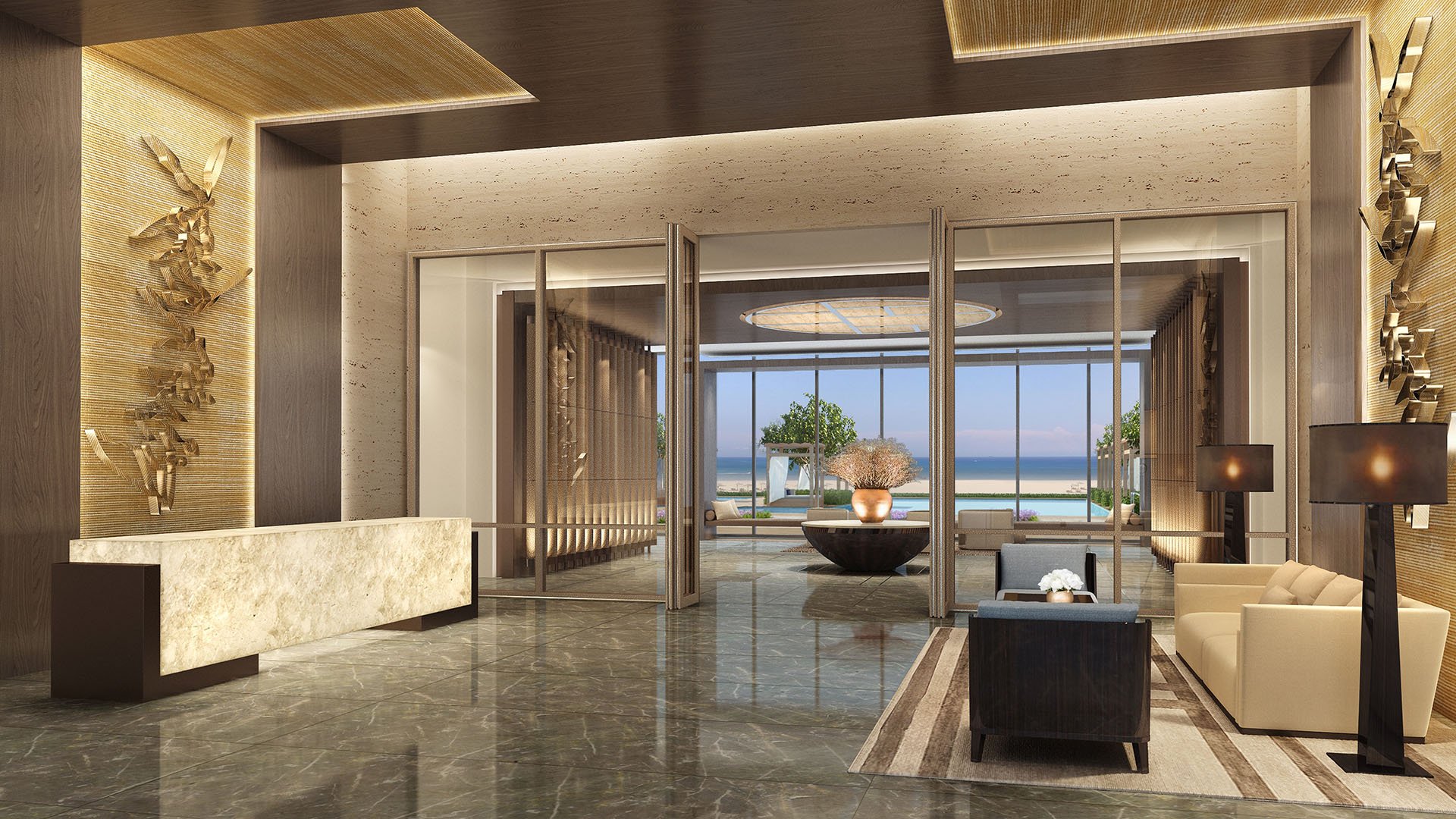
At the upper end of South Florida’s branded-residence market, buyers rarely need convincing that the materials will be elevated. The sharper question is more personal: what kind of building should manage the rhythm of daily life? In the comparison between The Ritz-Carlton Residences® Sunny Isles and Fendi Château Residences Surfside, the distinction is less about luxury as a promise and more about luxury as an operating system.
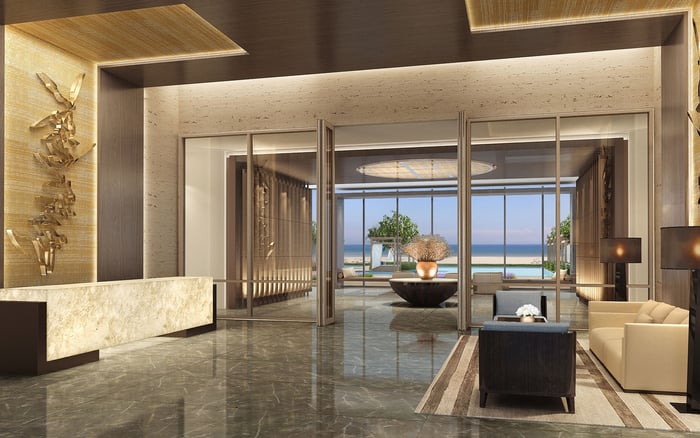
The Ritz-Carlton side of the conversation is service-intensive, hotel-branded and resort-scale. It suits the owner who wants a deep beachfront environment, a highly programmed amenity setting and the reassuring presence of a hospitality name. Fendi Château, by contrast, is the more intimate fashion-branded alternative in Surfside, with a residential tone that reads more like a private address than a large resort environment.
For South Florida buyers moving through the North Miami, Surfside, Bal Harbour and Sunny Isles corridor, this is the essence of the choice. Do you want a residence that anticipates, staffs and activates the day? Or do you want one that recedes, protects privacy and keeps the ownership experience quieter?
The Ritz-Carlton Residences® Sunny Isles is the clearer fit for buyers who place a premium on hotel-caliber staffing and daily convenience. Its identity is anchored in The Ritz-Carlton hospitality platform, and that matters. A brand of this kind is not simply a name on the porte cochère. It shapes expectations around service structure, response, arrival, amenity management and the feeling that the building is actively supporting the household.
That can be especially valuable for owners who split time between homes, entertain frequently or expect a residence to perform with minimal friction. A service-heavy building can simplify the practical side of ownership, from daily arrivals to guest coordination and routine amenity use. It is also attractive for families that want the property to function as an easy beachfront base rather than a highly private retreat requiring more self-management.
This is why nearby comparisons often include other Sunny Isles branded and oceanfront names, including St. Regis® Residences Sunny Isles, when buyers are studying how much brand-led service they truly want. In this tier, the question is not whether service exists. It is how visible, consistent and central that service should be to everyday life.
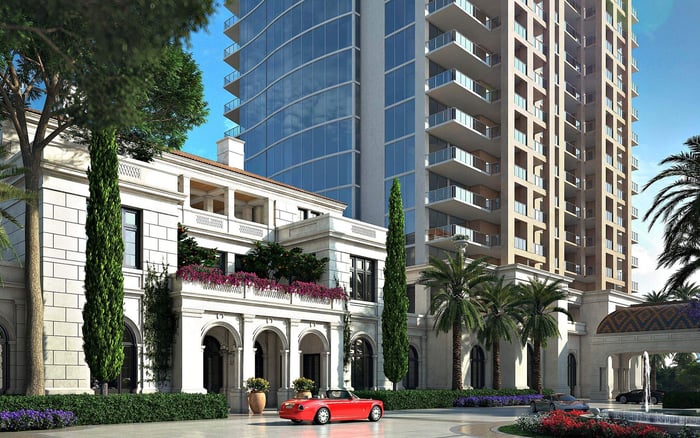
Fendi Château Residences approaches luxury from a different angle. Its lower-density profile, fashion identity and Surfside setting create a more discreet residential profile. The building is positioned around intimacy, design and a curated community atmosphere, which can feel more appropriate for buyers who value privacy over activity.
For some owners, the most luxurious staff interaction is the one that does not need to happen. They want the building to be polished, secure and refined, but not socially busy. They may prefer fewer encounters in shared areas, a calmer arrival sequence and a residential tone that feels less like a resort and more like a private address.
That distinction is important in Surfside, where boutique scale can be a decisive advantage. Buyers considering Fendi Château may also look at neighboring oceanfront references such as Arte Surfside or The Delmore Surfside to understand how privacy, architecture and limited-building energy shape the day. Fendi Château belongs to this more intimate side of the conversation.
The Ritz-Carlton Residences® Sunny Isles is framed as a resort-scale oceanfront residential tower with a highly programmed beachfront setting. That makes sense for owners who intend to use the building actively. If the pool deck, wellness spaces, beach access and service infrastructure are part of the daily routine, a larger hospitality-driven environment can feel highly efficient.
The tradeoff is that a more programmed property naturally creates more movement. Staff, residents, guests and amenity usage all contribute to the building’s energy. Many owners value that, because it can make a second home feel alive from the moment they arrive. For others, that same energy is not the desired mood.
Fendi Château’s daily-use question is more about quiet continuity. Does the owner want the building to feel serene, private and architecturally composed most of the time? Does a smaller community better fit the household’s expectations for discretion? If yes, the Fendi model may be more persuasive than a more elaborate amenity ecosystem.
Oceanfront living is not one lifestyle. It can be resort-like and animated, or restrained and private. The better purchase is the one that matches how the owner will actually use the residence on an ordinary Tuesday, not just during a first tour.
For families, extended households and frequent hosts, The Ritz-Carlton model offers a clear advantage in structure. A service-forward building can absorb more logistical complexity. Guests arriving from out of town, children moving between beach and amenities, and household members using the property at different times all benefit from a building designed around managed activity.
Fendi Château may be better for the owner who hosts selectively and prefers a lower-profile arrival pattern. A smaller building can make guest flow feel more controlled simply because the environment is less active. That can be meaningful for high-privacy buyers, especially those who want a residence that does not reveal much about their routines.
Security is partly technical, but it is also experiential. Some buyers feel most secure with a visible service apparatus and brand-standard processes. Others feel most secure in a smaller, more discreet building where fewer people circulate. Neither instinct is wrong. They are different definitions of comfort.
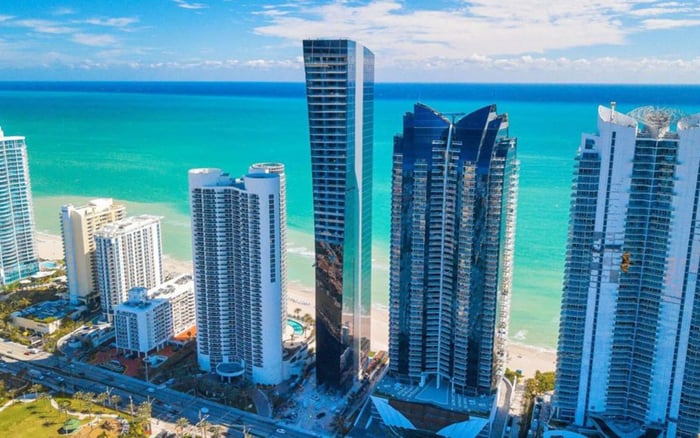
The broader North Miami to Sunny Isles corridor has become one of South Florida’s defining branded-residence theaters. Sunny Isles, Surfside and Bal Harbour each offer a different expression of the same core demand: waterfront living with a recognizable luxury identity.
Sunny Isles generally appeals to buyers who are comfortable with height, scale and a more resort-like oceanfront skyline. Surfside leans more residential and discreet, with boutique buildings and proximity to Bal Harbour shaping a quieter ownership mood. Fendi Château’s Surfside character and The Ritz-Carlton’s Sunny Isles service platform therefore reflect their locations as much as their brands.
This is why cross-shopping can be productive. A buyer may begin with the glamour of a brand but ultimately choose based on how the building feels at breakfast, at school pickup, after a flight or during a long weekend with guests.
The Ritz-Carlton Residences® Sunny Isles is likely the stronger fit for the buyer who wants service to be central: staffed, branded, active and convenient. It favors owners who will use amenities often, host regularly, bring family and guests, or want the confidence of a hospitality platform behind the residence.
Fendi Château Residences is likely the stronger fit for the buyer who prizes intimacy, discretion and design identity. It favors owners who want a quieter building, fewer shared-space encounters and a more private residential atmosphere.
The decision should not be reduced to which name sounds more prestigious. Both names are highly legible in the luxury market. The more useful question is operational: which building will make your daily life feel more natural?
Is The Ritz-Carlton Residences® Sunny Isles more service-oriented than Fendi Château? Yes. It is positioned as the more hotel-branded, service-intensive option in this comparison.
Is Fendi Château Residences Surfside a lower-density alternative? Yes. In this comparison, it is treated as the more intimate and discreet oceanfront residential option.
Which building is better for frequent amenity use? The Ritz-Carlton Residences® Sunny Isles is the stronger fit for buyers who want highly programmed daily amenity use.
Which building is better for privacy? Fendi Château is the clearer privacy-oriented choice because of its smaller, more discreet character.
Is this comparison mainly about finish quality? No. The more important questions are service, privacy, security, family use and guest flow.
Which option feels more resort-like? The Ritz-Carlton Residences® Sunny Isles feels more resort-scale and service-heavy in this comparison.
Which option feels more like a private villa in the sky? Fendi Château is characterized as the more intimate, private-address alternative.
Should second-home buyers prioritize service? Many should, especially if they want easier arrivals, guest support and a residence that functions smoothly when used intermittently.
Does Surfside offer a quieter residential mood than Sunny Isles? In this comparison, Surfside is framed as the more intimate and discreet setting.
What is the best way to shortlist comparable options for touring? Start with location fit, delivery status, and daily lifestyle priorities, then compare stacks and elevations to validate views and privacy.
When you're ready to tour or underwrite the options, connect with MILLION.
If branded residences are on your mind — as a home or as an allocation — we would be glad to share what we are seeing, privately.
Begin a quiet conversation