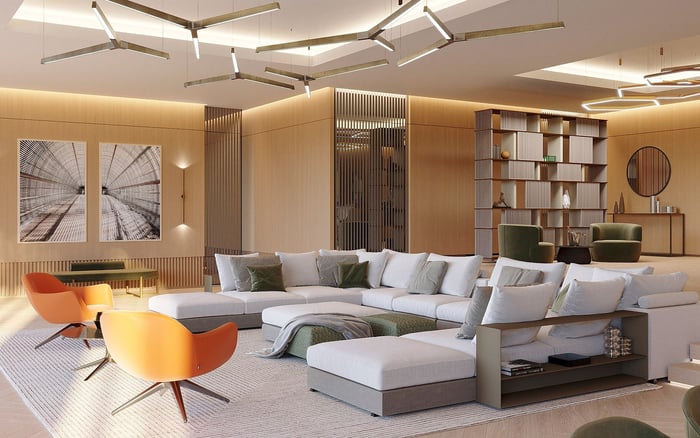
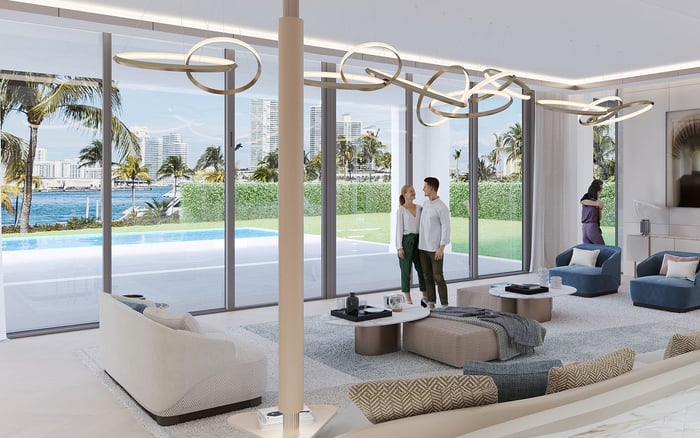
A discreet buyer-focused look at The Links Estates at Fisher Island and why jewelry-safe placement belongs in the earliest stages of ultra-luxury estate planning.
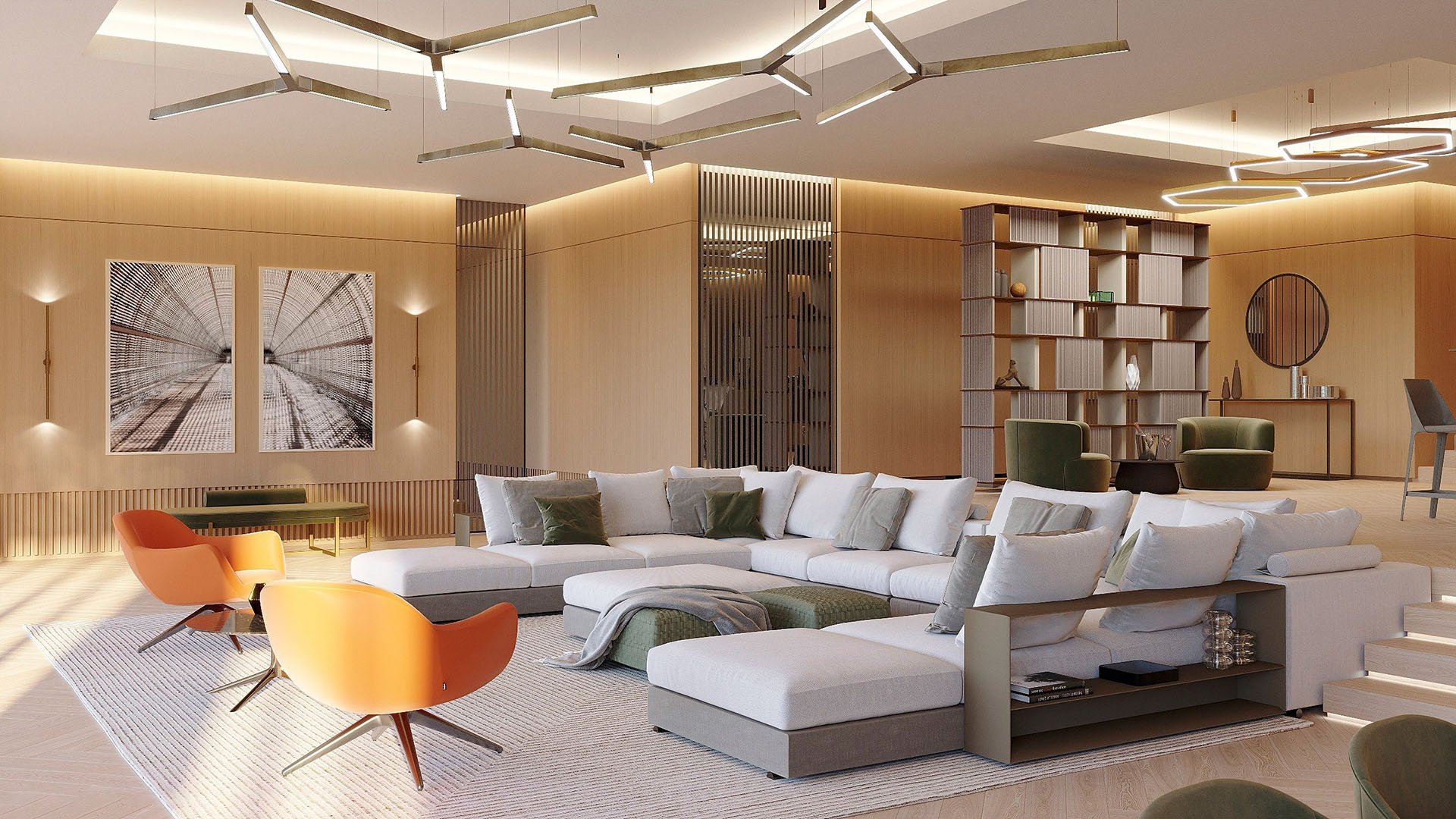
At the top of South Florida’s residential market, luxury is increasingly measured by what disappears into the architecture. The most persuasive homes do not announce every layer of comfort, convenience, or protection. They absorb those functions into proportion, circulation, privacy, and routine.
That is the quiet luxury case for The Links Estates at Fisher Island. As a Fisher Island luxury residential project, it offers a useful lens for a more refined conversation: how should a serious estate plan for the stewardship of jewelry, watches, heirlooms, and other portable stores of value?
The answer is not a visible bunker aesthetic. It is not hardware as spectacle. It is placement, access, discretion, and daily ease. In the most sophisticated homes, jewelry-safe planning belongs in the design conversation from the beginning, alongside the primary suite, dressing rooms, service movement, family privacy, and the rhythms of arrival and departure.
Fisher Island is associated with privacy, controlled access, and high-net-worth residential living. That context matters. A private-island setting can reduce ordinary exposure, yet it may also concentrate valuable personal assets inside the residence. The result is a subtle but important shift: perimeter confidence is not the same as interior asset care.
This distinction is especially relevant for estate-style living. A gated-community mindset can create the impression that the outer boundary is the primary line of protection. For owners of significant jewelry and watch collections, the more nuanced question is what happens inside the home during daily dressing, packing, entertaining, staffing, maintenance, and travel preparation.
The Links Estates at Fisher Island sits squarely within that elevated conversation. So do other Fisher Island references such as The Residences at Six Fisher Island, Palazzo del Sol, and Palazzo della Luna, where the broader expectation is not simply privacy, but privacy expressed with polish. In a Fisher Island environment, the best protection feels like part of the residence rather than an interruption to it.
The most common mistake in luxury homes is treating a safe as an appliance to be placed after the closets, millwork, lighting, and technology are already resolved. At the estate level, that sequence is backwards. Jewelry-safe placement should be a design feature, not a late-stage add-on.
The primary suite is usually the starting point, but not every primary-suite location is equal. The ideal placement should respect owner privacy while supporting natural dressing rituals. It should be close enough for daily use, discreet enough to avoid casual visibility, and positioned with a clear understanding of who moves through the residence.
That requires close attention to circulation. How does the owner move from bedroom to bath to dressing area? Where do household staff enter for wardrobe care, laundry, housekeeping, or maintenance? Which doors are used when guests are present? What sightlines exist from corridors, terraces, service zones, or secondary rooms?
In this context, a safe is less about fear and more about stewardship. Jewelry is adornment, but it is also portable value. Watches, family pieces, and heirlooms often carry financial and emotional weight. Their care can involve insurance documentation, family-office protocols, travel planning, and household rules. A beautifully resolved estate makes those protocols easier to follow.
For single-family homes at the ultra-luxury level, this is where architecture and operations meet. The right location encourages consistent use. The wrong location creates friction, and friction is the enemy of good habits.
A jewelry safe should support the way an owner actually lives. The morning selection of a watch, the evening return of diamond earrings, the packing of pieces before a weekend away, and the review of heirlooms for a family event all create predictable moments. Good design turns those moments into secure routines without making them feel procedural.
That is the essence of quiet luxury. A concealed safe integrated near a dressing area can feel like part of the wardrobe experience. It can sit within a broader composition of cabinetry, lighting, mirrors, seating, and private circulation. It should never force the owner into an awkward detour or expose the process to unnecessary household visibility.
The same principle applies to secondary storage. Some owners may prefer a distinction between daily-wear pieces and items accessed less frequently. Others may coordinate storage with travel habits, family sharing, or seasonal use. The important point is that placement should be intentional, not improvised.
Golf, boating, dining, and social calendars can all influence when pieces are worn and when they are returned. On Fisher Island, where estate life often blends privacy with high-touch service, that rhythm becomes especially important. The more seamless the routine, the more likely secure storage is to be used every time.
Ultra-luxury homes are rarely occupied by owners alone. Staff, vendors, family members, guests, stylists, household managers, and maintenance teams may all move through portions of the residence. That does not mean a home should feel defensive. It means the plan should be intelligent.
Jewelry-safe placement should consider insider risk, household access, and staff movement without turning the residence into a visible security diagram. The best solutions preserve warmth while reducing unnecessary exposure. A safe placed within owner-only circulation, away from routine service paths, can support both privacy and ease.
There is also a governance layer. Owners with meaningful collections often benefit from clear family and household protocols. Who has access? When are pieces removed or returned? How are travel selections prepared? How is documentation handled? These questions are not glamorous, but when answered gracefully, they protect both assets and relationships.
This is why jewelry-safe planning belongs beside other estate-level decisions. It is as much about the choreography of the home as the object itself.
For buyers evaluating The Links Estates at Fisher Island, the jewelry-safe conversation can begin with a few practical questions. Does the primary suite allow owner-only movement between sleeping, bathing, dressing, and secure storage? Can placement be concealed within the architecture without compromising daily access? Are service routes clearly separated from private dressing zones? Does the home support both everyday jewelry use and longer-term stewardship?
The best answers will not necessarily be the most conspicuous. In fact, they should be almost invisible. A refined estate does not need to perform security. It needs to make good habits feel natural.
That is the broader lesson of The Links Estates at Fisher Island. In the next chapter of South Florida’s ultra-premium market, buyers may increasingly expect bespoke storage and protection infrastructure to be part of the luxury package. Not because they are anxious, but because they are precise.
Quiet luxury is not only a finish palette. It is a way of planning for the life, assets, and privacy a residence is meant to hold.
Why is jewelry-safe placement important in an ultra-luxury estate? It supports the daily stewardship of portable assets such as jewelry, watches, and heirlooms while preserving privacy and routine.
Why is The Links Estates at Fisher Island relevant to this topic? It provides a Fisher Island estate context where privacy, controlled access, and high-net-worth living make interior asset care especially important.
Is perimeter security enough for valuable jewelry? No. Perimeter privacy can reduce ordinary exposure, but interior placement addresses household access, daily use, and owner-only circulation.
Where should a jewelry safe be considered in a residence? The primary suite and dressing areas are logical starting points, especially where access can remain discreet and convenient.
Should safe placement be planned before or after construction? It is best considered early, so secure storage can be integrated into architecture, millwork, circulation, and privacy planning.
Does jewelry-safe planning need to look obvious? No. The quiet luxury approach favors concealed, architecturally integrated protection rather than visible security hardware.
What household factors should owners consider? Owners should consider staff movement, guest access, service routes, family use, and how pieces are removed or returned each day.
How does jewelry relate to broader estate planning? Jewelry can be both adornment and portable value, so storage may connect with insurance, documentation, and family-office protocols.
Is this only relevant for large collections? Not necessarily. Even a focused group of meaningful pieces can benefit from thoughtful placement and consistent routines.
What is the quiet luxury takeaway for Fisher Island buyers? The most refined protection supports daily life gracefully, without turning the home into a visible security statement.
For a tailored shortlist and next-step guidance, connect with MILLION.
If branded residences are on your mind — as a home or as an allocation — we would be glad to share what we are seeing, privately.
Begin a quiet conversation