A buyer-focused editorial test of The Ritz-Carlton Residences® Miami Beach through the lens of seasonal ownership, operational reliability, privacy, governance, and 2026 carrying-cost discipline.
For a 2026 buyer, The Ritz-Carlton Residences® Miami Beach is not simply a question of finish, label, or arrival experience. It is a test of whether a branded residential condominium can perform gracefully for an owner who may be present intensely, then absent for long stretches. Seasonal ownership in South Florida has always carried an emotional charge, but more discerning buyers now treat it as an operating decision.
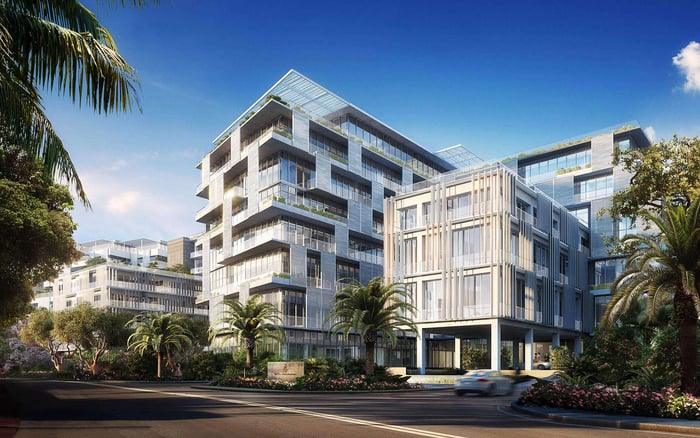
That distinction matters. The property is positioned as a Ritz-Carlton-branded luxury residence in Miami Beach, not as a conventional unbranded condominium. It is also framed around a non-hotel residential model, giving the ownership conversation a different texture. For some buyers, the absence of hotel-guest traffic is central to the appeal. Privacy, resident rhythm, and a more controlled building culture can matter more than the spectacle of a mixed-use hospitality environment.
The seasonal-use buyer, however, should ask the sharper question: does the brand translate into repeatable daily performance when the owner is not there to supervise it?
The setting is part of the thesis. Mid-Beach offers a different posture from South Beach, North Beach, and mainland Miami alternatives. A buyer comparing Mid-Beach with Brickell, for example, is not only weighing nightlife, office proximity, or skyline energy. The decision is about how a residence functions as a South Florida base, especially when the home is used in defined seasonal intervals rather than as a daily primary address.
The waterfront and lakeside character of The Ritz-Carlton Residences® Miami Beach supports that kind of lifestyle continuity. Buyers comparing other branded coastal options may also look at The Ritz-Carlton Residences® Pompano Beach, but the Miami Beach decision should be judged on its own rhythm, privacy profile, and management expectations. Waterview value is not only visual. For the seasonal owner, it can create a sense of return: a recognizable atmosphere that makes brief periods in residence feel settled rather than improvised. The best seasonal homes reduce friction from the moment the owner arrives.
Second-home buyers should think less about a single vacation week and more about the full annual cycle: arrival, use, departure, absence, and return. A beautiful residence that is difficult to leave is not a well-designed seasonal asset.
The first operational test is arrival readiness. When an owner lands in Miami, the residence should feel prepared, secure, and legible. That does not require unnecessary theatrics. It requires competent coordination, predictable building communication, and a clear understanding of who is responsible for what.
The second test is departure. Seasonal owners need a building environment that supports lock-and-leave living with confidence. Maintenance coordination, vendor access, security awareness, package handling, and owner oversight during absences all become part of the value proposition. In a full-service branded residence, these functions are not decorative. They are the infrastructure of trust.
The third test is escalation. If something requires attention while the owner is away, the question is not whether a building has a polished lobby or a respected name. The question is whether procedures are clear, responsive, and aligned with resident expectations. The Ritz-Carlton brand can be meaningful, but buyers should evaluate how branding appears in daily consistency rather than treating it as a substitute for diligence.
A non-hotel residential model can be powerful for privacy-minded owners. It may reduce the transient energy that comes with hotel circulation and create a more residential cadence. For buyers who want Miami Beach without the feeling of a resort lobby constantly resetting around guests, that can be a serious advantage.
The tradeoff is that resident-paid services and association governance become even more important. In a hotel-linked environment, hospitality revenue and operational structures may influence the experience. In a non-hotel condominium, buyers should examine budgets, staffing philosophy, service scope, and the association’s ability to preserve standards over time.
This is where 2026 buyers should be especially disciplined. Carrying-cost visibility, insurance exposure, reserve and assessment risk, and governance quality are not secondary issues. They are central to ownership suitability. Investment discipline in this category means understanding not only what the residence offers today, but how the building is prepared to sustain service expectations tomorrow.
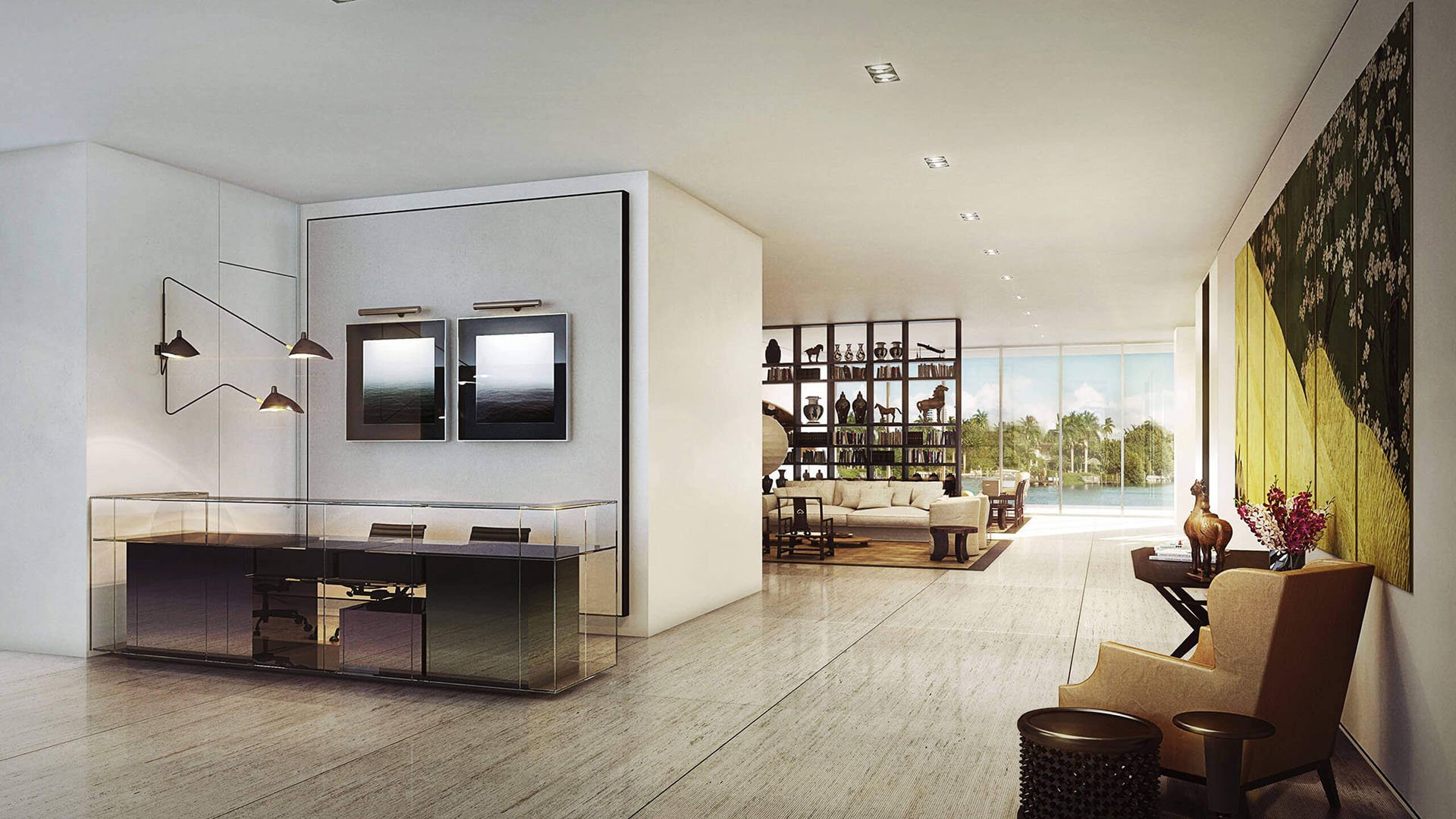
Full-service amenities are often marketed as lifestyle features, but for part-time owners they are also management features. The question is not only whether amenities are desirable while in residence. It is whether the building’s service culture can compress the transition from travel to comfort.
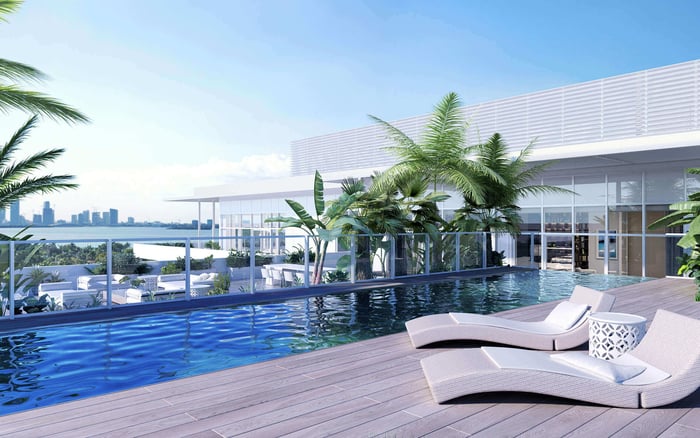
Pool use, wellness routines, private entertaining, and everyday convenience should all be considered through the same lens: how easily can the property be lived in immediately after arrival, and how cleanly can the owner depart? A seasonal residence earns its premium when it makes short stays feel complete and long absences feel controlled.
For The Ritz-Carlton Residences® Miami Beach, the buyer test is practical. The branded identity, Miami Beach location, Mid-Beach positioning, and waterfront or lakeside setting create the foundation. The decision should turn on operational confidence.
A serious buyer should request clarity on service responsibilities, association governance, owner communication, maintenance coordination, and procedures during absence. The aim is not to distrust the brand. It is to respect the complexity of seasonal ownership.
The most suitable buyer is likely someone who values privacy over hotel energy, wants a polished South Florida base, and understands that service must be evaluated as an ongoing system. The Ritz-Carlton Residences® Miami Beach may satisfy that brief for the right owner, but the decision should be made with the same precision one would bring to any high-value asset.
In 2026, the luxury question is no longer only, “Where do I want to be?” It is also, “How well is the residence managed when I am not there?”
What is the main buyer test for The Ritz-Carlton Residences® Miami Beach in 2026? The main test is whether the residence can support seasonal ownership smoothly, especially during long owner absences.
Is The Ritz-Carlton Residences® Miami Beach positioned as a branded condominium? Yes. It is positioned as a Ritz-Carlton-branded luxury residential condominium in Miami Beach.
Why does the non-hotel model matter? It may appeal to buyers who prioritize privacy, residential cadence, and reduced hotel-guest circulation.
Why is Mid-Beach relevant for seasonal buyers? Mid-Beach offers a distinct setting within Miami Beach, useful for buyers comparing South Beach, North Beach, and mainland Miami options.
What should seasonal owners evaluate before purchasing? They should evaluate arrival readiness, departure procedures, maintenance coordination, security, and oversight while away.
Are carrying costs important for this kind of purchase? Yes. Carrying-cost visibility, insurance exposure, reserves, assessments, and governance quality are central to the decision.
Does the Ritz-Carlton name alone answer the management question? No. The brand is meaningful, but buyers should test whether it translates into daily operational consistency.
Is this more of a lifestyle purchase or an investment decision? It is both. Lifestyle delivery matters, but ownership quality depends on service structure and long-term building discipline.
How should buyers think about waterview value here? Waterview appeal can support lifestyle continuity, especially for owners returning seasonally to the same South Florida base.
Who is the best fit for this residence? The strongest fit is a privacy-minded seasonal owner who wants branded service, Miami Beach presence, and reliable absence management.
For a tailored shortlist and next-step guidance, connect with MILLION.
If branded residences are on your mind — as a home or as an allocation — we would be glad to share what we are seeing, privately.
Begin a quiet conversation