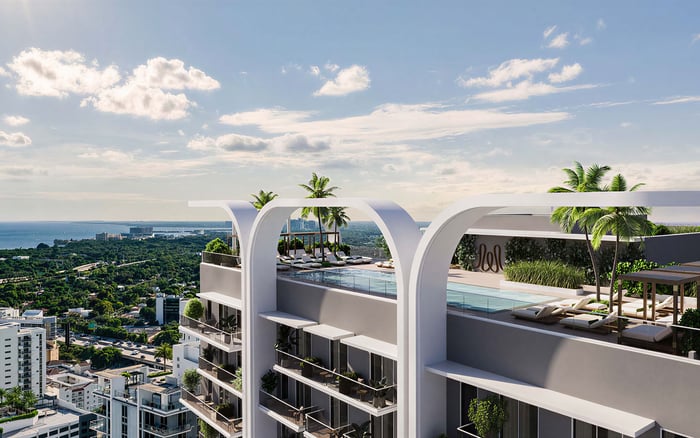
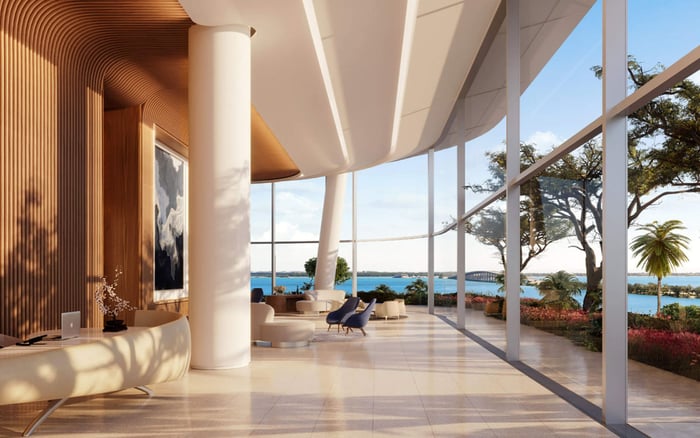
A practical guide for South Florida luxury buyers evaluating brand-backed residential operations, service standards, governance, lifestyle promises, and long-term ownership fit.
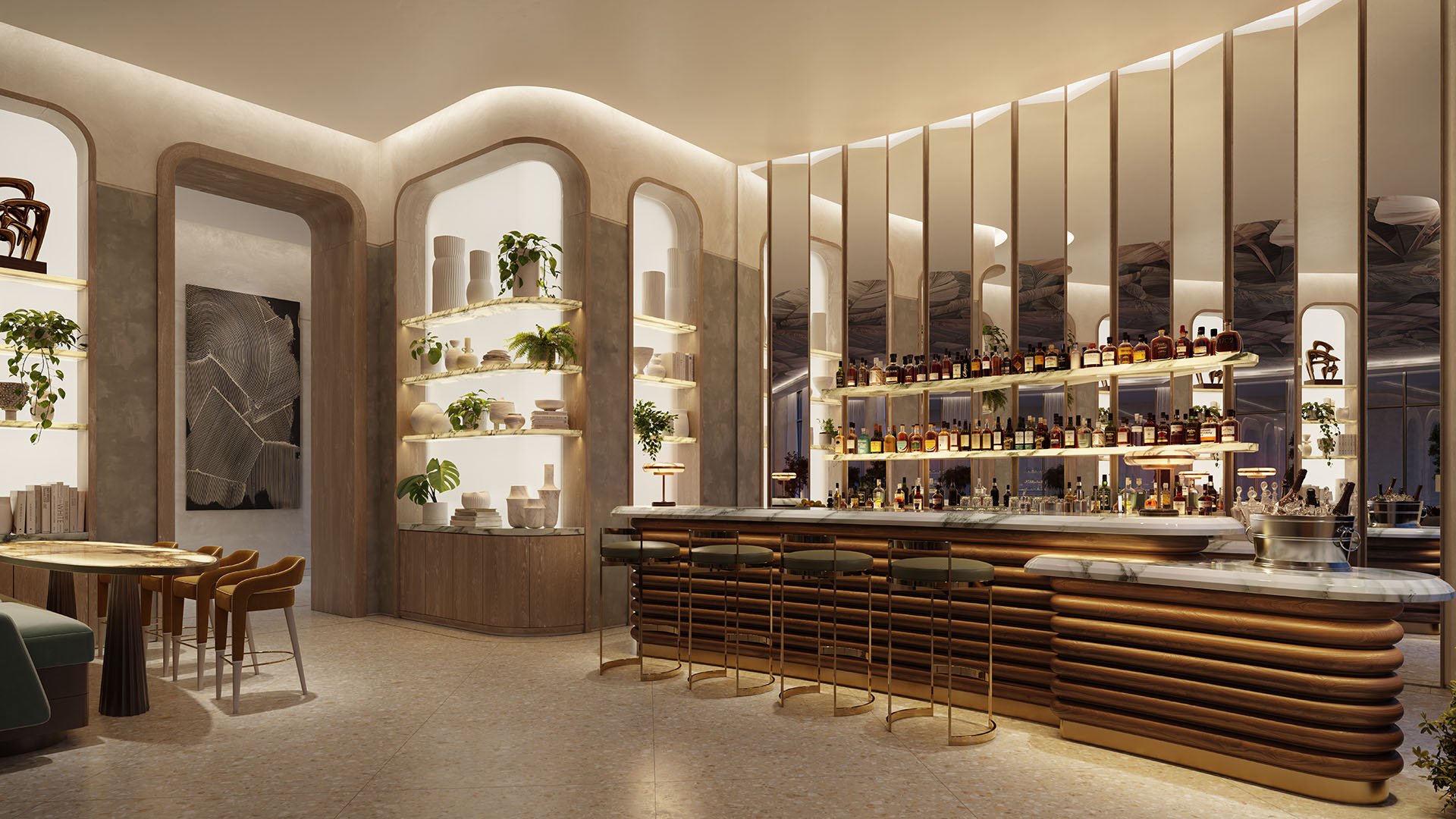
In South Florida luxury real estate, the branded residence has moved beyond a name on the porte cochere. For today’s buyer, the essential question is not whether a brand feels prestigious, but whether the building can deliver a consistent private-residence experience after closing, through peak season, storms, staff changes, board transitions, and the ordinary friction of daily life.
Brand-backed operations sit at the intersection of hospitality, property management, design control, and owner governance. They shape how quickly a vehicle is retrieved, how discreetly guests are received, how common areas age, how staff recognize preferences, and how confidently an owner can leave for months knowing the residence remains attended to. In a market rich with waterfront, skyline, and resort-style living, operational quality becomes one of the clearest distinctions between a beautiful building and a genuinely effortless home.
For a buyer comparing Brickell, Miami Beach, Sunny Isles, Palm Beach, new-construction, and investment opportunities, the practical work is to look beneath the amenity renderings. The brand may set an expectation, but documents, budgets, staffing plans, use rules, and management structure determine how that expectation is actually experienced.
A brand can signal taste, service culture, or design direction, but it should never replace diligence. The first question is simple: what, exactly, is being promised to owners, and who is responsible for delivering it?
Buyers should distinguish between brand influence and brand control. Some residences emphasize design identity, while others include broader hospitality-style service, residential programming, or operational standards. The distinction matters because the buyer is not purchasing a hotel stay. The buyer is purchasing a private asset governed by association documents, budgets, house rules, service contracts, and long-term maintenance decisions.
Ask for clarity on the resident experience from arrival to departure. Who greets owners? How are vendors controlled? What happens when family members arrive before the owner? How are dining, wellness, pool, spa, valet, concierge, and housekeeping services requested, scheduled, and billed? A refined operation should be able to explain the journey in practical terms, without relying on vague language.
The most elegant sales gallery cannot substitute for the operating documents. Buyers should review the declaration, association budget, rules and regulations, management agreements, brand agreements where applicable, and any schedules of services and fees. These documents reveal the difference between included services, optional services, third-party services, and services that may change over time.
Pay close attention to reserved rights. A building may have shared facilities, commercial components, hotel-like services, or brand standards that require approvals for visible alterations. These are not necessarily drawbacks; in many cases, they preserve cohesion and long-term value. But they should be understood before a buyer commits capital.
The key is alignment. An owner who wants a highly controlled, uniform, service-forward environment may welcome strong operational standards. An owner who wants maximum independence may prefer a different structure. Neither preference is wrong. The mistake is buying one experience while expecting the other.
Service has a cost. The question is whether that cost is transparent, sustainable, and proportionate to the lifestyle being promised. A buyer should examine the operating budget with the same seriousness as the floor plan.
Look at staffing assumptions, insurance, utilities, maintenance, reserves, amenity operations, security, technology, and contracted services. A residence can feel underpriced monthly if the budget is too lean, but that can lead to inconsistent execution or future increases. Conversely, a higher monthly obligation may be rational if it supports a disciplined level of privacy, staffing, and upkeep.
For ultra-premium buyers, the issue is rarely whether service costs money. It is whether the cost structure is credible. A strong operation should not depend on improvisation. It should be built into the financial architecture of the building.
In brand-backed residential living, people are the amenity. Marble, water views, and spa rooms matter, but the lived experience is shaped by the staff who manage arrivals, protect privacy, coordinate requests, and maintain calm during high-demand periods.
A buyer should ask how the property will recruit, train, supervise, and retain staff. Is there a general manager or residential leader with clear authority? Are service standards documented? How are owner preferences recorded and protected? What are the escalation paths when a request is urgent or sensitive?
Privacy deserves particular attention in South Florida, where many buyers are public figures, executives, founders, collectors, or multi-home families. The best operations understand that discretion is not a marketing word. It is a procedure: controlled access, careful communication, vendor protocols, secure package handling, and staff culture.
Amenity packages should be judged by usability, not abundance. A long list of spaces can impress on paper, but the practical buyer asks how those spaces function on a full winter weekend, during family visits, or when multiple residents want the same prime-time services.
Consider whether the pool area has a clear operating standard, whether fitness and wellness spaces suit daily use, whether private dining is genuinely bookable, and whether guest suites, club rooms, or children’s spaces have sensible rules. Also consider acoustics, elevator flow, parking, pet circulation, beach or marina access where relevant, and the service route for deliveries and vendors.
A well-conceived brand-backed residence feels intuitive. Owners should not have to negotiate the building each day. The operation should anticipate ordinary needs while preserving the grace of private living.
Even the most polished residence ultimately requires governance. Associations make decisions, owners vote, boards evolve, and budgets change. In brand-backed settings, governance may interact with brand standards or management requirements, making it especially important to understand who controls what.
Buyers should ask how the association transitions, how the board is formed, what approvals are needed for alterations, how disputes are handled, and whether the brand has ongoing rights or obligations. They should also understand whether the brand relationship is long-term, renewable, conditional, or tied to performance standards.
This is not about skepticism. It is about protecting the quality that attracted the buyer in the first place. Strong governance gives the brand promise a durable framework.
A seasonal owner has different needs than a full-time resident. A family with frequent guests has different needs than a single owner seeking quiet privacy. An investor-minded buyer has different priorities than someone planning a legacy residence.
Before choosing a brand-backed property, map your actual use. How often will you be in residence? Will staff, children, guests, pets, drivers, chefs, security personnel, or art handlers need access? Do you entertain frequently? Do you prefer hotel-like attention or a quieter residential rhythm? Do you expect the building to manage details while you are away?
The right fit is not always the most elaborate offering. It is the one whose service culture matches your life without forcing you into a pattern that feels artificial.
Before contract or closing, confirm the operational structure in writing. Review service inclusions, optional charges, staffing plan, management authority, rules for guests and vendors, rental restrictions where applicable, insurance obligations, reserves, and approval procedures for interior work. Ask what changes require owner consent and what may be adjusted by management or the association.
Walk the arrival sequence, parking sequence, amenity sequence, and service sequence. If the residence is not yet complete, ask how those sequences are intended to work and how they will be staffed. The goal is to turn lifestyle language into practical understanding.
In South Florida, brand-backed living can be exceptional when the brand, building, budget, and buyer are aligned. The most successful purchases are not made on recognition alone. They are made when a buyer can see how the residence will operate quietly and beautifully, day after day.
What does brand-backed operations mean in luxury real estate? It refers to the systems, staffing, standards, and governance that support a branded residential experience beyond the name itself.
Is a branded residence the same as a hotel residence? Not always. Some emphasize hospitality-style services, while others focus more on design identity, private amenities, or operating standards.
What should buyers review before purchasing? Buyers should review association documents, budgets, service schedules, management agreements, house rules, and any applicable brand standards.
Why are operating budgets so important? The budget reveals whether the promised level of service is financially supported through staffing, maintenance, reserves, and contracted services.
Can service offerings change after purchase? Some services, fees, or procedures may change under the governing documents, so buyers should understand what is fixed and what is adjustable.
How should privacy be evaluated? Look at access control, vendor procedures, staff training, package handling, guest policies, and how resident information is protected.
Are more amenities always better? No. The best amenity programs are usable, well staffed, properly maintained, and aligned with how owners actually live.
What role does governance play? Governance determines how decisions are made, how standards are preserved, and how owner interests are balanced over time.
Is brand recognition enough to justify a premium? Recognition can matter, but buyers should focus on documented operations, service reliability, design quality, and long-term ownership fit.
Who is best suited to brand-backed living? Buyers who value consistency, privacy, service, and a curated residential environment are often the strongest fit.
If you'd like a private walkthrough and a curated shortlist, connect with MILLION.
If branded residences are on your mind — as a home or as an allocation — we would be glad to share what we are seeing, privately.
Begin a quiet conversation