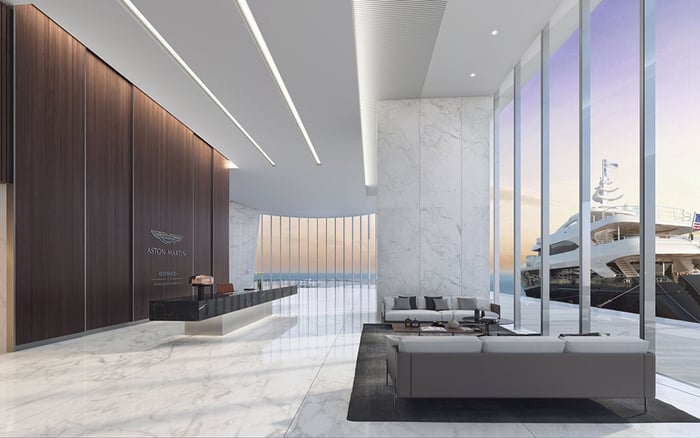
A buyer-focused comparison of Casa Bella by B&B Italia in Downtown Miami and Cipriani Residences Brickell, centered on boating logistics, bridge-clearance due diligence, and hurricane planning rather than unsupported marina claims.
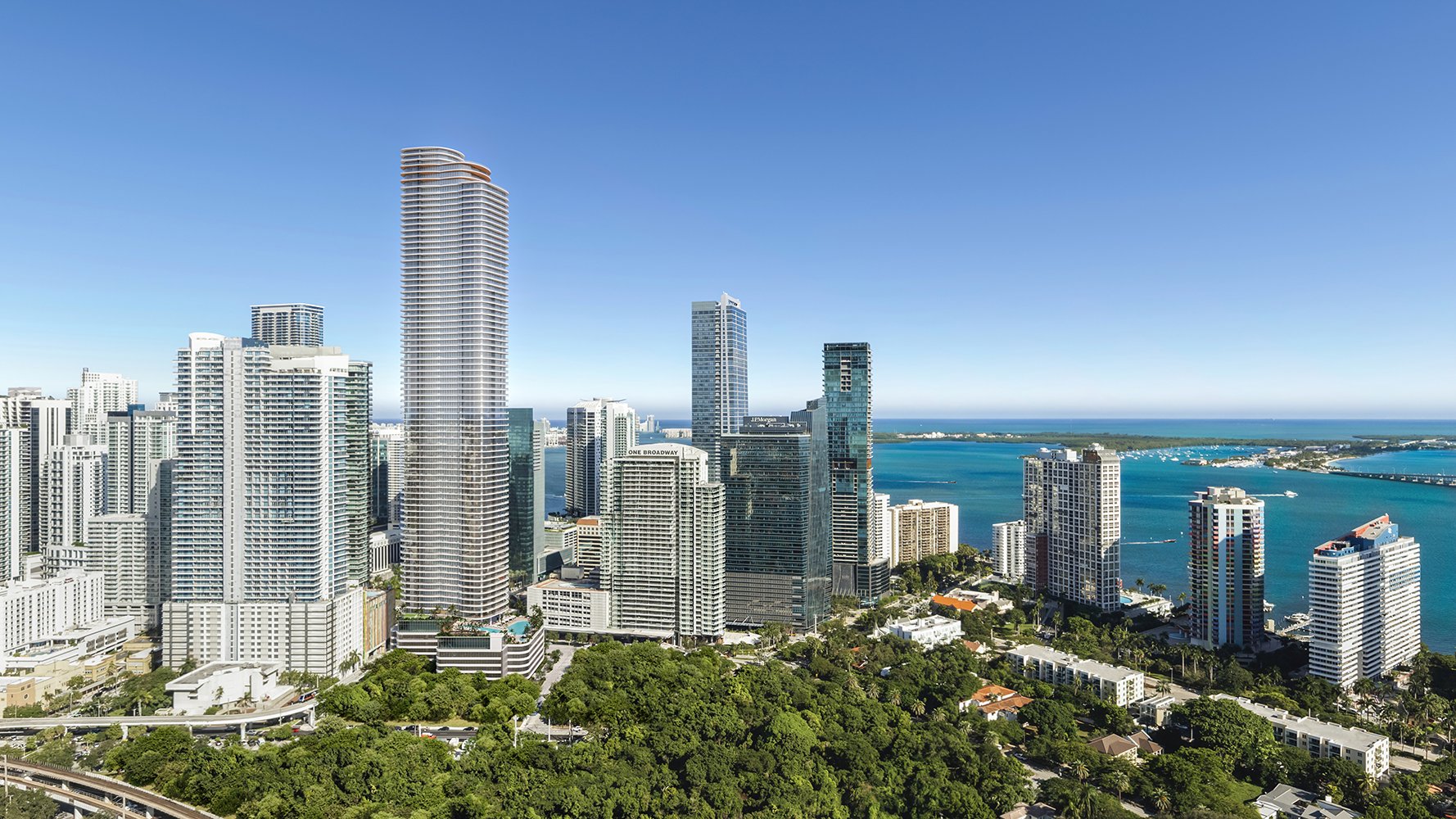
Casa Bella by B&B Italia Downtown Miami vs Cipriani Residences Brickell is not simply a comparison between two high-profile names. It is a more private question about how a buyer intends to live near the water, move through the city, and plan for South Florida’s seasonal realities.
At the naming level, Casa Bella by B&B Italia Downtown Miami carries a design-branded identity tied to B&B Italia. Cipriani Residences Brickell carries a hospitality-branded identity tied to Cipriani. Those signals matter, but for a sophisticated waterfront buyer, they are only the opening frame. The deeper issue is whether the daily experience feels frictionless after closing: how the car arrives, how the captain plans a route, how quickly one can reach open water, and how the household prepares when a storm track becomes relevant.
The quiet trade-off is not a proven numerical contest. It is a due-diligence framework. Casa Bella should be understood as the Downtown case study. Cipriani Residences Brickell should be understood as the Brickell case study. Each neighborhood carries a different rhythm, and each asks the buyer to examine boating convenience, bridge clearance, and hurricane planning with precision.
Downtown Miami is dense, civic, cultural, and increasingly residential. For Casa Bella by B&B Italia Downtown Miami, that context is central to the buyer’s interpretation. The appeal is not that every marine detail can be assumed. It is that Downtown offers a particular relationship to Biscayne Bay, the arts district, major venues, and the urban core.
For a boating family, Downtown can feel practical when the day is organized around city access first and marine access second. A buyer may want a residence that supports a design-forward urban life while still keeping the bay psychologically close. That is different from buying a residence solely because of a dock, a slip, or a marina affiliation.
This distinction matters. Statements about specific wet slips, yacht-club access, marina partnerships, podium elevations, or wind ratings should not be treated as settled without the relevant documents. A residence may be compelling without those details being assumed. In the Downtown context, the sharper question is whether the household’s actual boating pattern aligns with the neighborhood’s street network, nearby water access, and preferred captain or marina arrangements.
Brickell has a different energy. It is financial, vertical, polished, and social. Cipriani Residences Brickell sits in that buyer imagination as a Brickell-side study in hospitality branding and city convenience. For some owners, the expectation is a refined arrival, a sense of service, and proximity to restaurants, offices, and private social routines.
When the conversation turns to boating, however, Brickell should not be reduced to a postcard view. Buyers need to separate the allure of a waterfront-adjacent lifestyle from the specifics of vessel movement, docking, bridge clearance, and evacuation planning. Claims about channel depth, transient docking, public marina fees, or superyacht accommodation require direct confirmation before they become part of a purchase thesis.
That does not diminish Cipriani Residences Brickell. It sharpens the lens. A hospitality-branded residence can be deeply attractive to a buyer who wants service, discretion, and a cosmopolitan daily life. The boating question is whether that lifestyle also supports the buyer’s marine routine without hidden inconvenience.
The word marina can distort a luxury real estate decision if it is used too casually. A buyer may hear proximity to the water and mentally convert it into guaranteed docking, easy access, or an effortless captain’s plan. In a market as complex as Miami, those are separate issues.
For Casa Bella, the buyer should ask whether the Downtown location complements an existing boating plan. Does the owner already keep a vessel elsewhere? Will the captain retrieve the boat? Is the household focused on weekend bay cruising, dinner arrivals, fishing, or longer passages? Each use case produces a different answer.
For Cipriani, the same discipline applies. A Brickell address may offer an exceptionally convenient urban life, yet boating logistics depend on more than a view corridor or a brand name. The relevant questions involve access points, routes, storage, clearance, weather decisions, and the practical habits of the owner.
For some buyers, the boat-slip question is decisive. For others, it is secondary to architecture, service, and location. The mistake is treating it as an afterthought when the household’s lifestyle depends on the water.
Bridge clearance is often discussed only after a buyer has emotionally selected a residence. That is backwards. If a yacht, tender, center console, sailboat, or high-profile vessel is part of the lifestyle, clearance can shape everything from timing to route selection.
The right approach is simple but exacting. A buyer should have the vessel profile, preferred routes, tide considerations, and local operating assumptions reviewed before relying on any casual claim. In this comparison, no specific clearance figure should be assumed for either Casa Bella or Cipriani. The buyer’s due diligence should connect the residence, the vessel, the captain, and the route into one coherent plan.
This is where luxury becomes operational. A beautiful residence may still require a longer route, a different marina relationship, or a more careful departure window. That is not necessarily a flaw. It is part of understanding what the address truly offers.
South Florida buyers are accustomed to storm awareness, but new-construction enthusiasm can make the subject feel overly technical. It should not. Hurricane planning is part of the ownership experience, especially for buyers comparing Downtown and Brickell residences near the water.
For Casa Bella, buyers should review building documents, association protocols, insurance structure, management procedures, and emergency access planning before relying on any general statement about resilience. For Cipriani, the same standard applies. Specific flood elevations, podium heights, wind ratings, evacuation constraints, and building-performance claims need direct documentation.
The most sophisticated buyers do not ask only whether a building is impressive. They ask how it operates under pressure. Who communicates before a storm? What happens to vehicles? How are deliveries, staff access, pets, elevators, and post-storm reentry handled? The answers can influence comfort as much as finishes or views.
Casa Bella by B&B Italia Downtown Miami is likely to resonate with a buyer who values design identity, an urban cultural setting, and a Downtown base that can be coordinated with a separate boating strategy. It may suit someone who wants the water nearby but does not want the entire purchase decision to revolve around a promised marine amenity.
Cipriani Residences Brickell is likely to resonate with a buyer who places hospitality, service sensibility, and Brickell’s social and business geography near the center of daily life. It may suit someone who wants a polished city residence and is prepared to validate boating logistics separately.
Neither profile is inherently superior. The more meaningful distinction is behavioral. If boating is occasional and the city is daily, the calculus differs from that of a buyer whose week is organized around tides, tenders, and captain schedules. If storm planning is a family-office priority, documentation may carry more weight than branding.
The Casa Bella and Cipriani comparison is best understood as a study in what luxury buyers should not assume. Downtown and Brickell are both desirable, but they create different operating conditions. Design branding and hospitality branding both carry emotional force, but neither replaces marine diligence or hurricane planning.
For the right buyer, either residence may be compelling. The decision should be made with precision: confirm the building identity, understand the neighborhood, test the boating routine, review the storm protocols, and resist converting attractive language into technical certainty. In Miami, the best purchase is not always the one with the loudest promise. It is the one whose quiet details match the way the owner actually lives.
Is Casa Bella by B&B Italia Downtown Miami the Downtown property in this comparison? Yes. Casa Bella by B&B Italia Downtown Miami is treated here as the Downtown case study for urban location, boating logistics, and storm planning.
Is Cipriani Residences Brickell the Brickell property in this comparison? Yes. Cipriani Residences Brickell is treated as the Brickell-side case study for service-led city living and waterfront-adjacent logistics.
Does either residence have confirmed private boat slips in this article? No. Specific wet slips, transient docking, yacht-club access, or marina arrangements should be confirmed directly before purchase.
Should buyers assume a specific bridge clearance for either address? No. Bridge clearance should be reviewed with the buyer’s vessel profile, route, captain, and current navigational conditions.
Why does bridge clearance matter for luxury condo buyers? It can affect route choice, departure timing, vessel compatibility, and whether boating feels effortless or operationally complicated.
Does branding change the practical boating analysis? Not by itself. B&B Italia and Cipriani support different lifestyle impressions, but marine logistics require separate review.
What should buyers examine for hurricane planning? They should review building documents, management procedures, insurance structure, emergency communication, vehicle planning, and reentry protocols.
Is Downtown better than Brickell for boating convenience? Not universally. The better location depends on the buyer’s vessel, route, marina plan, captain habits, and daily city routine.
Can a buyer love the residence even if boating requires extra planning? Yes. Many buyers prioritize design, service, views, and location, then build a separate boating strategy around the address.
What is the best way to shortlist comparable options for touring? Start with location fit, delivery status, and daily lifestyle priorities, then compare stacks and elevations to validate views and privacy.
For a tailored shortlist and next-step guidance, connect with MILLION.
If branded residences are on your mind — as a home or as an allocation — we would be glad to share what we are seeing, privately.
Begin a quiet conversation