A discreet buyer-focused comparison of privacy expectations, security technology, and guest screening questions for evaluating The Ritz-Carlton Residences® Fort Lauderdale against Mr. C Tigertail Coconut Grove in 2026.
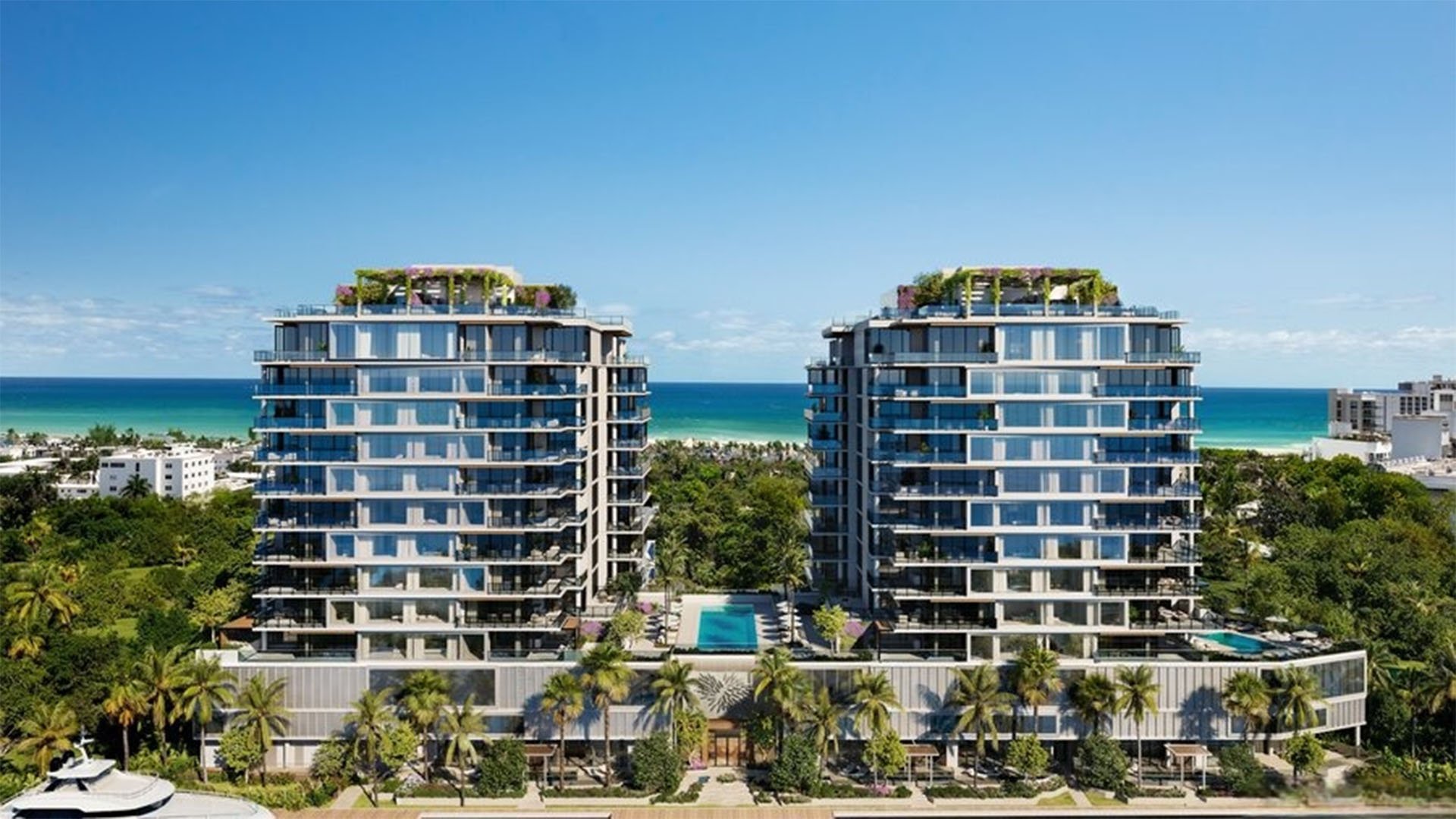
For South Florida’s ultra-premium buyer, privacy has become a daily operating standard, not a decorative amenity. The question is no longer simply whether a building has a desk, cameras, or a recognizable brand. The sharper test is how life actually feels when a guest arrives, a vendor is cleared, a car enters the property, or a resident returns after dinner.
That is the lens for this buyer test between The Ritz-Carlton Residences® Fort Lauderdale and Mr. C Tigertail Coconut Grove. One name carries the gravitational pull of a globally familiar luxury vocabulary. The other, Mr. C Tigertail Coconut Grove, is framed as a lower-public-profile, Grove-embedded branded residential option for buyers who want privacy through familiarity, controlled access, and a quieter neighborhood rhythm.
In 2026, sophisticated buyers will not be satisfied by a single word such as “secure.” They will ask how security is designed, how it is staffed, how guests are known, and whether the building’s social energy supports their preferred level of exposure.
A luxury brand can create comfort before a buyer ever enters the lobby. It suggests service culture, consistency, arrival choreography, and a shared understanding of discretion. Yet privacy is not guaranteed by brand power alone. A residence may feel private because it is large and professionally controlled, or because it is smaller, more predictable, and more resident-oriented.
Mr. C Tigertail Coconut Grove sits in the second conversation. Its appeal is less about being unseen inside a large hospitality ecosystem and more about the possibility of residential familiarity. For certain buyers, especially those who divide time between multiple homes, that can be highly attractive. A team that recognizes residents, regular guests, and household patterns may offer a more intuitive kind of privacy than a setting with heavier transient movement.
For the Fort Lauderdale side of the comparison, the prudent buyer should avoid assumptions and focus on direct verification. How are arrivals handled? Are residential and non-residential flows separated where relevant? What are the written guest procedures? How does the property distinguish a resident’s invited guest from a service provider, delivery, or outside appointment?
Guest screening is one of the most revealing areas of due diligence because it connects rules, staff training, building design, and resident culture. A polished lobby can still create friction if visitor protocols are vague. Conversely, a discreet building can feel exceptionally secure when every guest pathway is well understood.
The buyer should ask for the full sequence. Does the resident pre-authorize guests? Is identification requested? Are vendors handled differently from social visitors? Are elevators access-controlled by floor or zone? Is there a written policy for overnight guests, domestic staff, drivers, and recurring service providers? The goal is not to create an atmosphere of suspicion. The goal is to make privacy feel effortless.
This is where Mr. C Tigertail Coconut Grove’s positioning as a more controlled residential environment becomes relevant. A buyer who wants fewer unfamiliar faces, stronger resident recognition, and a more community-like atmosphere may find that model persuasive. A buyer who prefers the anonymity and scale sometimes associated with larger luxury settings may evaluate the Fort Lauderdale option differently.
Technology matters, but the most refined security systems are often the least theatrical. Cameras, controlled elevators, access credentials, license-plate procedures, package management, and visitor logs should work together quietly. The point is not to impress residents with hardware. The point is to reduce uncertainty.
In a 2026 purchase, buyers should ask whether systems are integrated or merely layered. A building can have multiple technologies without delivering a coherent privacy experience. Who monitors them? How are incidents escalated? How are guest records handled? How are residents informed without unnecessary exposure? These questions matter as much as the devices themselves.
For a privacy-conscious household, the best answer may vary by lifestyle. A high-profile owner may prefer more anonymity and a larger operating platform. A family may prefer a smaller circle of familiar staff and recurring neighbors. A frequent traveler may care most about vendor access, deliveries, and remote coordination. A buyer with household staff may focus on credentials, back-of-house circulation, and repeat access rules.
Coconut Grove has long appealed to buyers who value shade, texture, and a subtler form of status. In that context, Mr. C Tigertail Coconut Grove reads as a branded residential option for those who want the service language of luxury without a loud public posture. Its privacy appeal depends on a buyer preferring a smaller, more community-like environment over the relative anonymity of a larger hospitality setting.
That distinction is important. Privacy is not the same as isolation. Many sophisticated buyers want to be known by the right people and unknown by everyone else. They want a building team that recognizes their children, their driver, their recurring guests, and their preferred rhythm. They want a lobby that feels composed rather than performative.
The shorthand is clear: Fort Lauderdale for waterfront urban convenience, Coconut Grove for canopy and neighborhood rhythm, boutique for fewer unfamiliar faces, gated community for perimeter comfort, new construction for contemporary systems, and Mr. C Tigertail Coconut Grove for a Grove-embedded branded residence.
Because the privacy conversation around The Ritz-Carlton Residences® Fort Lauderdale should be grounded in verified building practices, buyers should make the showing and document review unusually practical. A tour should include arrival, parking, lobby, elevator, package, service, and guest pathways, not only amenity spaces and views.
Ask to understand how residents enter compared with visitors. Ask how staff members communicate when a guest arrives. Ask whether events, deliveries, rideshare vehicles, and outside service providers share the same approach. Ask what happens after hours. Ask how exceptions are handled, because exceptions often reveal the real operating culture of a property.
A branded residence can be excellent for buyers who value formal service, polished hospitality cues, and the confidence that comes with a recognized name. But even at the highest level, the practical privacy experience is built from policies, staffing, architecture, and resident behavior.
The most useful comparison is not which name sounds more private. It is which environment fits the buyer’s household pattern.
Choose the Grove-embedded model if you prefer a more intimate residential setting, controlled access, and the comfort of familiar faces. Mr. C Tigertail Coconut Grove belongs in that conversation because its appeal is tied to a quieter profile and a more community-like sense of control.
Lean toward the Fort Lauderdale branded-residence path if your priority is broader brand familiarity, a coastal urban setting, and the possibility of a more expansive service environment, subject to direct review of guest protocols and building operations.
Either way, privacy should be tested, not assumed. Walk the arrivals. Study the rules. Ask about the awkward moments. The best residence is the one where discretion is not a performance, but a habit.
Is Mr. C Tigertail Coconut Grove positioned as a privacy-conscious option? Yes. It is framed as a Coconut Grove branded residential option for buyers who value controlled access and a quieter profile.
Does Mr. C Tigertail Coconut Grove feel more residential than hotel-oriented? Its positioning emphasizes controlled residential access and resident familiarity rather than hotel-style transient traffic.
Can this article confirm specific security technology at The Ritz-Carlton Residences® Fort Lauderdale? No. Buyers should verify security systems, guest procedures, and access design directly during purchase due diligence.
What is the first guest-screening question a buyer should ask? Ask how a visitor is approved, identified, received, and guided from arrival to the residence.
Is a larger branded residence always less private? Not necessarily. Scale can support professional staffing, but the privacy experience depends on design, policy, and resident flow.
Why does resident familiarity matter? Familiar staff and predictable neighbors can reduce uncertainty, especially for families, frequent travelers, and high-profile owners.
Should buyers prioritize technology or staffing? They should evaluate both together. Technology is most effective when supported by trained staff and clear escalation procedures.
What makes Coconut Grove relevant to this comparison? Coconut Grove offers a more neighborhood-driven luxury rhythm, which can appeal to buyers seeking discretion over spectacle.
Is guest screening only about security? No. It also affects convenience, household privacy, vendor coordination, and the tone of everyday living.
How should a buyer decide between these two privacy profiles? Match the building’s operating culture to your household routine, guest patterns, travel schedule, and appetite for visibility.
When you're ready to tour or underwrite the options, connect with MILLION.
If branded residences are on your mind — as a home or as an allocation — we would be glad to share what we are seeing, privately.
Begin a quiet conversation