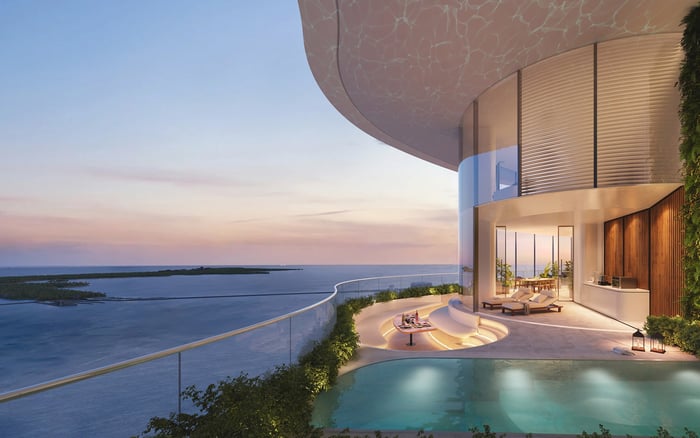
A refined buyer’s guide to evaluating restaurant noise, terrace usability, and daily livability when choosing a Miami condo, especially in dining-driven neighborhoods such as Brickell.

In a Miami condo search, the view is often the first seduction. Water, city lights, treetops, and sunset exposure can create an immediate emotional pull. Yet seasoned buyers understand that a residence is not lived in as a photograph. It is lived in at breakfast, during work calls, after dinner, on quiet Sunday mornings, and through the hours when nearby restaurants shift from polished hospitality to late-evening energy.
That is why restaurant noise can become more important than the view. A dazzling outlook may impress during a showing, but if the primary bedroom hears clearing plates, valet activity, music, delivery doors, or sidewalk conversation night after night, the panorama changes in value. Luxury buyers are not simply purchasing scenery. They are purchasing control, privacy, rest, and the ability to open a door without bringing the neighborhood into the living room.
This is especially relevant in dining-rich areas where convenience is part of the appeal. The same restaurant that makes a building feel cosmopolitan can alter the character of a home depending on stack, elevation, glazing, exposure, and the placement of outdoor areas. The objective is not to avoid energy altogether. It is to understand whether that energy belongs in your life, your schedule, and your rooms.
Views are visual, but noise is physical. It interrupts concentration, changes sleep, and determines how often a terrace is actually used. A buyer may admire a water view for ten minutes, yet feel restaurant sound for hours. This is why a quieter residence with a less dramatic outlook can sometimes deliver a more luxurious daily experience than a louder unit with a more cinematic frame.
Restaurant noise is also irregular. Traffic often creates a more predictable background, while dining venues produce pulses. There may be a soft lunch period, a lively dinner service, a late closing rhythm, then another round of activity as staff reset the space. A single visit at the wrong hour may understate the issue. A buyer who tours only in the afternoon may miss the home’s true acoustic profile.
In Brickell, the calculus is often more nuanced because the neighborhood’s appeal is tied to walkability, dining access, and urban pace. Bars, restaurants, and hotel lounges can be part of the lifestyle proposition. The question is whether the residence offers separation when desired. A successful purchase balances proximity with retreat, allowing a buyer to enjoy the district without surrendering the private atmosphere expected at the upper end of the market.
A view premium can be rational when it enhances both beauty and livability. It becomes more complicated when the view comes with acoustic tradeoffs. A direct line over an active restaurant corridor may create visual excitement and sound exposure at the same time. A side exposure, a higher stack, or a less obvious orientation may feel calmer even if the view is less iconic.
Buyers should also separate daytime beauty from nighttime behavior. A terrace that feels serene at noon may become less appealing when dinner service begins below. Balcony doors that seem well sealed during a quiet showing may perform differently when music, voices, and service operations peak. Terrace depth, parapet design, and the relationship between outdoor space and primary rooms can all influence how sound is perceived.
Waterview value is strongest when it supports the way a buyer actually lives. If the owner rarely sits outside because sound from nearby venues dominates the experience, the view becomes more ornamental than functional. Conversely, a modest city or garden outlook paired with a quiet bedroom and usable outdoor space may feel more refined over time. In luxury real estate, restraint often outperforms spectacle.
A polished showing cannot answer every acoustic question. Buyers should experience the residence during the hours they are most likely to be home. If dinners out are frequent and late nights are rare, tolerance may be different than it is for a buyer who works from home, hosts quietly, or prioritizes early mornings. The correct standard is personal, not universal.
The most useful test is to stand in silence. Pause in the living room, primary suite, kitchen, and outdoor areas without conversation or music. Open and close doors. Notice whether sound arrives as a low background hum or as identifiable voices and rhythms. Identifiable sound is often more distracting because the mind follows it.
Floor plan matters as much as elevation. A primary bedroom facing an active restaurant edge may be more consequential than a living room with the same exposure. A den used for calls can be just as sensitive. Balcony, terrace, pool, bars, waterview, and Brickell may all appear as shorthand in a search brief, but the real decision is how those features behave together once the building is occupied and the neighborhood is awake.
There is no single rule that a quiet condo is better than a view condo. The best choice depends on the buyer’s habits, sound sensitivity, and intended use. A seasonal owner who visits for social weekends may welcome the ambience of nearby dining. A full-time resident may place a higher value on acoustic calm, especially in bedrooms and work areas. An investor may consider how broadly the residence will appeal to future occupants with different routines.
The strongest condo decisions begin by ranking daily comforts before aesthetic preferences. Start with sleep, privacy, outdoor usability, and the ability to work or read without interruption. Then weigh the view. When a residence satisfies both, it is exceptional. When it does not, the quieter option may be the more sophisticated purchase.
For many Miami buyers, the real luxury is not isolation. It is choice. The ability to walk to dinner, return home, close the door, and feel the city recede is a rare quality. That separation can matter more than a perfect postcard view because it protects the experience of home.
Why would a buyer choose quiet over a better view? Quiet affects sleep, work, and daily comfort, while a view is primarily visual. If sound compromises the home, the view may lose practical value.
Is restaurant noise always a problem near luxury condos? No. It depends on orientation, height, glazing, floor plan, operating hours, and the buyer’s personal tolerance.
When should I tour a condo to assess noise? Evening and late-evening visits are often more revealing than daytime showings. Buyers should test the residence when nearby dining activity is likely to be strongest.
Can high floors still hear restaurant noise? They can, depending on how sound travels and reflects between buildings. Height helps in many cases, but it is not a complete acoustic guarantee.
Which rooms matter most for noise testing? The primary bedroom, work areas, and outdoor living spaces are the most important. These are the places where unwanted sound tends to feel most intrusive.
Does better glass solve restaurant noise? Quality glazing can help, but it does not address every condition. Open doors, terraces, vents, and room orientation can still shape the experience.
Should investors care about restaurant noise? Yes. A residence with better acoustic comfort may appeal to a broader range of future buyers or tenants.
Is a lively street ever an advantage? Yes, when the buyer values walkability and atmosphere. The key is ensuring the unit itself still feels private and restful.
How should I compare two similar condos? Compare them at the same time of day and in similar conditions. A slightly lesser view may be preferable if it delivers a calmer living experience.
What is the most important takeaway for Miami buyers? Treat sound as a core luxury feature, not a secondary detail. The best residence is the one that looks beautiful and lives beautifully.
For a discreet conversation and a curated building-by-building shortlist, connect with MILLION.
If branded residences are on your mind — as a home or as an allocation — we would be glad to share what we are seeing, privately.
Begin a quiet conversation