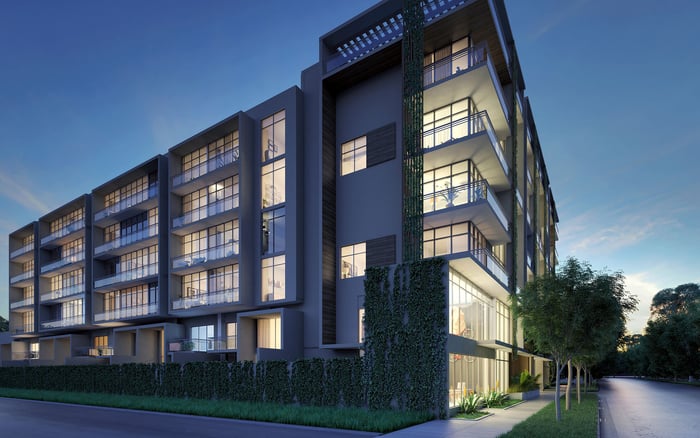
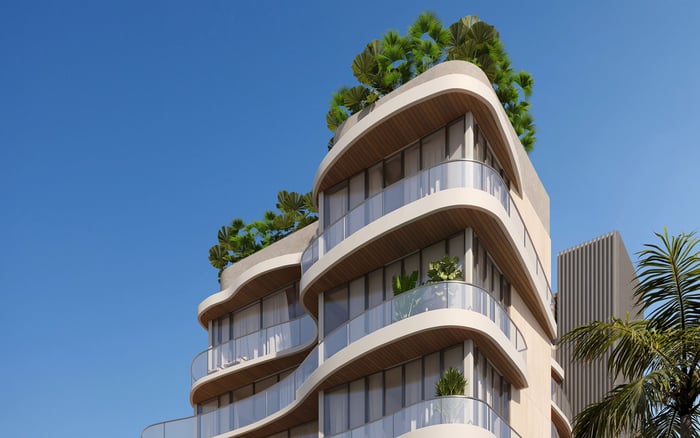
A discreet buyer-focused comparison of Arbor Coconut Grove and Mr. C Tigertail Coconut Grove, with emphasis on how to evaluate waterfront-view potential, amenity value, and lifestyle tradeoffs without relying on assumptions.
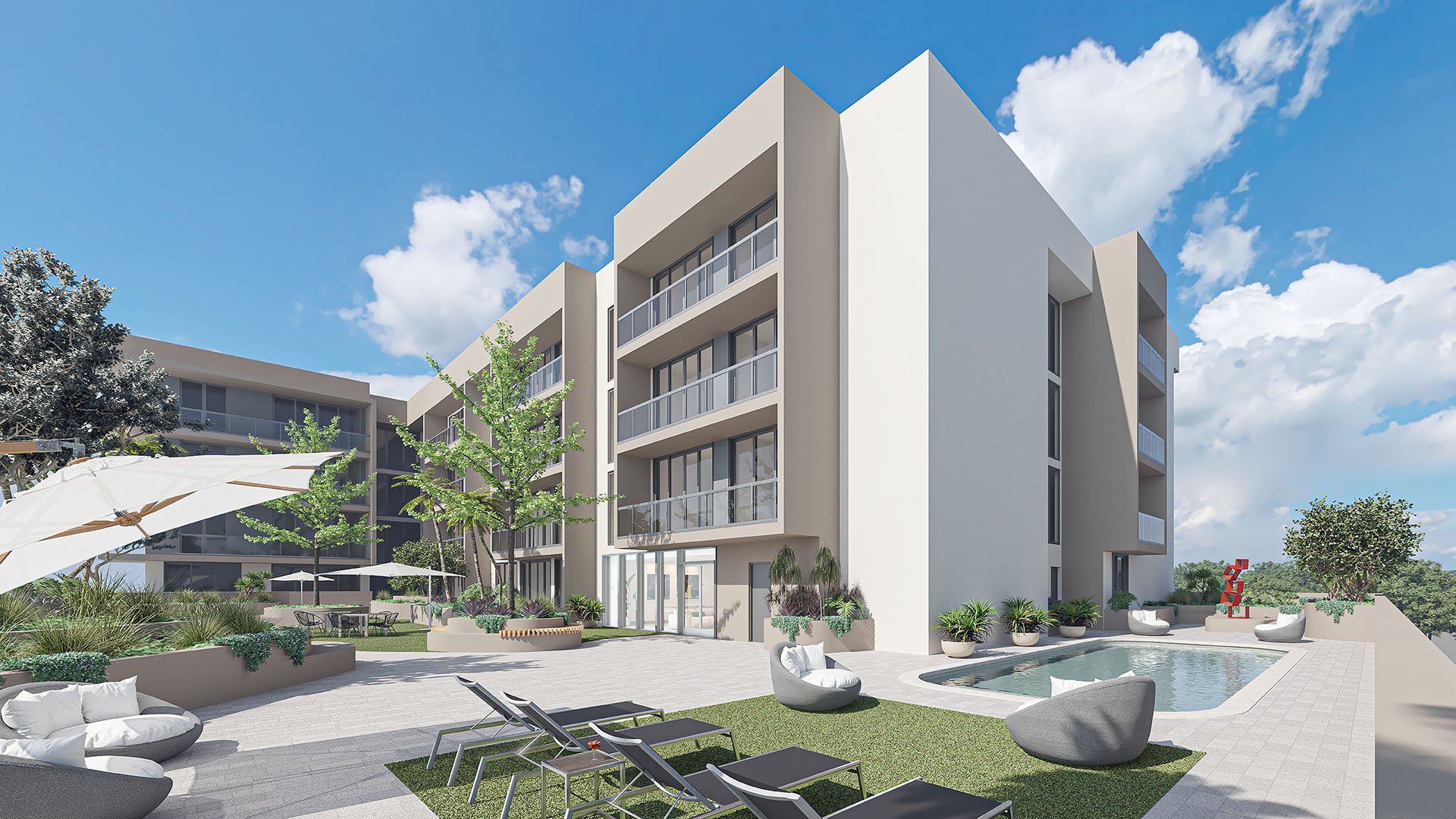
Arbor Coconut Grove and Mr. C Tigertail Coconut Grove sit within the kind of conversation that defines serious Coconut Grove buying: not simply which address feels more appealing, but which residence can be understood, verified, and owned with confidence. The comparison naturally turns on waterfront views, amenities, and buyer tradeoffs. For a luxury purchaser, however, those categories should be treated as due-diligence disciplines, not marketing impressions.
That distinction matters. A residence may participate in the broader language of coastal living without every home offering the same view condition, privacy level, outdoor usability, or amenity access. In the Grove, where buyers often bring strong expectations around serenity, greenery, water orientation, and architectural intimacy, the best decision is rarely the loudest one. It is the one supported by documents, floor-by-floor understanding, and a calm assessment of how the home will perform on an ordinary Tuesday.
For Arbor Coconut Grove and Mr. C Tigertail Coconut Grove, buyers should begin with a simple premise: each project deserves project-specific verification before any conclusion is made about views, amenities, pricing logic, carrying costs, or floor-plan superiority. That is not a conservative posture. It is the luxury posture.
Waterfront-view value is one of the most emotional premiums in South Florida real estate. It is also one of the easiest to overgeneralize. The more refined approach is to separate the presence of a waterfront narrative from the actual experience of a particular residence.
A buyer comparing Arbor Coconut Grove with Mr. C Tigertail Coconut Grove should ask how the view is framed from primary rooms, whether the outlook is direct or partial, how it changes from seated positions, and whether outdoor space genuinely extends the interior experience. A balcony that photographs beautifully may be less useful if its proportions, exposure, or privacy do not support daily living. Conversely, a more restrained view may feel more elegant if it is composed through well-scaled rooms and protected from visual clutter.
Waterview expectations should also be tested at different times of day. Morning light, afternoon glare, neighboring activity, and nighttime reflections can materially change the character of a residence. The same discipline applies to floor height. Higher is not automatically better, and lower is not automatically inferior. The right answer depends on what the buyer values: distance, immediacy, privacy, tree canopy, outdoor intimacy, or a more cinematic horizon.
In this comparison, the key is not to assume that either building delivers one uniform view experience. The key is to examine the specific residence under consideration and price the premium only after the sight line has been personally understood.
Amenities should not be evaluated as a checklist. At the upper end of the market, the more important question is whether the amenity program aligns with the buyer’s rhythm. A pool, wellness space, lounge, arrival sequence, or private service has value only when it is accessible, well managed, and compatible with how the owner intends to live.
When comparing Arbor Coconut Grove and Mr. C Tigertail Coconut Grove, buyers should clarify which amenities are formally disclosed, how they are operated, whether access is private or shared, and what rules govern guests, reservations, pets, events, and deliveries. A highly polished amenity can be less compelling if it is difficult to use spontaneously. A quieter amenity set can be more desirable if it preserves privacy and keeps operating complexity low.
Boutique appeal, when present, often rests on discretion rather than volume. Larger amenity statements can create energy and convenience, but they can also introduce traffic, scheduling, and management considerations. Smaller amenity environments may feel more residential, but buyers should still test whether the offering is sufficient for their expectations around fitness, leisure, entertaining, and service.
The amenity discussion also belongs in the financial review. Carrying costs, reserve planning, staffing, maintenance standards, and long-term capital needs can shape the real value of an amenity package. A beautiful space is only as strong as the governance and funding behind it.
The most useful comparison is not a declaration that one project is universally better. It is a recognition that different buyers optimize for different outcomes. One buyer may prioritize a quieter residential feel. Another may prefer a more social arrival experience. One may want a second-home lock-and-leave rhythm. Another may be focused on year-round living with storage, parking, pet comfort, and service reliability.
New-construction buyers should be especially attentive to the gap between presentation and lived experience. Renderings, model finishes, and early narratives can help frame the opportunity, but they should not replace contract review, building documents, delivery expectations, and a careful understanding of what is included. If the purchase is for long-term use, the decision should be made with furniture placement, closet capacity, kitchen utility, acoustic comfort, and elevator convenience in mind. If the purchase is partly investment-oriented, rental rules, resale depth, and buyer demand within the submarket become essential.
Coconut Grove buyers often value atmosphere as much as specification. That makes emotional fit important, but emotion should be disciplined. The right residence should feel special without asking the buyer to ignore practical constraints. It should support arrival, daily routine, entertaining, quiet recovery, and eventual resale with equal composure.
A strong private tour should move beyond first impression. Begin with arrival: entry sequence, privacy, parking logic, elevator experience, and the transition from public to private space. Then move into the residence as an owner would. Where are keys dropped? How does the kitchen work during a casual dinner? Where does luggage go after travel? Can guests circulate without interrupting private rooms?
For view-oriented homes, pause in every major room. Stand, sit, and look from the likely furniture positions. Step onto outdoor spaces and test proportion, sound, shade, and privacy. Ask whether the exterior space is truly part of the home or simply an architectural gesture.
For amenities, ask to see the spaces as they would be used. Understand hours, access, staffing, and policies. If a service sounds important, define it. If a feature sounds rare, verify its practical availability. Luxury buyers are not buying adjectives. They are buying performance.
Arbor Coconut Grove and Mr. C Tigertail Coconut Grove should be compared through a lens of specificity. The deciding factors are not broad labels but residence-level realities: the actual view, disclosed amenity access, documents, operating structure, floor plan, and the buyer’s intended use.
For some purchasers, the more compelling choice will be the home that feels quieter, more private, and easier to own. For others, it may be the residence that offers a more distinctive lifestyle posture. In either case, the best decision is grounded in verification and personal rhythm rather than assumption.
The Grove rewards buyers who understand nuance. In this segment, restraint is not indecision. It is how sophisticated capital protects itself while still leaving room for beauty.
Are Arbor Coconut Grove and Mr. C Tigertail Coconut Grove directly comparable? They can be compared as Coconut Grove residential options, but the strongest analysis should be residence-specific rather than based on broad project assumptions.
Should buyers assume every residence has a waterfront view? No. View value should be verified from the specific residence, including primary rooms, outdoor areas, and seated sight lines.
What is the most important waterfront-view question? Ask whether the view meaningfully improves daily living, not just whether it appears attractive in marketing or photography.
How should amenities be evaluated? Buyers should review what is formally disclosed, how access works, and whether the amenity program fits their actual routine.
Do more amenities always mean a better purchase? Not necessarily. A smaller, quieter amenity environment may suit some buyers better than a larger program with more activity.
What documents should a buyer review before deciding? Buyers should review the relevant project documents, rules, operating details, and any materials that define ownership obligations.
Is floor height always the key to better value? No. Floor height matters, but privacy, light, layout, sound, and the exact view composition can matter just as much.
Can emotional appeal be part of the decision? Yes, but it should be balanced with practical checks on layout, carrying costs, amenities, and long-term resale logic.
What should second-home buyers prioritize? They should focus on lock-and-leave ease, service reliability, access rules, maintenance obligations, and comfort during short stays.
What is the best way to shortlist comparable options for touring? Start with location fit, delivery status, and daily lifestyle priorities, then compare stacks and elevations to validate views and privacy.
To compare the best-fit options with clarity, connect with MILLION.
If branded residences are on your mind — as a home or as an allocation — we would be glad to share what we are seeing, privately.
Begin a quiet conversation