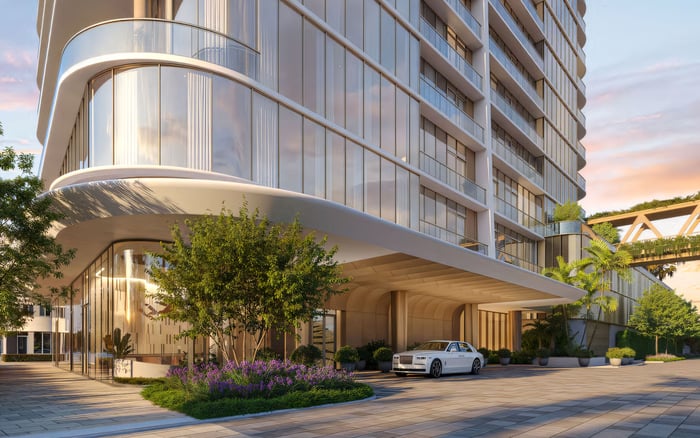
A practical buyer’s guide to warranty response at The Residences at Mandarin Oriental, Miami, focused on service pathways, accountability, documentation, and post-closing protection in a branded luxury condominium setting.
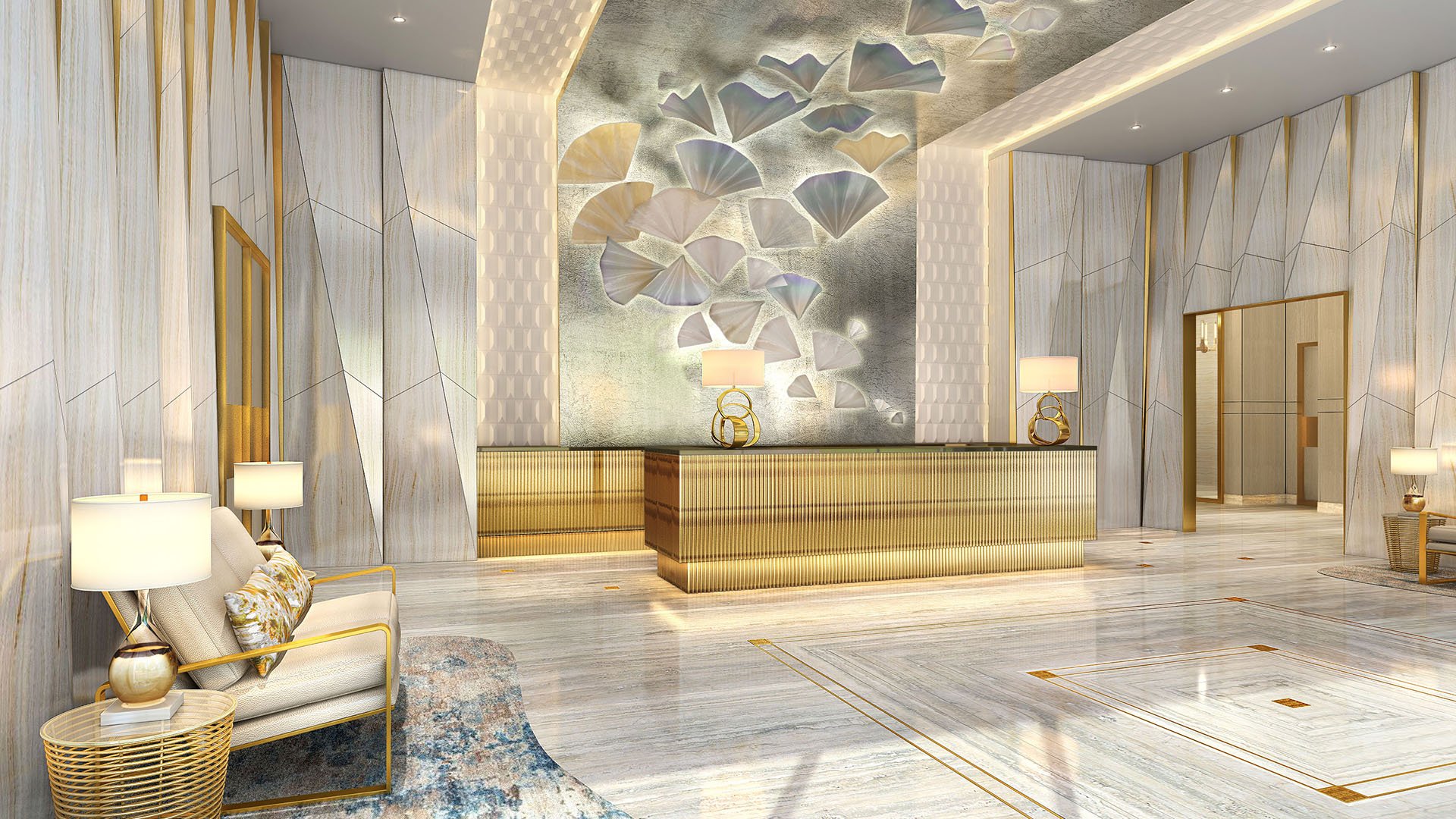
At The Residences at Mandarin Oriental, Miami, the promise of a branded residential experience naturally elevates expectations. Buyers associate Mandarin Oriental with refinement, discretion, and a deeply developed service culture. Yet in a luxury condominium, the critical warranty question is not simply whether service will feel polished. It is whether the process for defects, repairs, escalation, and payment is clearly defined before ownership begins.
Warranty response belongs in the purchase conversation, not as an afterthought after move-in. In a high-rise residence, even modest unresolved items can affect daily livability, association operations, resale perception, and an owner’s confidence in the building. New-construction buyers often focus on views, finishes, amenities, and brand prestige. The more disciplined question is what happens when something does not perform as expected after closing.
That distinction is especially important in a branded residence. Hospitality culture can shape communication and the owner experience, but it does not automatically make the hotel brand responsible for diagnosing construction defects or funding remediation. A careful buyer should separate the tone of service from the legal and operational responsibility behind the response.
The cleanest warranty systems begin with a defined point of entry. Buyers should ask whether warranty claims are submitted to the developer, the condominium association, building management, a hotel-branded service desk, or a third-party warranty administrator. The answer matters because a concierge-style interaction is not the same as an authorized warranty decision.
A polished front desk may receive a service request, while another party diagnoses the issue, approves a contractor, schedules access, determines coverage, or denies payment. Before closing, buyers should understand each step: who logs the request, who inspects the condition, who decides whether it is covered, who communicates timing, and who pays for covered work.
For a Brickell buyer accustomed to premium service environments, this may sound procedural. In practice, it is one of the clearest indicators of long-term satisfaction. A beautiful residence can feel less effortless if every repair question requires owner follow-up, unclear approvals, or repeated explanations to different parties.
In luxury sales environments, buyers may hear reassuring descriptions of responsiveness. The due-diligence question is whether response-time standards are actually written into purchase documents, association documents, warranty manuals, or service protocols. If timing is described only in a presentation, it may be difficult to rely on after closing.
Buyers should ask for the warranty manual when available, along with the punch-list process, service-request protocol, escalation contacts, and dispute-resolution provisions. These documents can reveal whether the building has a structured system or merely an expectation of responsiveness. The difference is meaningful.
A written process should identify how urgent conditions are handled, how routine items are scheduled, what documentation an owner must provide, and how repeated or unresolved issues move up the chain. For any Top Project in a luxury buyer’s shortlist, elegance should be matched by operational clarity.
One of the most practical warranty questions is also one of the least glamorous: what category does the issue fall into? Buyers should ask for clear distinctions among unit-level defects, common-element issues, limited-common-element issues, and hotel or shared-facility issues.
A unit-level item may involve finishes, fixtures, appliance interfaces, interior systems, or conditions within the residence. A common-element issue may involve building-wide components. Limited common elements can create gray areas because they may serve one residence while still falling within association responsibility. Shared facilities can add another layer, particularly where residential and hospitality operations intersect.
These distinctions influence who investigates, who approves work, who bears the cost, and how quickly the matter can be addressed. They also shape owner expectations. A buyer may view a condition as private and straightforward, while management may view it as connected to a larger building system.
The most consequential warranty topics in a luxury high-rise are often the ones buyers cannot fully evaluate during a presentation. Water intrusion, window systems, HVAC performance, elevator reliability, and building-wide mechanical systems should be discussed before closing. These categories can affect comfort, operations, insurance conversations, association budgets, and the way future purchasers perceive the asset.
Water intrusion deserves particular attention because it may involve the unit, façade, glazing, terrace conditions, or common elements. Window systems and HVAC performance can also raise overlapping responsibility questions, especially when the symptom appears inside a residence but the source may be building-wide.
Elevator reliability and central mechanical systems are equally important because they shape the daily experience of every owner. In a luxury tower, a slow or unclear repair protocol can become as visible as the defect itself. The buyer’s goal is not to assume problems will occur, but to understand how the building will respond if they do.
The Mandarin Oriental association is central to buyer expectations at The Residences at Mandarin Oriental, Miami. It is reasonable for purchasers to ask how brand standards apply across the ownership experience. The key is to distinguish lifestyle and hospitality standards from construction-quality oversight and post-closing warranty obligations.
Buyers should ask whether Mandarin Oriental has a role in construction-quality oversight, owner communications, contractor coordination, warranty-response metrics, or follow-up after repairs. If the brand’s role is focused on hospitality services, that should be understood clearly. If brand standards influence response expectations, buyers should ask where that is written and how it is enforced.
This is not skepticism. It is precision. The strongest branded-residence ownership experience is often the one where every party’s role is transparent. The owner should know when they are interacting with hospitality service, building management, the association, the developer, or a warranty administrator.
Warranty questions do not end at closing. Buyers should ask how unresolved items are tracked after turnover to the condominium association and whether the association receives engineering reports, as-built records, and contractor warranties. These materials can become important if an issue emerges later or if a pattern develops across multiple residences.
A strong record trail protects more than an individual owner. It helps the association understand building systems, manage vendors, and preserve institutional memory as control transitions. For investment-minded buyers, this documentation is part of asset stewardship. It can influence operating discipline, future repair planning, and resale confidence.
Pre-construction purchasers should be especially deliberate because many details are still evolving as the project advances. The right questions can be asked early without sounding adversarial: what will be delivered to owners, what will be delivered to the association, and how will open items be tracked until resolution?
Before signing or closing, buyers should request clarity on five practical points. First, identify the intake channel for warranty requests. Second, identify the decision-maker for coverage. Third, understand the documentation required from the owner. Fourth, confirm escalation contacts if an item is delayed or disputed. Fifth, ask how completed repairs are documented.
Buyers should also ask whether the process changes after turnover to the association. A developer-controlled period may operate differently from a resident-controlled association period. If the warranty administrator changes, or if building management becomes the primary interface, owners should know that in advance.
The most valuable answer is not always the fastest promised timeline. It is a transparent, written protocol that treats owners consistently and records the outcome. In the ultra-luxury segment, discretion is important, but accountability is essential.
Why should warranty response be discussed before closing? Because defect handling can affect livability, operating costs, and resale perception. The process is easier to evaluate before the owner depends on it.
Does a Mandarin Oriental association mean the brand pays for repairs? Not necessarily. Buyers should separate hospitality service standards from construction-warranty obligations and ask who is responsible in writing.
Who should receive a warranty request? Buyers should ask whether requests go to the developer, association, building management, a branded service desk, or a third-party warranty administrator.
What documents should a buyer request? Ask for the warranty manual, punch-list process, service-request protocol, escalation contacts, and dispute-resolution provisions when available.
Are verbal response-time promises enough? Written standards are stronger. Buyers should confirm whether timelines appear in purchase documents, association documents, or warranty materials.
Which building systems deserve special attention? Ask about water intrusion, window systems, HVAC performance, elevator reliability, and building-wide mechanical systems.
Why do unit and common-element distinctions matter? They determine who investigates, authorizes repairs, pays for covered work, and communicates with the owner.
What should buyers ask about turnover to the association? Ask how open issues are tracked and whether the association receives engineering reports, as-built records, and contractor warranties.
Can warranty response affect resale value? Yes. Prompt, documented response can support buyer confidence and protect the long-term perception of a luxury condominium.
Is this legal advice? No. Buyers should use these questions for practical due diligence and consult qualified counsel for contract-specific guidance.
When you're ready to tour or underwrite the options, connect with MILLION.
If branded residences are on your mind — as a home or as an allocation — we would be glad to share what we are seeing, privately.
Begin a quiet conversation