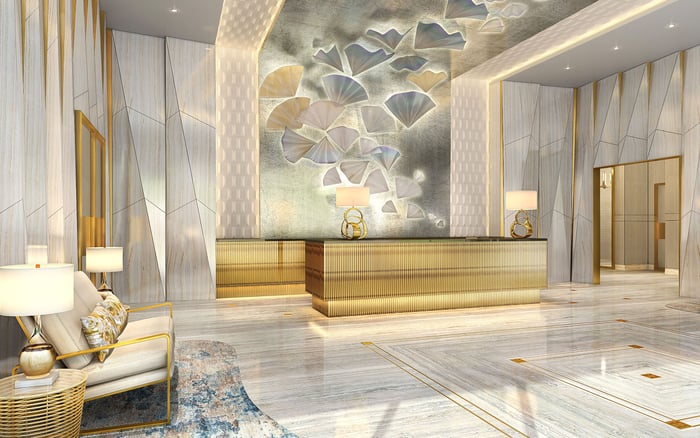
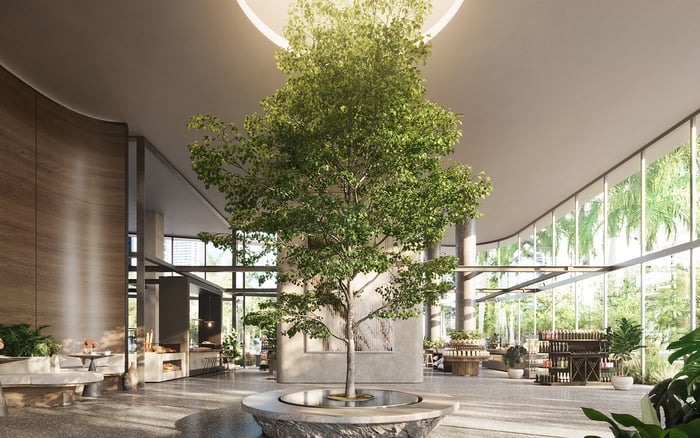
A luxury buyer’s framework for comparing Kempinski Residences Miami Design District with The Residences at Mandarin Oriental, Miami through service culture, elevator privacy, owner-only amenities, and practical due diligence.
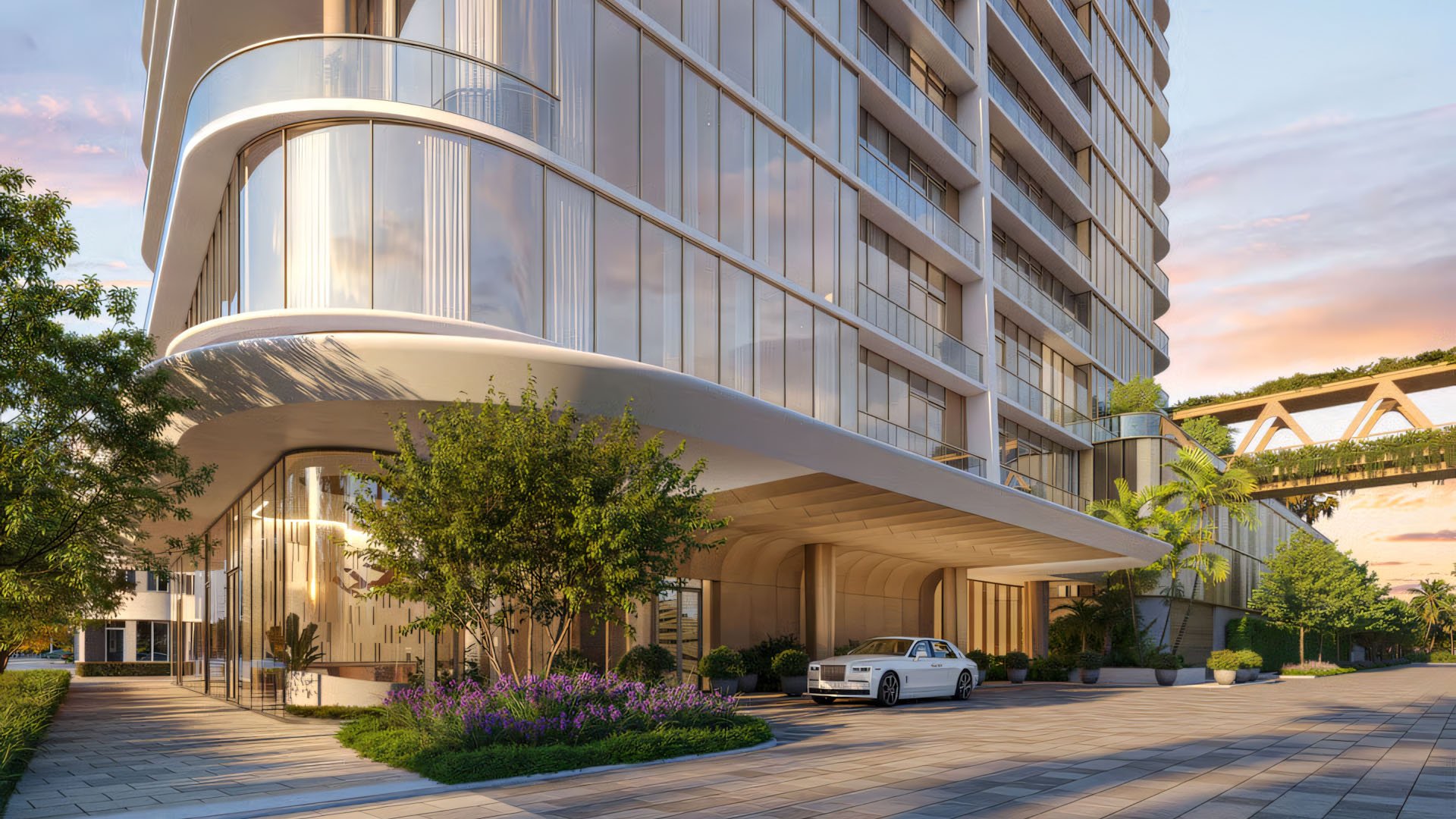
For the ultra-prime buyer comparing Kempinski Residences Miami Design District with The Residences at Mandarin Oriental, Miami, the sharper question is not which brand carries greater recognition. It is which operating culture will feel more intuitive after closing, after the first season, and after the first hundred arrivals home.
Both names sit within the broader language of hospitality-branded luxury, but the decision should be made through three practical filters: service depth, elevator privacy, and owner-only amenities. These are not decorative features. They shape how a residence functions when owners are in town, when guests arrive, when staff coordinate daily routines, and when privacy matters more than display.
The Residences at Mandarin Oriental, Miami has the clearer public positioning in this comparison as a hospitality-branded luxury residence in Miami. It is also the stronger fit for buyers who value global hotel-brand consistency, predictable protocols, and a more standardized service environment. Kempinski Residences Miami Design District may appeal to buyers seeking a more personalized, neighborhood-aware rhythm, but project-specific details should be reviewed carefully through formal materials before relying on that distinction.
Service depth is often misunderstood as the number of amenities or the volume of staff. In practice, it is the quality of anticipation. The best residences understand whether the owner wants a high-touch welcome or a silent return, whether family logistics matter more than event programming, and whether housekeeping, dining, wellness, and transportation should feel choreographed or invisible.
The Mandarin Oriental proposition is strongest for buyers who prefer recognizable hospitality standards. That means the comfort of brand-protocol-driven delivery, with expectations shaped by a global luxury hotel culture. For owners who divide time among multiple cities, that consistency can be more valuable than novelty. They want the residence to feel legible from the first week, with fewer explanations required.
Kempinski, by contrast, is best evaluated as a potential fit for buyers who want more bespoke lifestyle curation, particularly if the Miami Design District setting is central to how they intend to live. That could mean greater emphasis on art, fashion, dining, and neighborhood routines, provided the final operating program supports that experience. The important distinction is that buyers should not accept broad service language at face value. They should ask who operates the service, how requests are prioritized, what is included in ownership costs, and how residential needs are separated from any broader hospitality rhythm.
In South Florida terms, this is a new-construction and pre-construction conversation where lifestyle promises must be translated into daily operations. A top project is not merely the one with the most polished renderings. It is the one whose service model matches the owner’s temperament.
Elevator privacy is one of the quietest forms of luxury because it removes friction without asking to be noticed. It affects how owners arrive, how guests are received, how staff circulate, and how often a resident must share intimate transitional spaces with strangers.
The Residences at Mandarin Oriental, Miami is positioned with elevator privacy as a key differentiator. For buyers who value architectural privacy, this matters. The premium experience is not limited to the residence itself. It begins at arrival, continues through the vertical journey, and extends to the threshold of the home. A private or more controlled elevator experience can make a large building feel calmer, more residential, and more secure.
That said, elevator claims deserve exact review. Buyers should confirm whether privacy means private elevators, semi-private access, controlled destination dispatch, dedicated resident banks, separate service circulation, or a combination of these. Each version creates a different lived experience. A building may read as private in marketing language yet operate differently during peak arrival windows, events, deliveries, or seasonal occupancy.
This is where Mandarin Oriental’s appeal becomes especially clear for privacy-led buyers. If architectural separation and predictable circulation are central to the purchase, Mandarin Oriental is likely the more natural lens. If the buyer’s first priority is a curated connection to the Design District lifestyle, Kempinski may remain compelling, but the elevator and arrival sequence should be investigated with equal rigor.
Amenities matter most when they feel reserved, effortless, and properly scaled to the residential population. Owner-only amenities are central to the Mandarin Oriental value proposition, especially where residential spaces are separated from hotel-style operations. That separation is critical. It determines whether the pool feels like a private club or a social lobby, whether wellness areas are available when owners actually use them, and whether dining, spa, fitness, and lounge environments support a residential cadence.
The strongest amenity programs in Brickell and across Miami do not simply stack features. They create a hierarchy of access. Owners want to know what is truly theirs, what is shared, what can be reserved, what carries additional cost, and what remains available during high-demand weeks. For an investment-minded buyer, this also affects long-term desirability. Privacy, convenience, and service reliability can matter as much as views or finishes when future purchasers compare buildings.
Kempinski’s potential advantage would be a more individualized amenity culture tied to neighborhood life, but that depends on the final structure of the residential program. Buyers should review whether experiences are owner-only, resident-priority, hotel-adjacent, or third-party operated. The difference is not semantic. It changes the atmosphere of the building and the confidence with which owners can use the property.
The better fit depends on the buyer’s personal operating style. The Residences at Mandarin Oriental, Miami is the more obvious choice for someone who prizes brand consistency, architectural privacy, and owner-only amenity separation. It suits the buyer who wants a polished global standard and does not want to renegotiate expectations every time they arrive home.
Kempinski Residences Miami Design District should be considered by buyers who are drawn to a more district-specific lifestyle and who may prefer service that feels less standardized and more personally curated. For that buyer, the surrounding cultural context can be part of the residential identity. The key is to confirm that the building’s final service and amenity structure can deliver the level of discretion expected at the price point.
The most disciplined purchase process compares the two not as trophies, but as operating systems. Ask how the elevator experience works on a busy evening. Ask which amenities are owner-only. Ask how residential service is staffed, billed, and supervised. Ask what happens when multiple owners request the same resource at the same time. These questions reveal more than a grand lobby ever will.
Mandarin Oriental is the stronger fit for buyers who want predictable service delivery from a globally recognized luxury hospitality brand, with privacy and owner-only amenities at the center of the decision. Kempinski may be the better emotional fit for buyers who want a more personalized Design District lifestyle, provided the final materials support that expectation.
There is no universal winner. There is only the residence that better protects the owner’s time, privacy, and habits. In Miami’s highest tier, that is where true luxury lives.
Which residence is better for buyers who want brand consistency? The Residences at Mandarin Oriental, Miami is the stronger fit for buyers prioritizing established global hospitality standards and predictable service delivery.
Which residence may suit buyers seeking more personalized lifestyle curation? Kempinski Residences Miami Design District may appeal to buyers who want a more neighborhood-shaped experience, subject to careful review of final service details.
Why does elevator privacy matter so much in ultra-luxury residences? It shapes the arrival experience, reduces unwanted interaction, and helps a larger building feel more private and residential.
Should buyers rely on general claims about private elevators? No. Buyers should confirm the exact elevator configuration, resident access controls, service circulation, and peak-use performance before contract.
What makes owner-only amenities valuable? They create a more private residential atmosphere and reduce competition with non-owner users for wellness, leisure, and social spaces.
Is Mandarin Oriental more service-standardized than Kempinski? The comparison favors Mandarin Oriental for brand-protocol consistency, while Kempinski is better assessed through its promised degree of bespoke service.
What should buyers verify before choosing between the two? Staff structure, amenity access, elevator operation, ownership costs, and the boundary between residential and hospitality services should all be reviewed.
Is this primarily a Brickell decision or a Design District decision? It is both a location and lifestyle decision, with Brickell favoring certain urban routines and the Design District appealing to culture-led buyers.
Can this choice affect long-term investment value? Yes. Service reliability, privacy, and amenity exclusivity can influence future buyer perception alongside views, finishes, and location.
Is there a single better building for every buyer? No. The better choice depends on whether the owner values global consistency and privacy or more personalized neighborhood curation.
For a discreet conversation and a curated building-by-building shortlist, connect with MILLION.
If branded residences are on your mind — as a home or as an allocation — we would be glad to share what we are seeing, privately.
Begin a quiet conversation