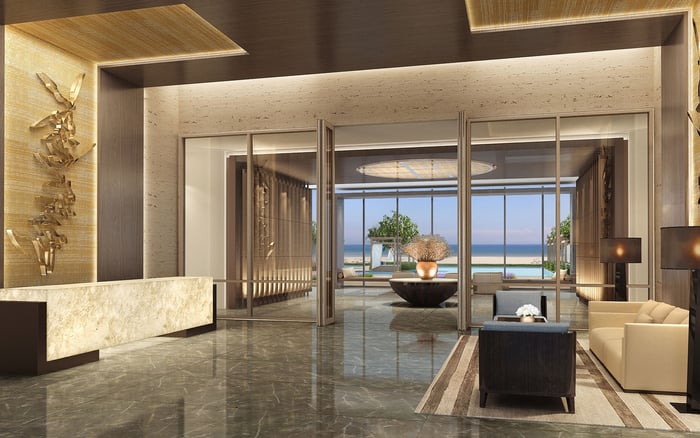
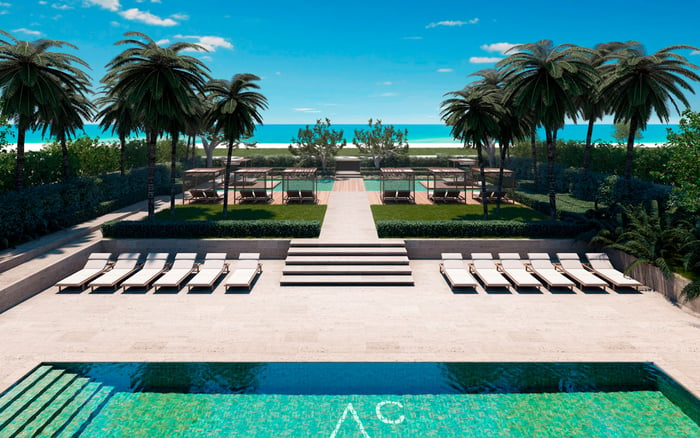
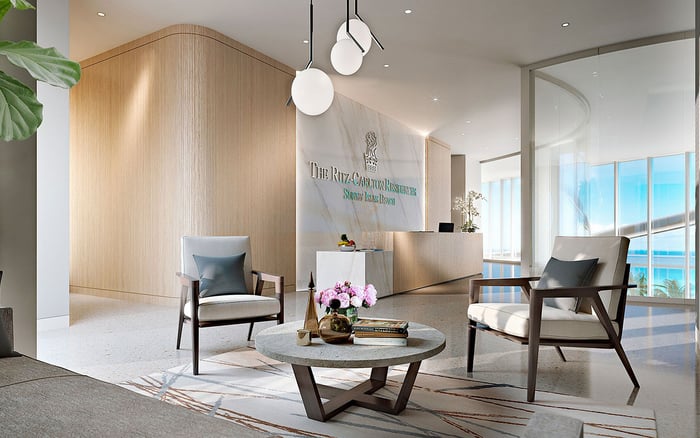
For South Florida luxury buyers, true beach access can outweigh another curated amenity level because it shapes daily rhythm, privacy, resale clarity, and the emotional logic of ownership.
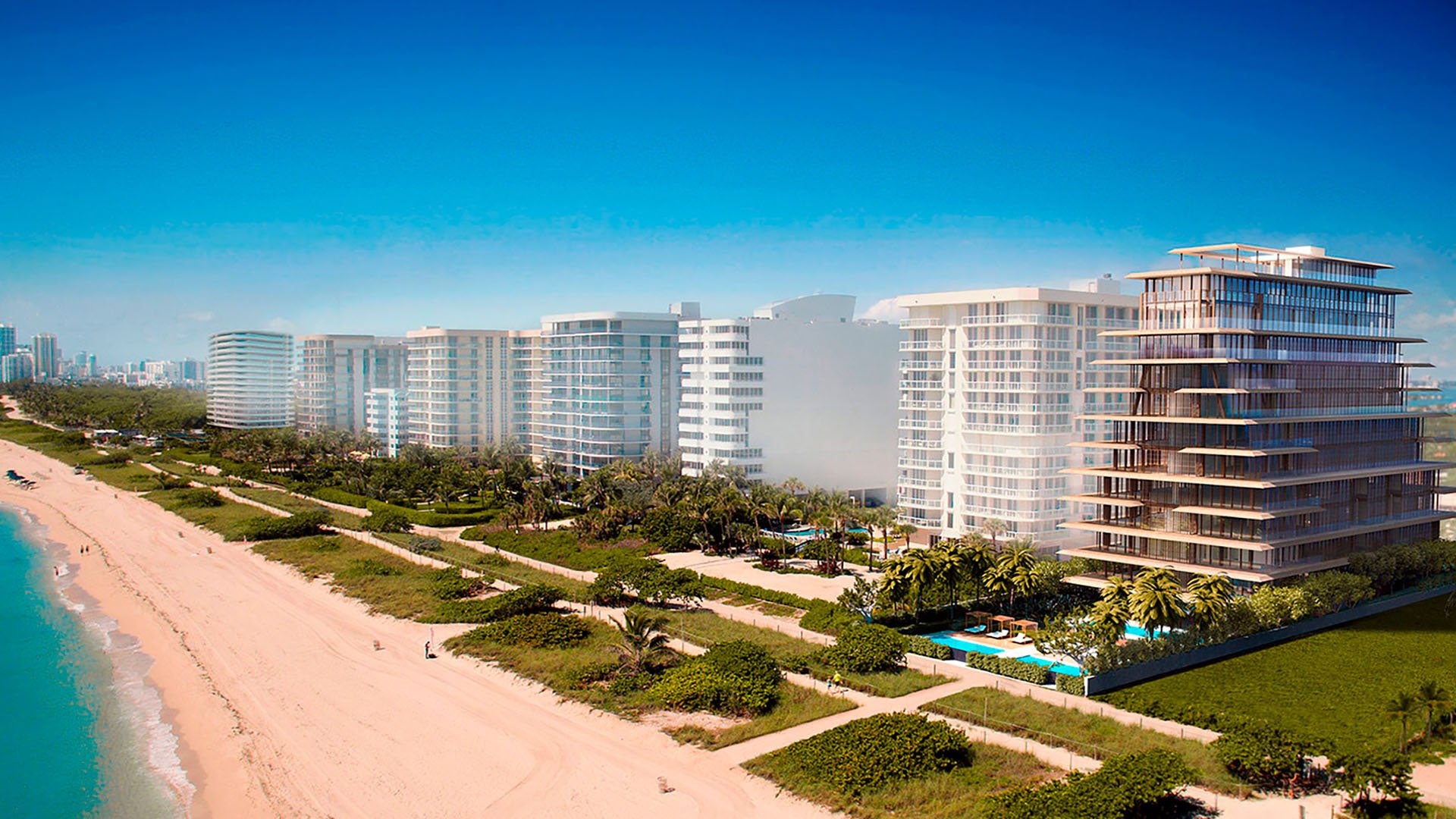
In South Florida luxury real estate, the amenity conversation can become almost theatrical. Private dining rooms, wellness suites, golf simulators, screening rooms, spa circuits, and co-working lounges all have their place. They can deepen the experience of a building and create a sense of arrival before one ever reaches the residence. Yet for a certain buyer, none of those layers carries the same daily force as a clean, direct, intuitive path to the beach.
Beach access is not merely a checkbox. It is a lifestyle threshold. It answers a question polished renderings cannot fully resolve: how quickly can the owner move from private life to ocean air without friction? In a market where design standards have risen, service has become more sophisticated, and amenity menus have expanded, the simplest luxury can feel the rarest. The beach is not programmed. It is not booked. It does not require an elevator transfer to a specialty floor. It is there, changing by the hour, and that immediacy is difficult to replicate.
A new amenity level can be beautiful, but it is not always transformative. Many ultra-luxury buyers already live with private gyms, expansive terraces, wellness rituals, and hospitality-level service. The question is not whether the amenity is impressive. The question is whether it changes the way the owner lives.
A second or third layer of indoor amenities may appeal during a tour, especially when finished with rare materials and theatrical lighting. But daily life often returns to a narrower set of habits. Morning walks, a swim before meetings, children moving between residence and sand, an evening pause at the shoreline: these moments can be more meaningful than another lounge. For buyers comparing oceanfront options, the emotional calculus is often less about quantity and more about immediacy.
That is where direct access becomes powerful. It removes negotiation from the day. No valet, no street crossing, no public bottleneck, no need to turn a simple beach moment into an outing. The residence feels larger because the coastline becomes part of its usable world.
The best beach access is not just close. It is graceful. The route matters: elevator, lobby, pool deck, gate, shower, towel service, storage, security, and the return path with wet feet and sun-warmed belongings. A building can claim proximity to the sand, but buyers should study the choreography.
Is the path discreet or exposed? Does it feel private at peak hours? Is there a natural place to rinse off before re-entering refined interiors? Can guests understand the route without staff intervention? Does the beach access feel integrated into the building, or does it feel like an afterthought attached to a broader amenity narrative?
These details are not minor. They decide whether owners use the beach casually or reserve it for planned moments. The most valuable access supports spontaneity. A five-minute swim should feel as easy as stepping onto a terrace.
Beach access does not automatically equal privacy. The most discerning buyers understand that the edge between private residential life and public shoreline requires careful handling. The experience should feel protected without feeling defensive. Landscape, security, staffing, circulation, and the placement of cabanas or beach service all influence whether the oceanfront setting feels serene or exposed.
This is one reason buyers in Miami Beach, Surfside, and Sunny Isles often compare not only the residence and building, but also the immediate beach condition. The sand may be the same broad idea across the coastline, but the lived experience can differ dramatically from one address to another. Some stretches feel social and energetic. Others feel quieter, more residential, and more suitable for a second home intended as a retreat.
For a primary residence, privacy affects routine. For a seasonal residence, it shapes the first impression after arrival. For a legacy purchase, it determines whether the property feels like a true family base rather than a glamorous stopover.
A serious buyer should walk the access route more than once. A tour during a quiet weekday morning may not reveal the same conditions as a late afternoon, a holiday period, or a high-season weekend. The point is not to search for perfection. It is to understand rhythm.
Stand in the lobby and imagine returning from the beach. Walk from the residence to the water at an unhurried pace. Notice whether the journey feels elegant, serviced, and secure. Look at where towels, chairs, boards, and beach bags are handled. Consider whether children, older relatives, or guests could use the route comfortably. Pay attention to sound, shade, wind, and the quality of transition between indoor calm and coastal exposure.
Also consider the terrace. In some residences, the beach is visually present but practically distant. In others, the terrace, pool deck, and sand operate as a continuous sequence. The strongest properties create a sense that the ocean is not simply a view, but an extension of daily space.
Even when a buyer is purchasing for personal use, future marketability matters. Amenities evolve. Design trends change. A room that feels novel today may feel expected tomorrow. Direct beach access, by contrast, is rooted in location and movement. It is harder to manufacture and easier for a future buyer to understand.
This does not mean amenities are irrelevant. In the upper tier, buyers expect wellness, service, security, parking, storage, and well-composed common spaces. But once those fundamentals are satisfied, another amenity floor may have diminishing impact. A superior path to the sand can remain legible through market cycles because it addresses a permanent desire: proximity to the water without complication.
That is especially true when the buyer values use over spectacle. The best luxury properties do not merely impress guests. They make ordinary days feel edited, calm, and deeply convenient.
The right answer is not anti-amenity. It is hierarchy. A buyer should first identify the non-negotiable lifestyle. If the dream is built around the ocean, beach access should sit near the top of the decision tree. If the owner expects to spend more time entertaining indoors, hosting private dinners, or using wellness programming, the amenity floor may carry more weight.
The most compelling buildings do both well. They offer refined interiors and service without allowing the amenity package to distract from the reason many buyers came to the coastline in the first place. In that context, the beach is not a backdrop. It is the anchor.
For South Florida’s most selective buyers, the question is not whether the building has enough amenities. It is whether the residence makes the coast feel effortless. When it does, another amenity floor may become secondary to the most enduring luxury of all: stepping outside and being exactly where one intended to be.
Does beach access matter more than amenities? For many luxury buyers, yes. If the beach is central to daily life, direct access can be more valuable than another shared indoor amenity.
What makes beach access feel truly luxurious? The route should be private, intuitive, serviced, and easy to use without planning. Luxury is measured by how little friction the owner feels.
Is oceanfront always better than near the beach? Not always, but oceanfront can offer a stronger daily connection to the water when access, privacy, and views are well composed.
Should buyers prioritize amenities or location first? Buyers should start with lifestyle. If the ocean defines the purchase, location and access should lead the evaluation.
Why does privacy matter with beach access? Privacy shapes whether the beach feels like an extension of home or a public outing. The transition should feel secure and discreet.
Is beach access important for a second home? Yes, because owners often want immediate relaxation after arrival. A simple path to the sand makes short stays feel more complete.
How should buyers evaluate beach access during a tour? They should physically walk the route from residence to sand and back. The return path is often the best test of real convenience.
Do amenity floors add resale value? They can, especially when well maintained and genuinely useful. Direct coastal access may remain easier for future buyers to understand.
Are Miami Beach buyers different from Surfside buyers? Preferences vary by lifestyle, privacy expectations, and desired energy. The right choice depends on how the owner wants to live day to day.
What is the best way to shortlist comparable options for touring? Start with location fit, delivery status, and daily lifestyle priorities, then compare stacks and elevations to validate views and privacy.
If you'd like a private walkthrough and a curated shortlist, connect with MILLION.
If branded residences are on your mind — as a home or as an allocation — we would be glad to share what we are seeing, privately.
Begin a quiet conversation