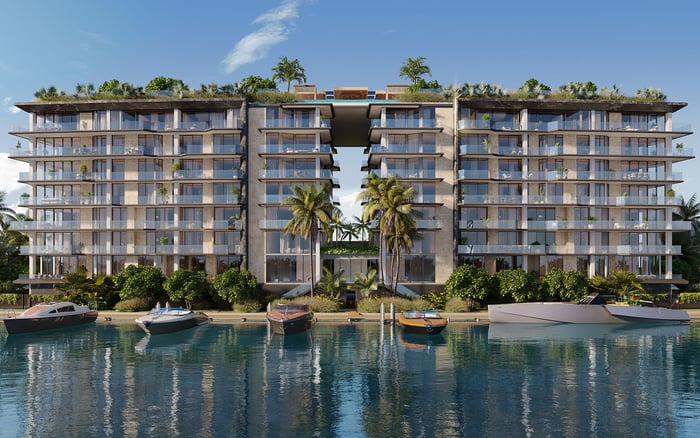
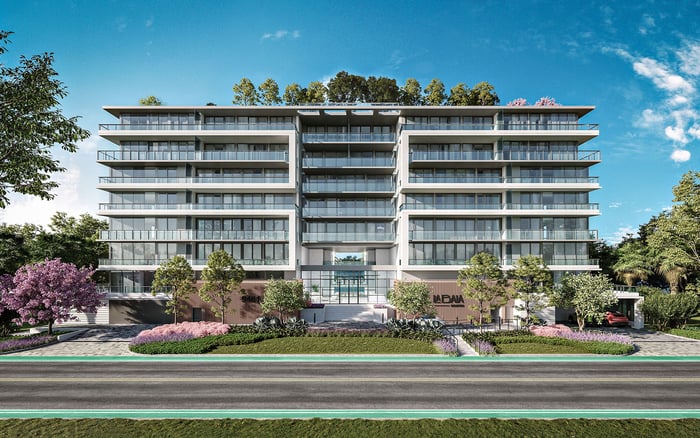
A practical comparison of La Maré and Origin focused on service delivery, residential privacy, condominium governance, and the costs that shape long-term ownership.

Bay Harbor Islands appeals to buyers seeking a more intimate residential proposition, but intimacy is not created by architecture alone. It also depends on how a condominium receives residents, manages visitors, maintains shared spaces, controls circulation, and funds its obligations over time.
That distinction is central to comparing La Maré Bay Harbor Islands with Origin Bay Harbor Islands. Both are contemporary luxury condominium developments in Bay Harbor Islands, and each should be evaluated as a shared-ownership community rather than simply as a collection of private residences.
The relevant buyer themes are boutique living, waterfront expectations, and Bay Harbor condominium governance. For readers of MILLION Buyer's Guides, the essential question is not which presentation feels more luxurious, but which operating model best suits the owner’s standards and intended use.
Amenities define what a building offers. The proposed budget, staffing plan, management agreement, and service protocols reveal how that offering may function from day to day.
At La Maré, buyers should examine how the project’s design, scale, residences, and amenity program translate into staffing requirements and recurring maintenance. The same test applies at Origin: determine how its design and amenity proposition will be supported once the association assumes responsibility for operations.
Ask who manages arrivals, packages, vendors, guests, maintenance requests, and after-hours issues. Confirm which positions are expected to be on-site, their anticipated coverage, and whether any services rely on outside contractors. A polished arrival experience carries a cost, while a deliberately lighter service structure may offer simplicity. Neither approach is inherently superior, provided the budget and buyer expectations align.
Privacy should be tested as a sequence, not accepted as a marketing adjective. Begin at the property entrance and trace the entire path to the residence: vehicle arrival, lobby access, elevator use, guest authorization, deliveries, service calls, and movement to shared amenities.
Request the elevator plan, access-control protocols, security procedures, and rules governing vendors. Ask whether residents, guests, staff, and deliveries share routes or remain separate at meaningful points. Buyers should also understand how common spaces may shape incidental contact during busy periods.
The number of residences is not the sole measure of privacy. Layout, access permissions, staffing discipline, and guest procedures can matter just as much. This framework can also help buyers contextualize nearby offerings such as Alana Bay Harbor Islands and Onda Bay Harbor without assuming that any two buildings operate identically.
A residence may be personally compelling while its condominium structure remains unsuitable for a particular buyer. Before committing to La Maré or Origin, review the declaration, proposed budget, reserve assumptions, insurance program, management arrangements, rental restrictions, service protocols, and warranty terms.
The budget warrants a line-by-line discussion. Identify which services and amenities generate recurring labor, utility, maintenance, inspection, and replacement costs. Determine whether the initial assumptions appear consistent with the promised service environment. Buyers should understand what common charges include, what may be billed separately, and how responsibilities are divided between the residence owner and the association.
Reserve planning is equally important. Ask which components are expected to require future repair or replacement, how those obligations are contemplated, and which assumptions support the reserve schedule. Review insurance with qualified advisers to clarify association coverage, owner coverage, deductibles, and potential gaps.
Rental provisions also warrant close attention, even for buyers who do not currently intend to lease. Restrictions can affect flexibility, guest use, resale positioning, and the character of the building. An investment buyer may prioritize leasing rules, while a full-time or seasonal owner may place greater weight on consistency and low turnover.
For a primary resident, service responsiveness, visitor handling, acoustic expectations, and reliable maintenance may lead the analysis. A second-home owner should focus on residence checks, access for approved vendors, emergency communication, and procedures during extended absences.
The decisive comparison is therefore personal. La Maré’s position within the boutique waterfront market makes its project-specific scale and operating plans essential to the review. Origin demands the same discipline: residence design and amenities should be considered alongside governance and the eventual cost of delivering the promised experience.
Before choosing, ask each team the same questions and compare the written answers. Consistency matters. When a service promise does not appear in a budget, agreement, or protocol, seek clarification before treating it as part of the ownership experience.
Are La Maré and Origin both condominiums? Yes. Both are contemporary luxury condominium developments in Bay Harbor Islands, with shared ownership responsibilities.
Which project offers more privacy? Privacy cannot be determined from positioning alone. Compare elevator planning, access controls, guest procedures, service routes, and common-area circulation.
How should buyers compare service levels? Review each property’s staffing plan, management agreement, operating budget, coverage expectations, and written service protocols.
Why does the proposed budget matter? It connects marketed amenities and services to their anticipated staffing, maintenance, utility, insurance, and administrative costs.
What condominium documents deserve priority? Prioritize the declaration, proposed budget, reserve assumptions, insurance information, management arrangements, rental provisions, and warranty terms.
Should a cash buyer still review insurance? Yes. Association coverage, deductibles, owner responsibilities, and potential coverage gaps remain relevant regardless of financing.
Do rental rules matter to a primary resident? Yes. Rental policies can influence flexibility, resident turnover, building character, and future resale considerations.
What should a seasonal owner ask about? Ask about residence checks, emergency notifications, vendor access, package procedures, maintenance coordination, and extended-absence protocols.
Can amenities indicate future ownership costs? They can signal operating obligations, but buyers should verify how staffing, upkeep, repairs, and replacement are addressed in the budget.
Is there a simple way to choose between the two? Compare identical document requests, then select the governance, service, privacy, and cost structure that best fits your intended use.
For a confidential assessment and a building-by-building shortlist, connect with MILLION.
If branded residences are on your mind — as a home or as an allocation — we would be glad to share what we are seeing, privately.
Begin a quiet conversation