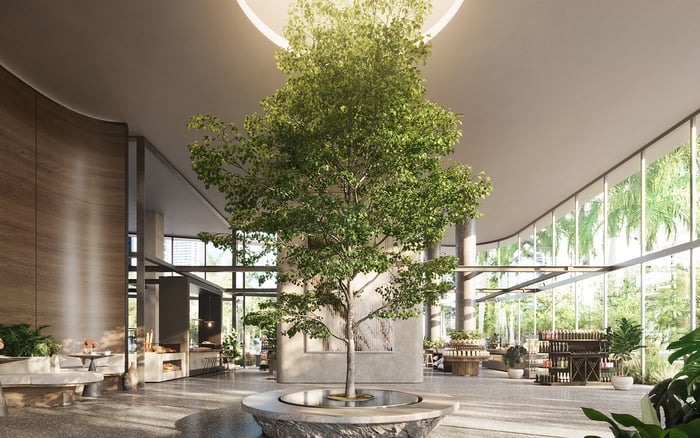
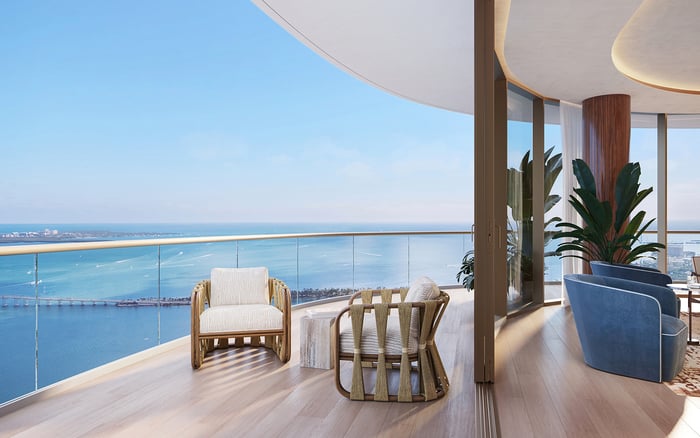
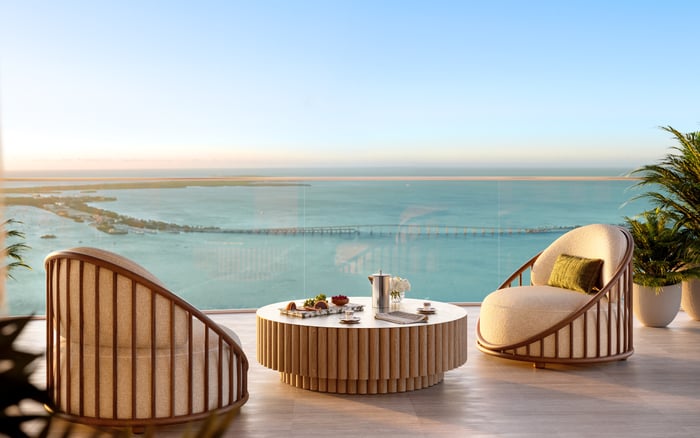
A buyer-focused look at The Residences at Mandarin Oriental, Miami, framing family arrival as a quiet-luxury differentiator shaped by Brickell Key, hospitality service, privacy, and daily logistics.
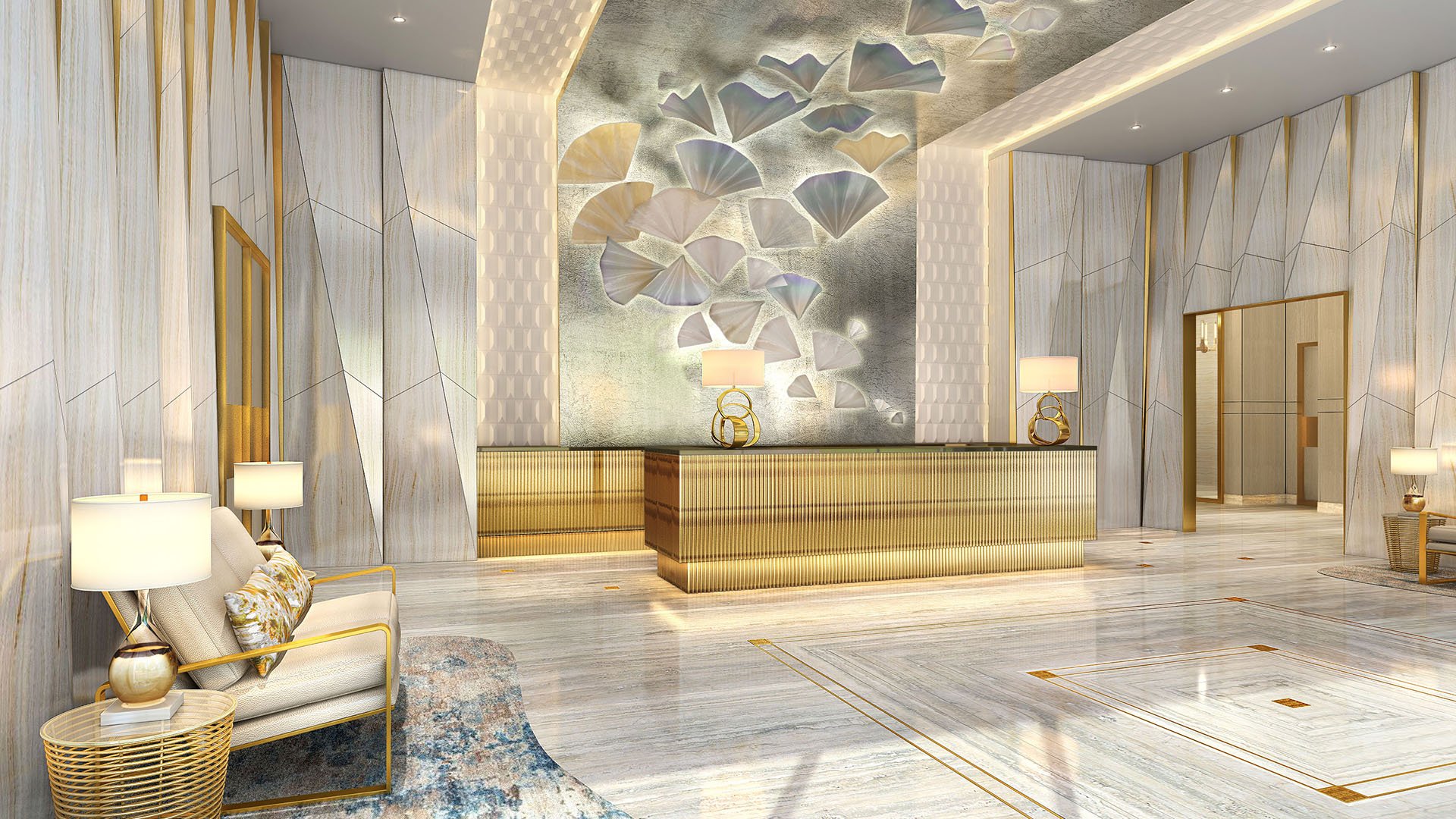
The Residences at Mandarin Oriental, Miami belongs in a different conversation from the usual Miami spectacle. Its strongest luxury argument is not simply visibility, height, or a photogenic amenity moment. It is the promise of a calmer residential life, where the family-entry sequence becomes a defining measure of quality.
For serious buyers, arrival is not a minor design footnote. It is the daily interface between a private household and the city. It shapes how children come home from school, how staff move through the building, how security protocols are handled, how luggage disappears after a long flight, and how dinner ingredients, sports equipment, strollers, pets, and guests are absorbed without disrupting the residence’s formal rooms.
In that sense, The Residences at Mandarin Oriental, Miami can be read through quiet luxury: not as an object to be seen, but as a system designed to reduce friction.
Brickell matters because it places residents near Miami’s financial, dining, and cultural energy. Brickell Key matters because it changes the emotional tempo of coming home. The island setting creates a natural threshold, moving the owner from urban intensity into a more private residential enclave before the building entry is even reached.
That macro-arrival is essential to the family case. A successful sequence begins before the porte-cochère. It begins with the approach by car, rideshare, or boat, continues through the island environment, and then moves into the building’s entry, vertical circulation, private elevator foyer, residence threshold, and domestic support zone.
This is where waterview living becomes more than scenery. The transition across water, the sense of separation from the mainland, and the ability to arrive in a more composed frame of mind all reinforce the understated character expected at this tier.
The Mandarin Oriental identity carries specific expectations: discretion, service, timing, and a choreographed sense of ease. In a residential context, that hospitality culture is most meaningful when it supports long-stay owners and families rather than merely borrowing hotel aesthetics.
For new-construction buyers, the important question is not whether a lobby impresses on first viewing. It is whether the building can handle ordinary complexity elegantly. Can an owner return with children, bags, a dog, and a schedule change without feeling exposed? Can a household receive deliveries while preserving privacy? Can visiting family members arrive without overwhelming the resident experience?
Quiet luxury answers these questions through preparedness. The best version of the experience feels almost invisible because the choreography is doing its work.
A family-entry sequence should be understood as infrastructure, not back-of-house. At this level, the daily path from vehicle or vessel to residence should be considered as carefully as the primary entertaining rooms.
The porte-cochère is the first test. It can turn drop-off, loading, greeting, and departure into a discreet service experience rather than a curbside negotiation. For families, that means weather protection, calm handoffs, clear staff awareness, and the ability to handle multiple simultaneous needs: children arriving from activities, luggage from seasonal travel, refrigerated deliveries, or a pet returning from a walk.
Inside, lobby and vertical-circulation design become tools of privacy management. Social arrival, family arrival, resident flow, staff movement, and service needs do not always have to share the same rhythm. Where a building can separate, soften, or sequence those flows, it protects the dignity of the home.
The private elevator foyer is one of the most important transition spaces in ultra-luxury residential design. It is neither public nor fully private. It gives the owner a pause between shared building infrastructure and the residence itself, allowing the mood of home to begin before the front door opens.
For families, the next layer is the in-residence threshold. Mudrooms, service vestibules, secondary entries, and dual-door configurations can support household life without forcing every practical task through the formal living areas. These spaces help absorb shoes, school bags, uniforms, sports equipment, floral deliveries, catering movements, pet needs, and staff circulation.
In pre-construction evaluation, buyers should pay close attention to this sequence. A beautiful plan can still fail a family if every errand, delivery, and service interaction lands in the same ceremonial entry used for guests.
The quiet-luxury family does not need more visual noise. It needs routines that function. Multi-generational living, seasonal migration, children’s schedules, staff coordination, private security, medical or wellness appointments, and household provisioning can all place pressure on a residence.
Pets are part of that equation as well. The family-entry sequence should anticipate the practical realities of animal care, including walks, grooming movement, wet-weather returns, and the desire to keep formal interiors serene.
This is the difference between prestige and livability. Prestige announces itself. Livability protects time, privacy, and emotional bandwidth. The most refined buildings make the complicated parts of family life feel anticipated rather than accommodated at the last minute.
Architecture establishes the framework, but operations determine whether the promise holds. Staffing, training, service protocols, access technology, package handling, visitor management, and communication standards are all part of the arrival sequence.
A well-run residential environment does not simply open doors. It recognizes patterns, prepares for known routines, and manages the unpredictable with composure. In a hospitality-style residence, this is where brand culture can become genuinely valuable for owners who live in the property for extended periods.
For buyers considering The Residences at Mandarin Oriental, Miami, the key is to evaluate the full chain of arrival. The strongest luxury is not always the most visible. Sometimes it is the absence of visible logistical stress.
The family-entry case is ultimately a test of refinement. A buyer should ask how the residence receives daily life: the school run, the airport return, the dinner party setup, the staff shift change, the holiday visit, the pet walk, the grocery delivery, and the quiet evening arrival after a demanding day in Brickell.
If those moments are handled with discretion, the property offers more than design. It offers a private operating system for family life. That is the quiet-luxury argument: calm is not an aesthetic alone. It is a residential outcome.
What is the core quiet-luxury idea at The Residences at Mandarin Oriental, Miami? The core idea is that luxury can be expressed through calm, discretion, and frictionless routines rather than overt spectacle.
Why does the family-entry sequence matter to buyers? It shapes how everyday life functions, including children, staff, luggage, pets, security, deliveries, and private arrival.
How does Brickell Key influence the arrival experience? Brickell Key creates a natural transition from city energy to a more private island enclave before residents reach the building.
Is the porte-cochère important in this analysis? Yes. It can make drop-off, greeting, loading, and departure feel protected, organized, and discreet.
What role does Mandarin Oriental’s hospitality identity play? The brand’s association with calm service and choreography supports the idea of a more prepared residential experience.
Why are private elevator foyers valuable? They create a quiet threshold between shared building circulation and the privacy of the residence.
What in-residence spaces support family living? Mudrooms, service vestibules, secondary entries, and dual-door configurations can keep practical routines away from formal rooms.
Should buyers evaluate operations as well as design? Yes. Staffing, protocols, training, technology, and delivery handling can determine whether the architecture performs well.
How does this fit Miami’s luxury market? It reflects a shift toward serviced, hospitality-style residential living for long-stay owners and families.
What is the main takeaway for families? The most persuasive luxury may be a homecoming sequence that feels private, prepared, and almost invisible when it works.
For a confidential assessment and a building-by-building shortlist, connect with MILLION.
If branded residences are on your mind — as a home or as an allocation — we would be glad to share what we are seeing, privately.
Begin a quiet conversation