A buyer-focused look at how to judge branded residences in the Miami Design District for long-term ownership, from service substance to resale discipline.
A branded residence in the Miami Design District must do more than look compelling in a presentation. For a serious long-term purchase, the test is not whether the name is recognizable. It is whether the brand can translate taste, service, operations, and restraint into a home that still feels relevant after the opening moment has passed.
That distinction matters in South Florida, where branded residential offerings speak to buyers fluent in hospitality, design, private service, and global collecting. For that audience, a logo is not enough. Durable value is created when the residential experience is coherent: architecture that does not date quickly, interiors that feel edited rather than staged, amenities that support real life, and governance that protects the property rather than merely selling a concept.
For Design District buyers, the standard is especially high because the neighborhood’s appeal is inherently design-literate. A residence here is judged against fashion, art, architecture, dining, and a cultivated urban lifestyle. That context can be powerful, but only if the building behaves like a serious private address, not an extension of a retail moment.
The Design District rewards precision. Buyers are not simply purchasing square footage or a view narrative. They are buying proximity to a culture of curation. Every decision inside the residence, from lobby tone to materials to service choreography, has to feel intentional.
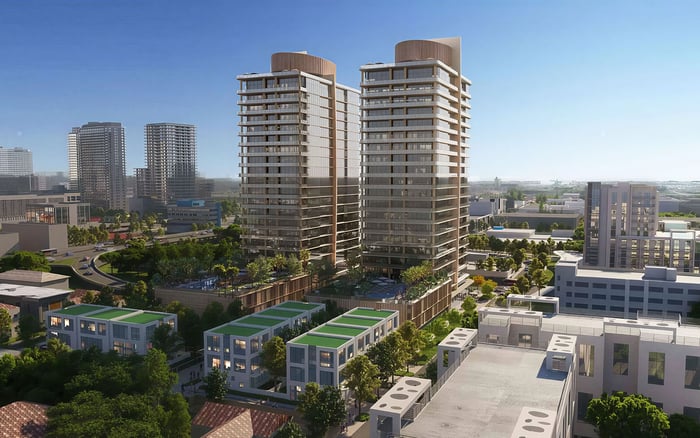
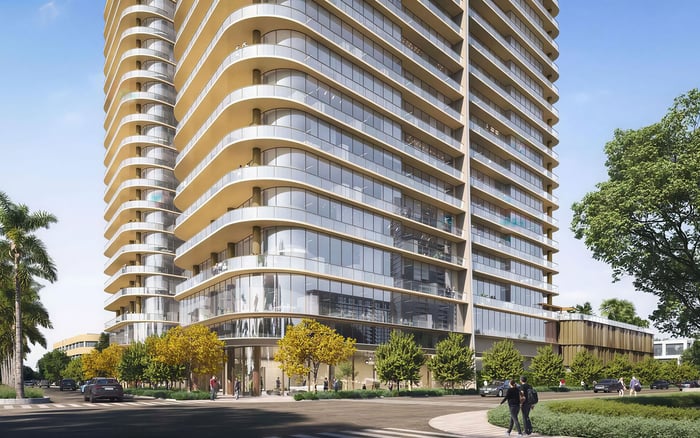
This is why Kempinski Residences Miami Design District belongs in the conversation for buyers evaluating whether branded ownership can work in this specific pocket of Miami. The larger question is not whether a hospitality name can create attention. It is whether the daily residential experience can remain calm, private, and polished while sitting within a highly visible district.
A branded address works best here when it understands contrast. The neighborhood may offer energy, but the home should offer composure. Public-facing design may be expressive, but private spaces should feel livable. Amenities may be photogenic, but the service model should be discreet. Long-term owners usually benefit from that balance because it widens the future buyer pool beyond those attracted to novelty.
One of the most common mistakes buyers make with branded residences is confusing promised atmosphere with actual residential utility. Service is valuable only if it reduces friction. A concierge desk, a wellness program, a food and beverage relationship, or a branded hospitality layer should make the home easier to live in, not more complicated to manage.
For long-term ownership, the service question becomes practical. Is the building designed for residents who live there often, not only for seasonal use? Are the amenity spaces scaled and programmed in a way that will remain useful? Does the brand have a clear role after sales are complete? Is the service culture likely to feel personal, or will it become generic once the building matures?
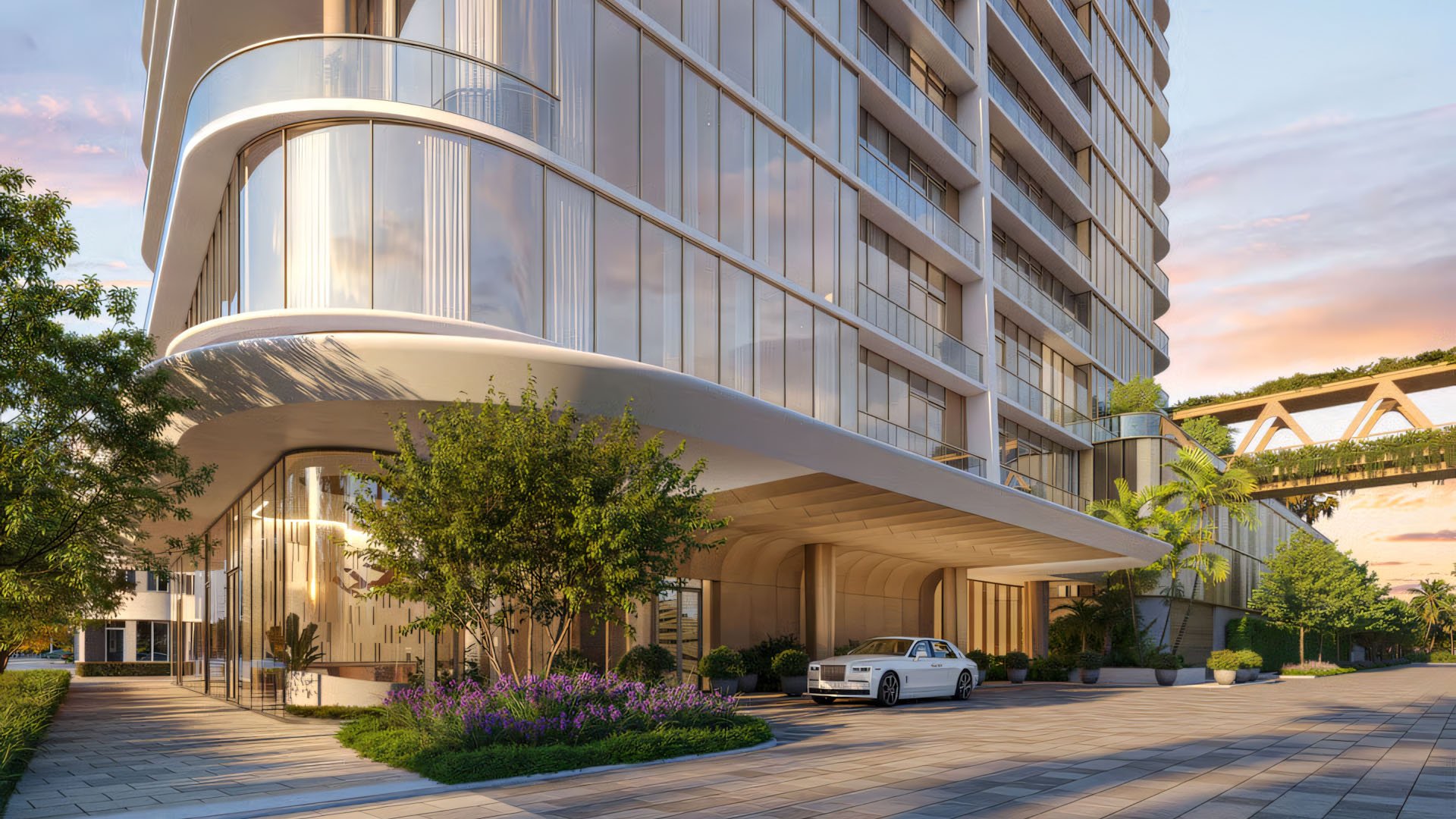
The best branded residences answer these questions quietly. They do not rely on theatrical gestures. They create a rhythm that makes owners feel recognized without making the property feel like a hotel lobby. That is especially important in the Design District, where many buyers will value privacy precisely because the surrounding neighborhood is visible and socially active.
Design is central to the Design District proposition, but design value is not the same as decorative intensity. A serious long-term purchase should be judged by whether the aesthetic has discipline. Strong architecture, careful proportions, high-quality materials, and restrained detailing tend to age better than trend-driven spectacle.
This is where branded projects across Miami offer useful context. A buyer considering the Design District may also study 888 Brickell by Dolce & Gabbana as an example of how fashion identity can shape residential positioning, or Baccarat Residences Brickell as a comparison point for a brand associated with a distinct sensory world. Those comparisons are not about declaring one brand superior. They help clarify what kind of design language a buyer wants to live with for years.
In a long-term home, the most successful brand expression is often felt rather than announced. It may appear in the way a corridor is lit, how a spa sequence is composed, how private arrival is handled, or how finishes avoid looking over-specified. Luxury buyers should ask whether the brand’s identity is integrated into the residence or merely applied to it.
Investment logic in a branded residence should be sober. Launch attention can support early momentum, but resale value over time depends on broader fundamentals: location desirability, building condition, operating quality, floor plan strength, association discipline, and the continued relevance of the brand.
A Design District branded residence can be compelling because it speaks to a clear lifestyle buyer. Yet that buyer may not be the same person in every market cycle. Some future purchasers may prioritize art and design culture. Others may focus on lock-and-leave convenience, service, or proximity to Miami’s broader urban core. The more flexible the property’s appeal, the stronger its long-term positioning.
Buyers should be cautious with any purchase thesis that depends entirely on brand scarcity. Scarcity helps only when the underlying product is strong. If the residence offers a difficult layout, an overcomplicated ownership structure, or amenities that are expensive to maintain without broad resident use, the brand may not be enough to protect value.
South Florida’s luxury market now gives buyers a wide field of branded and design-forward options. That breadth is useful because it forces discipline. A Design District buyer can compare the urban energy of the neighborhood with the hospitality gravitas of St. Regis® Residences Brickell or the waterfront-oriented prestige of The Residences at Mandarin Oriental, Miami. The exercise is not merely geographic. It is about matching a brand promise to a personal ownership pattern.
A buyer who expects daily service, business convenience, and a formal hospitality tone may reach a different conclusion than a buyer who wants design immersion and neighborhood texture. A buyer seeking a second home may think differently from a buyer planning to live in the residence year-round. A buyer focused on new construction may prioritize delivery quality, warranty clarity, and early building operations, while a resale-oriented buyer may prefer to see how a property performs after residents have settled in.
This is why buyer’s guides for this segment should not reduce the decision to price per square foot or brand recognition. The stronger framework is lifestyle fit, operational clarity, and exit resilience.
The least glamorous part of the purchase may be the most important. Long-term owners should pay attention to building governance, association budgets, service obligations, brand agreements, maintenance expectations, rental policies, and the way common areas will be refreshed over time.
A brand can help establish standards, but standards require funding and enforcement. If the operating model is too ambitious for the owner base, costs can become a point of friction. If the model is too thin, the branded promise can fade. The sweet spot is a building whose service offering feels elevated but sustainable, with enough clarity that owners understand what they are paying for and why it matters.
For investors, governance affects liquidity. Future buyers will want confidence that the residence has been cared for, that amenities remain competitive, and that the brand association still has meaning. A disciplined building can feel quietly more valuable with time because it avoids the erosion that often comes from deferred decisions.
A branded residence in the Miami Design District works as a serious long-term purchase when three things align: the neighborhood supports the buyer’s real lifestyle, the brand improves daily living rather than simply decorating the marketing, and the building is operated with enough discipline to preserve its identity.
The strongest purchase is rarely the loudest one. It is the residence that can be enjoyed privately, explained clearly to a future buyer, and maintained without compromising the standards that made it attractive in the first place. In the Design District, that means a home with urban energy outside the door and composure inside it.
For the right buyer, the result can be more than a branded address. It can be a durable piece of Miami’s design-driven residential future.
Is a branded residence in the Miami Design District mainly a lifestyle purchase? It is partly a lifestyle decision, but serious buyers should also evaluate operations, governance, maintenance, and future resale appeal.
Does the brand name alone protect long-term value? No. The brand helps only when the underlying residence, service model, location, and ownership structure remain compelling.
What should buyers examine before signing a contract? Buyers should review service obligations, association structure, floor plan quality, amenity usefulness, and how the brand is expected to function after opening.
Is the Design District suited to year-round living? It can be, if the buyer wants an urban design-oriented setting and the building provides enough privacy, comfort, and daily practicality.
How should buyers compare branded projects across Miami? Compare the lifestyle each brand supports, the level of service promised, and whether the building’s design will still feel relevant over time.
Are amenities more important in branded residences? Amenities matter, but only when they are genuinely useful, well maintained, and proportionate to the building’s resident profile.
What is the biggest risk in a branded purchase? The risk is paying for surface-level prestige without durable design, disciplined operations, or a clear resale audience.
Can a branded residence work as an investment? It can, but the thesis should be grounded in long-term demand, liquidity, carrying costs, and the quality of the building itself.
Should buyers prioritize pre-construction or completed residences? Pre-construction can offer choice, while completed residences reveal actual operations; the better option depends on the buyer’s risk tolerance.
What makes a Design District branded residence feel truly private? Privacy comes from controlled arrival, thoughtful circulation, discreet service, and interiors that feel residential rather than promotional.
For a tailored shortlist and next-step guidance, connect with MILLION.
If branded residences are on your mind — as a home or as an allocation — we would be glad to share what we are seeing, privately.
Begin a quiet conversation