A buyer-focused comparison of two prestige Miami residential concepts: the Brickell Key sanctuary model of The Residences at Mandarin Oriental, Miami and the Brickell social and culinary tower identity of ORA by Casa Tua.
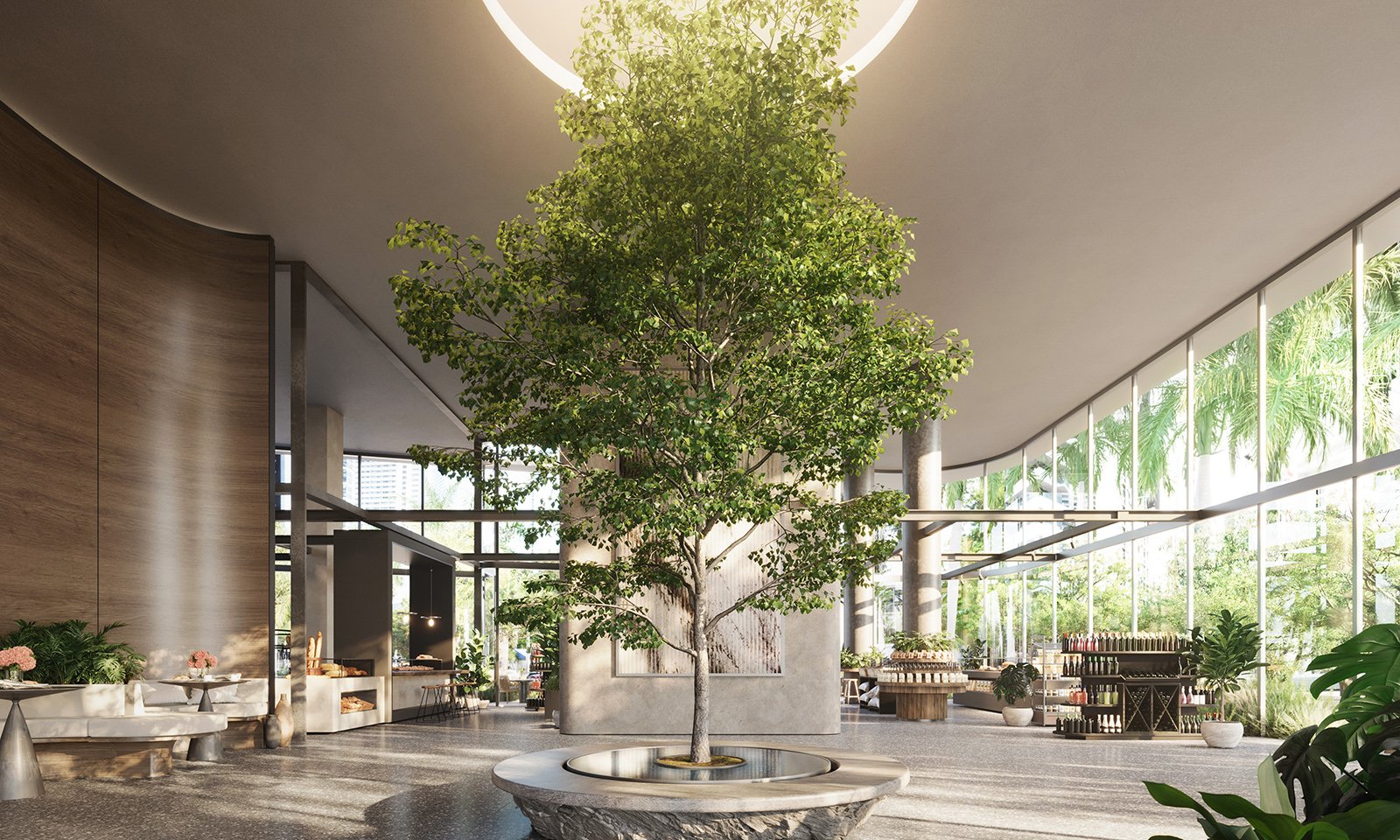
In Miami’s upper tier, prestige is no longer defined only by skyline height, bay exposure, or a familiar hospitality name. The sharper question is how a residence behaves once the owner is home. Does the building create a quieter perimeter around daily life, with service that anticipates needs before they become requests? Or does it make the city feel closer, more social, more culinary, and more connected?
That is the useful distinction between The Residences at Mandarin Oriental, Miami and ORA by Casa Tua Brickell. Both speak to affluent buyers who want more than a conventional condominium. Both are tied to hospitality identities with strong emotional resonance. Yet they answer the luxury question differently. The Residences at Mandarin Oriental, Miami reads as a Brickell Key sanctuary, shaped by privacy, predictability, and hotel-caliber residential service. ORA by Casa Tua Brickell reads as a Brickell social and culinary tower, where hospitality is expressed through dining culture, urban access, and a more outward-facing lifestyle.
Neither model is inherently superior. The better fit depends on whether the buyer wants service to create separation from Miami’s velocity or connect them more gracefully to it.
The Residences at Mandarin Oriental, Miami is positioned around the kind of luxury that feels most powerful when it is least performative. Its Brickell Key setting matters. The island environment creates a different psychological threshold from mainland Brickell, offering a more insular rhythm while remaining visually and geographically tied to the financial district and Biscayne Bay.
For many buyers, that distinction is central. Brickell can be exhilarating, but it can also be public, vertical, and constantly activated. A Brickell Key sanctuary suggests a more residential form of arrival, where the transition from city to home feels deliberate. The emphasis is not simply on being near the center of Miami, but on having a buffer from it.
Service depth is part of that identity. Mandarin Oriental’s residential proposition is framed around personalized, anticipatory hospitality, not a social-club model. In buyer terms, service is not merely an amenity category. It becomes part of the building’s operating system, supporting privacy, routine, discretion, and everyday ease.
This is especially relevant for owners who travel frequently, maintain multiple residences, host selectively, or prefer a residence that feels managed with hotel-level consistency. The luxury is not necessarily louder or more visible. It is steadier.
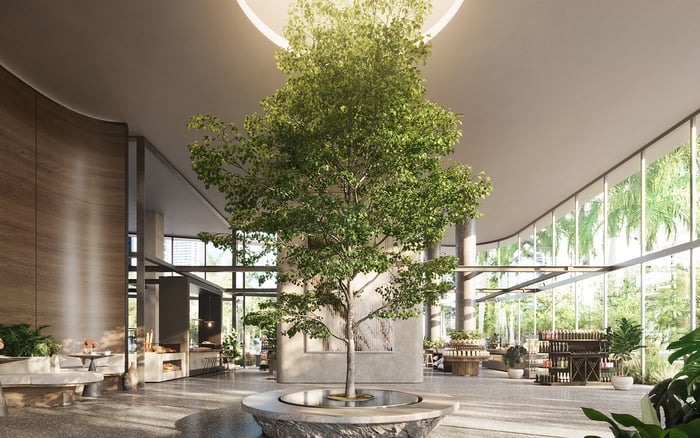
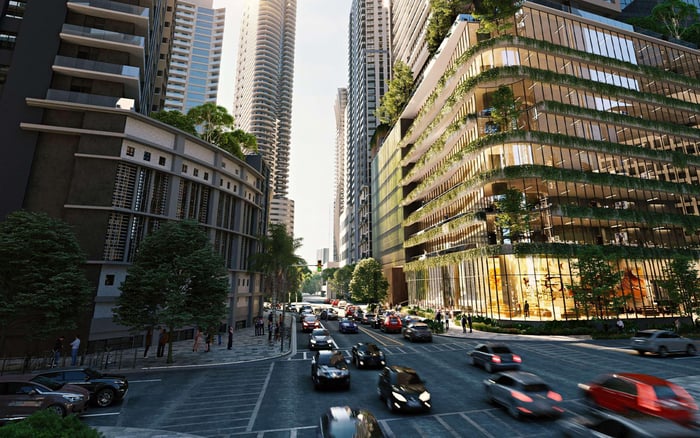
ORA by Casa Tua takes a different path. Its Brickell identity is mainland, urban, gastronomic, and social. Rather than presenting hospitality as a shield from the city, ORA translates Casa Tua’s dining and social sensibility into a residential setting. The result is a tower concept that aligns naturally with Brickell’s restaurants, offices, nightlife, transit connections, and constant movement.
This makes ORA compelling for a buyer who wants the building to participate in city life. Hospitality here is not only about being served privately. It is also about being connected, curated, and placed near the social energy of the neighborhood. Culinary programming and an outward-facing amenity culture become part of the residential identity.
For owners who spend their Miami time around dinners, guests, meetings, events, and spontaneous plans, that can be a major advantage. ORA’s proposition is not retreat-like in the same way as Mandarin Oriental’s Brickell Key posture. It is more integrated, more urban, and more expressive.
The distinction is subtle but important. A buyer choosing ORA is not necessarily rejecting privacy. Rather, that buyer may prioritize access, atmosphere, and social convenience over a more insulated residential frame.
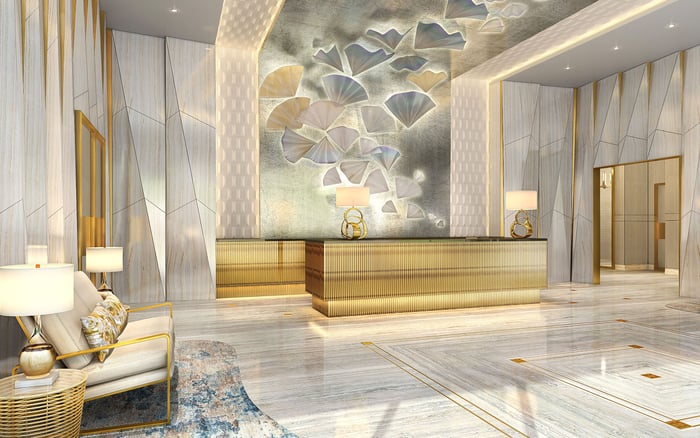
Service depth is one of the most important comparison points because both projects use hospitality language, but not in the same way. The Residences at Mandarin Oriental, Miami is framed around full-spectrum branded hospitality. Its service culture is tied to the idea of a residential environment where predictability, discretion, and personal attention are central to daily living.
ORA by Casa Tua Brickell, by contrast, reflects a restaurant-and-club-style hospitality sensibility translated into a residential tower. That does not make it less sophisticated. It makes it different. Its hospitality language is more social, culinary, and experiential. It is designed for owners who want the building to feel like part of a broader lifestyle ecosystem.
The right question is not, “Which has better service?” It is, “What do I want service to do for me?” If the answer is to reduce friction, protect privacy, and keep domestic life serene, Mandarin Oriental’s positioning is more aligned. If the answer is to animate the residence through dining culture, social opportunities, and a closer relationship to Brickell’s pulse, ORA becomes more persuasive.
This is also where new-construction and pre-construction buyers should be particularly precise. Brand names can sound similar in sales language, but the lived experience can diverge dramatically depending on whether service is designed as residential infrastructure or as hospitality programming.
The elevator-privacy question should be approached carefully. The available project positioning supports a lifestyle distinction rather than a technical comparison of exact elevator counts, configurations, or access protocols. For a buyer, however, that lifestyle distinction still matters.
At Mandarin Oriental, the broader residential narrative reads as more insulated. The Brickell Key context, the sanctuary language, and the emphasis on privacy all point toward a building experience where arrival is meant to feel controlled, composed, and resident-centered. Elevator privacy, in this sense, belongs to a larger choreography of separation from public intensity.
At ORA, the mainland Brickell setting and social and culinary identity point toward a more integrated arrival experience. The building’s appeal is tied to participation in the neighborhood’s energy, not withdrawal from it. Owners should expect the emotional tone to be more urban and connected, particularly around amenity life and the building’s hospitality personality.
High-net-worth buyers often focus on floor plans and views first, but the path from lobby to residence is equally revealing. The question is whether the building makes arrival feel like a private exhale or a continuation of the city’s momentum.
Owner-only amenity planning can be one of the most consequential areas of comparison, but it is also an area where buyers should avoid assumptions. Here, the supported distinction is conceptual rather than a precise inventory of access rules. Mandarin Oriental reads as more resident-focused, with service depth treated as part of everyday residential life. ORA reads as more outward-facing, with culinary and social programming helping define the building’s personality.
That difference can affect how an owner experiences privacy, hosting, and daily rhythm. A resident-focused amenity environment tends to appeal to buyers who want consistency and lower social friction. A more socially integrated amenity culture can appeal to buyers who want a building to feel alive, connected, and culturally relevant.
Waterview considerations may also influence the emotional calculus, especially for buyers weighing Brickell Key’s island character against mainland Brickell’s urban immediacy. Yet the core decision remains less about a single amenity and more about the overall residential atmosphere.
The Mandarin Oriental buyer is likely to value discretion, calm, and the confidence that comes from a deeply serviced residential environment. This buyer may want proximity to Brickell without feeling immersed in Brickell at every moment. The island setting reinforces that preference, making the project feel more like a private base within the larger Miami landscape.
The ORA buyer is likely to be energized by Brickell itself. This buyer may view restaurants, social life, hospitality programming, and urban convenience as essential parts of the ownership experience. ORA’s Casa Tua identity gives that preference a recognizable cultural language, one built around food, gathering, and atmosphere.
For South Florida luxury buyers, this is the broader market lesson: the most prestigious choice is not always the most private, and the most social choice is not necessarily less luxurious. The best residence is the one whose service model, arrival sequence, and amenity culture match the owner’s real life.
Is The Residences at Mandarin Oriental, Miami more private than ORA by Casa Tua Brickell? It is positioned as the more privacy-oriented option, with a Brickell Key sanctuary identity and a stronger emphasis on residential insulation.
Is ORA by Casa Tua Brickell more social? Yes, ORA is characterized as a Brickell social and culinary tower, with hospitality shaped by dining culture, social programming, and urban access.
Which project has deeper service? Mandarin Oriental is framed around full-spectrum hotel-branded residential service, while ORA translates Casa Tua’s hospitality identity into a residential setting.
Can buyers compare exact elevator privacy between the two? The better comparison is lifestyle-based, since the supported information points to Mandarin Oriental as more insulated and ORA as more socially integrated.
Does Brickell Key change the ownership experience? Yes, Brickell Key creates a more insular island environment than mainland Brickell, which supports a calmer residential rhythm.
Who is the ideal buyer for Mandarin Oriental? A buyer who wants privacy, predictability, discreet service, and a quieter separation from the intensity of mainland Brickell is the natural fit.
Who is the ideal buyer for ORA by Casa Tua? ORA suits a buyer who wants hospitality to connect them to Brickell’s dining, office, nightlife, and social ecosystem.
Are the amenities at Mandarin Oriental more owner-focused? The project is positioned around resident-focused luxury infrastructure, though buyers should confirm specific access rules directly during due diligence.
Does ORA feel less residential because it is social? Not necessarily. Its residential identity is simply more outward-facing, with culinary and social energy playing a central role.
Which project is better for long-term ownership? The stronger choice depends on whether the owner values privacy-and-service intensity or urban social access as the foundation of daily life.
To compare the best-fit options with clarity, connect with MILLION.
If branded residences are on your mind — as a home or as an allocation — we would be glad to share what we are seeing, privately.
Begin a quiet conversation