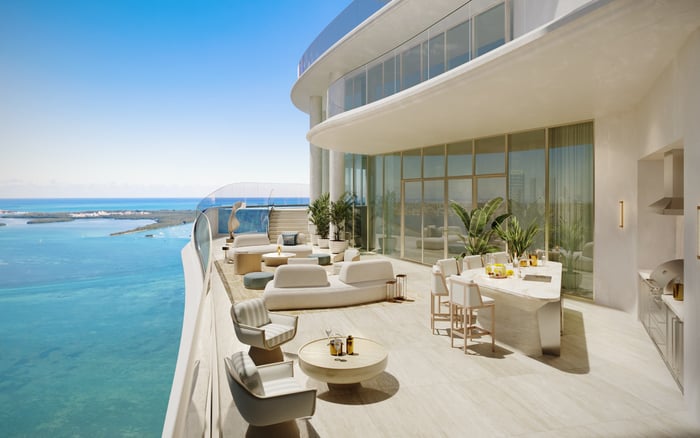
A buyer-focused look at evaluating The Residences at Mandarin Oriental, Miami for multigenerational visits, with emphasis on privacy, circulation, service expectations, and livable space.
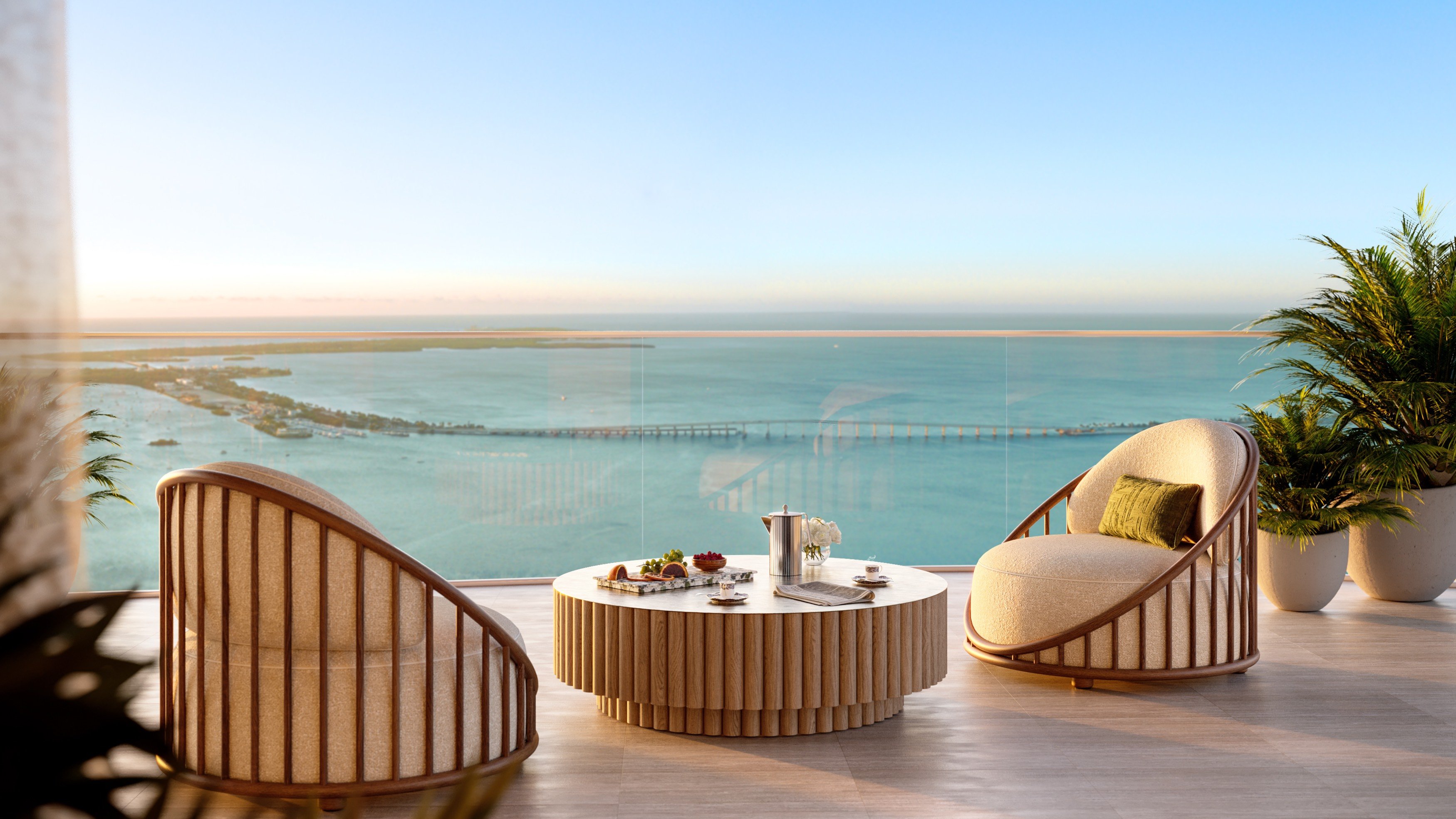
For affluent families, the question is rarely whether there is enough room for visiting grandparents. The more important question is whether a residence allows everyone to live well at the same time. The Residences at Mandarin Oriental, Miami belongs in that conversation for buyers who want a Miami home that can receive older relatives without turning every visit into a compromise.
A grandparent visiting for a weekend may need a comfortable guest room. A grandparent staying for several weeks, helping with children, recovering from travel, or keeping an independent daily routine needs something closer to a private retreat within the family home. The appeal is not simply more square footage. It is the ability to create separation, preserve dignity, and make shared time feel chosen rather than forced.
For buyers who divide time between Miami and other homes, this review should also include the second-home use case. The residence must feel complete when the primary owners are present, yet organized and gracious when adult children, grandchildren, or older relatives arrive for longer stays.
Grandparents are not ordinary houseguests when they stay for extended periods. They may keep different sleep schedules, prefer quieter mornings, need space for medication or personal items, or want the freedom to read, rest, call friends, or take meals on their own schedule. A well-chosen residence should support those patterns without making the host household rearrange its entire rhythm.
That is why privacy must be evaluated as a daily experience, not as a marketing word. Buyers should ask how easily an older relative can move from a guest suite to the kitchen, living area, terrace, or entry without feeling exposed. They should also consider whether the residence allows grandparents to withdraw comfortably when children, entertaining, work calls, or household activity become more energetic.
The strongest homes for this lifestyle offer closeness without constant overlap. Grandparents can be present for breakfast, school routines, and family time, then return to a quiet area that feels genuinely their own.
The most useful way to evaluate this type of purchase is to think beyond the occasional pied-à-terre. A beautiful residence can still be impractical if every room is designed around short visits, if guest bedrooms are too close to the main living area, or if guests have no natural place to retreat.
Families hosting grandparents should look for clear zones. The primary suite should remain protected from guest routines. Guest suites should provide enough separation for older relatives to wake early, rest in the afternoon, or keep private calls without becoming part of every household movement. Shared spaces should feel inviting without requiring everyone to be together all day.
Private arrival, elevator proximity, hallway width, bedroom placement, and the path between rooms all matter. These details may seem technical during a showing, but they shape whether an extended family stay feels calm or crowded.
For multigenerational living, service is not only about convenience. It can also protect family relationships. When older relatives visit for a longer period, small requests can accumulate: arrivals, meals, deliveries, housekeeping coordination, transportation planning, or basic day-to-day support.
A buyer considering a branded residential setting should examine what services are expected to be available, how they are accessed, and whether they fit the family’s privacy standards. The goal is not to replace family care. The goal is to prevent the host household from becoming responsible for every practical detail of a visit.
That boundary can be especially valuable for adult children hosting parents or in-laws. Grandparents may feel more independent when they are not constantly asking the owners for help, and owners may feel more relaxed when daily logistics do not dominate the visit.
Buyers should not assume that every large residence functions well for grandparents. Size alone does not answer the privacy question. The better test is how the plan handles bedroom separation, noise, circulation, mobility, storage, and the ability for guests to maintain familiar routines.
Start with the relationship between the primary suite and guest suites. If all bedrooms are clustered together, the home may feel efficient but not private. If guest rooms sit directly beside entertaining areas, visitors may feel exposed during dinners, children’s activities, or late conversations. A more successful plan gives grandparents proximity without making them part of every moment.
Next, consider movement through the home. The interior path from entry to guest suite, kitchen, terrace, and main living space matters as much as the arrival experience. Older relatives should be able to move comfortably without crossing the owners’ most private zones or navigating unnecessary barriers.
Noise deserves equal attention. Grandchildren, media rooms, work calls, entertaining, and morning routines can all create friction during extended stays. The ideal plan should allow rest and activity to coexist.
The Residences at Mandarin Oriental, Miami may be especially relevant for buyers who want family close, but not fully integrated into the hosts’ everyday living areas at all times. That is a subtle but essential distinction. The goal is not separation for its own sake. The goal is hospitality that feels generous rather than performative.
The likely buyer may have parents or in-laws who visit Miami seasonally, grandparents who spend school holidays with grandchildren, or adult children who arrive with their own families. In each case, the residence must absorb multiple generations without losing composure. It should host morning coffee with grandparents, afternoon routines with children, and evening entertaining for adults without making the household feel crowded.
This is where floor-plan discipline matters. A residence that works for extended family visits should also feel natural when guests leave. The best outcome is a home that can shift between private daily living and multigenerational hosting without feeling oversized, ceremonial, or difficult to manage.
For families evaluating this project, the central question is not whether it sounds luxurious. It is whether the luxury is practical. The strongest multigenerational residences are those where guests can feel independent, owners can feel undisturbed, and shared spaces remain pleasurable rather than overburdened.
Buyers should review specific layouts with a disciplined eye. Study the distance between suites, the privacy of arrival, the path from guest rooms to common areas, and the service model that may support older relatives during longer stays. Also consider how the home will feel during quiet weeks when grandparents are not visiting.
For the right family, The Residences at Mandarin Oriental, Miami belongs in the discussion because the purchase decision is about more than prestige. It is about choosing a Miami home that can welcome grandparents with warmth while preserving the privacy every generation needs.
Is The Residences at Mandarin Oriental, Miami suitable for grandparents staying longer than a weekend? It may be a fit for extended family visits if the selected residence provides enough separation, quiet, and practical circulation.
Should buyers focus mainly on square footage? No. Bedroom placement, privacy, noise control, and the way people move through the home are just as important as total size.
What should families examine first in a floor plan? Start with the relationship between the primary suite, guest suites, shared living areas, and the main entry path.
Why does guest-suite separation matter? Separation helps grandparents rest, read, take calls, or keep their own schedule without being pulled into every household activity.
How can service expectations affect multigenerational living? Service can reduce the burden on hosts when older relatives need help with routine requests, arrivals, or household coordination.
Is privacy only about bedroom location? No. Privacy also depends on circulation, sound, shared-space placement, entry sequence, and whether guests have a comfortable place to withdraw.
Can grandparents maintain independence in this type of residence? They can if the chosen layout supports easy movement, quiet routines, and access to the parts of the home they use most.
What makes a residence feel crowded during family visits? Crowding often comes from poor zoning, limited retreat areas, overlapping schedules, and guest rooms placed too close to active spaces.
Should the home still work when grandparents are not visiting? Yes. A successful layout should feel comfortable in daily private use and during extended family stays.
Who is the ideal buyer for this topic? It suits buyers who expect frequent visits from parents, in-laws, grandchildren, or adult children and want closeness without sacrificing privacy.
For a discreet conversation and a curated building-by-building shortlist, connect with MILLION.
If branded residences are on your mind — as a home or as an allocation — we would be glad to share what we are seeing, privately.
Begin a quiet conversation