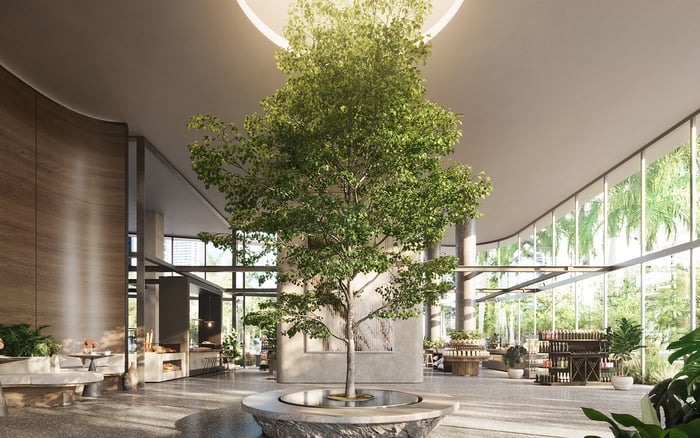
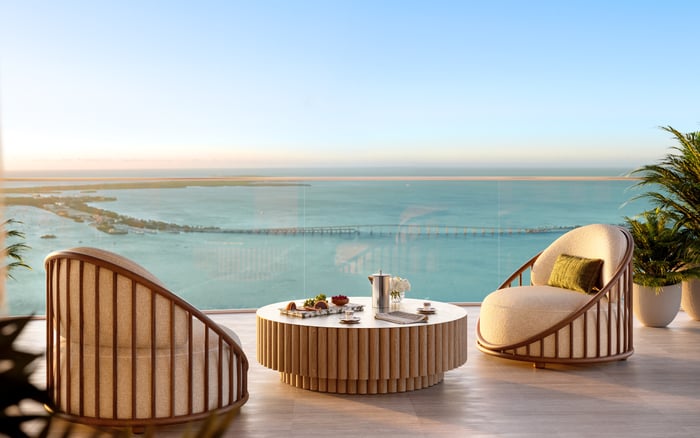
A practical ownership lens for evaluating Cipriani Residences Brickell and The Residences at Mandarin Oriental, Miami beyond branding, with emphasis on construction quality, façade care, and reserve transparency.
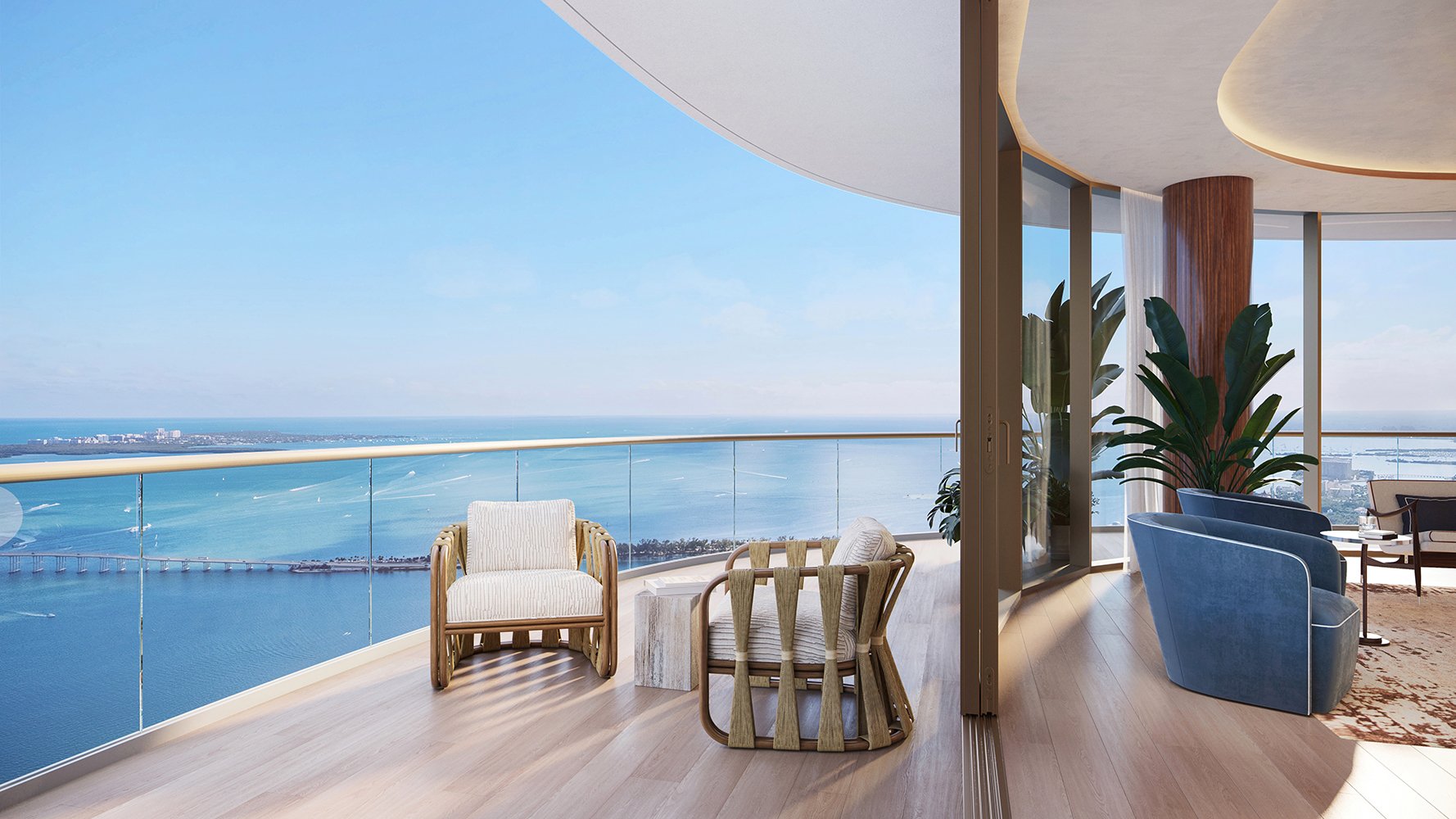
For buyers considering Cipriani Residences Brickell and The Residences at Mandarin Oriental, Miami, the initial pull is inevitably shaped by hospitality pedigree, design language, service expectations, and the promise of a polished daily life. For a full-time owner, however, the more consequential questions usually sit behind the finish package. How will the building age? How visible will future capital needs be? How disciplined will the association be in funding the systems that keep a luxury tower quiet, dry, reliable, and orderly?
That distinction matters because a primary residence in Miami is not experienced like a seasonal pied-à-terre. Elevators, mechanical systems, acoustic performance, garage membranes, waterproofing, exterior glass, balcony assemblies, and façade access are not abstract line items. They shape daily convenience, monthly ownership cost, and the level of disruption an owner may need to tolerate over decades.
In Brickell, the shift toward full-time luxury living raises the standard. A residence must function beautifully on an ordinary Tuesday morning, not only during a sales presentation. For buyers comparing branded, new-construction, pre-construction, and waterview condominium options, the central question is whether the building is planned as a long-life asset rather than simply a branded object.
A branded residence can deliver a powerful sense of arrival, but construction quality is ultimately measured by consistency, durability, and maintainability. At Cipriani Residences Brickell, buyers should look beyond the surface expression of the Cipriani name and ask how that brand promise translates into measurable building standards. That means asking about structural integrity, exterior durability, waterproofing strategy, and how common systems are expected to be maintained over time.
At The Residences at Mandarin Oriental, Miami, the same discipline applies. Mandarin Oriental’s reputation may shape expectations for service and atmosphere, but full-time ownership depends on how the property operates as a physical building. The quality of the ownership experience will be shaped by maintenance planning, association governance, repair-cycle discipline, and transparency around future common-element obligations.
For both projects, this is not an argument against design or service. It is an argument for placing them in the proper hierarchy. Finishes can be refreshed. Furnishings can be replaced. A poorly understood building envelope, underfunded mechanical replacement cycle, or ambiguous reserve policy can become far more consequential.
In Miami’s marine environment, exterior systems are not passive decoration. Façades, glazing, sealants, waterproofing conditions, balcony edges, and exposed elements require inspection, cleaning, maintenance, and eventual repair or replacement. For full-time owners, that reality affects both cost and quality of life.
Façade maintenance can influence access, noise, privacy, balcony use, and the rhythm of work around the building. In a luxury tower, residents may expect disruption to be minimized, communication to be precise, and sequencing to be professionally managed. The more a building depends on complex exterior systems, the more important it becomes to understand how access, inspection, and repair planning will be handled.
The issue is not whether Cipriani Residences Brickell or The Residences at Mandarin Oriental, Miami should be presumed to have a façade concern. They should not. The point is that every long-life condominium in Miami requires a thoughtful exterior-maintenance philosophy. Buyers should treat that philosophy as part of the value proposition.
Replacement reserves are where ownership discipline becomes visible. They help determine whether future façade work, structural maintenance, mechanical repairs, elevator modernization, waterproofing renewal, and garage membrane work are anticipated in monthly budgets or deferred into special assessments.
For Cipriani Residences Brickell, full-time buyers should ask how the association intends to budget for long-term repair cycles involving elevators, mechanical systems, exterior systems, waterproofing, and garage membranes. The more clearly those future cycles are recognized, the easier it is for owners to understand the true cost of holding the residence.
For The Residences at Mandarin Oriental, Miami, buyers should seek clarity around reserve studies, association budgets, and the allocation of future common-element costs. The strongest ownership structures are not necessarily the least expensive on day one. They are the ones that make future obligations legible, rational, and properly governed.
Reserve visibility also protects lifestyle. A well-planned association can communicate, phase, and fund work with less drama. An underexplained reserve strategy may preserve lower costs in the near term while increasing uncertainty later.
The most useful due diligence is practical. Buyers should ask how the building will be inspected, how maintenance work will be scheduled, and how residents will be notified when major common-element projects are required. They should review how the association budget contemplates recurring maintenance, not only amenities and staffing.
Questions should also address acoustic comfort and reliability. In a dense urban environment, a full-time owner is sensitive to service elevator downtime, lobby congestion, mechanical noise, window performance, and the timing of repairs. A tower can be visually exquisite and still feel imperfect if daily operations are inconsistent.
Buyers should also distinguish between what is promised by brand culture and what is embedded in governance. A brand can set expectations. The association, building staff, budgets, contracts, and maintenance schedule will carry those expectations into daily life.
Cipriani Residences Brickell may attract buyers who value refined Italian hospitality cues and the energy of Brickell. The due-diligence question is whether that appeal is paired with transparent planning for the building systems that will define long-term ownership. Full-time residents should want clarity on maintainability, not only mood.
The Residences at Mandarin Oriental, Miami may appeal to buyers seeking a more resort-calibrated interpretation of city living. The ownership test is similar. Does the brand standard translate into practical operational benefits, disciplined façade care, and clear governance around future capital work?
For both, the sophisticated buyer should resist treating newness as a substitute for analysis. New construction can reduce immediate maintenance anxiety, but it does not eliminate the need for reserve planning. Pre-construction enthusiasm can be valuable, but it should be paired with careful review of how obligations will be governed once the building is lived in every day.
The highest form of luxury in a Miami condominium is not only view, name, or amenity access. It is confidence. Confidence that the building envelope is being cared for, that reserves are visible, that mechanical systems are planned for, that maintenance work will be communicated intelligently, and that the association understands the asset it is managing.
For full-time owners, Cipriani Residences Brickell and The Residences at Mandarin Oriental, Miami deserve to be evaluated as homes within complex vertical infrastructure. The right question is not which brand sounds more compelling. It is which ownership structure gives the buyer greater confidence that the building will remain elegant, resilient, and financially coherent over time.
Should full-time buyers evaluate branded residences differently from second-home buyers? Yes. Full-time owners experience building operations daily, so reliability, acoustics, maintenance planning, and reserve transparency become especially important.
Does a luxury brand guarantee construction quality? A brand can create expectations, but buyers should still examine governance, maintenance planning, façade care, and reserve visibility as separate ownership fundamentals.
Why is façade maintenance so important in Miami? Miami’s marine environment makes exterior inspection, cleaning, waterproofing attention, and eventual repair planning a recurring owner-cost issue.
What should Cipriani Residences Brickell buyers ask about reserves? They should ask how future repair cycles for elevators, mechanical systems, waterproofing, garage membranes, and exterior systems will be budgeted.
What should Mandarin Oriental buyers ask about association planning? They should seek visibility into reserve studies, association budgets, and how future common-element repair costs will be allocated.
Are reserve questions a sign of concern about a specific project? No. They are standard, prudent questions for any long-life condominium asset, especially for owners planning to live there year-round.
Can low monthly costs be misleading? They can be if future repair obligations are not clearly funded. Lower near-term costs may increase the risk of special assessments later.
How does acoustic comfort fit into construction quality? For full-time residents, acoustic comfort affects daily livability and should be considered alongside finishes, amenities, and service standards.
Should buyers focus more on the residence or the association? Both matter. The private residence defines personal comfort, while the association determines how common systems are maintained and funded.
What is the main takeaway for long-term owners? Treat each tower as a long-life asset, and place construction quality, façade maintenance, and reserve visibility at the center of due diligence.
For a tailored shortlist and next-step guidance, connect with MILLION.
If branded residences are on your mind — as a home or as an allocation — we would be glad to share what we are seeing, privately.
Begin a quiet conversation