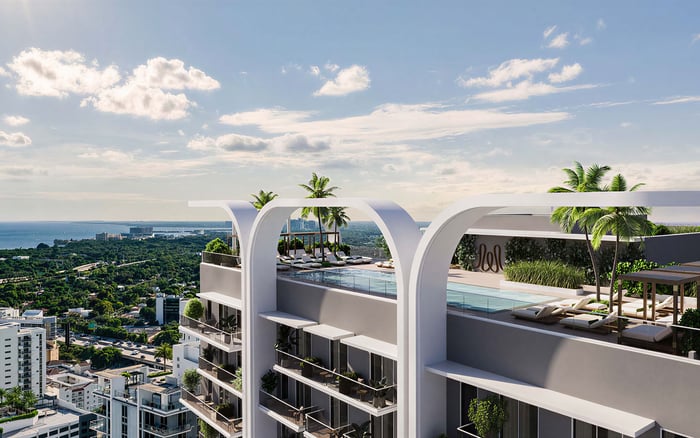
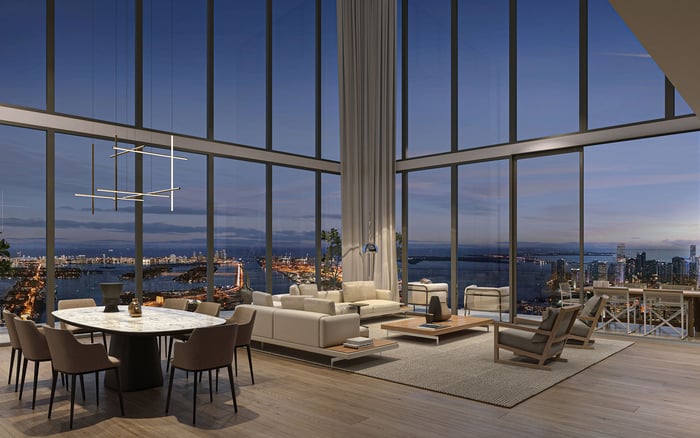
Balcony shade can enhance comfort in luxury condos, but the true question is whether the solution protects design integrity, approvals, structural expectations, and long-term value.
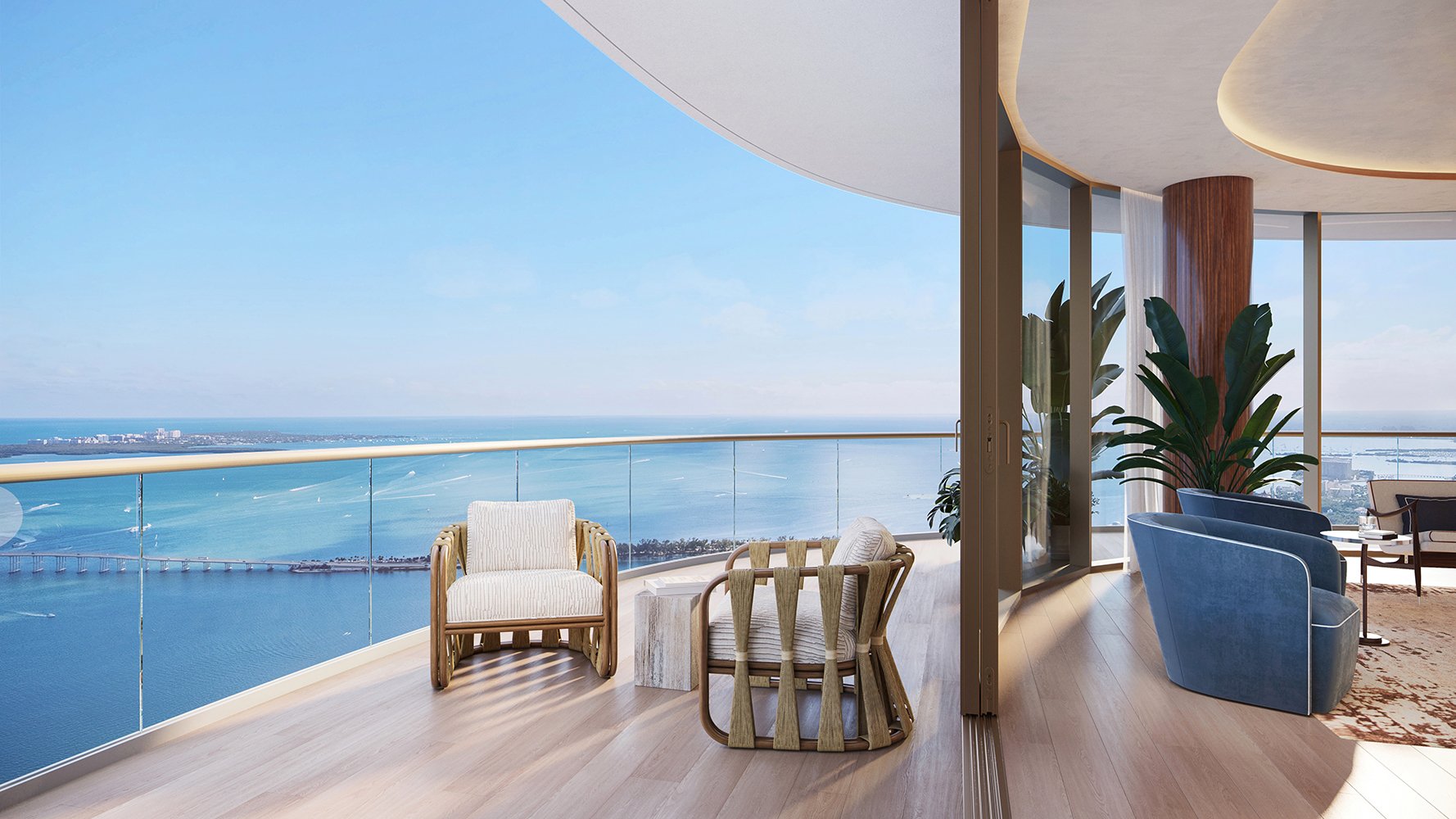
In South Florida luxury condominiums, shade is often framed as a lifestyle preference. It is the difference between a balcony used only at sunrise and a terrace that functions as an all-day extension of the residence. It softens glare, protects outdoor furnishings, improves comfort, and makes a waterfront view feel more livable.
Yet the quiet-risk question is not whether shade is desirable. In most cases, it is. The more important question is whether the shade solution belongs to the building, the balcony, and the long-term ownership plan.
That distinction matters. A shade device that feels effortless from inside a residence can create complications outside it. It may affect façade uniformity, wind exposure, drainage, cleaning access, neighbor sightlines, association approvals, or future resale perception. In a market where buyers scrutinize every inch of private outdoor space, balcony shade should be treated as a design and due diligence issue, not an afterthought.
For many searches, the vocabulary is simple: balcony, terrace, oceanfront, Brickell, Miami Beach, and high floors. The execution, however, is more nuanced.
South Florida buyers increasingly evaluate outdoor space with the same seriousness they apply to kitchens, closets, ceiling heights, and views. A balcony is no longer simply a place to stand between rooms. It is a breakfast setting, a private lounge, a work-from-home pause, a sunset ritual, and sometimes the deciding factor between two otherwise similar residences.
Shade changes the utility of that space. A deep overhang, well-positioned architectural fins, retractable screens, or carefully selected outdoor furnishings can make a terrace feel cooler, calmer, and more private. It can also reduce the visual harshness of direct sun, especially where glass walls and light flooring amplify brightness.
But luxury buyers should separate comfort from improvisation. A casually modified balcony can feel less polished, not more. Temporary umbrellas, exposed hardware, mismatched awnings, or visible straps may be functional, but they can undermine the architectural discipline that attracted the buyer in the first place.
The best shade strategies feel as though they were anticipated by the building, even when added later. They are quiet, restrained, and compatible with the condominium’s visual language.
Before a buyer imagines fabric, louvers, planters, screens, or pergola-like structures, the first review should be the condominium’s governing documents and approval process. Private outdoor space in a condominium is often subject to shared rules because it is visible from the exterior and may involve building systems, railings, slabs, drainage, or life-safety considerations.
A shade solution may be considered an exterior alteration even when installed within the boundaries of a private balcony. That can place it under association review. Approval standards may address color, materials, attachment points, visibility, maintenance responsibility, removal rights, and the need for professional installation.
For a luxury buyer, this is not merely procedural. It affects negotiating confidence. If a terrace is central to the purchase decision, the buyer should understand what can and cannot be done before closing. A residence with an exposed balcony may still be exceptional, but its value proposition changes if meaningful shade is restricted.
A discreet question to ask is simple: has the building established an accepted shade approach, or is every owner request treated individually? Consistency can signal a mature building culture. Ambiguity can be manageable, but it deserves attention.
The higher the residence, the more shade becomes an engineering conversation. Wind exposure can change the suitability of umbrellas, screens, retractable systems, and lightweight furnishings. A solution that feels secure on a low floor may be inappropriate on an upper balcony, especially in a waterfront or open-bay setting.
Salt air also deserves respect. Hardware, tracks, fasteners, fabrics, and frames must be selected with durability in mind. The most elegant shade element can become visually tired if it stains, corrodes, sags, or requires constant maintenance. In luxury real estate, deterioration is not just a practical inconvenience. It is a visual signal.
Buyers should pay close attention to how shade is anchored, how water drains, how components are cleaned, and whether the system can be removed without scarring the balcony or façade. Reversibility is often underappreciated. A solution that can be maintained, adjusted, or removed cleanly is usually more valuable than one that feels permanent without being truly integrated.
This is especially relevant in buildings where the architecture depends on crisp horizontal lines, clear glass, or uniform balcony profiles. Shade should support the building’s identity, not compete with it.
Balcony shade is not only about heat. It can shape privacy and the quality of the view. In dense waterfront corridors, buyers may want protection from neighboring sightlines without sacrificing openness. In glass-forward residences, glare can be as disruptive as warmth. The most refined solutions manage both while preserving the emotional reason the residence was chosen: the horizon, the water, the skyline, or the garden below.
This is where restraint becomes essential. Heavy shading can diminish the very view that commands the premium. Dark or opaque materials may make a terrace feel smaller. Tall planters can create privacy but may interrupt sightlines from seated positions. Screens can soften exposure but may change the character of a room when viewed from inside.
A sophisticated buyer studies the balcony at different times of day. Morning, midday, and late afternoon can reveal different conditions. A space that feels perfect during a showing may be far more exposed during daily life. Conversely, a balcony that seems too bright at first glance may be easily improved with furniture placement, outdoor textiles, or association-approved screening.
Outdoor space carries emotional value, but resale depends on confidence. A future buyer will ask whether a balcony is easy to live with, easy to maintain, and free of unresolved complications. If shade has been handled elegantly, it can make the residence feel more complete. If it appears informal or questionable, it can introduce doubt.
Documentation matters. Owners should keep approvals, specifications, maintenance records, and professional installation details. A buyer does not need a complicated file, but a clear paper trail can calm concerns. It shows that the shade solution was not merely added, but properly considered.
The same principle applies to staging. A shaded terrace should feel like an outdoor room, not storage for weather equipment. Furniture should be proportionate. Fabrics should be fresh. The composition should frame the view. In luxury condos, the terrace should invite use without advertising effort.
For sellers, the objective is not to over-explain the shade. It is to make the buyer feel that the balcony already works.
The most important questions are practical. What shade is currently allowed? What has already been approved in comparable residences? Are there preferred vendors or material standards? Can anything be attached to the ceiling, slab, railing, or exterior wall? Are freestanding options permitted? Who maintains the system? What happens if the association later requires removal?
Buyers should also ask whether the balcony’s orientation supports the intended lifestyle. A terrace used for breakfast may need a different shade strategy than one intended for cocktails, reading, or remote work. The correct solution is not universal. It is specific to exposure, floor height, view angle, association culture, and personal rhythm.
In the strongest residences, shade is not a compromise. It is part of the choreography of daily life. It helps the owner use the outdoor space more often, more comfortably, and with less friction.
The finest balcony shade does not announce itself. It feels inevitable. It respects the architecture, protects the view, and allows the terrace to live as a true extension of the interior. It also avoids the quiet risks that can follow improvised solutions: approval disputes, weather vulnerability, visual clutter, maintenance fatigue, and buyer hesitation.
For South Florida’s ultra-premium audience, that is the real question behind balcony shade. Not whether the sun can be managed, but whether it can be managed with elegance, compliance, and lasting confidence.
Why is balcony shade a risk issue in luxury condos? Because it can involve exterior appearance, association approvals, wind exposure, maintenance, and resale perception.
Should buyers ask about shade before making an offer? Yes. If the balcony is central to the purchase, buyers should understand what shade solutions are allowed before closing.
Are freestanding umbrellas always acceptable? Not necessarily. Even movable items may be subject to building rules, especially on exposed or high-floor balconies.
Can balcony shade affect a building’s façade? Yes. Visible shade elements can change the exterior rhythm of a condominium, which is why many buildings regulate them.
What is the most elegant shade solution? The best solution is usually one that feels integrated, restrained, durable, and compatible with the building’s design.
Does shade matter more for waterfront condos? It can. Waterfront exposure often makes glare, wind, salt air, and outdoor durability more important considerations.
Can plants be used for balcony shade? Sometimes, but planters should be evaluated for weight, drainage, wind stability, and association rules.
Should shade systems be documented for resale? Yes. Approvals, specifications, and maintenance records can help future buyers feel comfortable with the improvement.
Is a shaded balcony always more valuable? Not automatically. Value depends on whether the shade improves livability without compromising views, design, or compliance.
What should sellers do before showing a shaded terrace? They should make it feel clean, intentional, proportionate, and easy to maintain.
When you're ready to tour or underwrite the options, connect with MILLION.
If branded residences are on your mind — as a home or as an allocation — we would be glad to share what we are seeing, privately.
Begin a quiet conversation