A discreet buyer’s guide to evaluating impact-glass specifications before purchasing luxury real estate in Grove Isle, with practical questions for design, documentation, comfort, warranties, and resale confidence.
In Grove Isle, glass is not a minor finish. It frames the view, mediates light, shapes quiet, and defines much of the daily experience of living close to the water. For a luxury buyer, the question is not simply whether a residence has impact glass. The sharper question is what kind of impact-glass system is installed, how it was approved, how it has been maintained, and what documentation will transfer at closing.
This Buyer's Guides perspective matters because impact performance is not determined by glass alone. Frames, anchors, sealants, sliding tracks, operable panels, balcony doors, hardware, and installation quality all work together. A beautiful opening with incomplete records can become a negotiation point. A well-documented system can support confidence, comfort, and future resale.
At Vita at Grove Isle, as with any high-end Grove Isle purchase, buyers should treat specifications as part of the residence’s architecture rather than a line item buried in a disclosure package. The conversation belongs early in diligence, before emotional momentum overtakes technical clarity.
Begin with specificity. Ask for the manufacturer, product series, glass makeup, frame material, door type, window type, and any approval numbers available in the seller’s file. If the residence has been renovated, ask whether all openings were replaced at the same time or in phases. Mixed systems are not inherently problematic, but they require clearer documentation.
The essential word is system. A pane may be impact-rated, but the opening must be evaluated as a complete assembly. Ask whether fixed windows, sliding doors, terrace doors, corner conditions, and any specialty openings are covered by the same documentation. If certain openings differ, have those differences identified in writing.
For buyers comparing Coconut Grove residences, the same discipline applies whether one is considering an island address, a boutique building, or a larger full-service condominium. Projects such as Four Seasons Residences Coconut Grove remind buyers that design quality and technical questions should belong to the same conversation.
Request documentation before inspection, not after. Ask for permits related to window and door installation, final approvals, contractor information, and any closeout records available. If the seller does not have them immediately, request that they be located during the diligence period.
The goal is not to create friction. It is to avoid ambiguity. Luxury buyers often focus on millwork, stone, appliances, and art walls, yet the envelope of the residence may carry greater long-term significance. When glass and door systems are well documented, the buyer has a clearer path for insurance discussions, future repairs, and resale presentation.
New-construction purchases require the same precision. Ask what specifications are included in the contract documents, what substitutions are permitted, and how final delivered systems will be verified. In a boutique setting such as The Well Coconut Grove, the question is not only what is promised in design language, but what is delivered in the technical schedule.
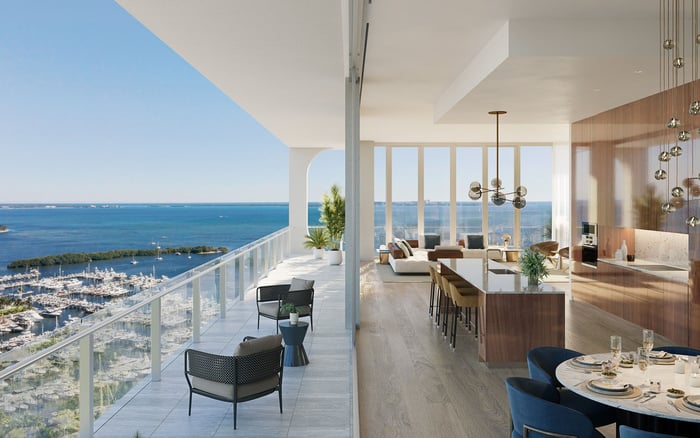
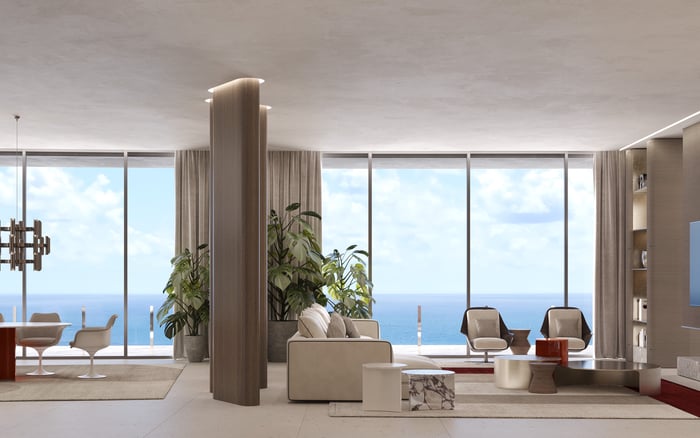
Impact glass is also a lifestyle feature. Ask about tint, reflectivity, thermal comfort, sound reduction, and interior glare. A residence may perform well structurally while still creating unwanted brightness, heat gain, or visual exposure at certain times of day. The more expansive the glass, the more carefully these details should be understood.
For waterfront living, this becomes especially important. Light reflecting from water can be beautiful, but it can also be intense. Ask whether the current owner uses window treatments for privacy, solar control, or both. Ask if motorized shades, blackout systems, or specialty films have been installed, and whether any after-market film could affect warranties.
Comfort questions should be experienced in person. Visit at different times if possible. Stand near the glass. Listen for exterior noise. Operate sliding panels slowly. Check whether doors feel smooth and substantial or whether they require effort. Luxury is often revealed in the quietness of movement.
Balcony openings deserve special attention because they are used frequently and exposed to more wear. Ask how sliding or swing doors drain, how tracks are maintained, and whether weatherstripping has been replaced. Look for smooth operation, consistent gaps, clean tracks, intact seals, and hardware that locks with confidence.
If a residence has large terraces, ask whether the door thresholds, exterior pavers, drains, and interior flooring were coordinated during renovations. A sophisticated interior renovation can still leave vulnerabilities where old and new conditions meet. These details may not be dramatic during a showing, but they can become meaningful over time.
In many view-driven residences across the Grove, the transition from interior living room to outdoor terrace is central to the ownership experience. That threshold should feel elegant, but it should also be technically legible.
Warranties can be nuanced. Ask whether product warranties exist, whether they are transferable, whether installation labor is covered, and what maintenance obligations are required to preserve coverage. If glass, frames, or doors were installed by a prior owner, ask for invoices and warranty cards.
Maintenance history is equally important. Coastal and island-adjacent residences ask more of exterior systems. Without making assumptions about any particular building, a prudent buyer should ask how often tracks are cleaned, hardware is serviced, gaskets are reviewed, and sealants are inspected. A residence that looks immaculate may still benefit from a specialist’s review.
If issues are identified, distinguish between adjustment, repair, and replacement. A stiff slider may need cleaning or hardware work. Failed seals, damaged frames, or undocumented installations may require deeper analysis. Your contract should leave room to evaluate the difference.
Impact-glass diligence should inform price, timing, insurance conversations, and post-closing planning. If the documentation is complete and the systems perform well, the buyer gains confidence. If records are thin, the buyer may request additional inspection, seller cooperation, credits, or contractual protections.
Do not let the subject remain verbal. Ask for written records. Attach key documents to your diligence file. If representations matter to your decision, have them handled through the appropriate contractual channels. The most refined acquisitions are rarely rushed. They are calm, documented, and deliberate.
Grove Isle buyers often arrive with strong aesthetic instincts. The best outcomes pair that instinct with technical discipline. Impact glass should preserve the serenity of the residence, not become an unanswered question after closing.
Is it enough for a seller to say the residence has impact glass? No. Ask for the specific system, installation records, approvals, and any warranties that may transfer.
Should I inspect every opening? Yes. Fixed glass, sliding doors, terrace doors, and specialty openings may have different specifications or histories.
What documents should I request first? Request permits, final approvals, contractor information, product details, invoices, and warranty materials when available.
Can after-market window film affect a warranty? It can be relevant, so ask whether any film was installed and whether it was approved under the applicable warranty terms.
Why do balcony doors need extra attention? They are used often and involve tracks, locks, drainage, thresholds, seals, and exterior exposure.
Should impact-glass questions affect my offer? They can. Strong documentation may support confidence, while unclear records may justify further diligence or negotiation.
Do new residences still require glass diligence? Yes. Ask what specifications are contractually included and how final delivered systems will be verified.
Who should review the glass during due diligence? Use qualified inspectors and, when appropriate, specialists familiar with windows, doors, and exterior envelope conditions.
What comfort issues should I test in person? Notice glare, heat, privacy, noise, ease of operation, locking feel, and the quality of the interior-to-terrace transition.
What is the best way to shortlist comparable options for touring? Start with location fit, delivery status, and daily lifestyle priorities, then compare stacks and elevations to validate views and privacy.
For a tailored shortlist and next-step guidance, connect with MILLION.
If branded residences are on your mind — as a home or as an allocation — we would be glad to share what we are seeing, privately.
Begin a quiet conversation