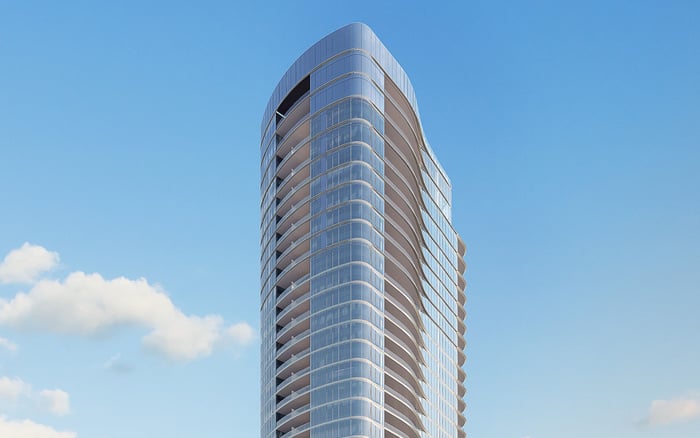
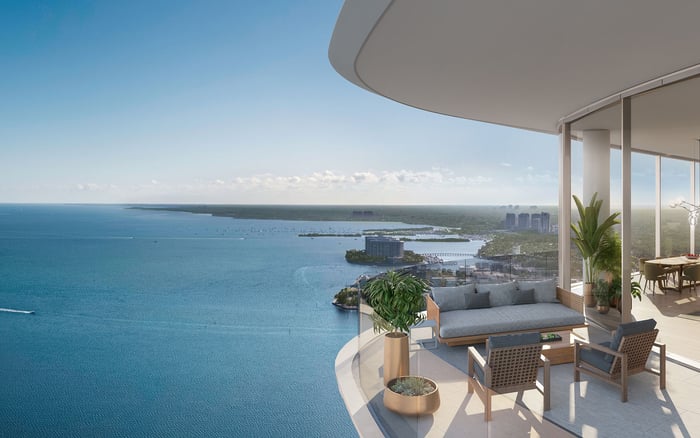
Financed buyers considering high-floor residences in South Florida should evaluate wind behavior as part of underwriting, lifestyle due diligence, insurance review, and long-term ownership planning before contract execution.
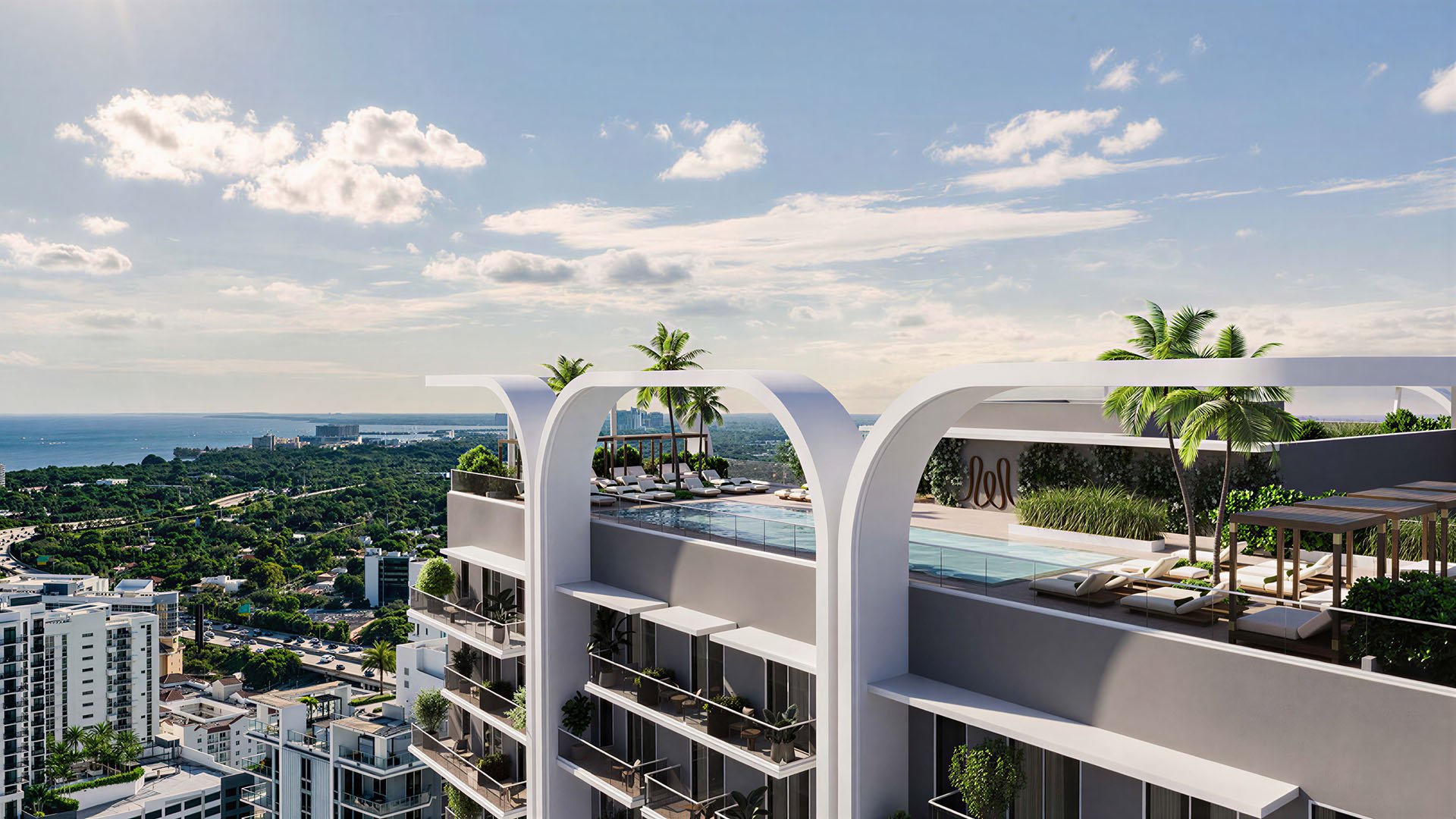
A high-floor residence in South Florida offers a distinct kind of theater: water, skyline, light, and a sense of removal from the city below. For many buyers, especially those financing a purchase, that elevation is central to the appeal. It can also be part of the risk profile.
Wind behavior is not simply a storm-season issue. It is a year-round ownership consideration that can influence comfort, balcony use, window and door performance, insurance conversations, lender confidence, and resale perception. A financed buyer has more than personal preference at stake. The property must satisfy the buyer, but also the lender, insurer, appraiser, and, in many cases, the condominium documentation review.
This is especially relevant in high-floor residences, where exposure, orientation, and building geometry can shape the daily experience. A unit that feels serene during a midday showing may behave differently during stronger seasonal winds, after dark, or when balcony doors, terrace furniture, and exterior systems become part of the lifestyle equation.
Cash buyers can often absorb uncertainty more easily. Financed buyers need fewer surprises. If a lender raises questions about insurance, building condition, association finances, litigation, reserves, or property eligibility, the issue can become a closing constraint rather than a theoretical concern.
Wind behavior belongs in that early diligence category because it touches several overlapping areas. It may affect the perceived usability of outdoor space. It may prompt closer review of impact glazing, sliding doors, balcony drainage, railings, shutters where applicable, and building maintenance history. It can also shape the buyer’s view of carrying costs, since coastal towers and waterfront buildings often require careful insurance and association analysis.
In Brickell, for example, a buyer comparing vertical urban living at The Residences at 1428 Brickell with other tower options should think beyond floor height as a prestige marker. The more practical question is how a particular line, exposure, and balcony configuration will function on days when wind is present, persistent, and part of daily life.
Buyers often speak about wind as if it were a single condition. It is more nuanced. A high-floor corner residence can feel different from an interior line. A bay-facing balcony can behave differently from an ocean-facing terrace. A setback, neighboring tower, podium, or open water corridor can all change the experience.
The same is true across submarkets. Miami Beach, Sunny Isles, Pompano Beach, Fort Lauderdale, Brickell, Coconut Grove, Bay Harbor Islands, and West Palm Beach each present different combinations of water, skyline, exposure, and building form. Oceanfront living is not automatically more problematic, and inland living is not automatically calm. The correct analysis is property-specific.
A buyer touring 57 Ocean Miami Beach may be drawn to the relationship between sand, sea, and residential calm. That appeal is real, but a disciplined buyer still asks how terrace orientation, glazing, door systems, and association maintenance standards support the experience over time.
In South Florida luxury real estate, the balcony is often treated as an outdoor room. It may hold dining furniture, planting, artful lighting, or simply the quiet ritual of morning coffee above the water. On a high floor, it should be evaluated with the same seriousness as an interior living area.
Ask how often the terrace will be genuinely usable. Consider whether wind could limit dining, make furniture selection more restrictive, or require a more conservative approach to décor. Review association rules on exterior furnishings, storm preparation, storage, planters, and balcony modifications. These details matter because a financed buyer is not just purchasing square footage. The buyer is purchasing a lifestyle that must remain practical under the building’s rules and the climate’s realities.
In Sunny Isles, where vertical coastal living is central to the market identity, projects such as St. Regis® Residences Sunny Isles invite buyers to weigh elevation, service, and exposure together. The best balcony is not necessarily the highest one. It is the one whose design, orientation, and usability match the owner’s actual habits.
The cleanest time to address wind-related concerns is before the contract becomes difficult to unwind. Once loan deadlines, inspection periods, deposit schedules, and closing dates are moving, a buyer has less room to investigate calmly.
A prudent buyer should ask about impact-rated windows and doors, known water intrusion history, balcony maintenance protocols, association repair policies, and insurance coverage structure. The point is not to create anxiety. It is to identify whether the residence, building, and financing plan are aligned.
It is also wise to see the property at more than one time of day when possible. A polished showing can reveal finishes and views, but a second visit can reveal sound, air movement around balcony doors, elevator comfort, and the way common areas feel under different conditions. Financed buyers should also ask their lender early whether the condominium association package, insurance documentation, and project characteristics may require additional review.
For ultra-premium buyers, value is not only price per square foot. It is the stability of desirability. A residence that offers dramatic views but limited terrace usability may appeal to one buyer and disappoint another. A unit with a more protected exposure may trade on a quieter form of luxury.
This is why wind behavior should be part of resale thinking. Future buyers will ask many of the same questions: How usable is the terrace? Does the residence feel quiet? Do the doors seal well? Are the common areas carefully maintained? Is the association attentive to exterior systems? These are not cosmetic details. They influence confidence.
In Pompano Beach, a buyer considering The Ritz-Carlton Residences® Pompano Beach may be looking for refined coastal living with a brand-led residential experience. Even in that context, the fundamentals remain the same: exposure, construction quality, maintenance culture, and financing readiness should be reviewed before signature, not after.
High-floor wind behavior sits at the intersection of real estate, finance, insurance, inspection, and lifestyle advisory. A strong buyer team should coordinate those disciplines rather than treat them as separate checkboxes.
The real estate advisor should help frame the lifestyle implications by floor, line, exposure, and building type. The lender should confirm condominium review requirements and documentation timing. The insurance advisor should explain coverage expectations and potential friction points. The inspector should look closely at openings, seals, balcony surfaces, drainage, and any visible signs of water intrusion or exterior wear.
No single professional sees the entire picture alone. For a financed buyer, the goal is not perfection. It is clarity. If the property’s wind behavior, building documentation, and financing pathway all support the purchase, the buyer can proceed with more confidence.
South Florida rewards vertical living. The best high-floor homes offer light, privacy, perspective, and a sense of occasion that cannot be recreated at ground level. But elevation should never be judged by the view alone.
Before signing, stand on the balcony. Listen at the sliding doors. Ask about maintenance. Read the association rules. Confirm the lender’s review path. Understand insurance expectations. Compare the property’s romance with its daily practicality.
For financed buyers, that discipline is not a retreat from luxury. It is the very definition of sophisticated acquisition.
Why is wind behavior important for financed buyers? It can influence comfort, inspection priorities, insurance review, and lender confidence. Addressing it early reduces the chance of late-stage financing friction.
Does a higher floor always mean more wind? Not always. Orientation, tower shape, neighboring buildings, balcony design, and exposure can make two high-floor residences feel very different.
Should I avoid high-floor units in South Florida? No. High-floor residences can be exceptional, but they deserve more precise diligence before a financed buyer commits.
What should I inspect first on a windy high-floor unit? Focus on windows, sliding doors, seals, balcony drainage, railings, and any signs of water intrusion or exterior wear.
Can wind affect balcony usability? Yes. Furniture choice, dining comfort, planters, and everyday outdoor use can all depend on exposure and building rules.
Is oceanfront exposure always more challenging? Not necessarily. Some oceanfront residences are well designed for their setting, while other less exposed locations may still have wind effects.
When should my lender review the condominium documents? As early as possible. Early review helps identify documentation, insurance, or project-level issues before deadlines become tight.
Should I visit the residence more than once? When possible, yes. Different times of day can reveal sound, air movement, balcony comfort, and common-area performance.
Do association rules matter for wind-related planning? Yes. Rules may govern terrace furniture, storm preparation, planters, exterior storage, and permitted balcony changes.
How should I compare two high-floor units? Compare view, exposure, terrace usability, building maintenance, financing readiness, and the daily feeling of the residence.
For a confidential assessment and a building-by-building shortlist, connect with MILLION.
If branded residences are on your mind — as a home or as an allocation — we would be glad to share what we are seeing, privately.
Begin a quiet conversation