A buyer-focused look at how amenity-floor noise can affect luxury condo living, resale confidence, and due diligence in South Florida’s vertical market.

In South Florida’s luxury condominium market, buyers are trained to evaluate what they can see: water exposure, ceiling height, private elevator access, parking, finishes, and the poetry of a well-positioned terrace. Yet one of the most consequential lifestyle questions often stays quiet, sometimes literally: how does a residence live when it sits above, below, beside, or near an amenity floor?
Amenity spaces are among the great promises of modern vertical living. They are also among the least understood variables when a buyer is comparing floor plans in a sales gallery, at a resale showing, or during a pre-construction presentation. Pools, spas, lounges, children’s rooms, fitness centers, treatment suites, club rooms, catering kitchens, service corridors, and outdoor decks can all shape the acoustic character of adjacent homes.
For the ultra-premium buyer, the question is not whether amenities are desirable. They are. The question is whether the private residence remains private in practice. Quiet is not merely a comfort feature; it is a form of value protection.
Noise in a condominium is rarely a single issue. It may arrive as airborne sound from voices, music, doors, and gatherings. It may arrive as impact sound from furniture movement, footfall, fitness equipment, carts, or pool-deck activity. It may also be felt as vibration through structural elements, particularly when mechanical areas, gyms, or heavily used back-of-house spaces sit close to a residence.
The concern is especially relevant in new-construction towers, where amenity programs have become more elaborate. Developers increasingly compete on lifestyle, which means amenity floors are no longer modest accessory spaces. They can be hospitality-scale environments designed for daily use, private events, wellness routines, and multi-generational households.
That shift elevates the importance of adjacency. A home one level above a gym may live differently from a home ten floors above the same gym. A residence overlooking an amenity deck may enjoy visual energy during the day yet experience different sound conditions during evening use. A unit beside a service elevator may feel efficient on paper but less serene during peak operating hours.
For buyers accustomed to estates, waterfront compounds, or club communities, the adjustment can be subtle. In a tower, luxury is shared vertically. The best due diligence recognizes that reality before contract, not after move-in.
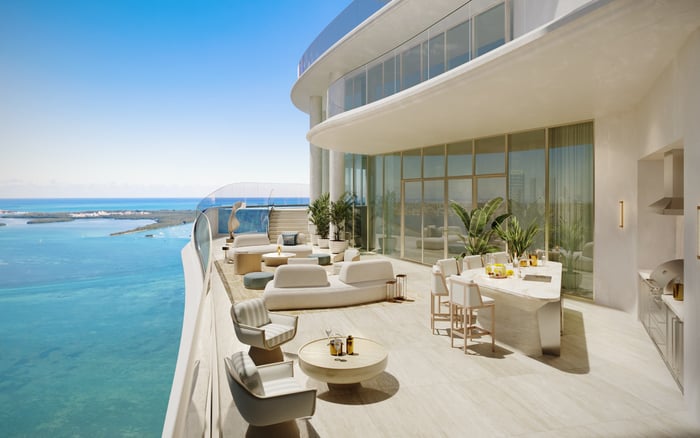
Amenity-floor noise is not limited to the amenity level itself. It can affect homes immediately above, immediately below, across an internal courtyard, or along transfer levels where building systems and lifestyle spaces converge. The risk can be greater where outdoor and indoor programs meet, such as pool terraces connected to lounges, bars, cabanas, grills, and entertainment rooms.
Pool decks require particular attention because water, hard surfaces, furniture, music, and gatherings can create a different acoustic profile than a carpeted interior lounge. Fitness areas also deserve scrutiny, especially when weight training, group exercise, or equipment zones are positioned near residential slabs. Even quiet wellness spaces can generate recurring activity if treatment rooms, lockers, staff circulation, and waiting areas sit behind the walls.
High floors are not automatically immune, just as lower floors are not automatically compromised. The specific stack matters. So do the building’s acoustic design, management culture, operating hours, and enforcement. A disciplined, well-managed building can feel more peaceful than a newer tower with looser use patterns.
In dense luxury submarkets such as Brickell, buyers often focus on skyline position and elevator convenience. Along oceanfront corridors, attention shifts toward beach access, pool decks, and outdoor hospitality areas. In Sunny Isles, where towers frequently emphasize resort-style living, the relationship between residences and amenity zones can be central to daily comfort.
The first step is to request and study the floor relationship. Buyers should understand what sits directly above, below, and beside the residence. It is not enough to know that a building has a spa or club room; the key is where those spaces sit relative to the home’s bedrooms, primary suite, living room, and outdoor areas.
The second step is timing. A midday showing may not reveal evening activity. A weekday appointment may not capture weekend pool use. If the property is completed and occupied, serious buyers should try to experience the residence at more than one time of day. If it is pre-construction, the emphasis shifts to plans, specifications, and direct questions about acoustic separation.
The third step is specificity. General assurances that a building is “well built” are not the same as understanding slab assemblies, wall separation, door placement, mechanical locations, and amenity operating policies. Buyers do not need to become engineers, but they should ask disciplined questions and retain appropriate advisors when the purchase merits it.
The fourth step is lifestyle alignment. A buyer who travels often and uses the residence seasonally may have a different tolerance than a family living full time with early schedules, remote work, or young children. Quiet risk is personal, but it is also market-facing because future buyers will ask similar questions.
Some luxury attributes announce themselves immediately. Others are discovered only after living in the home. Quiet belongs to the second category, which is why it can be undervalued during a rushed purchase.
A residence with a calm acoustic environment can feel larger, more private, and more restorative. It allows the architecture to perform as intended. It lets a primary suite become a true retreat. It makes a sunset dinner on a terrace feel intimate rather than exposed to the activity of the building below.
Conversely, even a beautiful residence can be burdened by recurring noise that is difficult to explain in listing copy. The issue may not prevent a sale, but it can narrow the buyer pool, lengthen negotiations, or invite price resistance from those who are especially sensitive to sound.
This is why quiet should be evaluated alongside views, light, exposure, ceiling height, parking, and building prestige. In the highest tiers of the market, silence is not absence. It is a feature.
A polished buyer conversation should include clear, practical questions. What amenity spaces are closest to the residence? What are the permitted hours of use? Are private events allowed, and if so, where? Are speakers permitted on outdoor decks? How is furniture movement managed? Where are the service corridors, trash rooms, staff elevators, and mechanical spaces? What acoustic measures separate active areas from residential units?
For completed buildings, review building rules and communicate carefully through proper channels. For pre-construction, request the relevant plan information and confirm what can be documented. In either case, the goal is not to be adversarial. It is to match the residence to the buyer’s expectations.
Buyers should also consider the bedroom stack. A living room near an amenity edge may be acceptable; a primary bedroom over an active space may not be. Children’s rooms, home offices, guest suites, and media rooms each have different sensitivity levels. The best floor plan is not only beautiful; it is strategically insulated from the life of the building.
South Florida buyers are not asking buildings to be quiet at the expense of pleasure. They are asking for resort living that does not compromise the residence itself. That is a reasonable expectation in markets where homes are purchased for privacy, climate, water, design, and long-term enjoyment.
The nuance is that different neighborhoods produce different amenity behaviors. Brickell may bring a more urban rhythm. Miami Beach can blend wellness, beach life, and social use. Oceanfront buildings often revolve around pool and coastal access. Sunny Isles may emphasize full-service resort environments. Each setting can be exceptional, but each requires a slightly different quiet-risk lens.
The most sophisticated buyers do not dismiss amenity floors. They study them. They understand that a coveted building can contain both exceptionally serene homes and homes better suited to owners with a higher tolerance for activity. That distinction is where advisory value matters.
For MILLION readers, the amenity-floor question is ultimately about control. Luxury ownership should feel effortless, but the purchase process should be exacting. The buyer who asks about sound, vibration, operating hours, and adjacency is not being difficult; they are protecting the experience they came to South Florida to acquire.
The strongest residence is rarely defined by one attribute. It is the composition of view, plan, privacy, arrival, services, management, and quiet. When those elements align, the home feels calm before the buyer can fully explain why.
What is amenity-floor noise in a luxury condo? It is sound or vibration that may come from shared spaces such as pools, gyms, lounges, spas, service corridors, or event areas.
Are homes directly above amenity floors always risky? No. Risk depends on the specific layout, construction, acoustic separation, management rules, and how the amenity is used.
Can a high-floor residence still be affected by amenity noise? Yes. High floors can still be affected by sound paths, outdoor decks, mechanical systems, or vertical circulation, depending on the building.
Which amenity areas deserve the closest review? Pools, fitness rooms, club rooms, outdoor decks, catering spaces, children’s rooms, and service zones typically merit careful attention.
Should buyers visit at different times of day? Yes. If the building is completed, visiting during different use periods can reveal conditions that a single showing may miss.
How should pre-construction buyers assess quiet risk? They should review plans, ask about adjacent uses, and seek clarity on acoustic separation, operating hours, and amenity policies.
Does amenity noise affect resale value? It can. Recurring noise may reduce buyer enthusiasm, while a notably quiet residence can strengthen perceived quality and privacy.
Is outdoor amenity noise different from indoor noise? Often, yes. Outdoor sound can travel unpredictably, especially around pool decks, hard surfaces, courtyards, and terraces.
Can building rules reduce amenity-floor concerns? Rules can help when they are clear and consistently enforced, especially around hours, events, music, and furniture movement.
What is the best buyer mindset on this issue? Treat quiet as a core luxury feature and evaluate it with the same care as views, finishes, parking, and building services.
To compare the best-fit options with clarity, connect with MILLION.
If branded residences are on your mind — as a home or as an allocation — we would be glad to share what we are seeing, privately.
Begin a quiet conversation