A buyer-focused comparison of Casa Bella by B&B Italia and The Residences at Mandarin Oriental, Miami, showing how design culture and hospitality operations shape wellness credibility in Miami luxury real estate.
In South Florida’s most refined residential conversations, wellness is no longer a spa room, a fitness deck, or a calming palette in a sales gallery. It is becoming a full-building culture: the combined effect of architecture, interiors, service, air, privacy, humidity control, and the cadence of daily life.
That is why Casa Bella by B&B Italia Downtown Miami and The Residences at Mandarin Oriental, Miami make such a useful comparison. One is rooted in the Downtown and Edgewater corridor, shaped by the design language of B&B Italia and the emotional intelligence of Italian interiors. The other is positioned on Brickell Key, where Mandarin Oriental’s hospitality culture brings a different promise: service-led recovery, discretion, and hotel-grade operational discipline.
For sophisticated buyers, the question is not which tower has the more glamorous amenity narrative. It is which building culture can translate brand identity into lived credibility over years of ownership.
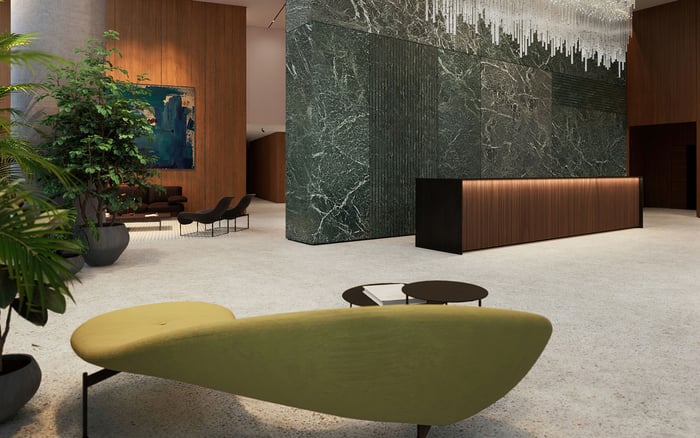
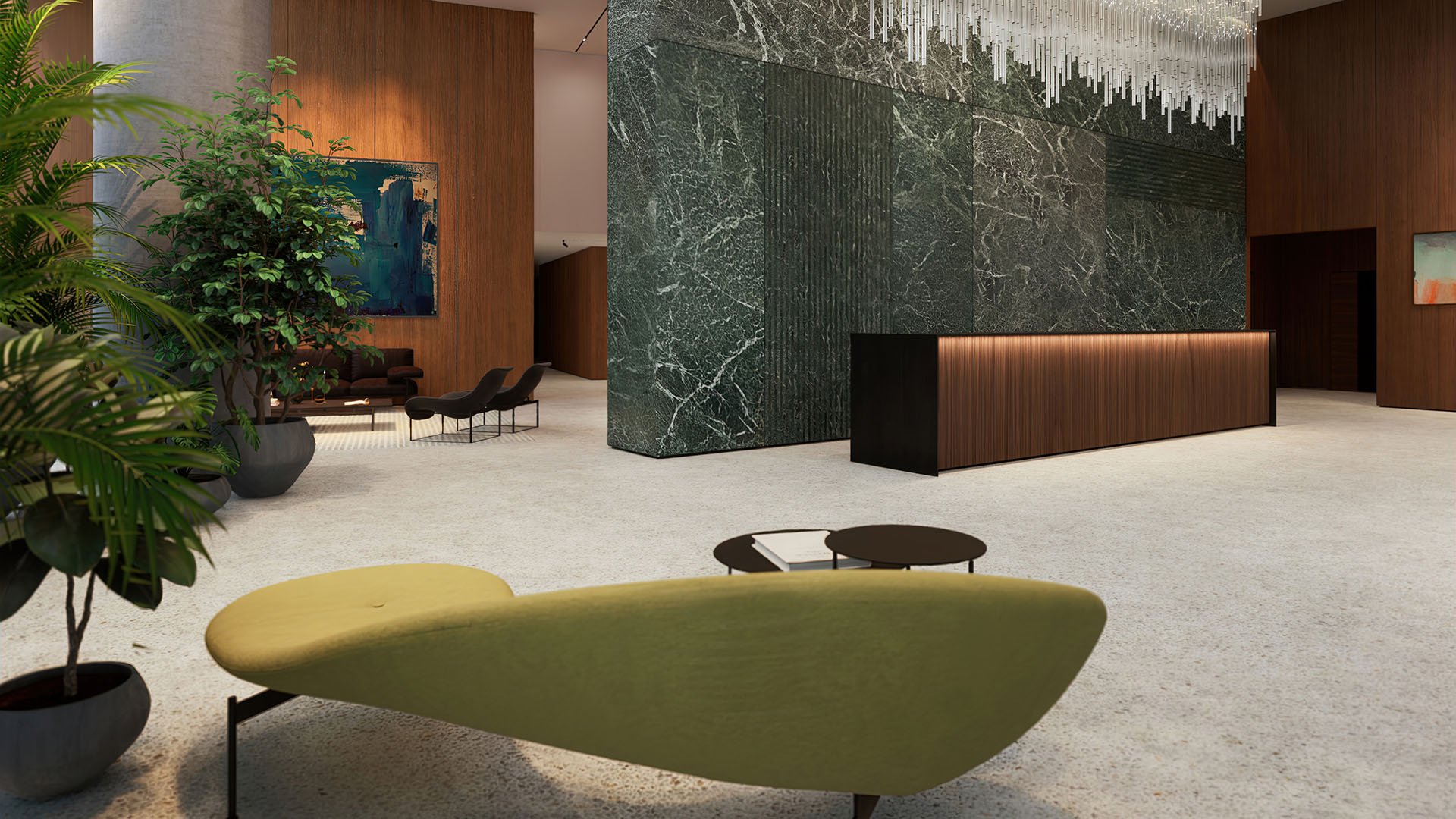
Casa Bella’s wellness proposition begins with the visible world: furnishings, proportions, materials, lighting, and the tactile calm that comes from a coherent interior language. For buyers drawn to Downtown energy with proximity to Edgewater, the project’s identity is less about hotel ritual and more about aesthetic wellness: the sense that a residence can restore the nervous system through beauty, restraint, and spatial composition.
That distinction matters. A design-led tower can create recovery through mood and atmosphere before a resident ever enters a formal amenity space. A lobby can lower the tempo. A residence can feel composed rather than decorated. Shared spaces can invite lingering without performance. In this sense, Casa Bella by B&B Italia Downtown Miami speaks to buyers who believe interiors are not secondary to wellness, but central to it.
Still, the premium buyer should separate visible wellness signals from invisible building performance. Fine furniture, Italian styling, and curated amenity environments can shape comfort, but they do not, on their own, answer questions about air quality, fresh-air exchange, humidity, thermal balance, or long-term maintenance. Casa Bella’s credibility ultimately depends on whether its design-led promise is supported by durable building systems and a resident experience that remains consistent after the first impression fades.
The Residences at Mandarin Oriental, Miami asks buyers to evaluate wellness through a different lens. On Brickell Key, its appeal is tied to hospitality culture: daily service rituals, privacy management, attentiveness, and the expectation that high-touch living should feel effortless rather than theatrical.
This is a powerful proposition for residents who view recovery as something supported by people and systems, not only by design. A service-led building can make wellness credible through quiet repetition: arrivals that protect privacy, staff who understand preferences, amenity areas that feel managed rather than merely presented, and operational standards that reduce friction in everyday life.
Yet prestige alone is not the test. For a hospitality-led residence, the crucial question is whether the service model can remain consistent over time. Recovery spaces must be protected from crowding, noise, and over-programming. Privacy must be managed with discipline. Maintenance must be proactive rather than reactive. The promise of The Residences at Mandarin Oriental, Miami is strongest when brand culture, staffing, resident protocols, and physical space work as one.
For Brickell buyers, this is especially relevant. The neighborhood’s intensity can be part of its appeal, but a residence on or near its core must also create a meaningful retreat from that energy. The most compelling hospitality-branded homes do not simply offer access to services. They choreograph daily decompression.
Miami’s climate makes indoor air quality one of the most serious wellness due-diligence topics in new-construction luxury. Heat, humidity, salt air, seasonal storms, and heavy air-conditioning use all place pressure on building envelopes and mechanical systems. In this environment, comfort is not just about temperature. It is about dryness, freshness, filtration, odor control, and mold-risk mitigation.
For both Casa Bella and Mandarin Oriental, buyers should ask precise questions before allowing brand identity to carry too much weight. How is fresh air introduced? How is humidity managed in residences and common areas? What filtration approach is planned or disclosed? How will systems be maintained over time? What protocols exist for spaces with high moisture exposure? How does the building address thermal comfort across seasons and occupancy patterns?
These questions are not signs of skepticism. They are signs of sophistication. In Miami, the best wellness buildings will be those where invisible infrastructure performs as gracefully as visible design. Air quality is not a marketing afterthought. It is part of the lived value of a residence.
Recovery spaces have become an essential part of ultra-luxury residential life, but their credibility depends on behavior as much as appearance. A calm room is only restorative if it remains quiet. A wellness suite is only useful if scheduling, privacy, temperature, acoustics, and staffing support the experience. A pool deck becomes more than a view amenity when it supports rest rather than social congestion.
This is where the Casa Bella and Mandarin Oriental comparison becomes most revealing. Casa Bella’s recovery value is likely to be read through design atmosphere and the emotional effect of curated interiors. Mandarin Oriental’s recovery value is more closely tied to operational reliability, service discretion, and the way residents are guided through daily routines.
Neither model is inherently superior. They simply ask different questions of the buyer. The design-led buyer should ask whether the physical environment has enough technical backbone to support the mood it promises. The service-led buyer should ask whether hospitality standards can remain personal and private inside a residential ownership structure.
A serious comparison should begin with lifestyle, then move quickly into systems. If your ideal residence is shaped by interiors, furniture culture, materiality, and an atmosphere of composed elegance, Casa Bella may feel more aligned with your personal definition of wellness. If your idea of restoration depends on service, privacy, ritual, and operational polish, Mandarin Oriental may carry the stronger emotional logic.
From there, due diligence should become practical. Ask about HVAC design, fresh-air strategy, humidity control, filtration, acoustic separation, maintenance staffing, amenity governance, and how wellness spaces will be reserved, cleaned, and protected from overuse. In a market where luxury language is abundant, the best questions are often unglamorous.
Downtown and Edgewater buyers should also consider how urban energy affects recovery. Brickell buyers should consider how a building creates sanctuary within a high-intensity financial and residential district. Wellness credibility is not abstract. It is shaped by the friction a building removes from daily life.
Casa Bella and Mandarin Oriental represent two major directions in Miami’s branded-residence evolution. One uses design culture to make the home feel more restorative, more tactile, and more emotionally resolved. The other uses hospitality culture to make life feel more supported, private, and operationally refined.
The most discerning buyers will not choose based on brand recognition alone. They will look for alignment between promise and performance. They will ask whether air quality and humidity control are treated as core residential values. They will ask whether recovery spaces are planned for real use, not only for visual appeal. They will ask whether the building’s culture can endure after the sales narrative gives way to everyday living.
That is the new Miami luxury standard. Views and finishes still matter, but they are no longer the full definition of value. In the next generation of South Florida residences, wellness credibility will belong to buildings that make comfort measurable, privacy habitual, and recovery part of the architecture of daily life.
What is the main difference between Casa Bella and Mandarin Oriental in this comparison? Casa Bella is best understood as design-led wellness, while Mandarin Oriental is framed around hospitality-led recovery and service culture.
Is Casa Bella by B&B Italia Downtown Miami primarily about hotel-style service? No. Its brand culture is more closely tied to Italian interiors, furniture, tactile luxury, and aesthetic wellness.
Why does Brickell matter for The Residences at Mandarin Oriental, Miami? Brickell’s intensity makes privacy, operational control, and daily decompression especially important for luxury residents.
Why are air quality and humidity so important in Miami? Miami’s climate makes fresh air, humidity management, thermal comfort, and mold-risk mitigation essential ownership questions.
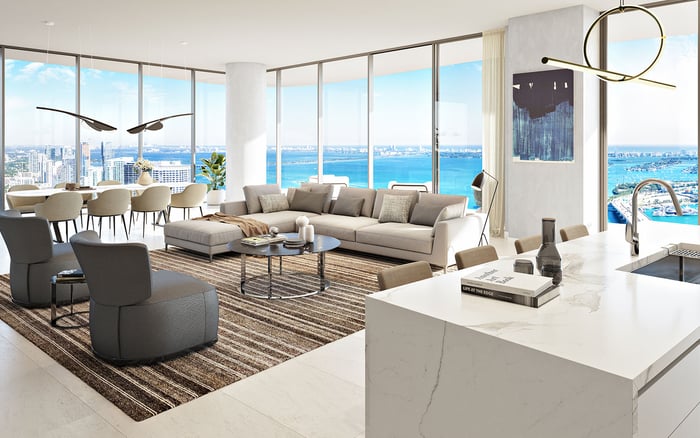
Should buyers rely on amenity renderings to judge wellness? No. Renderings can express intent, but buyers should also evaluate systems, operations, privacy, and long-term maintenance.
What should buyers ask about HVAC systems? They should ask about fresh-air exchange, filtration approach, humidity control, maintenance protocols, and common-area comfort.
Does a strong brand automatically guarantee wellness credibility? No. Brand value becomes credible only when supported by building systems, service consistency, and a thoughtful resident experience.
How should recovery spaces be evaluated? Buyers should consider privacy, acoustics, crowding, scheduling, staffing, cleaning standards, and whether the spaces remain calm in daily use.
Which buyer may prefer Casa Bella? A buyer who values interiors, materiality, design atmosphere, Downtown access, and proximity to Edgewater may find it especially compelling.
Which buyer may prefer Mandarin Oriental? A buyer who prioritizes service rituals, privacy management, Brickell access, and operational polish may find its culture more aligned.
When you're ready to tour or underwrite the options, connect with MILLION.
If branded residences are on your mind — as a home or as an allocation — we would be glad to share what we are seeing, privately.
Begin a quiet conversation