A buyer-oriented look at staff logistics, service circulation, delivery planning, and back-of-house design considerations for Frida Kahlo Wynwood Residences.
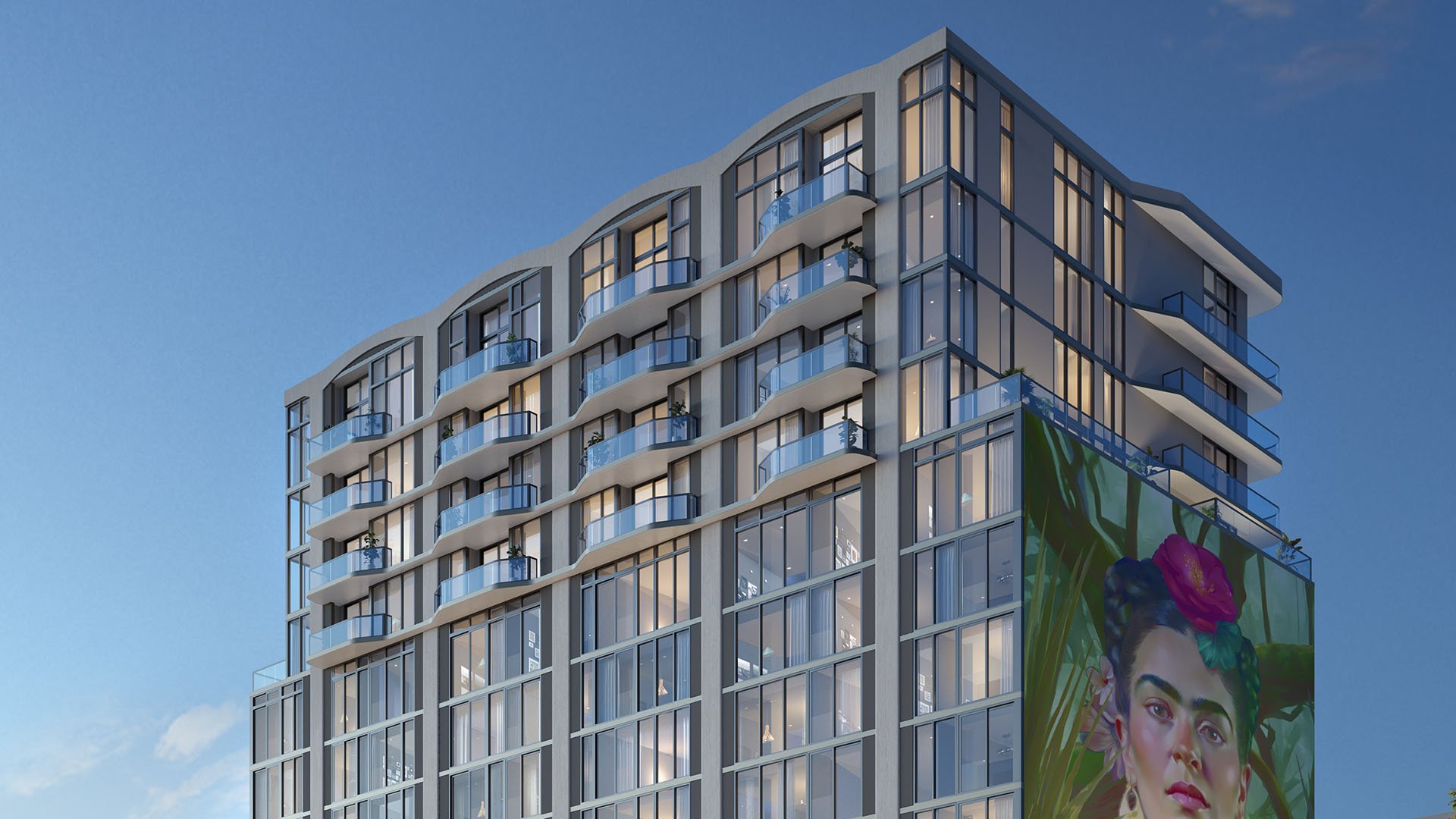
In a luxury residence, the most persuasive design is often the least visible. Buyers naturally begin with ceiling heights, outdoor space, kitchens, spa amenities, and views. Yet daily comfort depends just as much on how a building manages staff movement, deliveries, waste, maintenance, pets, vendors, and household support. For buyers evaluating Frida Kahlo Wynwood Residences, the question is not only what the residence presents to guests, but how gracefully the building performs behind the scenes.
That distinction is especially important in Wynwood, where residential life meets restaurants, galleries, retail energy, and an active street environment. A refined urban building must preserve the calm of home while recognizing the pace beyond its doors. That balance comes through service choreography: where people enter, how packages arrive, where trades wait, how housekeeping circulates, and whether residents can move through the property without feeling the building’s operational pressure.
For buyers tracking Wynwood, Design & Architecture, New-construction, Boutique, Lifestyle, and Pre-Construction opportunities, back-of-house planning deserves to be treated as a core component of value. It is not a secondary concern. It is the infrastructure of privacy.
Strong back-of-house design begins at arrival. A well-considered building separates the resident experience from the service experience without making either feel compromised. That may include clear access protocols for domestic staff, dog walkers, private chefs, florists, art handlers, personal trainers, maintenance vendors, and furniture installers. In a dense neighborhood, this separation becomes more than convenience. It becomes a form of acoustic, visual, and security control.
Buyers should ask how service personnel are checked in, where they wait, and how they move vertically. A dedicated service elevator, or a carefully managed elevator protocol, can shape the rhythm of an entire property. If every delivery, contractor, and resident shares the same path at the same time, the lobby may feel busy even in an otherwise beautifully designed building. If the paths are intelligently separated, the residence feels calmer.
Urban projects across South Florida increasingly compete on this quieter layer of performance. In Brickell, for example, a buyer considering 2200 Brickell may ask a similar question from a different lifestyle angle: how does the building protect everyday ease in a high-demand city setting? The answer is often found less in renderings than in operational diagrams, delivery rules, loading access, and staffing protocols.
Luxury buyers live with a constant stream of logistics. Fresh groceries, wardrobe shipments, wine deliveries, flowers, pet supplies, dry cleaning, design samples, health and wellness equipment, and last-minute entertaining needs all arrive at the building before they reach the residence. A strong back-of-house plan anticipates that volume.
For Frida Kahlo Wynwood Residences buyers, the practical diligence is clear. Ask where packages are received, how cold storage is handled if offered, how oversized deliveries are routed, and what happens during peak periods. The objective is to avoid friction. A lobby should not become a warehouse, and residents should not have to navigate carts, boxes, or vendor congestion during daily arrivals.
The same principle applies to move-ins and installations. High-end residences often involve art, custom furnishings, specialty lighting, millwork, and fragile materials. Service corridors, elevator dimensions, protective procedures, and scheduling policies can materially affect the move-in experience. These details rarely carry the romance of a terrace view, yet they determine whether the first week in a new residence feels polished or chaotic.
At the upper end of the market, many residents rely on recurring household support. Housekeepers, nannies, assistants, personal chefs, nurses, trainers, and estate managers may all interact with the building. The issue is not simply access. It is rhythm.
A discreet building allows household support to function without disrupting residential privacy. Staff should know where to enter, where to collect deliveries, how to reach the residence, and how to coordinate with building management. The resident experience improves when these rules are clear and consistent. Ambiguity creates interruptions.
This is one reason branded and wellness-oriented properties often place strong emphasis on service culture. A buyer touring The Well Coconut Grove, for instance, may focus on wellness programming, but should also examine the operational frame that allows that lifestyle to feel seamless. The lesson translates to Wynwood: amenities matter, but the service routes behind them matter too.
Waste handling is not glamorous, but in luxury condominium living it is deeply consequential. Trash rooms, recycling protocols, bulk disposal, pet-related waste, and cleaning schedules all affect odor control, corridor presentation, and staff efficiency. Buyers should understand whether refuse movement is separated from resident circulation and how often building teams maintain these areas.
Maintenance access is another important layer. Mechanical rooms, storage, janitorial closets, staff staging areas, and equipment routes should be planned so building operations do not intrude on residential life. When service teams can work efficiently, repairs are faster, common areas remain more polished, and residents feel less operational noise.
For a Boutique building, the margin for error can be narrower. A smaller property may feel more personal and intimate, but it still must handle the full complexity of urban residential life. Buyers should not assume that fewer residences automatically mean simpler operations. The question is whether the design supports the level of service its audience expects.
Privacy is often discussed in terms of elevator access, guarded entries, and residence separation. Those elements matter, but privacy also depends on how many nonresidents cross a resident’s path throughout the day. Every vendor, delivery person, and service provider becomes part of the building’s lived experience.
In this sense, back-of-house design is not merely technical. It is a lifestyle subject. A residence feels more private when operational movement is absorbed into the architecture. Residents should feel that the building anticipates activity without displaying it.
The same issue appears in waterfront and high-rise settings, even when the aesthetic language changes. At Aria Reserve Miami, buyers may consider scale, views, and amenity depth. In Wynwood, the conversation may be more urban and culturally driven. Yet both buyer profiles benefit from the same discipline: a careful reading of how the building functions when it is fully occupied, fully staffed, and fully alive.
A polished sales presentation can tell a buyer what a property intends to feel like. Operational questions reveal how it may live. Before committing to Frida Kahlo Wynwood Residences or any comparable New-construction opportunity, buyers should request clarity on service access, delivery management, package handling, move-in procedures, vendor insurance requirements, elevator reservation policies, pet circulation, waste management, and after-hours protocols.
The goal is not to make the property defensive. It is to understand whether the building’s daily systems match the buyer’s household. A frequent traveler may care deeply about package security and staff access. A collector may focus on art delivery and climate-sensitive handling. A family may prioritize caregivers, school runs, groceries, and pet support. An investor may care about durability, management quality, and operational consistency over time.
Miami’s most compelling residences increasingly understand that luxury is a choreography of details. Frida Kahlo Wynwood Residences enters that conversation through a Wynwood lens, where cultural energy and residential privacy must coexist. The buyers who ask about the back of house are often the same buyers who recognize enduring value before it becomes obvious.
Why does back-of-house design matter in a luxury condominium? It shapes privacy, delivery flow, staff movement, maintenance efficiency, and the daily calm of the building.
What should buyers ask about Frida Kahlo Wynwood Residences? Buyers should ask how deliveries, vendors, private staff, move-ins, waste handling, and service circulation are managed.
Is a service elevator important? It can be important, especially when a building expects frequent deliveries, household staff, contractors, and move-ins.
How does Wynwood change the operational conversation? Wynwood’s active urban setting makes discreet arrival, vendor control, and lobby calm especially valuable for residents.
Should investors care about back-of-house planning? Yes. Strong operations can support resident satisfaction, building reputation, and long-term property resilience.
What is the difference between front-of-house and back-of-house? Front-of-house is what residents and guests typically see, while back-of-house supports service, maintenance, and logistics.
Do boutique buildings need the same operational scrutiny as large towers? Yes. Boutique properties can feel intimate, but they still need disciplined systems for daily residential demands.
How do packages affect the luxury experience? Poor package planning can create lobby clutter and delays, while thoughtful systems preserve order and discretion.
What should families consider? Families should review caregiver access, grocery flow, pet circulation, stroller movement, and after-hours building protocols.
What is the best way to shortlist comparable options for touring? Start with location fit, delivery status, and daily lifestyle priorities, then compare stacks and elevations to validate views and privacy.
For a tailored shortlist and next-step guidance, connect with MILLION.
If branded residences are on your mind — as a home or as an allocation — we would be glad to share what we are seeing, privately.
Begin a quiet conversation