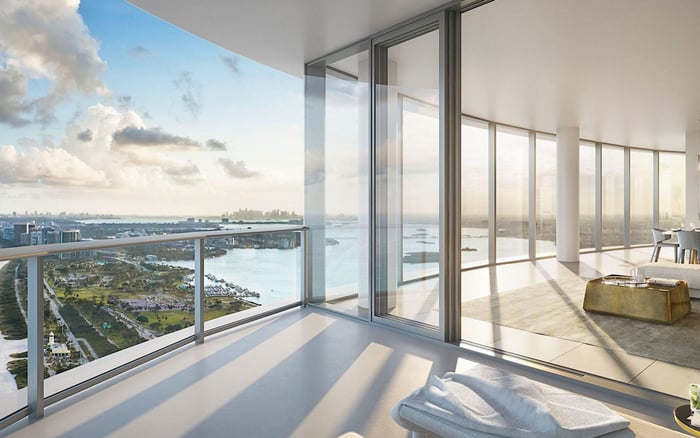
For international buyers, the price of a South Florida residence is only part of the acquisition equation. Closing speed, fund movement, staffing preparation, legal coordination, currency exposure, and operating readiness can all influence the true cost of owning a staff-ready home in markets such as Brickell, Miami Beach, Sunny Isles Beach, Palm Beach, Fort Lauderdale, and Fisher Island.
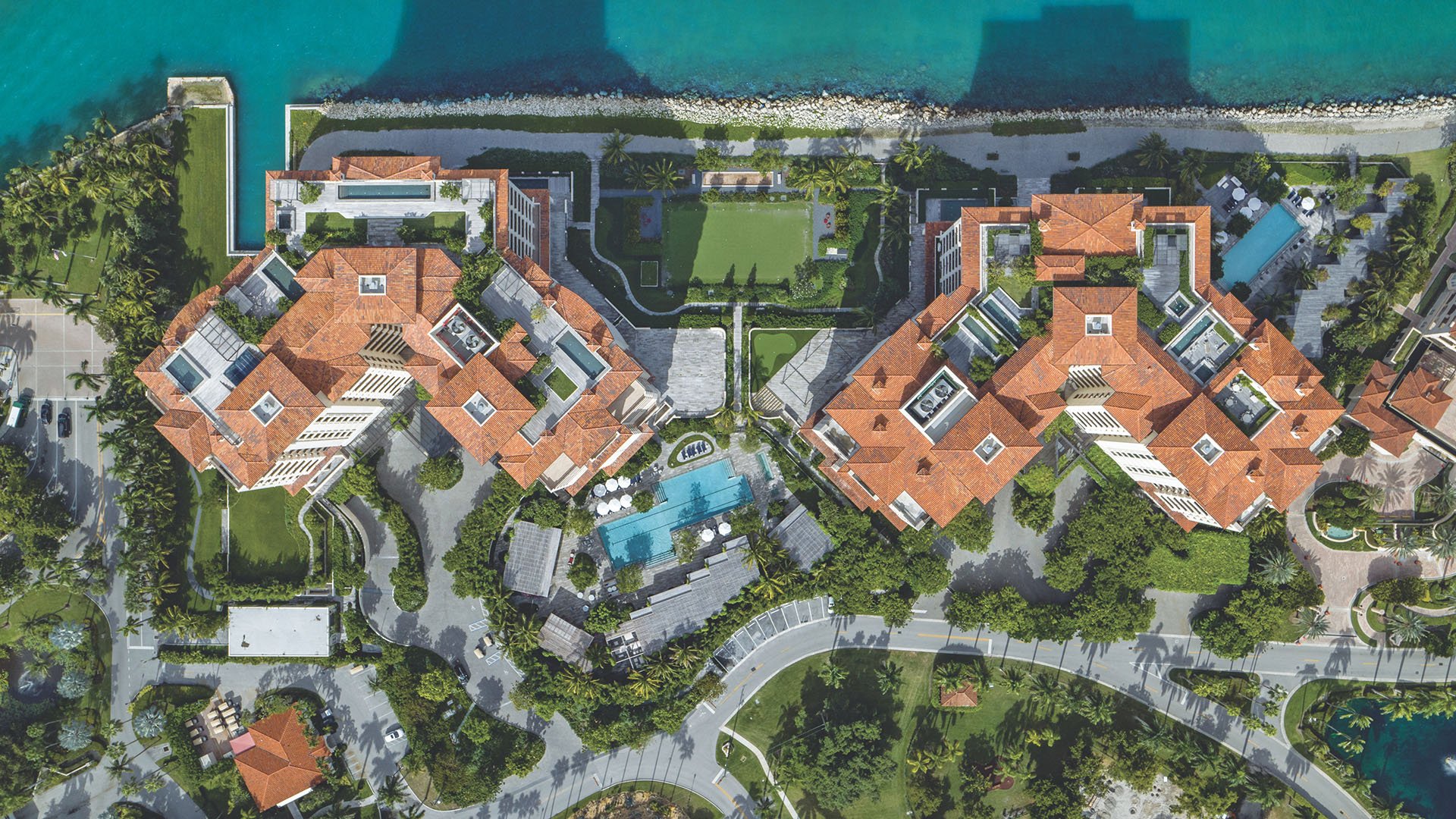
For a foreign buyer acquiring a staff-ready residence in South Florida, the purchase price is only the opening figure. The real cost often emerges between contract, closing, and first use. That interval can be seamless when coordinated well, or expensive when treated as a mere administrative formality.
The issue is especially relevant for buyers seeking immediate lifestyle utility: a staffed condominium in Brickell, a beach residence in Miami Beach, a waterfront home base in Sunny Isles Beach, or a discreet second home intended for seasonal family use. When a property must be move-in ready not just for the owner, but for house managers, chefs, drivers, assistants, security, and visiting guests, time becomes a financial variable.
A delayed closing can affect currency exposure, legal costs, interim housing, private aviation planning, insurance timing, furniture receiving, service contracts, and staff onboarding. A rushed closing can create its own costs if banking, entity structure, documentation, or vendor access has not been synchronized. In either scenario, the residence may be beautiful, yet operationally unfinished.
Domestic buyers often have familiar banking relationships, established credit visibility, and local professionals already in place. Foreign buyers may be navigating cross-border funds, document authentication, entity formation, tax coordination, and compliance review across more than one jurisdiction. None of these elements is inherently problematic, but each can add sequence and dependency.
The practical question is not simply, “Can the buyer close?” It is, “Can the buyer close at the moment that best preserves economic control?” That distinction matters in luxury real estate because the residence is rarely passive. A South Florida home may be tied to a school calendar, yacht schedule, family office plan, renovation sequence, art installation, or winter-season arrival.
In Brickell, for example, a buyer considering St. Regis® Residences Brickell may be focused on service, vertical convenience, and immediate urban access. The closing timeline should be reviewed alongside banking logistics and the buyer’s intended occupancy rhythm. A residence designed for a polished arrival can still require careful coordination before it functions as a private household.
Currency is one of the least visible, but most consequential, timeline risks. A buyer funding in another currency may agree to a purchase price that feels settled, while the effective cost continues to move until funds are converted and transferred. Even a modest shift in exchange rates can alter the real cost of the residence, especially at the upper end of the market.
This is not only about the contract deposit or final balance. It can also affect furniture procurement, imported goods, payroll planning, travel, insurance reserves, and the first year of household operations. Buyers who wait until the final days to coordinate currency conversion may discover that a nominally stable purchase has become materially different in their home currency.
The more staff-ready the residence is expected to be, the more currency planning should include operational capital. A household that begins with immediate staff, stocked kitchens, guest preparation, vehicles, technology support, and maintenance contracts needs liquidity beyond the closing statement.
A staff-ready residence is not merely furnished. It is managed. That means access protocols, vendor onboarding, household manuals, service expectations, payroll structure, security procedures, and maintenance responsibilities should be established before the owner expects flawless use.
For a Miami Beach buyer evaluating a residence such as The Perigon Miami Beach, the question may not be whether the property is architecturally compelling. It may be whether the ownership team can align closing with house management, privacy preferences, arrival dates, and guest-hosting expectations. A residence can be physically complete but operationally unprepared.
This is where closing delays become expensive. Staff may be retained before access is available. Vendors may be scheduled and rescheduled. Temporary accommodations may be extended. Perishable stocking, wardrobe moves, fine-art installation, and technology work may be paused. Each item can seem minor on its own, yet collectively they can shift the true acquisition cost.
Some foreign buyers purchase entirely in cash, while others use financing as part of broader wealth planning. Either path requires timing discipline. Cash may appear simpler, but international fund movement, documentation, and compliance review can still introduce friction. Financing may preserve liquidity, but it can add underwriting, asset verification, and closing coordination.
A buyer should decide early whether the residence is primarily lifestyle, investment, family office asset, or a hybrid. The answer can affect title structure, insurance review, banking relationships, and the preferred pace of closing. A poorly sequenced timeline may force decisions under pressure, which is rarely ideal in a high-value acquisition.
In Sunny Isles Beach, where buyers may compare serviced high-rise living and private automotive convenience at properties such as Bentley Residences Sunny Isles, the funding strategy should be considered alongside how quickly the residence must become usable. If a property is intended for near-term seasonal use, financial readiness and household readiness should move in parallel.
The economic life of a luxury residence can begin before the owner enjoys it. Association costs, insurance, utilities, staffing commitments, maintenance contracts, storage, professional fees, and travel coordination can all appear before the first dinner party. When closing moves later than expected, costs may continue elsewhere: leased residences, hotel suites, retained staff, storage facilities, or extended vendor deposits.
When closing moves earlier than expected, the buyer may carry the property before the household plan is complete. That can mean paying for a residence that is not yet ready for the intended lifestyle. In either case, the calendar determines whether expenses feel orderly or duplicated.
For buyers considering waterfront or resort-oriented residences in West Palm Beach, Fort Lauderdale, Bal Harbour, or Fisher Island, the same principle applies. At Forté on Flagler West Palm Beach, timing may be viewed through the lens of seasonal arrival, privacy, and service continuity. At The Residences at Six Fisher Island, it may be viewed through exclusivity, access, and household orchestration.
The most efficient foreign-buyer closings are rarely accidental. They begin with a timeline that combines legal, financial, household, and lifestyle considerations. The buyer’s advisors should understand not only the purchase contract, but also the date by which the home must function.
That means confirming who will receive keys, who will authorize vendors, how funds will move, when insurance should bind, how staff will be retained, and whether any work is needed before occupancy. It also means asking whether a delayed closing creates exposure, or whether an accelerated closing creates unnecessary carrying costs.
The goal is not speed for its own sake. The goal is controlled readiness. In South Florida’s luxury market, where residences are often global assets with personal, financial, and operational dimensions, a refined closing is one that helps prevent the purchase price from becoming only the first of many unplanned costs.
Why can a foreign-buyer closing take longer? Cross-border funds, documentation, entity planning, financing, and compliance review can add steps that should be coordinated early.
Does a cash purchase always close faster? Not necessarily. Cash can simplify underwriting, but international transfers and documentation can still affect timing.
What is a staff-ready residence? It is a home prepared not only for occupancy, but also for household staff, vendors, security, service routines, and guest use.
Why does currency timing matter? If funds originate in another currency, exchange-rate movement can change the buyer’s effective cost before closing.
Can a delayed closing increase staffing costs? Yes. Staff, vendors, or temporary arrangements may need to be retained even if the residence is not yet accessible.
Should household staff be hired before closing? It depends on access, timing, and the buyer’s intended arrival date. A phased plan is often more efficient.
What should be coordinated before the closing date? Banking, insurance, legal documents, access permissions, vendor schedules, and household operating needs should be aligned.
Is a faster closing always better? No. Closing too quickly can create carrying costs before the home is operationally ready.
How should buyers think about first-year costs? They should include more than purchase price, with attention to staffing, insurance, maintenance, utilities, and setup costs.
What is the main takeaway for international buyers? Closing timing should be treated as part of the acquisition strategy, not as a back-office detail.
For a confidential assessment and a building-by-building shortlist, connect with MILLION.
If branded residences are on your mind — as a home or as an allocation — we would be glad to share what we are seeing, privately.
Begin a quiet conversation