A discreet guide to evaluating balcony enclosure systems in high-rise Miami residences, from design integrity and association approvals to comfort, maintenance, and resale perception.
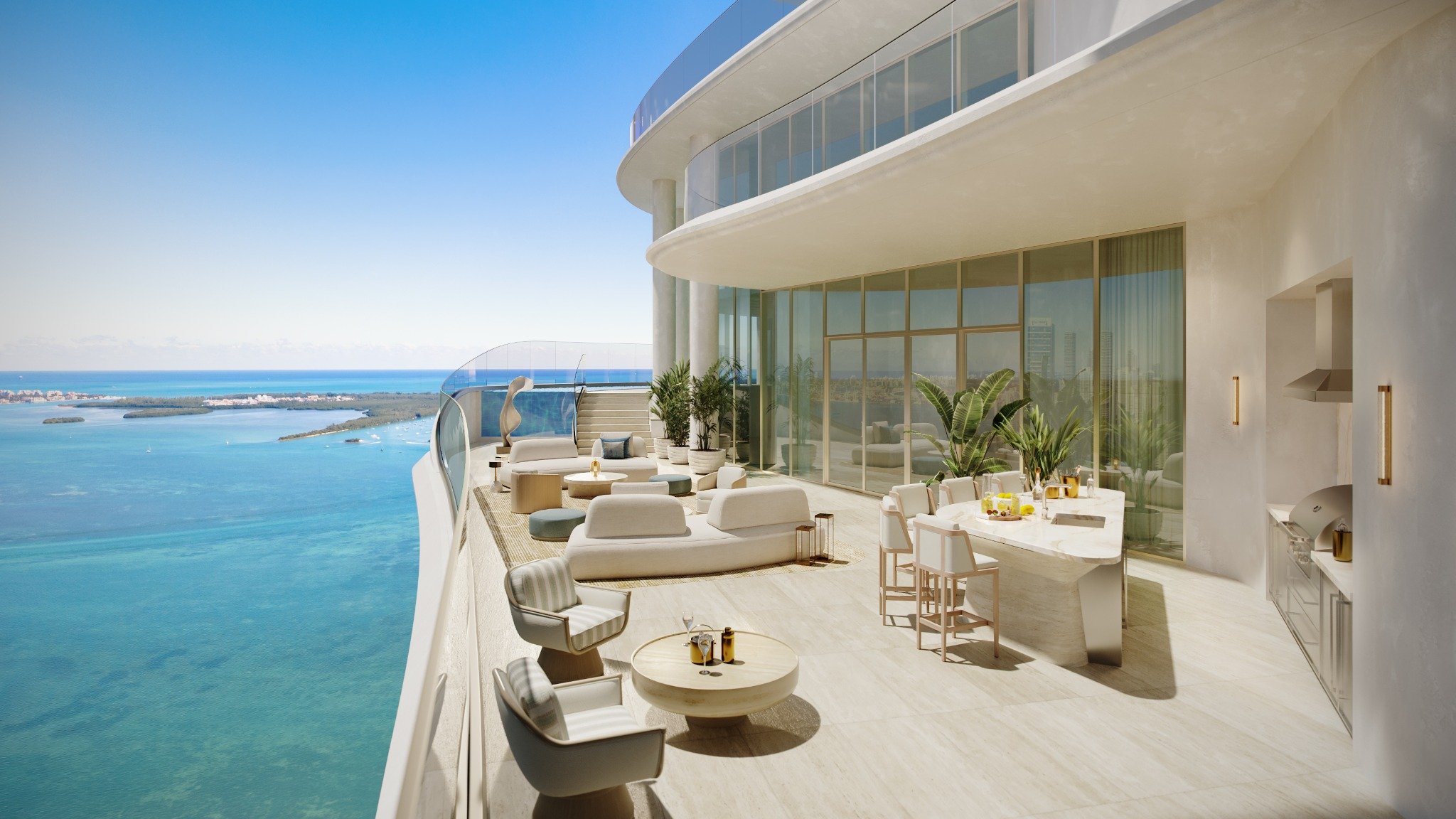
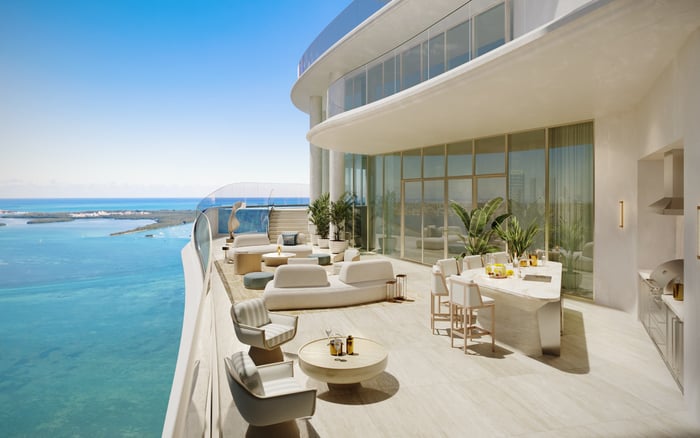
In South Florida, the balcony is not an accessory. It is a private observatory, a dining room in the sky, a morning ritual, and often the emotional reason a buyer chooses one residence over another. Yet in high-rise Miami living, that open-air promise comes with practical questions: salt air, wind, rain, glare, privacy, acoustics, maintenance, and the visual discipline of the building itself.
Balcony enclosure systems sit at the intersection of these priorities. For a luxury buyer, the question is not simply whether a balcony can be enclosed. The sharper question is whether an enclosure can be integrated so discreetly that it improves livability without diminishing the architecture, the view, or the long-term value story of the residence.
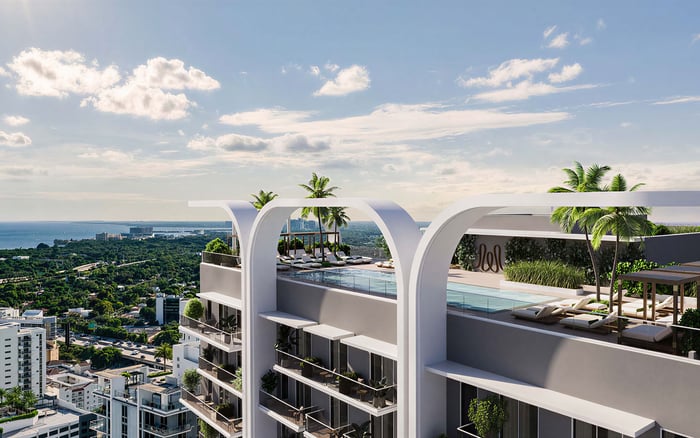
That distinction matters in trophy corridors from Brickell to the beaches. A buyer considering The Residences at 1428 Brickell, for example, should think beyond square footage and ask how any terrace intervention would align with the tower’s design language, association standards, and future market perception.
A luxury balcony enclosure is not defined by opacity, gadgetry, or the most visible hardware. It is defined by restraint. The strongest systems appear almost inevitable: slim profiles, clean tracks, thoughtful drainage, quiet operation, and glass or screening that does not compete with the building facade.
The first standard is architectural compatibility. High-rise facades are composed, not accidental. Any enclosure should respect mullion rhythm, railing lines, sightlines, and the intended relationship between interior and exterior space. A system that feels acceptable in a mid-market renovation may look intrusive in a branded or architecturally ambitious condominium.
The second standard is performance. Buyers should ask how a proposed system addresses wind-driven rain, corrosion, glare, heat, noise, and cleaning access. In a coastal environment, beauty without durability is not luxury. Hardware, seals, fasteners, framing, and maintenance protocols should all be part of the conversation before a deposit is placed or an alteration is requested.
The third standard is reversibility and governance. Many condominiums have strict rules governing balcony modifications. Even where an enclosure is physically possible, it may require association approval, professional review, permits, or a building-wide standard. Sophisticated buyers treat this as due diligence, not an afterthought.
In the urban core, balcony enclosure priorities often center on sound, privacy, and usable depth. Brickell buyers may want the option to create a calmer evening setting without visually closing themselves off from the skyline. The objective is not to make the balcony feel like another interior room. It is to make the transition between inside and outside more controlled.
This is where subtlety carries the design. A high-quality enclosure should preserve the drama of the view while softening daily irritants. It should not introduce heavy frames, mismatched tinting, or improvised curtains that disturb the facade. In buildings where terraces are a defining lifestyle feature, the wrong enclosure can read as clutter from both inside the home and across the skyline.
A buyer comparing St. Regis® Residences Brickell or Aston Martin Residences Downtown Miami should treat balcony planning as part of the larger residence evaluation. Ask what is permitted, what has been standardized, how service is handled, and whether the system complements the level of finish expected throughout the building.
Oceanfront balconies are more exposed, more cinematic, and often more sensitive. The view is the asset, and any enclosure must protect that asset. Frames should be visually quiet. Glass should be considered in relation to glare and reflectivity. Screening should be evaluated for transparency, tension, and how it behaves over time.
In Miami Beach and Sunny Isles, buyers often want flexible protection without losing the feeling of open air. The ideal outcome is seasonal and situational control: breakfast with breeze, sunset with fewer interruptions, and stormy afternoons that do not render the terrace unusable. That is a high bar, requiring coordination among design, engineering, building management, and the owner’s lifestyle priorities.
At residences such as The Perigon Miami Beach and Bentley Residences Sunny Isles, the broader buyer expectation is that exterior living feels composed, not improvised. In the language of South Florida real estate, this conversation touches balcony comfort, terrace usability, Brickell density, Sunny Isles exposure, new-construction expectations, and oceanfront living.
Before purchasing with enclosure plans in mind, ask for the building’s alteration guidelines. Confirm whether balcony systems are prohibited, allowed only in approved formats, or subject to case-by-case review. If systems have already been installed elsewhere in the tower, determine whether those examples are grandfathered, formally approved, or merely tolerated.
Next, study the drawings and the physical balcony. Depth, slab edges, drains, railings, sprinklers, lighting, ceiling conditions, and door thresholds all affect feasibility. A beautiful showroom system may not translate cleanly to a particular high-rise condition. The best advisors will identify conflicts early, before an owner becomes committed to a concept that cannot be executed elegantly.
Finally, consider resale. Luxury buyers are highly attuned to visual coherence. An enclosure that increases daily comfort but looks inconsistent with the building may narrow the future audience. Conversely, a discreet, approved, well-maintained system can make a residence feel more usable and refined. The difference is in the details.
The most convincing balcony enclosures share several qualities. They minimize visual interruption. They operate smoothly. They drain intelligently. They resist corrosion. They avoid awkward transitions at corners and thresholds. They integrate with lighting, furniture, and flooring rather than competing with them.
Color is also critical. Frame finishes should relate to the building envelope, not simply the owner’s interior palette. Clearances should feel intentional. Tracks should be placed where they can be cleaned and serviced. If the system folds, stacks, slides, or retracts, the parked position should be as carefully considered as the closed position.
For the ultra-premium buyer, the best balcony enclosure is not a conspicuous upgrade. It is a quiet enhancement that makes the residence easier to live in while preserving the essential Miami pleasure of air, light, water, and horizon.
Can every Miami high-rise balcony be enclosed? No. Permission depends on the building’s governing documents, alteration rules, physical conditions, and applicable approvals.
Should enclosure plans be reviewed before purchase? Yes. Buyers should verify feasibility before assuming a balcony can be changed after closing.
What makes an enclosure feel luxurious? Restraint, clean detailing, quiet operation, durable materials, and visual harmony with the building facade.
Are glass systems always the best option? Not always. The right system depends on exposure, privacy, building rules, maintenance needs, and the desired experience.
Can a balcony enclosure affect resale value? It can. A discreet and approved system may support usability, while a visually awkward one may deter future buyers.
Do associations typically control balcony appearance? Many do. Exterior consistency is a major concern in condominium buildings, especially in luxury towers.
What should buyers ask building management? Ask what systems are permitted, what approvals are required, and whether any building-wide standard exists.
How important is maintenance access? Very important. Tracks, glass, screens, seals, and hardware should be serviceable without disrupting the residence.
Is an enclosure the same as adding interior square footage? No. Buyers should treat it as an exterior living enhancement unless advised otherwise by qualified professionals.
When is the best time to plan an enclosure? The best time is during purchase due diligence or early design planning, before furniture and finishes are finalized.
If you'd like a private walkthrough and a curated shortlist, connect with MILLION.
If branded residences are on your mind — as a home or as an allocation — we would be glad to share what we are seeing, privately.
Begin a quiet conversation