A refined look at why salt-air durability has become a defining luxury consideration for South Florida penthouse buyers, shaping materials, terraces, glazing, maintenance, and long-term enjoyment.
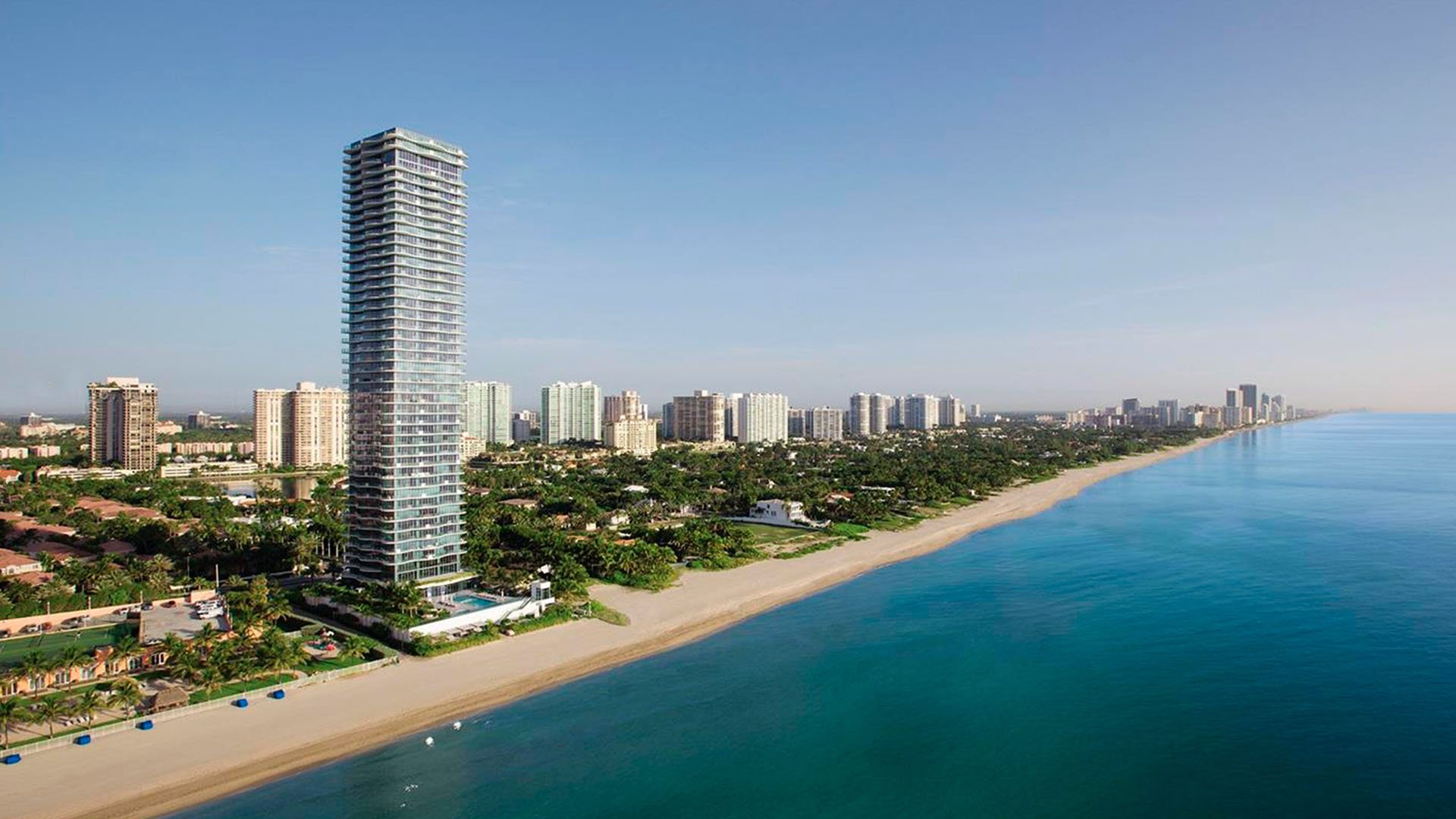
In a South Florida penthouse, salt air is not simply a view condition. It is a design condition, a maintenance condition, and, for the most discerning buyer, a luxury condition. The ocean breeze that gives a residence its cinematic ease can also test the discipline behind its materials, detailing, and long-term stewardship.
Quiet luxury is often expressed through restraint: limestone instead of spectacle, proportion instead of noise, touch instead of logos. Yet in coastal high-rise living, the most meaningful restraint may be technical. It is the door pull that still feels solid after years of exposure, the terrace railing that does not telegraph fatigue, the glazing system that keeps interiors serene, and the service culture that treats preventive care as part of the residence rather than an afterthought.
The buyer comparing Miami Beach calm, Sunny Isles height, and Brickell skyline energy is often choosing more than an address. The buyer is choosing an exposure profile. A penthouse above the shoreline may feel weightless, but its materials must be anything but casual.
Salt-air durability is not a single feature. It is the accumulation of small decisions that either age gracefully or announce themselves through maintenance. Exterior metals, balcony doors, terrace drains, sealants, stone selection, pool-adjacent surfaces, fasteners, lighting, and mechanical screens all contribute to how a residence feels after the first impression has passed.
For luxury buyers, the issue is not merely whether a component works today. The sharper question is whether it will continue to look intentional after repeated exposure to sun, moisture, wind, and routine use. A residence can be beautifully staged and still reveal weakness in the way exterior hardware moves, the way balcony thresholds meet interior flooring, or the way finishes behave near open-air edges.
This is where quiet luxury separates itself from decorative luxury. Decorative luxury is visible immediately. Quiet luxury becomes more persuasive over time. It is found in the absence of rattles, stains, corrosion, swelling, discoloration, and ad hoc repairs. It is the confidence of a home that does not require constant explanation.
A refined buyer should approach a coastal penthouse with a slower eye than the view initially allows. The view will do its work in seconds. Durability requires minutes, sometimes hours.
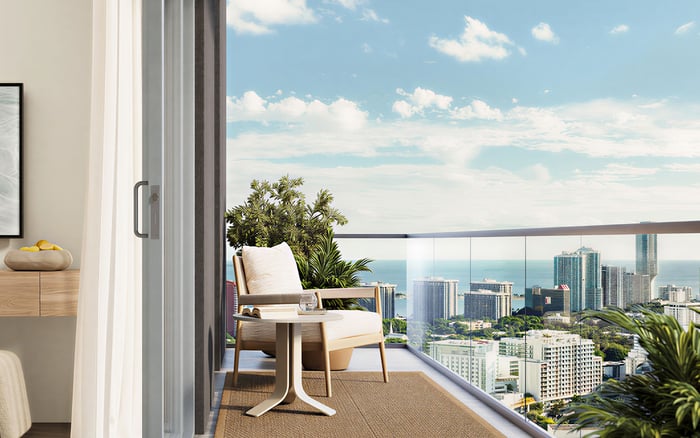
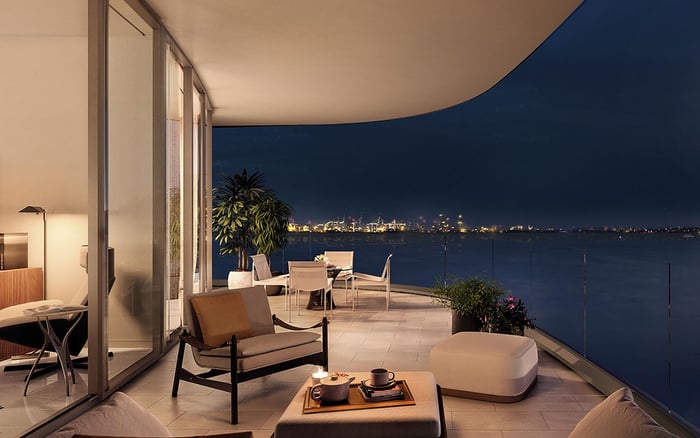
Start at the terrace. Open and close every door. Notice whether large panels move with confidence or require persuasion. Look at tracks, handles, locks, hinges, and thresholds. These details are easy to overlook because they are functional, but in an elevated coastal residence, they are central to the daily experience. A terrace that feels seamless is not just a lifestyle amenity. It is a technical achievement.
Then study the perimeter. The line between interior calm and exterior exposure is one of the most important architectural moments in any oceanfront residence. Glazing, seals, drainage, and shade conditions influence comfort, acoustics, and the perceived quality of the home. The best examples do not make the buyer think about weather. They make weather feel elegantly managed.
Interior materials deserve the same discipline. Floors near terrace entries, millwork close to exterior openings, and metal accents in humid areas should be considered through the lens of aging. The question is not only whether a finish photographs well, but whether it remains beautiful when the residence is lived in as intended.
A South Florida penthouse does not need to feel defensive to be durable. The best material palettes preserve softness and warmth while quietly acknowledging the environment. Stone should feel substantial without becoming precious. Metals should be selected and finished with coastal behavior in mind. Woods and veneers should be detailed where climate and use will not undermine their elegance.
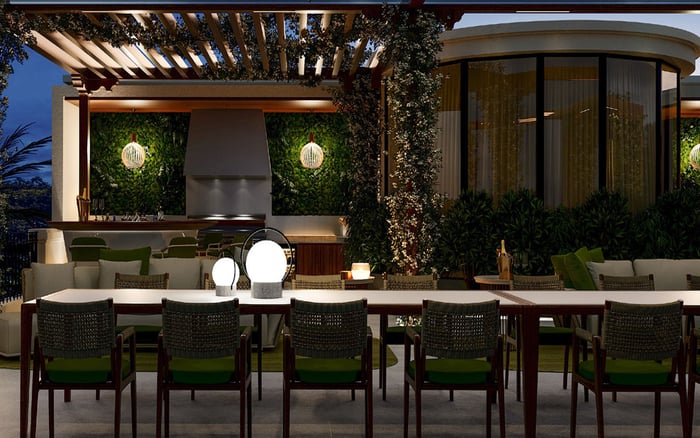
This is especially important in residences designed around indoor-outdoor living. Luxury buyers often want continuity between living room and terrace, between kitchen and summer kitchen, between primary suite and private outdoor space. Continuity is beautiful, but it asks more of materials. The closer a finish moves to the exterior edge, the more its performance matters.
There is also a tactile dimension. In a penthouse, the hand meets the home constantly: sliding a door, lifting a latch, touching a railing, opening cabinetry, moving between sun and shade. When those touchpoints remain composed, the residence feels cared for before anyone discusses maintenance.
Durability is not only built into a residence. It is also managed. A luxury building can have refined materials, but the ownership experience depends on inspection routines, responsive maintenance, and a culture that understands coastal exposure. The best buildings treat salt-air care as ordinary discipline, not exceptional intervention.
For buyers, this means asking practical questions without diminishing the romance of the purchase. How are exterior elements maintained? How are terrace conditions reviewed? How are common area finishes selected and cared for? How does the building communicate preventive work? These questions are not pedestrian. They are the language of serious ownership.
In South Florida, the most sophisticated buyers increasingly understand that the invisible operating rhythm of a building can be as important as the visible amenity program. A spa may impress in a tour, but a well-maintained exterior envelope protects quality of life every day.
The quiet luxury case for salt-air durability is ultimately a case for confidence. It allows a penthouse to feel effortless because the effort has already been absorbed into the design, specification, and management of the property.
This confidence changes the way a buyer experiences space. A terrace dinner feels more relaxed when the materials seem built for the setting. Morning light feels more serene when glazing and shading support comfort. A weekend arrival feels more indulgent when the residence does not announce small failures. The home can remain visually calm because its hidden decisions are strong.
There is an aesthetic payoff as well. Durable materials tend to encourage restraint. They reward fewer, better choices. They make a residence feel edited rather than assembled. In a market where many homes compete for attention, a penthouse that ages elegantly can feel rare precisely because it does not try too hard.
Before moving from admiration to commitment, the buyer should prioritize the details that shape long-term satisfaction. Review the terrace condition carefully. Study doors, thresholds, railings, exterior lighting, and exposed metals. Consider how the residence handles wind, sun, privacy, and shade. Ask whether the design supports real use or simply frames a photograph.
It is also worth considering how the home will be lived in. A seasonal owner may have different maintenance needs than a full-time resident, but both benefit from robust materials and clear building practices. Entertaining outdoors, leaving doors open frequently, hosting near the water, and using a penthouse as a family retreat all place different demands on the residence.
The most elegant purchase is not necessarily the one with the loudest finish package. It is the one whose beauty is supported by performance. In the salt air, quiet luxury is not quiet because it is simple. It is quiet because it has been resolved.
Why does salt-air durability matter in a South Florida penthouse? It influences how exterior and near-exterior elements age, especially in residences designed around terraces, views, and indoor-outdoor living.
Is durability only a concern for an oceanfront property? Oceanfront exposure makes the question more obvious, but coastal air and humidity can matter across many waterfront and near-water settings.
What should buyers inspect first on a penthouse terrace? Doors, thresholds, railings, drains, exterior lighting, hardware, and flooring transitions are all useful indicators of long-term care.
Does stronger durability mean sacrificing design? No. The most refined coastal residences integrate resilient materials in ways that feel calm, warm, and visually discreet.
How does glazing affect the luxury experience? Glazing helps shape comfort, sound, light, and the transition between interior rooms and exterior views.
Why is building maintenance important to a private residence? Even strong materials benefit from consistent care, especially in high-exposure environments where small issues can become visible quickly.
Should seasonal owners think differently about salt air? Yes. A residence that sits unused for stretches still needs thoughtful materials, preventive routines, and reliable oversight.
What is the quiet luxury lesson for Brickell buyers? Even in a skyline setting, exterior exposure, balcony detailing, and service standards can meaningfully shape the ownership experience.
What is the quiet luxury lesson for Sunny Isles buyers? Height, views, and coastal proximity make material integrity and terrace performance especially important to long-term enjoyment.
What is the quiet luxury lesson for Miami Beach buyers? The most desirable homes balance atmosphere with discipline, allowing coastal beauty to feel effortless rather than fragile.
When you're ready to tour or underwrite the options, connect with MILLION.
If branded residences are on your mind — as a home or as an allocation — we would be glad to share what we are seeing, privately.
Begin a quiet conversation