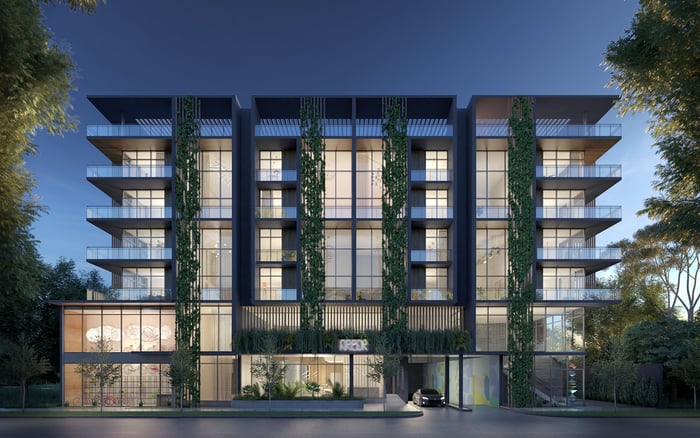
A buyer-focused look at why pet-relief rules at Arbor Coconut Grove should be understood as part of quiet luxury, not as a mere building restriction.
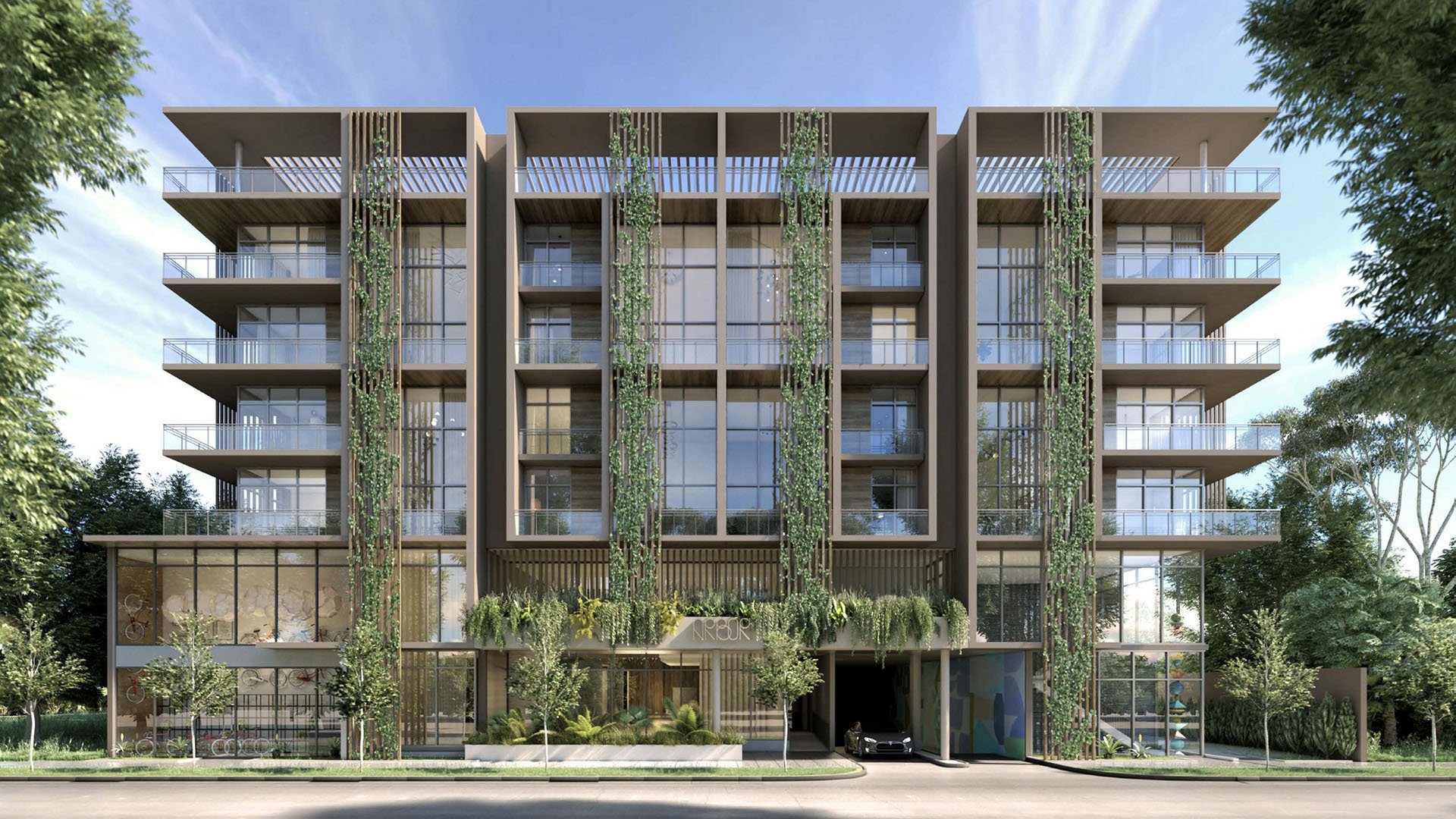
At Arbor Coconut Grove, the case for pet-relief rules is not about saying no to animals. It is about saying yes to the kind of residential calm that gives a boutique condominium its value. In a building defined by greenery, privacy, and softer daily living, pet policy should read as part of the architecture of comfort.
That distinction matters for affluent buyers. Many expect a home that welcomes pets, yet they also expect corridors that remain fresh, elevators that feel composed, entries that look immaculate, and staff interactions that never become tense over preventable issues. A pet-friendly building is only half the equation. A pet-managed building is the higher standard.
Arbor Coconut Grove lends itself to that more refined interpretation. Its identity is tied to Coconut Grove’s tree canopy, walkability, and residential atmosphere, rather than the high-gloss spectacle associated with denser Miami luxury districts. Where Brickell often rewards vertical energy and visibility, the Grove rewards restraint. Pet-relief rules should follow that same logic.
Boutique scale can be one of the great luxuries of South Florida condominium living. Fewer residents can mean a quieter arrival sequence, more familiar staff relationships, and a stronger sense of residential privacy. Yet that intimacy also means each resident’s habits carry more weight.
In a large tower, traffic disperses across more elevators, corridors, and service pathways. In a boutique building, one poorly managed pet routine can register quickly. Odor in an elevator, waste near an entrance, a recurring lobby incident, or an awkward exchange between staff and an owner can shift the tone of the entire property.
That is why rules should not be treated as afterthoughts drafted only for compliance. They are part of the operating system of luxury. The most successful standards are clear enough to prevent friction, but discreet enough to avoid the atmosphere of reprimand. Residents should understand the expectations without feeling that the building is governed by hostile signage.
Coconut Grove’s appeal is unusually aligned with pet ownership. The neighborhood’s residential character, greenery, and walkable rhythm naturally attract buyers who want a softer Miami life. For the Coconut Grove buyer, the daily route from residence to street is part of the pleasure of ownership. The transition should feel graceful, not improvised.
That is where pet-relief planning becomes a design and service question. Where are residents guided before and after walks? How are common areas protected from odor and staining? How does the building maintain hygiene in humid weather? What tone does staff use when reminding residents of expectations? These details are not secondary to luxury. They are how luxury is experienced on an ordinary morning.
A dog park is not the only measure of pet friendliness. In a quiet-luxury setting, the sharper question is whether the building can support pet ownership without making pets the dominant feature of shared life. Buyers do not necessarily want a pet-themed property. They want a polished home where animals are accommodated intelligently.
In South Florida, pet-relief policy carries a climatic dimension. Humidity intensifies the importance of cleaning protocols, material choices, ventilation, and timing. A standard that may feel sufficient in a cooler market can underperform in Miami if odor control and surface maintenance are not treated seriously.
For a project with Arbor’s green, discreet character, the goal should be invisible management. Relief areas, if provided or designated, should be considered in relation to sightlines, drainage, cleaning access, resident circulation, and staff workflow. Elevator etiquette and leash expectations should be framed as courtesy, not confrontation.
This is the private-club model of condominium life: the rules exist, but their success is measured by how rarely they have to be discussed. The buyer never sees the labor, only the result. The lobby remains composed. The corridor remains neutral. The garden-like identity of the residence remains intact.
Because specific pet limits, fees, fines, breed restrictions, and relief-area locations should only be relied upon when verified in current condominium documents, buyers should ask practical questions early. The point is not to interrogate the building aggressively. It is to understand whether the stated lifestyle and operating standards are aligned.
A thoughtful buyer should review how the association or developer documents address pet size, number of animals, leash rules, waste disposal, use of service or passenger elevators, cleaning obligations, and enforcement procedure. Equally important is tone. Rules that read as punitive may create a different culture than rules written as part of resident courtesy and the preservation of shared spaces.
For Arbor Coconut Grove, the most persuasive approach would feel discreet, curated, green, residential, and low-friction. The policies should protect the building’s aesthetics without turning pet ownership into a source of anxiety. The best version of quiet luxury is not rigid. It is calmly managed.
The phrase pet-friendly has become too broad to be useful at the top of the market. It can mean anything from permissive to genuinely planned. Pet-managed is more precise. It suggests that a building welcomes animals while also protecting the collective experience of residents who may or may not own them.
This distinction is especially important in luxury condominiums where common areas function as extensions of the private residence. The elevator is not just a conveyance. The lobby is not just a pass-through. The entry sequence, corridors, and landscaped edges all contribute to the feeling that one has arrived somewhere orderly and considered.
When pet-relief rules are done well, they disappear into that order. They reduce staff conflict, protect finishes, keep arrivals serene, and allow residents with pets to enjoy the building without social friction. That is the quiet luxury case for Arbor: pet rules are not a compromise to the lifestyle. They are one of the ways the lifestyle is preserved.
Does Arbor Coconut Grove have verified pet-relief rules? Specific current pet rules should be confirmed through the latest condominium documents or association materials before a buyer relies on them.
Why do pet-relief rules matter in a luxury building? They protect odor control, hygiene, aesthetics, and resident comfort, all of which shape the daily perception of quality.
Are pet rules anti-pet? Not when designed well. The best rules allow pets to be welcomed while keeping shared spaces calm and polished.
Why is boutique scale important? In a smaller building, individual habits are more visible because fewer elevators, corridors, and common spaces absorb daily traffic.
How does humidity affect pet management? South Florida humidity makes cleaning, ventilation, and odor protocols especially important for maintaining a luxury environment.
Should buyers ask about fines or restrictions? Yes. Buyers should review verified documents for limits, fees, fines, breed rules, and enforcement procedures.
Is a dedicated pet area always necessary? Not necessarily. What matters is whether the building has a practical, discreet system for relief, cleanup, and circulation.
What does quiet luxury mean in this context? It means policies that preserve calm common areas and comfort without feeling conspicuous, punitive, or over-managed.
Why does Coconut Grove suit this discussion? Its residential, green, walkable character makes pet ownership natural, but also makes discreet management essential.
What should define a strong policy at Arbor? It should feel discreet, curated, hygienic, and aligned with the building’s privacy-focused residential identity.
When you're ready to tour or underwrite the options, connect with MILLION.
If branded residences are on your mind — as a home or as an allocation — we would be glad to share what we are seeing, privately.
Begin a quiet conversation