A practical, design-conscious checklist for penthouse buyers evaluating where pool equipment lives, how it is serviced, and whether placement supports long-term quiet enjoyment.
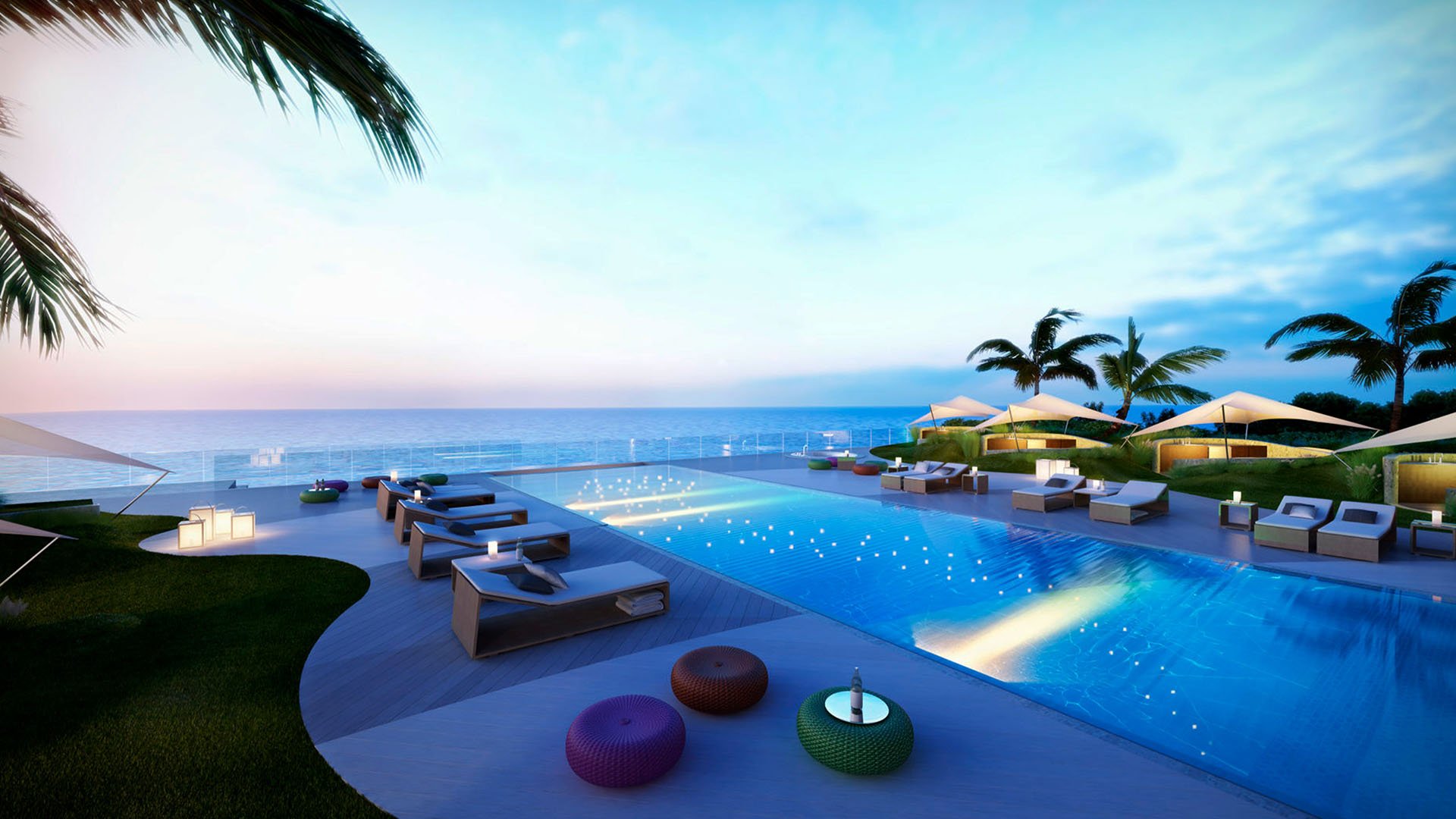
A penthouse pool is often imagined as a visual privilege: waterline, skyline, sun, and a terrace composed for entertaining. Yet the more consequential question is usually less photogenic: where does the pool equipment go, and how will it behave once the residence is occupied?
For a South Florida buyer, the answer touches nearly every part of the ownership experience. It affects terrace planning, acoustic comfort, service access, visual screening, maintenance logistics, resale confidence, and the tone of daily living. A pool can be exquisitely designed, but if its pumps, filters, heaters, valves, and controls are awkwardly placed, the penthouse may feel less composed than its renderings suggest.
The right approach is not to treat equipment placement as a technical afterthought. It belongs in the same conversation as ceiling heights, view corridors, elevator privacy, outdoor kitchen layout, and furniture planning. In the penthouse category, the most elegant result is rarely the one that hides the question. It is the one that answers it early.
Before weighing finish packages or terrace furniture, ask for a clear explanation of where the pool equipment is located. Is it within a dedicated equipment room, behind an exterior screen, on a service side of the terrace, or elsewhere in the building? The answer should be specific enough for a buyer, architect, inspector, or advisor to understand what will be seen, heard, and accessed.
Location is not only a matter of square footage. A compact equipment zone in the wrong place can compromise a seating area, interrupt a view, or sit too close to a primary bedroom. Conversely, a well-resolved equipment area can disappear into the planning logic of the residence. The distinction is often found in the drawings, not the sales narrative.
For high-floor residences, every exterior square foot carries a premium. Buyers should understand whether equipment placement preserves the terrace as a gracious outdoor living room or fragments it into leftover zones.
Pool equipment should be evaluated in relation to quiet spaces. A buyer does not need to become a mechanical expert, but should ask the right questions: what equipment may be audible, when it is expected to operate, and whether bedrooms, lounges, or dining areas sit near the equipment zone.
The issue is not merely volume. It is rhythm, vibration, resonance, and proximity. A steady background hum beside a service corridor may be tolerable. The same presence beside a sunrise seating area or primary suite terrace can alter the character of the residence.
In Brickell, where penthouses often balance urban energy with private retreat, mechanical calm becomes part of the luxury proposition. The same logic applies to Miami Beach buyers who expect the terrace to read as resort, residence, and sanctuary at once.
A beautiful penthouse should not require disruptive service choreography every time the pool needs attention. Buyers should ask how technicians reach the equipment, whether access crosses private entertaining areas, and whether service can occur without disturbing the household.
This is particularly important when the pool sits near an outdoor dining area, summer kitchen, cabana, or lounge. A route that looks acceptable on paper may feel intrusive once furniture, planters, art, and guests are in place. The question is simple: can the equipment be reached efficiently, safely, and discreetly?
Access also matters for replacement, not only routine care. Equipment evolves, components fail, and future owners will inherit the practical realities of the original placement. A pool that cannot be serviced gracefully can become a long-term nuisance wrapped in a beautiful amenity.
Pool equipment needs concealment, but concealment should not feel like camouflage. Screening should be integrated into the architecture, landscape design, or terrace enclosure strategy. A buyer should examine whether equipment screening blocks a view, crowds circulation, or creates a visual dead end.
The best solutions feel intentional. They may align with planters, millwork, walls, or architectural fins. Less convincing solutions appear as last-minute boxes, exposed grilles, or utility doors in prominent positions. On a terrace intended for entertaining, these details are not minor.
Ask to see the equipment zone in relation to furniture layouts. If the most logical dining table, chaise grouping, or sculpture location collides with a service panel, the design deserves further review before contract confidence is justified.
A pool-equipment location must function beyond the first walk-through. Buyers should ask how water is managed around the equipment zone, how the area is ventilated, and whether placement exposes components to conditions that could complicate maintenance. These are practical questions, not aesthetic objections.
South Florida penthouse living places outdoor systems in a demanding environment. Buyers should avoid assuming that a clean rendering equals a durable operational plan. The real test is whether the equipment has been given a setting that respects airflow, access, protection, and drainage without diminishing the residence.
The same diligence applies whether the pool is modest and architectural or dramatic and social. Scale may change the equipment package, but the buyer's responsibility remains consistent: understand the mechanical story before celebrating the water feature.
Pool-equipment placement should be documented as part of the buyer's due diligence. Ask for relevant plans, equipment-location diagrams, terrace layouts, and any available specifications. Have the placement reviewed by qualified advisors who can interpret how design ambition translates into ownership reality.
For resale penthouses, an inspection should include the equipment area and its relationship to the residence. For new construction, buyers should clarify what is fixed, what remains subject to refinement, and how any changes would be communicated. The goal is not to micromanage engineering. It is to avoid discovering late that a glamorous terrace depends on a compromised service condition.
A disciplined buyer treats pool-equipment placement as part of value. It can influence enjoyment, perceived quality, and the confidence with which the residence is later presented to the next ultra-prime buyer.
Why should a penthouse buyer care where pool equipment is placed? Because placement can affect noise, views, service access, terrace planning, and the everyday feeling of privacy.
Should equipment be reviewed before contract signing? Yes. Buyers should request clear location information and have qualified advisors review it during diligence.
Is concealed equipment always better? Concealment is important, but it must still allow access, ventilation, and practical service without disrupting the home.
What is the biggest red flag on a terrace plan? A prominent equipment zone near prime seating, dining, bedroom, or view areas deserves careful review.
Can pool equipment affect resale perception? Yes. A well-resolved equipment strategy can support confidence, while awkward placement may raise buyer objections.
What should buyers ask about service access? Ask how technicians reach the equipment, whether they cross private areas, and how often access may be needed.
Does this matter more for high-floor homes? Yes, because exterior space is especially valuable and harder to correct once the residence is completed.
How should Brickell buyers think about pool equipment? They should balance skyline drama with acoustic comfort, privacy, and a service plan that preserves daily livability.
Is this checklist relevant in Miami Beach residences? Yes. Resort-style outdoor living depends on mechanical systems being discreet, accessible, and carefully integrated.
Who should review the placement for a buyer? A qualified inspector, architect, engineer, or trusted property advisor can help translate plans into practical implications.
For a confidential assessment and a building-by-building shortlist, connect with MILLION.
If branded residences are on your mind — as a home or as an allocation — we would be glad to share what we are seeing, privately.
Begin a quiet conversation