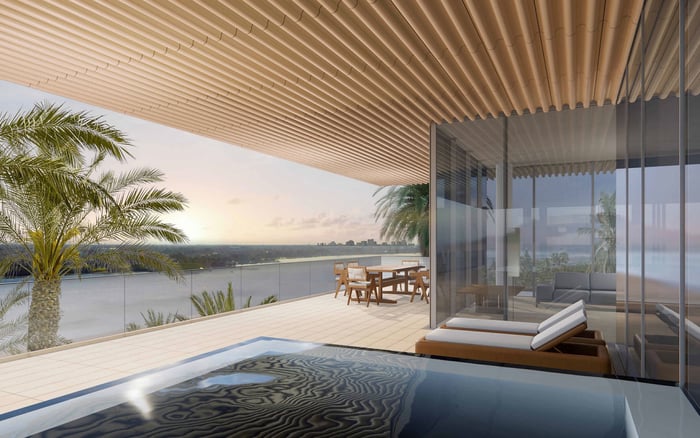
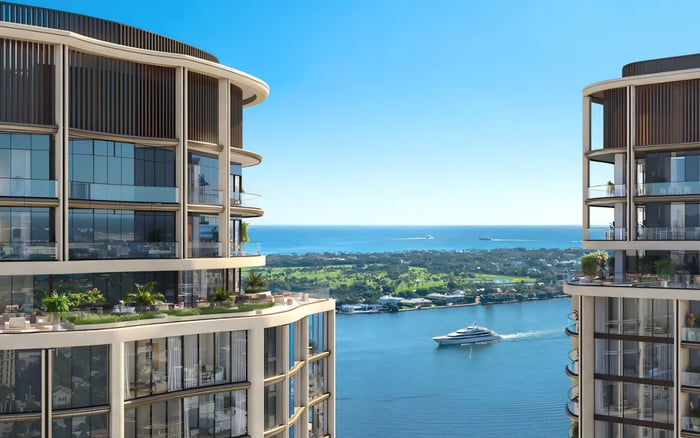
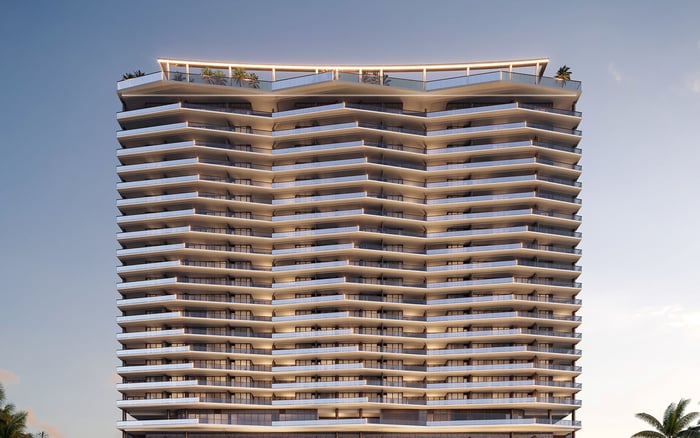
A discreet, buyer-oriented look at Banyan Tree Residences West Palm Beach through the lens of art-delivery access, privacy, service flow, and the practical infrastructure that supports serious collecting.
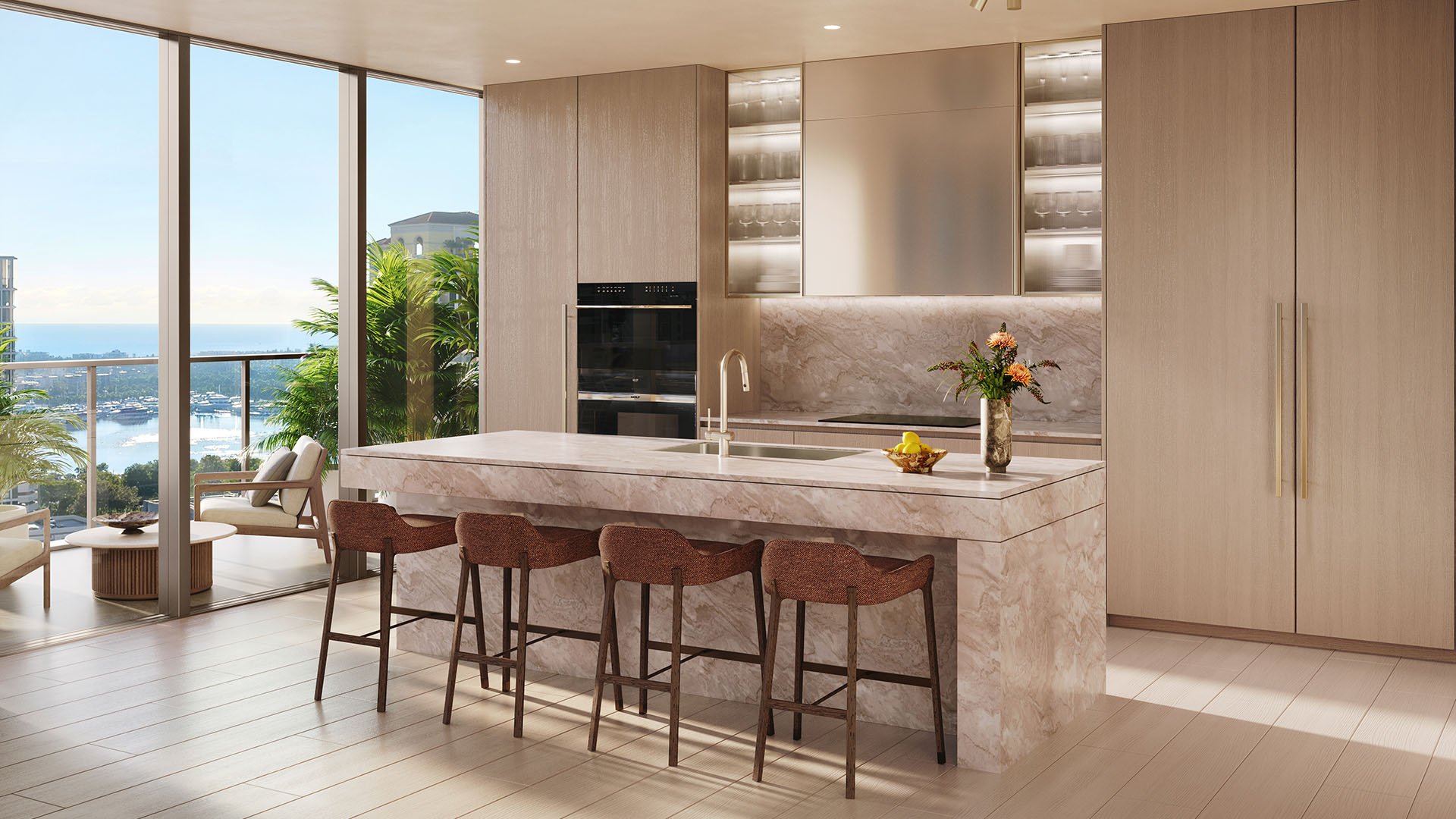
For the buyer evaluating Banyan Tree Residences West Palm Beach, the phrase art-delivery access may sound unusually specific. It is, and that is precisely why it matters. At the highest tier of residential decision-making, luxury is no longer measured only by views, finishes, or the theater of arrival. It is measured by how gracefully a home absorbs the realities of an elevated life.
For collectors, that life can include crates, condition checks, installers, lighting consultants, conservators, framers, and the occasional last-minute delivery before a dinner, viewing, or seasonal arrival. The best residences do not merely tolerate these moments. They make them feel invisible.
That is the quiet luxury case. A residence that handles art well is usually a residence that handles privacy well. It is attentive to circulation, service timing, elevator logic, lobby discretion, and the distance between public impression and private function. In West Palm Beach, where culture, seasonal ownership, and discreet wealth increasingly overlap, those details deserve closer inspection.
West Palm Beach is not trying to be Miami Beach, and that distinction is part of its appeal. The mood is calmer, more residential, and often more private. For buyers who divide time among multiple homes, the city offers a compelling rhythm: cultural access, Palm Beach proximity, and a scale that feels personal rather than performative.
West Palm Beach and Palm Beach represent different lifestyle signals. Palm Beach carries legacy, ritual, and club-level familiarity. West Palm Beach adds convenience, dining, cultural programming, and a more flexible residential framework. A buyer considering Banyan Tree Residences West Palm Beach is often weighing not only what the home looks like, but how it functions when life is in motion.
That is where art-delivery access becomes a proxy for sophistication. A collector does not want a masterpiece to arrive through the same emotional lane as groceries, luggage, pets, guests, and valet congestion. The question is not whether a building is beautiful. The question is whether its beauty is supported by operational intelligence.
The most seductive residential tours move quickly toward the horizon line. For an art-forward buyer, the more revealing questions are often behind the scenes. How does a large-format work move from vehicle to residence? Is there a discreet path that avoids unnecessary exposure? How are deliveries scheduled? What happens when a specialist team needs several hours on site? Can installation be handled without turning the residence into a public event?
These questions are not minor. They shape the daily experience of ownership. A home may photograph beautifully, yet still create friction if service circulation is awkward or overly visible. Conversely, a residence with thoughtful back-of-house planning can feel more luxurious precisely because so little has to be explained.
For new-construction and pre-construction buyers, timing is an advantage. Before routines harden, there may be an opportunity to understand policies, review procedures, and plan interiors around real collecting habits. The buyer who asks early can avoid costly compromises later.
Quiet luxury is often misread as a palette: warm stone, soft plaster, restrained millwork, tactile fabrics. Those elements matter, but they are only the surface. True quiet luxury is an operating system. It protects calm.
In the context of Banyan Tree Residences West Palm Beach, the most relevant lens is not excess. It is control. Can the owner return home without feeling the building’s operations? Can valued objects arrive without social exposure? Can staff, advisors, and specialists move with confidence? Can the residence host culture without becoming a stage?
This is why boutique scale can be so attractive to certain buyers, though scale alone is never a guarantee. A more intimate environment may support a stronger sense of recognition, privacy, and coordination. Yet the real measure is execution: the building’s protocols, the staff’s discretion, and the ease with which complex requests become ordinary.
Collectors understand that value protection begins before an artwork reaches the wall. It begins with handling, staging, climate awareness, security, and a controlled chain of movement. In residential real estate, those concerns translate into a different kind of due diligence.
The buyer should look beyond marketing language and ask practical questions. Where can a delivery vehicle pause without creating attention? How is a crate transferred? Are common paths wide and controlled enough for careful movement? Is there a way to coordinate access without exposing the owner’s schedule? What rules govern contractors, installers, and specialists?
None of this diminishes design. It elevates it. A residence that can receive art properly is better prepared for real life at the top of the market. It acknowledges that the owner’s possessions are not decorative afterthoughts. They are part of the home’s identity, and sometimes part of a family’s legacy.
Art Basel has changed the way South Florida thinks about collecting, even for owners who prefer not to participate in the frenzy. The regional art calendar has made private homes more culturally active. Works move, advisors visit, installations change, and residences become quieter extensions of a collector’s world.
West Palm Beach benefits from this broader shift while maintaining a more composed pace. The appeal is not necessarily to be at the center of every event. It is to have access without exhaustion, culture without constant performance, and a home that can support collecting as a normal part of ownership.
For this buyer, Banyan Tree Residences West Palm Beach is most interesting when considered through that practical lens. The art does not need drama. The building should not need to announce its competence. The ideal experience is almost uneventful: scheduled, discreet, protected, and complete.
Art-delivery access is not only a building question. It shapes the residence itself. Ceiling heights, wall conditions, lighting strategy, circulation, and the relationship between public rooms and private corridors all influence how a collection lives.
A serious buyer should think about installation before furniture is finalized. Which walls deserve restraint? Where should lighting be flexible? How will a large work enter a room? Can the residence accommodate rotation over time? Does the plan allow a collection to evolve without constant disruption?
The most refined interiors do not compete with art. They make space for it. They also understand that a collector’s home is rarely static. Pieces arrive, depart, return, and shift. A luxury residence should permit that evolution gracefully.
The quiet luxury case for Banyan Tree Residences West Palm Beach is not about spectacle. It is about whether the experience of ownership can feel composed from curb to wall. That includes arrival, service choreography, privacy, installation, and the invisible confidence that comes from a well-run residential environment.
For some buyers, art-delivery access will be a decisive technical matter. For others, it will simply reveal the quality of the building’s thinking. Either way, the question is worth asking. In a market where many residences promise beauty, the more durable distinction may be operational grace.
A home that receives art well usually receives life well. It respects timing. It minimizes friction. It protects privacy. It understands that the most valuable luxuries are often the ones guests never see.
Why does art-delivery access matter in a luxury residence? It helps protect privacy, handling quality, and the owner’s schedule when important works or specialists arrive.
Is art-delivery access only relevant for major collectors? No. Even buyers with a smaller collection benefit from discreet service circulation and thoughtful installation planning.
What should I ask during a residence tour? Ask how large items move from vehicle to home, how deliveries are scheduled, and how specialist access is managed.
Does quiet luxury mean minimal design? Not necessarily. Quiet luxury is more about restraint, control, privacy, and ease than any single aesthetic.
Why is West Palm Beach appealing to art-oriented buyers? It offers a calmer residential rhythm with cultural access and proximity to Palm Beach lifestyle patterns.
Should art planning happen before closing? Ideally, yes. Early planning helps align lighting, wall use, circulation, and installation strategy before decisions become fixed.
Can building operations affect resale perception? Yes. Discreet, well-managed operations can strengthen the sense of quality for buyers who value privacy and service.
Is pre-construction useful for art-focused planning? It can be useful because buyers may have more time to understand procedures and coordinate interior decisions.
Does boutique scale automatically mean better privacy? No. Boutique scale may help, but staffing, protocols, and circulation matter just as much.
What is the best way to shortlist comparable options for touring? Start with location fit, delivery status, and daily lifestyle priorities, then compare stacks and elevations to validate views and privacy.
To compare the best-fit options with clarity, connect with MILLION.
If branded residences are on your mind — as a home or as an allocation — we would be glad to share what we are seeing, privately.
Begin a quiet conversation