A practical, discreet guide for estate owners considering Midtown Miami, focused on privacy, service, storage, terraces, walkability, and the emotional shift from acreage to vertical living.
Leaving a large estate is rarely just a change of address. It is a change in choreography. The long driveway, service court, guest wing, pool terrace, garage bays, storage rooms, gardens, and staff circulation all cease to function as independent zones. In their place comes a more compressed, more managed form of luxury: a private elevator landing, a concierge desk, a structured arrival, a secured garage, a building team, and a neighborhood that can be lived on foot.
Midtown Miami sits at the center of that adjustment. It offers proximity to design, dining, retail, galleries, offices, and nearby cultural districts without the full intensity of a financial core or the resort identity of the beach. For buyers leaving large estates, the appeal is not simply convenience. It is the possibility of simplifying the estate lifestyle without surrendering discernment.
The best Midtown purchase begins with an honest inventory of what the estate actually did for daily life. Was its value in the grounds, privacy, entertaining capacity, family separation, art placement, parking, pets, wellness routine, or the ability to leave for months without worry? Each answer should become a condominium requirement, not a vague preference.
Midtown is best understood as an urban base, not a substitute for acreage. It suits buyers who want to reduce maintenance, shorten daily routes, and stay close to Miami’s creative and commercial energy. The neighborhood can feel especially practical for owners who keep another residence, travel frequently, or want a home that can be closed with little ceremony.
The strongest candidates are buyers ready to trade horizontal privacy for vertical privacy. That means less land around the home, but potentially more control over access, building services, views, and security. The decision should be framed around daily ease: where guests arrive, how packages are received, how vehicles are managed, how pets move through the building, and whether the residence feels calm once the elevator doors close.
For buyers focused specifically on the Midtown address, Miami Design Residences Midtown Miami belongs in the conversation because it places the residential decision inside the area’s walkable urban context. Former estate owners should still assess the essentials with rigor: floor height, elevator configuration, acoustic separation, service responsiveness, storage solutions, and the quality of the approach from garage to residence.
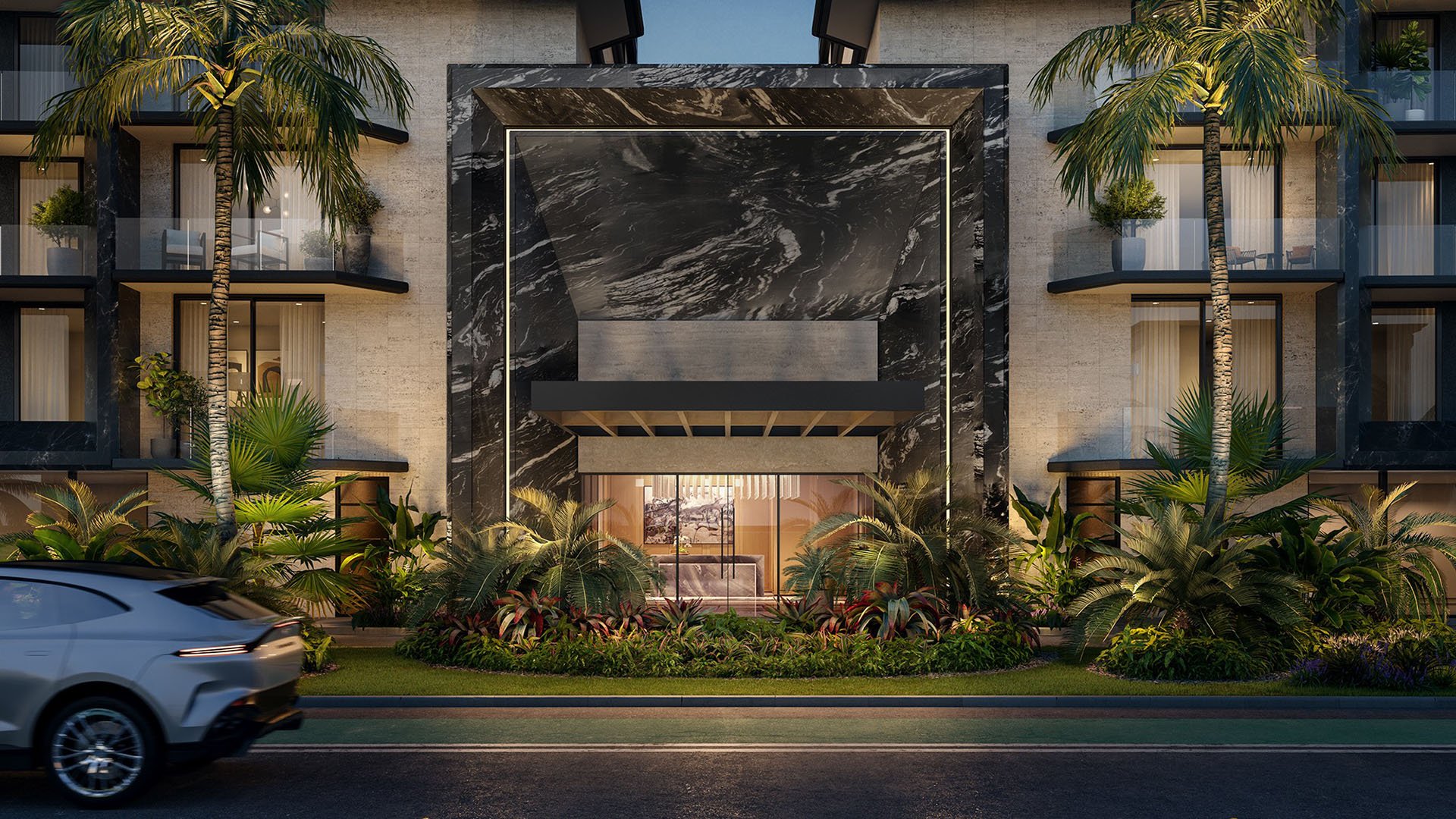
Estate privacy is often created by distance. Condominium privacy is created by design, operations, and discretion. A former estate owner should look closely at elevator sharing, corridor exposure, valet protocol, amenity access, lobby volume, and the ease with which staff, guests, drivers, trainers, and vendors can come and go without making the residence feel public.
A private or semi-private elevator experience may matter more than a larger floor plan. So may a quiet parking path, a reserved storage room, or a building culture that understands confidentiality. Buyers accustomed to gated arrivals should test the building at different times of day, not only during a polished sales appointment. Morning deliveries, evening guests, weekend traffic, and peak amenity hours reveal how a building truly lives.
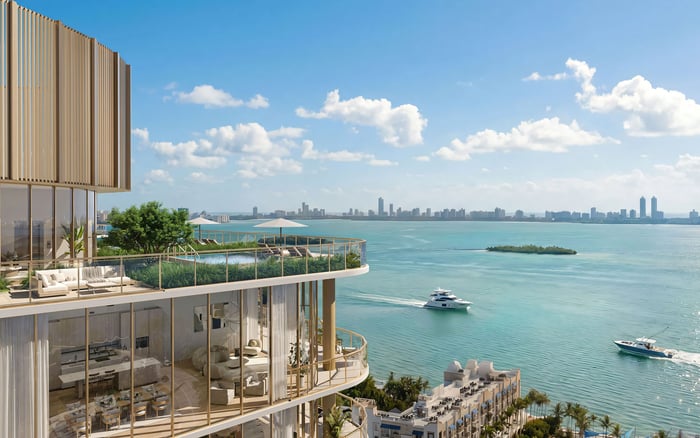
The same thinking applies to views. A dramatic skyline outlook can be seductive, but estate owners often need visual calm as much as spectacle. Consider sightlines from bedrooms, bathrooms, terraces, and primary living spaces. In a more urban setting, privacy depends on what you see and what can see you.
The most common mistake is replacing a large estate with a condominium chosen only by interior square footage. A residence can be generous on paper and still fail an estate owner if it lacks utility spaces. Before touring, list the functions that must survive the move: formal entertaining, private dining, art display, wine storage, fitness, office work, grandchildren, live-in or visiting staff, pets, seasonal wardrobes, sports equipment, and owner storage.
Then divide the plan into three categories. First are public rooms, including living, dining, kitchen, powder room, and terraces. Second are private rooms, including bedrooms, baths, closets, study, and wellness spaces. Third are support functions, including laundry, pantry, staff circulation, storage, parking, deliveries, and building services. Many estate owners focus on the first two categories and regret underestimating the third.
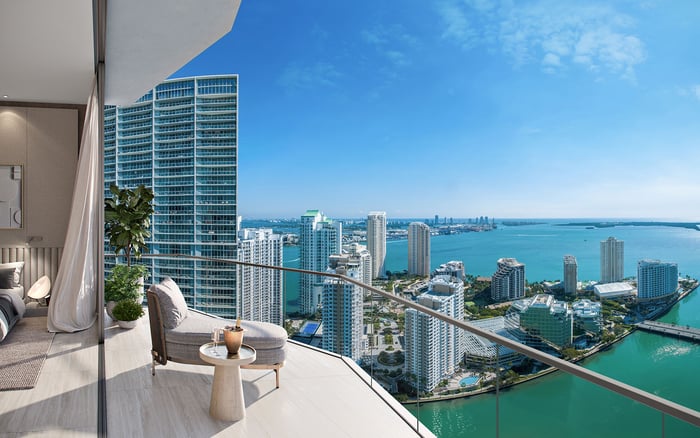
Terrace life deserves special attention. A terrace can become the psychological replacement for the garden, but only if it is deep enough, private enough, and usable at the times of day the owner actually relaxes. Orientation, wind, shade, furniture clearances, and adjacency to the main living room matter as much as view drama.
Midtown’s value is sharpened by comparison. Edgewater, Wynwood, the Design District area, Downtown, and Brickell each offer a different version of urban Miami. Former estate owners should tour beyond the target neighborhood before deciding, because the right answer may depend less on map boundaries than on rhythm.
Edgewater can appeal to buyers who want a more residential waterfront feeling nearby. Projects such as Aria Reserve Miami and EDITION Edgewater can serve as useful points of comparison for buyers evaluating outlook, arrival, services, and the degree to which water views matter after leaving land.
Wynwood offers creative energy and a distinct street-level identity, while Midtown is often chosen for its practical balance between access and livability. Brickell, by contrast, is a more business-oriented environment with a denser high-rise rhythm. A buyer considering Midtown may still compare it with 2200 Brickell to understand how daily life changes when the address leans more financial district than design corridor.
The purpose of these comparisons is not to find the most famous tower. It is to discover which setting feels natural after years of space, control, and privacy.
New construction can be appealing to former estate owners because it often promises contemporary systems, fresh common areas, current layouts, and a more turnkey path. The important word is often. Buyers should examine what is actually included, what may be optional, and what timeline or customization decisions will affect the final residence.
Questions should be practical. How are parking spaces assigned? Is additional storage available? What are the pet rules? How is vendor access handled? Are there restrictions on renovations, art installation, window treatments, or terrace furnishings? How do deliveries reach the residence? What level of staff support does the building provide, and what remains the owner’s responsibility?
A pool may seem like a simple amenity, but former estate owners should think carefully about how often they used their private pool and whether a shared environment will feel acceptable. Some owners discover they value water visually more than socially. Others appreciate the freedom of enjoying a pool without maintaining one. The answer is personal and should be tested, not assumed.
The word downsizing undersells the decision. Many estate owners are not reducing quality. They are exchanging one form of luxury for another. The estate offered scale, separation, and grounds. Midtown can offer immediacy, service, security, and the ability to live with less friction.
Still, the emotional adjustment is real. Some buyers need a residence large enough to host family without feeling temporary. Others need a lock-and-leave home that is intentionally smaller because the point is to simplify. The right residence should not feel like a compromise disguised by finishes. It should feel like a different chapter with its own logic.
Bring the full household into the decision early. Pets, adult children, frequent guests, private chefs, assistants, drivers, and house managers may all reveal requirements the primary buyer overlooks. A building that looks elegant in a brochure can feel inconvenient if it cannot support the owner’s actual patterns.
Before making an offer, former estate owners should walk through the residence as if arriving from the airport, hosting dinner, working from home, receiving a delivery, walking a dog, storing holiday items, and leaving for six weeks. This exercise is more revealing than a conventional tour.
Review monthly costs in relation to services actually used. Assess reserves, insurance structure, rules, parking, storage, guest access, and rental policies with professional guidance. Consider whether the building’s social tone is discreet or visible, quiet or active, seasonal or year-round. In luxury condominium living, the residence and the building are inseparable.
Finally, resist buying only for the view. A view is important, but a former estate owner usually needs a complete living system. The best Midtown choice will make arrival feel composed, daily life feel intuitive, and departure feel effortless.
Is Midtown Miami a good fit for buyers leaving large estates? It can be, especially for buyers who want walkability, services, and a lock-and-leave lifestyle without moving fully into a resort setting.
What should estate owners prioritize first? Privacy, parking, storage, elevator access, service quality, and terrace usability should be evaluated before finishes or décor.
Will a condo feel too small after an estate? Not necessarily. The key is whether the plan supports the owner’s real routines, including guests, work, pets, staff, and storage.
How important is a private elevator? For many former estate owners, it is highly important because it preserves a sense of controlled arrival and separation from public spaces.
Should buyers compare Midtown with Edgewater? Yes. Edgewater may offer a different atmosphere and view profile, which can clarify whether Midtown’s urban rhythm is the right fit.
Is Brickell too intense for an estate-to-condo move? It depends on the buyer. Brickell can be compelling for business access, but its density and pace should be experienced in person.
What role does Wynwood play in the decision? Wynwood adds creative energy nearby and may be attractive to buyers who want cultural proximity without living in a traditional estate enclave.
Are terraces a true replacement for gardens? They can be, if they are private, usable, and well connected to the main living areas, but they should be evaluated at different times of day.
What should pet owners ask before buying? They should review pet policies, elevator access, walking routes, service areas, and how comfortably the building handles daily pet movement.
What is the best way to shortlist comparable options for touring? Start with location fit, delivery status, and daily lifestyle priorities, then compare stacks and elevations to validate views and privacy.
When you're ready to tour or underwrite the options, connect with MILLION.
If branded residences are on your mind — as a home or as an allocation — we would be glad to share what we are seeing, privately.
Begin a quiet conversation