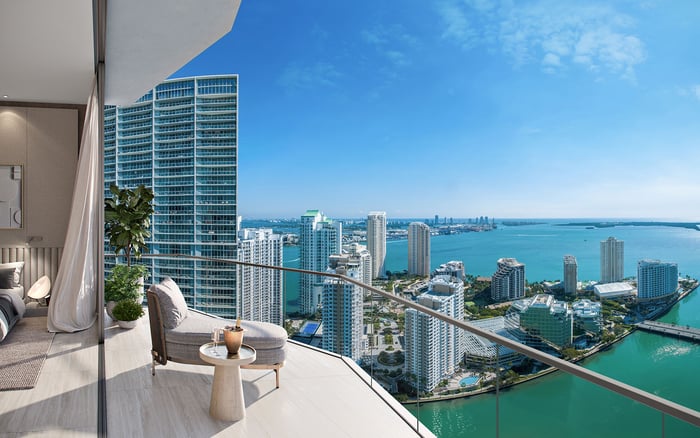
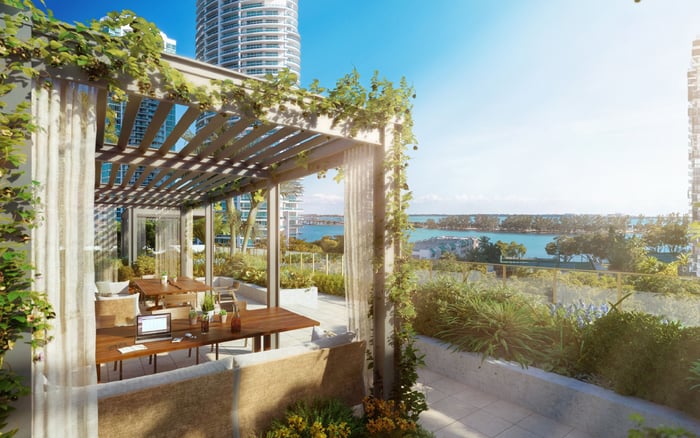
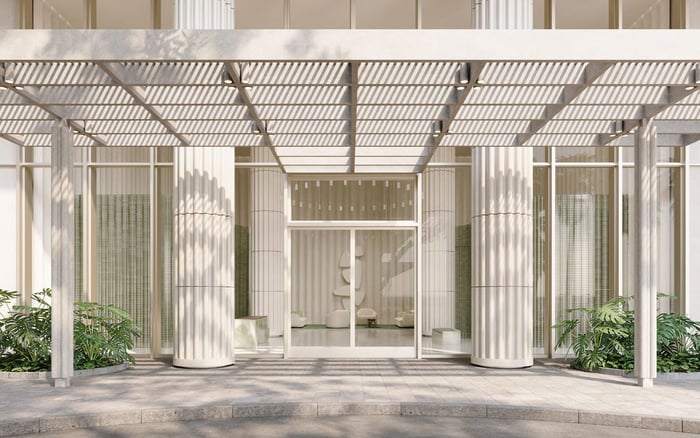
A discreet due diligence framework for New York founders considering a luxury residence near Miami Design District, with emphasis on lifestyle fit, liquidity, privacy, daily logistics, and long-horizon ownership discipline.
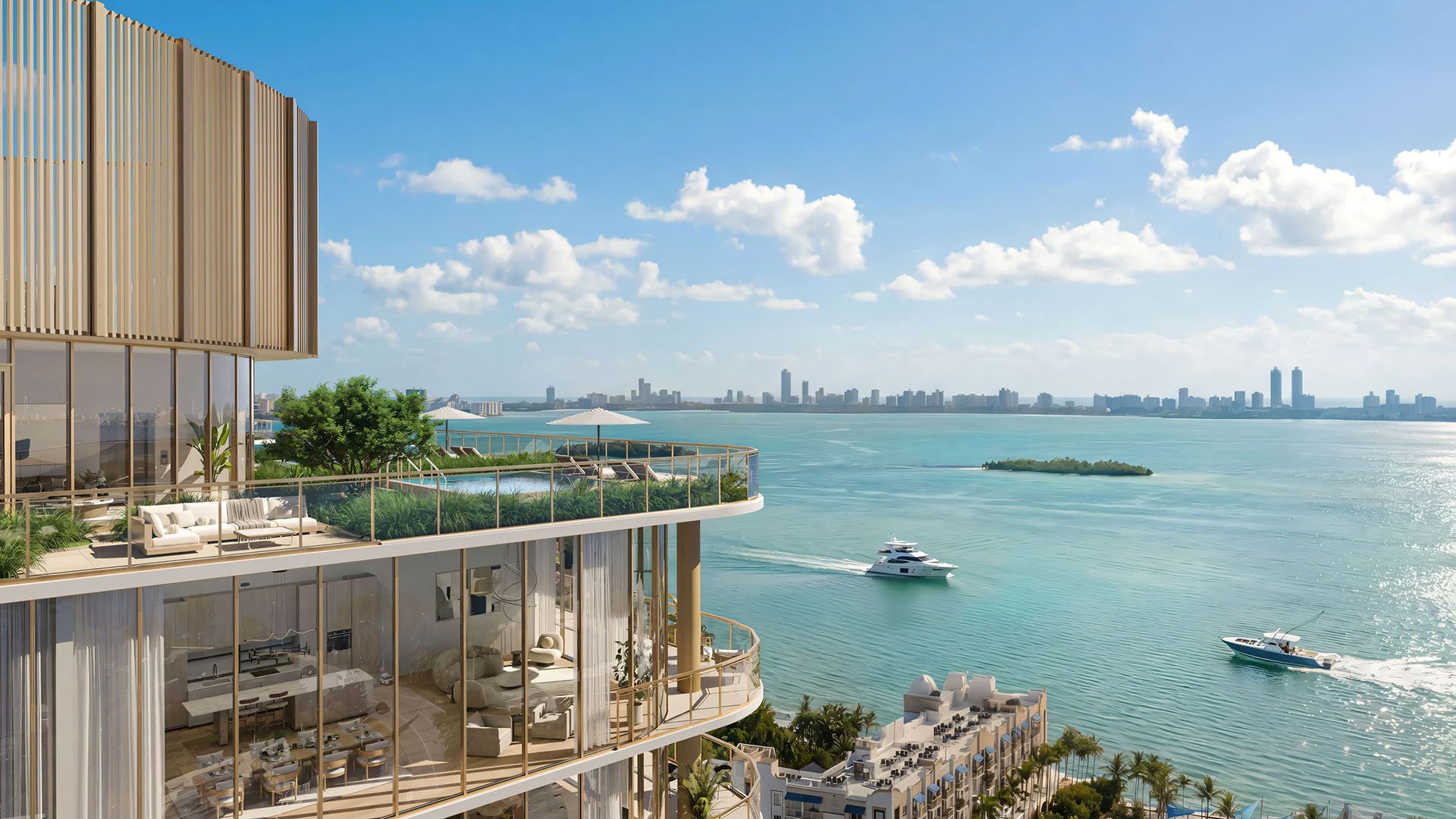
For a New York founder, buying in or near Miami Design District should begin with a sharper question than whether the residence is beautiful. The essential question is whether the address supports the way you actually operate: investor calls before breakfast, dinners that blur into deal flow, privacy after public-facing days, and a home base that can absorb both intensity and retreat.
Miami Design District appeals to buyers who value culture, design fluency, and proximity to a more edited version of urban Miami. Yet it should not be treated as a default upgrade from Manhattan or Brooklyn. It is a distinct residential proposition, with its own rhythm, edges, and tradeoffs. The founder who buys well here will pressure-test the neighborhood as carefully as a term sheet.
That means separating brand aura from lived experience. Walk the area in the morning, at midday, during dinner hours, and on a quiet weekday. Pay attention to how it feels to enter the building, leave for meetings, receive guests, and return late. A luxury residence should not merely photograph well; it should reduce friction in the founder’s week.
Before touring, write down the job of the residence. Is it a primary Miami base, a seasonal second home, a capital-preservation asset, a family landing pad, or an executive pied-à-terre? Each answer changes the underwriting.
A primary residence demands daily ease: storage, parking choreography, dog logistics, fitness access, food routines, and the ability to host without turning the home into a showroom. A second home needs resilience: effortless lock-and-leave systems, predictable building management, and a floor plan that still feels complete after weeks away. An investment lens requires a colder view: liquidity, buyer depth, rental constraints where applicable, and whether the building’s identity will age gracefully.
The Design District buyer should also decide how much neighborhood energy is desirable. Some founders want proximity to restaurants, galleries, retail, and creative rooms. Others want that energy within reach, but not at the front door. This is where nearby alternatives become useful. A buyer considering Kempinski Residences Miami Design District may also want to compare the broader Midtown context through Miami Design Residences Midtown Miami to understand how address, scale, and daily access feel in practice.
Do not fly in, tour three residences, dine well, and sign. Spend at least one concentrated window living as if the home were already yours. Use the same ride patterns, meeting schedule, workout timing, and dining habits you would expect after closing.
Start with mornings. Can you take an early call without acoustic intrusion? Is the route to coffee or training easy enough to become habit? Does the lobby feel discreet, or does it create the wrong kind of exposure? Founders often underestimate the value of a calm exit and return.
Then test the workday. If your Miami calendar moves between Design District, Wynwood, Edgewater, Brickell, Miami Beach, and private meetings elsewhere, map the real rhythm rather than the optimistic one. A residence near the Design District may be ideal for creative and cultural access, but your office gravity may pull south or east. If Brickell will dominate your weekday life, compare the emotional appeal of Design District with options such as 888 Brickell by Dolce & Gabbana or The Residences at 1428 Brickell before deciding where convenience truly lives.
Finally, test nights. Invite the people you would actually host. Evaluate parking, entry sequence, elevator privacy, service response, lighting, and whether the home supports conversation without feeling staged. The best residences make hospitality feel effortless.
New York founders often think in clusters: where capital gathers, where creative talent congregates, where operators live, where families feel settled, and where privacy improves. Miami’s residential map should be read the same way.
Design District and Midtown can appeal to a buyer who wants proximity to fashion, art, food, and a polished urban scene. Wynwood may matter for founders connected to creative studios, brand activations, and early-stage energy. Edgewater can offer a different waterfront-adjacent residential rhythm, and a comparison with Villa Miami can help clarify whether the buyer wants cultural proximity or a more bay-oriented daily backdrop. Brickell may fit those who want finance, offices, and dining density woven into the same schedule.
None is universally superior. The mistake is buying the neighborhood that best represents the person you imagine becoming, rather than the one that serves the week you actually live. A founder’s residence should be aspirational, but it should not require a personality transplant.
Privacy in Miami is not only about square footage or price. It is about approach, exposure, staffing, guest flow, amenity design, and how the building handles high-visibility residents. Ask how packages arrive, how service providers enter, how guests are announced, how drivers wait, and whether amenity areas invite discretion or performance.
Study the building’s social temperature. Some residences are intentionally scene-driven. Others are quieter, more controlled, and more residential in temperament. Neither is wrong, but the mismatch can become expensive. A founder who spends the day externally visible may need the home to function as a decompression chamber, not a second stage.
Terrace design deserves particular scrutiny. Depth, sightlines, wind exposure, and neighboring views can determine whether outdoor space is genuinely usable or merely marketable. The same is true of primary suite placement, office acoustics, kitchen visibility, and the distance between entertaining areas and private rooms.
New-construction can be compelling for buyers who want contemporary systems, fresh design language, and a more controlled entry into ownership. But it still requires discipline. Review the floor plan as a working document, not a rendering. Where will luggage go? Where does a private call happen when guests are present? Is there enough wall space for art? Can the lighting mood shift from work to dinner without fighting the architecture?
Founder buyers should also think beyond first occupancy. How will the building feel after the initial launch period? Will the design have longevity, or is it overly dependent on a trend? Are amenities aligned with your life, or simply impressive in a presentation? A private dining room matters only if you will use it. A wellness program matters only if it changes your routine.
Operating costs, association culture, rules, insurance considerations, and future resale audience all belong in the same conversation as finishes. Luxury is not the absence of diligence. It is the reward for doing diligence before emotion takes over.
The cleanest framework is to treat the purchase like a founder-level allocation of capital and attention. First, define the mission of the residence. Second, test the neighborhood under real conditions. Third, compare adjacent markets without ego. Fourth, underwrite privacy and operations. Fifth, ask whether the home will still feel intelligent if the market mood changes.
Miami Design District can be a sophisticated choice for the right New York founder. It rewards buyers who understand design, proximity, and cultural adjacency. But it is not a trophy to acquire casually. It is a lifestyle infrastructure decision, and the best purchase is the one that makes your Miami life feel calmer, sharper, and more intentional.
Should New York founders buy in Miami Design District before renting nearby? Renting or spending meaningful time nearby can clarify daily rhythm, privacy needs, and commute patterns before committing to ownership.
Is Miami Design District better for primary homes or second homes? It can work for either, but the right answer depends on whether the residence supports daily routines or functions as an easy lock-and-leave base.
How should a founder compare Design District with Brickell? Compare where meetings, dinners, fitness, and airport movements actually occur, then choose the address that removes the most friction.
Does Wynwood matter in the buying decision? Wynwood may matter if a founder’s work or social life is tied to nearby creative, cultural, or brand-driven environments.
What is the biggest mistake buyers make in this area? The biggest mistake is buying the idea of the neighborhood without testing how it performs during an ordinary week.
How important is building privacy? It is central for high-visibility buyers, especially when guest arrivals, service access, and amenity use affect daily discretion.
Should founders prioritize views or floor plan? Views matter, but a strong floor plan usually has more influence on work, hosting, storage, and long-term comfort.
Can a Design District residence be an investment? It can be considered through an investment lens, but resale depth, rules, carrying costs, and buyer demand must be reviewed carefully.
Why compare Edgewater during the search? Edgewater can offer a different residential feel, helping buyers decide whether they prefer cultural proximity or a more bay-oriented setting.
What is the best way to shortlist comparable options for touring? Start with location fit, delivery status, and daily lifestyle priorities, then compare stacks and elevations to validate views and privacy.
If you'd like a private walkthrough and a curated shortlist, connect with MILLION.
If branded residences are on your mind — as a home or as an allocation — we would be glad to share what we are seeing, privately.
Begin a quiet conversation