A discreet diligence guide for Fisher Island buyers evaluating special-assessment culture, board habits, reserve expectations, capital planning, and long-term ownership risk before committing to a luxury residence.
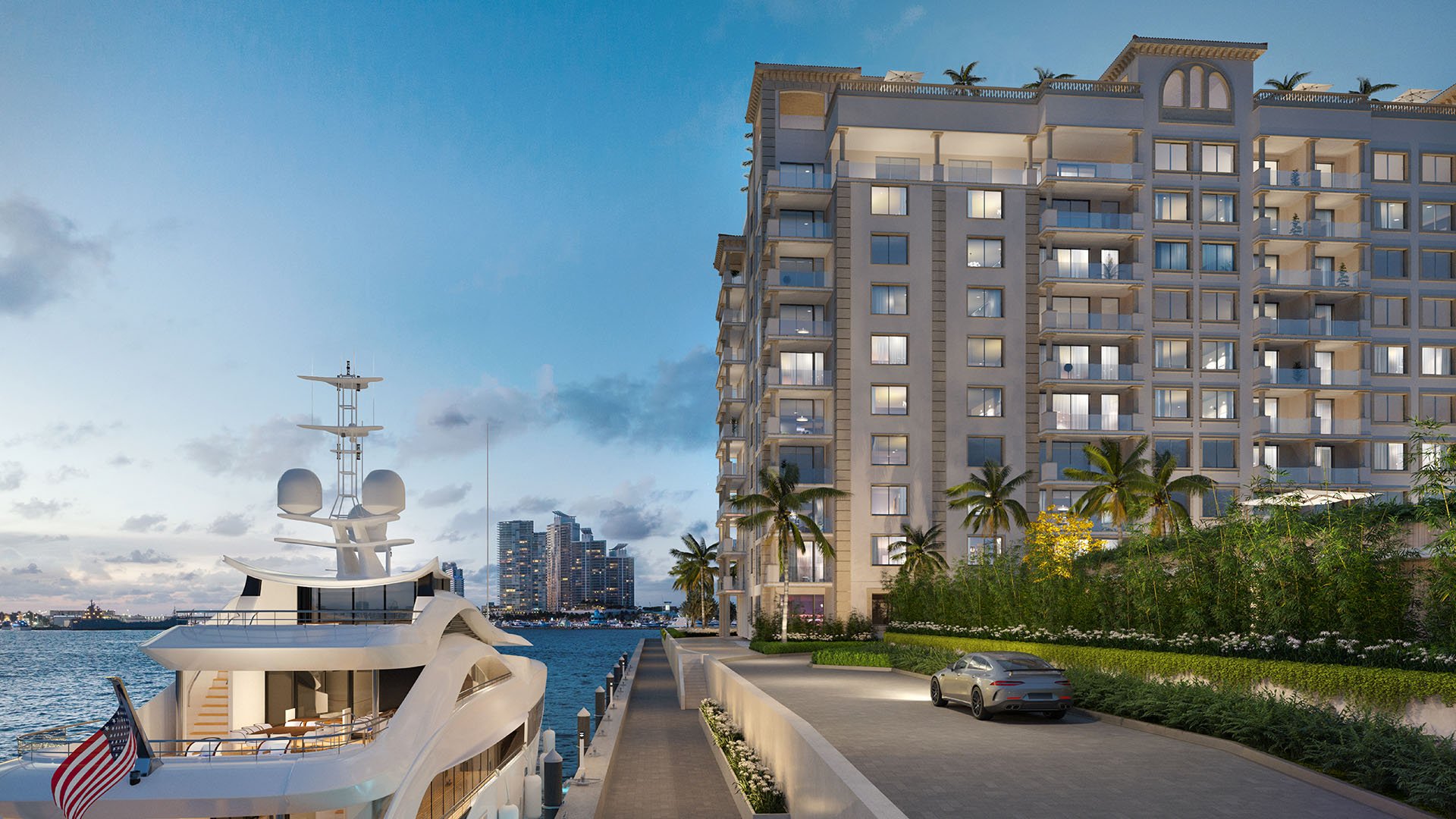
On Fisher Island, the question is not simply whether a residence is beautiful. It is whether the building, association, and surrounding ownership ecosystem operate with the financial discipline expected at the top of the South Florida market. A special assessment can be a sensible tool, a marker of prudent reinvestment, or a symptom of deferred decision-making. The difference is culture.
For a luxury buyer, assessment culture is the pattern behind the invoice. Does the association plan ahead, or react late? Are owners accustomed to funding capital needs without drama, or does every project become a political negotiation? Are reserves treated as a strategic buffer, or as a number to be minimized? These questions matter because even the most expensive real estate is not immune to ordinary building realities. Elevators age. Seawalls, roofs, mechanical systems, finishes, staffing models, insurance programs, and amenity expectations evolve.
Fisher Island ownership is often discussed through the lens of a gated community, exclusive area, marina, and resale potential, but it is also a governance conversation. A buyer considering Palazzo del Sol or Palazzo della Luna should evaluate not only architecture and service, but how the building communicates, budgets, and executes.
The most revealing documents are not always glossy. Ask for recent meeting minutes, approved budgets, reserve schedules, pending project summaries, insurance discussions, and owner communications related to capital work. You are looking for tone as much as numbers.
A healthy culture tends to sound calm and specific. Projects are identified early. Cost ranges are discussed before emergencies force decisions. Owners receive explanations, not surprises. Vendor selection feels professional rather than personal. When assessments are necessary, the rationale is clear, the timing is credible, and the communication is direct.
A weaker culture often reveals itself through repetition. The same maintenance topic appears meeting after meeting without resolution. Temporary fixes become permanent habits. Budgets depend on optimistic assumptions. Owners debate whether a visible issue is urgent rather than whether the solution is best. In ultra-prime property, hesitation can be expensive because expectations are high and the margin for inconvenience is low.
In many markets, maintenance means preserving function. On Fisher Island, it should mean preserving experience. The lobby must feel composed, the arrival sequence must remain seamless, staff areas must support service standards, and outdoor spaces must withstand the climate with quiet competence.
Ask whether the association has a written capital plan, how often it is updated, and whether major components are reviewed before they fail. Ask whether aesthetic upgrades are separated from essential infrastructure. A building can look immaculate while major systems are approaching a decision point. Conversely, a building can fund unglamorous infrastructure with discipline and protect long-term value in the process.
This is especially relevant when comparing established island residences with newer offerings such as The Residences at Six Fisher Island. Newness may reduce some near-term questions, but it does not eliminate the need to understand operating philosophy, reserve funding, and future capital expectations.
Not every assessment is a red flag. In a sophisticated association, a special assessment can reflect a deliberate choice to fund a discrete project, accelerate a needed improvement, or maintain the standard owners expect. The issue is whether assessments are planned, occasional, and well explained, or whether they have become the default method for covering predictable needs.
Ask for a history of special assessments over a meaningful period. Focus on frequency, purpose, scale, and process. Were assessments tied to specific capital projects, or did they cover operating shortfalls? Were they preceded by reserve discussions? Did owners receive alternatives? Were payments structured with sensitivity to liquidity, or demanded abruptly?
For high-net-worth buyers, the concern is rarely the ability to write a check. It is the signal. A residence can be financially affordable yet still feel poorly managed if ownership is repeatedly interrupted by avoidable surprises. In the luxury tier, time, privacy, and predictability are part of the asset.
Reserve conversations can become technical, but the buyer’s core question is simple: does the association appear prepared for the building it owns? Low monthly charges may look attractive until they imply future catch-up funding. Higher charges may be entirely reasonable if they reflect disciplined planning, strong service, and capital readiness.
Ask what assumptions support the reserve schedule. Ask whether recent cost inflation has changed planning. Ask how often inspections or professional reviews are commissioned. Ask whether the board has discussed insurance pressures, waterfront exposure, life-safety work, or amenity renovation needs. You are not trying to become the association treasurer. You are trying to understand whether the building’s financial posture matches the price of entry.
The same lens applies beyond condominium towers. Buyers evaluating The Links Estates at Fisher Island should still ask how shared infrastructure, private roads, landscaping standards, security expectations, and community-level obligations are funded and governed.
Experienced buyers know that silence can be informative. If meeting minutes are unusually thin, ask why. If capital topics are vague, ask for supporting material. If insurance, reserves, or structural work are never discussed, determine whether that reflects stability or avoidance. If owner questions are summarized without answers, ask to see follow-up communications.
The most polished buildings often have the least dramatic paperwork because they address matters early. Still, a buyer should never confuse discretion with absence. Luxury associations may prefer privacy, but private does not mean opaque. A serious purchaser is entitled to understand financial trajectory before closing.
Also ask who attends meetings, how decisions are communicated to absentee owners, and whether major owners are aligned on reinvestment philosophy. In buildings where many residences are second homes, communication rhythm becomes especially important. A well-run board anticipates that owners may be global, mobile, and busy, and still keeps them informed.
Assessment culture follows the property into resale. Future buyers will ask the same questions you are asking now. If a building has a reputation for surprise assessments, unresolved maintenance, or contentious governance, that perception can affect negotiation even when the residence itself is exceptional. If, by contrast, the association is known for orderly planning and transparent execution, ownership feels easier to underwrite.
This does not mean choosing only the newest building or the lowest monthly charge. It means pricing the full ownership experience. A residence with strong views, generous proportions, and elegant finishes may still require a governance discount if the financial culture is unpredictable. Another residence may command confidence because the association has shown a willingness to fund excellence before problems become visible.
Your advisory team should review documents, but the buyer should listen carefully too. Ask direct questions. Notice whether answers are immediate or evasive. Notice whether the seller has retained assessment notices, project updates, and budgets in an organized manner. On Fisher Island, discretion is expected. So is competence.
Before a contract becomes emotional, ask whether any assessment is approved, pending, discussed, or reasonably anticipated. Ask whether there are open projects, vendor disputes, insurance changes, reserve adjustments, or known capital needs. Ask whether monthly charges are expected to change materially and why. Ask how past assessments were allocated among owners.
Then move from documents to culture. How does the board communicate difficult news? Are owners generally supportive of reinvestment? Does the association prefer to maintain an elite standard proactively, or wait until an issue becomes unavoidable? Are projects completed on time? Are common areas refreshed with restraint and taste, or only when fatigue becomes visible?
The goal is not to eliminate every uncertainty. That is impossible in any substantial property. The goal is to avoid buying into a beautiful residence while inheriting a financial culture that does not match your expectations.
What is special-assessment culture? It is the association’s pattern for identifying, funding, communicating, and executing capital needs beyond ordinary monthly charges.
Is every special assessment a warning sign? No. A well-planned assessment for a defined improvement can reflect disciplined ownership rather than distress.
What documents should I request first? Ask for budgets, meeting minutes, reserve materials, insurance discussions, project updates, and assessment notices.
Should I worry more about older buildings? Age matters, but culture matters more. Newer and older properties both require clear planning and strong governance.
How do reserves affect luxury ownership? Reserves can reduce surprise funding needs and help the association maintain the standard owners expect.
Can a low monthly charge be misleading? Yes. Low carrying costs may be attractive, but they should be tested against reserves, capital plans, and service expectations.
What should I ask the seller directly? Ask whether any assessments are approved, pending, recently paid, discussed, or expected based on known building needs.
Does assessment history affect resale? It can. Future buyers often price governance quality, predictability, and financial discipline into their offers.
Who should review the association materials? Use qualified legal, financial, and property professionals familiar with luxury condominium and community ownership.
What is the best sign of a healthy culture? Clear communication, early planning, realistic reserves, and a board that treats maintenance as part of the luxury experience.
To compare the best-fit options with clarity, connect with MILLION.
If branded residences are on your mind — as a home or as an allocation — we would be glad to share what we are seeing, privately.
Begin a quiet conversation