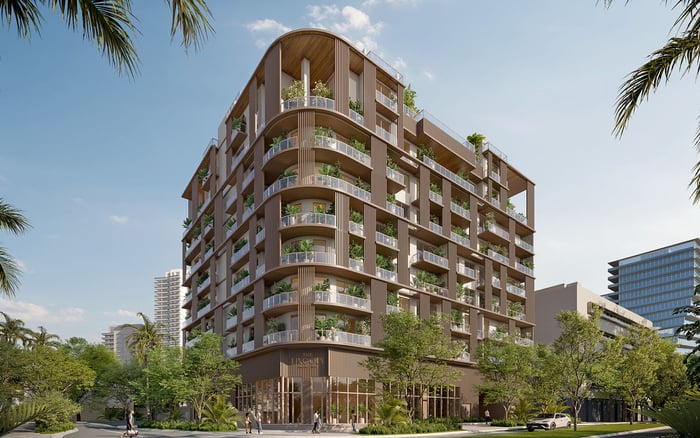
A buyer-oriented comparison of rental flexibility, guest access, and day-to-day control considerations at The Lincoln Coconut Grove and Ziggurat Coconut Grove, with practical questions to ask before purchasing.

In Coconut Grove, the line between a primary residence and a luxury pied-à-terre is often thin. Many buyers want the ability to travel for weeks at a time, host family without friction, or occasionally lease a residence when it is not in use. Others want the opposite: a tightly managed environment where unfamiliar faces are rare, the lobby feels private, and the building operates more like a club than a hotel.
That’s why comparing The Lincoln Coconut Grove and Ziggurat Coconut Grove through the lens of rental flexibility and guest policies is more than a lifestyle exercise. It’s an underwriting exercise. Leasing terms influence who your neighbors are, how the property is staffed, how wear and tear is managed, and how future buyers assess the residence.
This guide stays practical: what to review, what to request in writing, and how to translate rules into real-world living.
Condo conversations in the Grove can be full of confident shorthand: “They allow short-term,” “They’re strict,” “Guests are fine.” None of it matters unless the rule appears in the governing documents and the building enforces it consistently.
For both communities, your checklist should start with the same three requests:
The current condominium declaration and bylaws (or equivalent ownership documents).
The most current rules and regulations, including any “house rules,” move-in policies, elevator reservations, and fines schedule.
The lease application package: required forms, screening standards, and any lease addendum that modifies what is permitted.
Treat these as investment documents. If you care about Rent outcomes, you want certainty-not anecdotes.
When buyers discuss The Lincoln Coconut Grove, the focus typically lands on a curated, residential feel rather than a transient one. If your priority is privacy and a predictable day-to-day environment, the key question isn’t simply whether leasing is allowed-it’s how the building defines acceptable leasing.
Key variables to verify in writing:
Minimum lease term. A building can be “rental friendly” and still require meaningful duration, which tends to keep the resident profile stable.
Frequency limits. Some associations allow leasing but limit how many times per year you can lease. That matters if you plan seasonal usage with multiple tenant periods.
Approval process. Confirm whether the association requires an interview, background screening, or board review-and whether the standards are objective.
Occupancy standards. Rules may govern the number of occupants per bedroom, shaping how families use the residence.
Guest policies are the other half of the lived experience. Clarify how the building handles overnight guests, visiting staff, and service providers. A building can be quiet and still feel welcoming, but the mechanics are operational: where guests check in, whether access is tracked, and how the front desk or security communicates with owners.
If your goal is a home that reads as composed and residential, the Lincoln-style framework tends to resonate with buyers who value predictability over maximum flexibility.
Ziggurat Coconut Grove
can appeal to buyers who want optionality: the ability to use the home intensively for part of the year and potentially lease it at other times. In a market where lifestyles shift quickly, optionality has real value. Still, flexibility only pays off when it’s structured.
For a Ziggurat-style posture, diligence needs to be more exacting:
Are shorter leases permitted, and if so, what is the enforcement mechanism?
Is there a cap on the number of leased units at any one time? Even if your unit can be leased, financing and buyer appetite can shift if a building drifts toward higher rental concentration.
How is key management handled? Owners who travel should understand how access is managed without diluting security.
What is the policy for guest registration and visiting groups? “Guest-friendly” can feel elegant when it’s clearly managed-and chaotic when it isn’t.
If you want to protect a luxury standard while keeping more levers available, focus on how the building manages behavior, not only what it permits. The best-run flexible buildings still feel calm because the rules are explicit, staff are empowered, and violations meet predictable consequences.
Rather than thinking in binaries (short-term allowed vs. not allowed), score each building across five practical dimensions:
Time horizon: minimum term and whether renewals are treated differently.
Turnover friction: application requirements, fees, and lead times.
Control: the association’s ability to enforce noise, occupancy, and amenity etiquette.
Liquidity: how future buyers will perceive the building’s resident mix.
Operational ease: package handling, key control, and staff procedures.
This is where Investment thinking meets lifestyle. A building that’s too rigid may narrow your future buyer pool. A building that’s too loose may narrow your future buyer pool in a different way.
Guest rules rarely receive the attention they deserve-yet they define daily comfort.
Consider four categories:
friends and family visiting for dinner, weekends, or holidays.
relatives staying for weeks at a time.
housekeepers, chefs, wellness providers, dog walkers.
furniture, flowers, catering, contractors.
A well-designed guest policy isn’t hostile. It’s clear. In ultra-premium buildings, the objective is to let owners host gracefully while protecting neighbors from excessive noise, amenity crowding, and unsecured access.
Ask operational questions: Is guest registration required after a certain hour? Are there limits on the number of guest passes? Are there rules for pool cabanas or fitness access for guests? These details can matter more than any brochure promise.
Coconut Grove offers a wide range of residential experiences. It can be useful to calibrate Lincoln and Ziggurat against other high-profile options in the neighborhood-not as a substitute for document review, but to sharpen what “flexibility” and “privacy” look like across the submarket.
For a broader lens on established luxury living, Park Grove Coconut Grove is often discussed by buyers who want a full-service environment and a strong sense of place.
If you want newer positioning and a boutique feel, Arbor Coconut Grove can be a useful point of reference when thinking about how buildings manage access, amenities, and daily operations.
For buyers who prioritize brand-level service expectations, Four Seasons Residences Coconut Grove is a natural comparison when the conversation turns to discretion, staffing, and the management of owner and guest experience.
And for those considering a wellness-oriented residential lifestyle in the same neighborhood, The Well Coconut Grove adds another lens: how policies can support quiet enjoyment and a more intentional cadence of living.
These comparisons help clarify whether you’re buying a home that happens to be leasable, or a property meant to be optimized for leasing.
Before you commit, push for clear answers to these questions-ideally in writing or directly within the formal documents:
What is the minimum lease term, and are there any exceptions?
Is there a limit on the number of leases per year?
Are corporate leases allowed? Are leases to trusts or LLCs treated differently?
Is there a building-wide rental cap, and how is it tracked?
What is the screening process for tenants?
Are there move-in and move-out procedures, deposits, and elevator reservations?
What are the quiet hours and noise enforcement mechanisms?
How are guests handled after hours, and what access do guests have to amenities?
Are there policies related to deliveries, contractor access, and service elevators?
What fines apply for violations, and are they commonly enforced?
Even if you never lease, leasing rules shape the building’s rhythm. Even if you rarely host, guest rules shape how friends and family experience the home.
Choose the Lincoln-style profile if your priority is a consistently residential atmosphere, fewer variables in the lobby, and a bias toward stable occupancy. This profile often fits primary residents, families, and second-home owners who value calm over optionality.
Choose the Ziggurat-style profile if your priority is optionality and the ability to adapt usage over time-and you’re comfortable doing deeper diligence on enforcement, staffing, and access protocols. This profile can fit global buyers with changing schedules and owners who want more flexibility without giving up standards.
In both cases, the most “luxury” outcome isn’t the loosest rule set. It’s the clearest rule set, executed consistently.
Do either building allow short-term rentals? Confirm through the condominium documents and leasing addendum; policies can change, and enforcement is decisive.
What is the most important rental term to verify? The minimum lease term, because it most directly shapes resident stability and turnover.
Can guest policies affect resale value? Yes. Buyers often pay a premium for privacy, predictability, and controlled access.
Are long-term rentals always better for the building? They typically reduce turnover, but outcomes still depend on screening standards and enforcement.
Do amenities usually allow guest access? Often yes, with limits. Ask specifically about pool, fitness, and any reservation-based spaces.
Should I assume rules posted in a lobby are the full policy? No. Only the governing documents, rules and regulations, and lease addenda define the framework.
What is a rental cap and why does it matter? It limits how many units can be leased at once, influencing financing and buyer perception.
How can I host extended family without issues? Clarify overnight guest limits, registration requirements, and any amenity access restrictions.
What is the biggest red flag in guest management? Vague procedures for after-hours entry and inconsistent enforcement of registration or noise rules.
What should I do if I want flexibility but also quiet? Prioritize buildings with clear written rules, professional staffing, and predictable enforcement.
For a discreet conversation and a curated building-by-building shortlist, connect with MILLION Luxury.
If branded residences are on your mind — as a home or as an allocation — we would be glad to share what we are seeing, privately.
Begin a quiet conversation