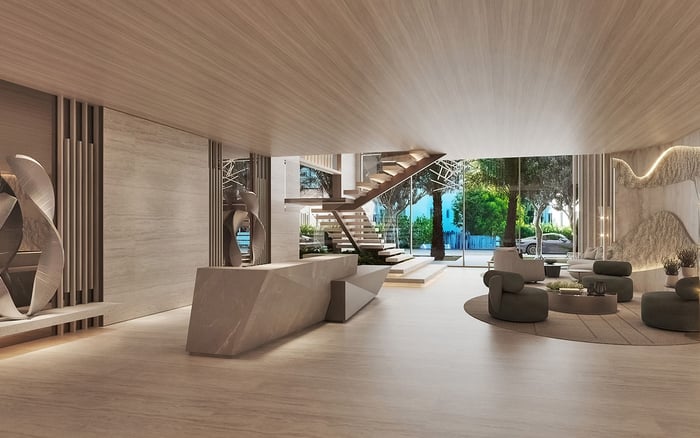
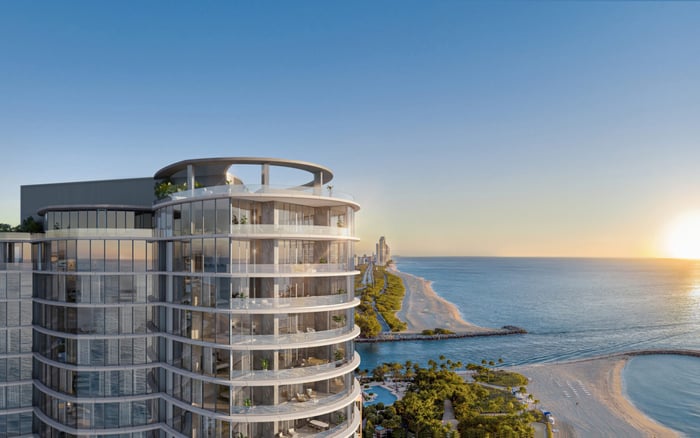
Bal Harbour rewards long-hold ownership, but rental strategy hinges on two layers of control: the Village’s transient-rental framework and each building’s association documents. Oceana’s publicly discussed lease structure is clear and seasonal-leaning, while Rivage remains more opaque until final condominium documents are reviewed. For buyers balancing lifestyle with optional income, the practical work starts with minimum terms, annual caps, and carrying costs per square foot.
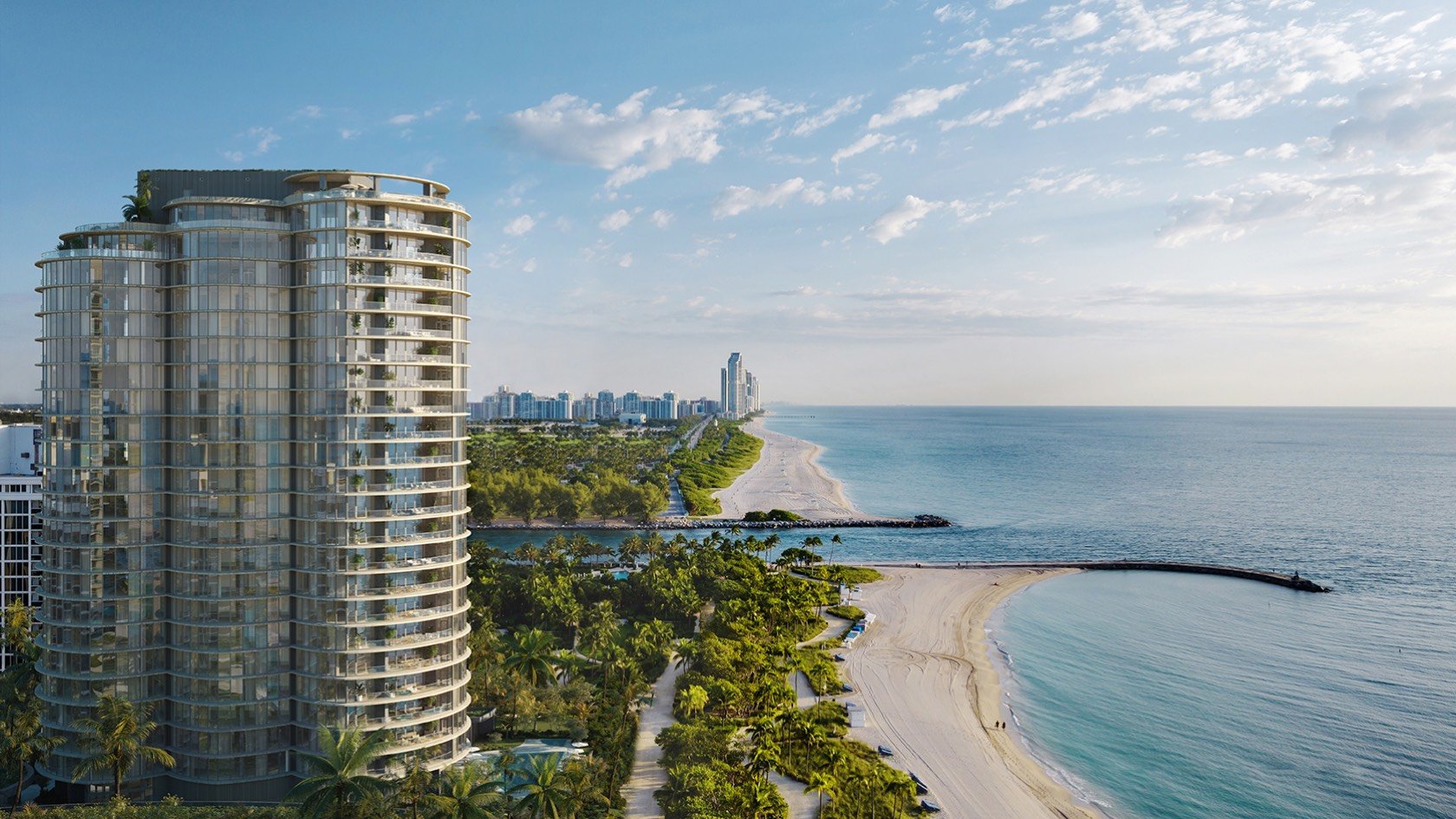
Bal Harbour is not built for churn. It is built for continuity: discreet arrivals, familiar staff, and a resident rhythm that reads more “private club” than “tourist corridor.” That culture shows up in rental policy. Whether you own in an established icon like Oceana Bal Harbour or you are considering a newer boutique concept like Rivage Bal Harbour, your ability to rent is defined by two separate gatekeepers.
First is the Village, which sets rules around transient activity and requires procedural compliance for vacation-style rentals. Second is the condominium association, which can be more restrictive than the municipality. Sophisticated buyers treat these as stacked filters: you must clear both, every time.
This matters because “rental-friendly” can mean very different things. In Bal Harbour, rental-friendly typically means predictable, high-quality, long-duration leasing that protects the building’s residential character-not high-frequency short stays.
Bal Harbour’s short-term rental framework is administrative by design. For a vacation rental period, a Vacation Rental Certificate is required, and the application is typically filed at least 15 days in advance. The process can include an inspection prior to certificate approval. In parallel, owners may also need local registrations such as a Business Tax Receipt and a Resort Tax Certificate, and the framework contemplates remitting a 4% resort tax.
Operationally, that pushes the market toward intentional planning rather than spontaneous bookings. Even when an owner prefers shorter periods, the lead time and paperwork reduce last-minute flexibility.
Occupancy expectations further reinforce the residential tone. Commonly cited limits are two people per bedroom plus up to two additional guests, with a maximum of 12 occupants. That is not just a number; it signals an intent to avoid party-house dynamics and keep density aligned with neighborhood norms.
Then comes the second layer: association rules. In the broader Miami area, condominium associations often impose tighter rental limits than local ordinances. The practical implication is straightforward-municipal compliance is necessary, but it is not sufficient. Your rental plan ultimately lives inside the building’s documents.
Oceana’s lease structure is unusually easy to summarize in clean terms, which is exactly what investors and second-home owners value.
Owners are generally permitted to rent up to two times per calendar year, with a minimum lease term of six months. For many luxury buyers, that combination is the sweet spot: long enough to screen tenants and preserve a calm lobby, yet flexible enough to capture a winter season or a structured corporate relocation.
Timing matters, too. New owners may lease during the first year after purchase-an important point when a buyer wants immediate optionality. Many condominiums impose a “no leasing for year one” rule that can catch even seasoned investors off guard. Here, earlier leasing flexibility can help bridge a life transition, a renovation timeline, or a planned move-in date.
The nuance is that “seasonal rentals may be possible but limited,” which fits logically alongside a six-month minimum. In practice, Oceana’s framework aligns with the long-season, high-quality tenant profile Bal Harbour tends to attract.
Carrying costs also shape the rental math. Oceana’s estimated maintenance has been described at about $1.00 per square foot, varying by unit. That is not a footnote. In a market where rents can be strong but expectations for service and staffing are higher, maintenance is often the largest controllable variable in net yield.
For pet owners, Oceana’s policy is commonly described as having possible restrictions, suggesting approvals or limitations may apply. For owners intending to lease, pets can also influence tenant demand and deposit terms, so it is worth clarifying early.
Rivage positions itself as an intimate oceanfront condominium: 56 residences rising across 24 stories. That boutique scale can be a meaningful lifestyle differentiator. Fewer neighbors often translates to quieter amenities, more consistent service, and less of the “hotel energy” some buyers prefer to avoid.
For rental planning, however, the key issue is transparency. Public materials do not clearly spell out rental caps or minimum lease terms; buyers should expect to rely on the condominium documents and legal disclosures as they are issued through the sales process.
What can be evaluated today is the cost side. Rivage’s estimated maintenance and operating cost has been described at about $2.10 per square foot, notably higher than Oceana’s estimate. Higher operating costs are not inherently negative. They can reflect staffing, elevated services, or a different amenities profile. However, they do change the break-even rent required to make leasing attractive.
For many buyers, that becomes the strategic question: is Rivage primarily a personal-use residence where leasing is an occasional convenience, or a residence where leasing is a core part of the ownership plan? The answer will come from the final documents.
In a different zip code, the conversation might be dominated by AirBnb-style demand. In Bal Harbour, the smarter lens is duration.
A six-month minimum lease effectively pushes an owner into two common patterns. One is a winter-season lease, appealing to high-net-worth tenants who want stability and privacy. The other is a true long-term lease, where tenant selection is less about nightly rates and more about credit, references, and lifestyle fit.
The Village’s vacation-rental certificate process and the commonly cited limits on the number of vacation-rental periods per year add friction to short stays. Even if the economics of short-term rentals look compelling in theory, the compliance choreography can make them feel misaligned with the local ethos.
If your investment thesis requires frequent turnover, Bal Harbour is usually not the cleanest canvas. If your thesis is capital preservation with occasional, controlled leasing, it can be an excellent fit.
Bal Harbour rentals should be underwritten like a private placement: assumptions must be conservative, compliance must be mapped, and the exit should be clear.
Start with the building documents. The association rules are the final word on frequency, minimum term, application fees, screening, and whether the first year after purchase is restricted.
Next, map municipal compliance when transient renting is contemplated. The Vacation Rental Certificate timeline, potential inspection, and local tax registrations should be treated as a process with deadlines-not a casual step.
Then model carrying costs per square foot. The difference between approximately $1.00 and $2.10 per square foot is not abstract; it is a monthly delta that can expand or compress the cushion between rent and expenses.
Finally, decide what type of tenant you want. In luxury buildings, tenant quality is not only a financial consideration. It is a community consideration.
Some buyers choose Bal Harbour precisely because it is not trying to be everything. If you want a more flexible, broader coastal market experience, there are neighboring areas where the culture can be different and where product variety is wide.
To the south, Miami Beach offers a spectrum of ownership profiles, from true residential enclaves to properties that lean more hospitality-adjacent. Buyers who want a design-forward oceanfront lifestyle might also compare the tone of The Perigon Miami Beach, while recognizing that each building’s leasing posture remains highly specific.
Just north, Surfside has its own quietly premium character and a strong concentration of ultra-luxury inventory. A project like Arte Surfside can serve as a reference point for buyers weighing boutique scale, oceanfront presence, and the importance of rules that preserve privacy.
The takeaway is not that one area is “more rental friendly” in a simplistic way. It is that each micro-market writes its own social contract. Bal Harbour’s contract is clarity, calm, and control.
Even for cash buyers, financing frameworks can influence a building’s posture over time because lending preferences often track owner-occupancy.
Current FHA condo-approval guidance has reduced the typical owner-occupancy threshold from 50% to 35% for many existing condominium projects, subject to other criteria. For new condo projects, early-phase requirements may differ, with industry guidance referencing around 30% owner-occupancy in some contexts. While this does not dictate an association’s rental rules, it can shape the broader ecosystem of who buys, how many units are investor-held, and how a building calibrates its comfort with leasing.
In practical terms, projects with higher investor concentration often face more pressure to clarify leasing policy. Projects with strong owner-occupancy often prioritize stability and strict screening. Neither is universally “better,” but they create different living environments.
Oceana tends to appeal to buyers who want an established, clearly defined leasing framework: two leases per year, six-month minimums, and the ability to lease in year one. That structure is profile-friendly for second-home owners who want a predictable seasonal plan.
Rivage may appeal to buyers who prioritize boutique scale and are comfortable deferring final rental assumptions until the documents are fully reviewed. Its higher estimated maintenance and operating cost points to a different service and expense profile that should be underwritten accordingly.
Both can be exceptional for the right buyer. The key is not to ask which is “better,” but which matches your intended use: primary residence, second-home with seasonal leasing, or investment with controlled duration.
Can I do short-term rentals in Bal Harbour? Bal Harbour has a vacation-rental certificate process and local compliance steps that can make short stays more procedural than many owners expect.
Does the Village require advance notice for vacation rentals? Applications are typically made at least 15 days in advance for each rental period.
Are inspections part of the vacation rental process? Inspections are part of the approval flow before a vacation rental certificate is issued.
What are Oceana Bal Harbour’s rental limits? Owners may rent up to two times per calendar year with a minimum lease term of six months.
Can a new Oceana owner lease in the first year? Yes, leasing in the first year after purchase is generally permitted.
Does Rivage Bal Harbour publish rental caps or minimum terms publicly? Public materials do not clearly disclose them; the definitive rules are in the condominium documents.
How do operating costs influence rental strategy? Higher maintenance per square foot can materially change net returns and the rent required to justify leasing.
Do condo associations override municipal rules? Associations can impose stricter limits than local ordinances, so both layers must be confirmed.
Are there occupancy limits for vacation rentals in Bal Harbour? Commonly cited limits are two people per bedroom plus two additional guests, with a maximum of 12 occupants.
What is the simplest way to avoid surprises when buying for rental flexibility? Review the current condo documents early and align your plan with minimum terms, caps, and approvals.
When you're ready to tour or underwrite the options, connect with MILLION Luxury.
If branded residences are on your mind — as a home or as an allocation — we would be glad to share what we are seeing, privately.
Begin a quiet conversation