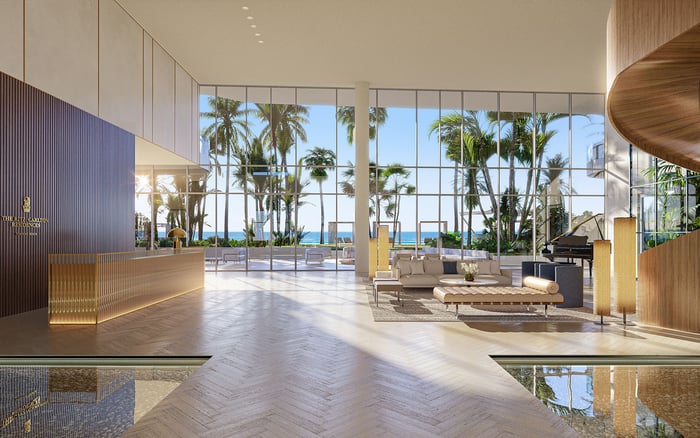
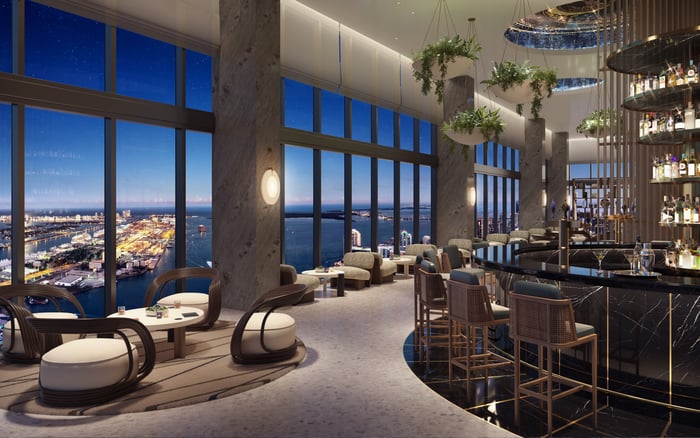
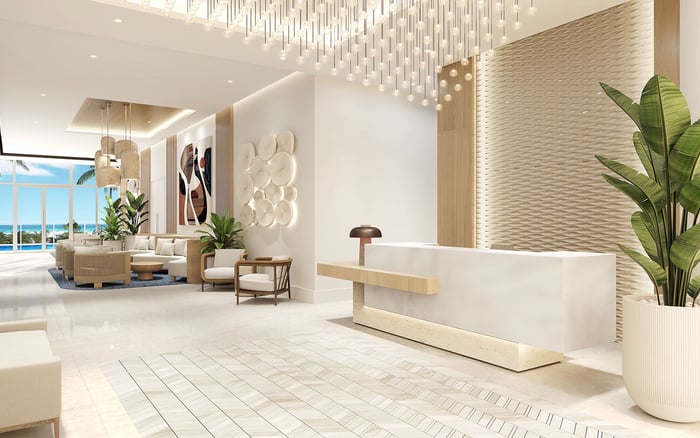
In coastal South Florida, hurricane engineering is not a marketing line item. For buyers considering oceanfront and near-ocean residences, High-Velocity Hurricane Zone alignment signals a building culture that treats wind, water, and envelope performance as core design inputs. This article explains what HVHZ certifications generally mean in practice, why they matter to long-term asset resilience, and how to evaluate them intelligently at W Pompano Beach Hotel & Residences and comparable new construction along the coast.
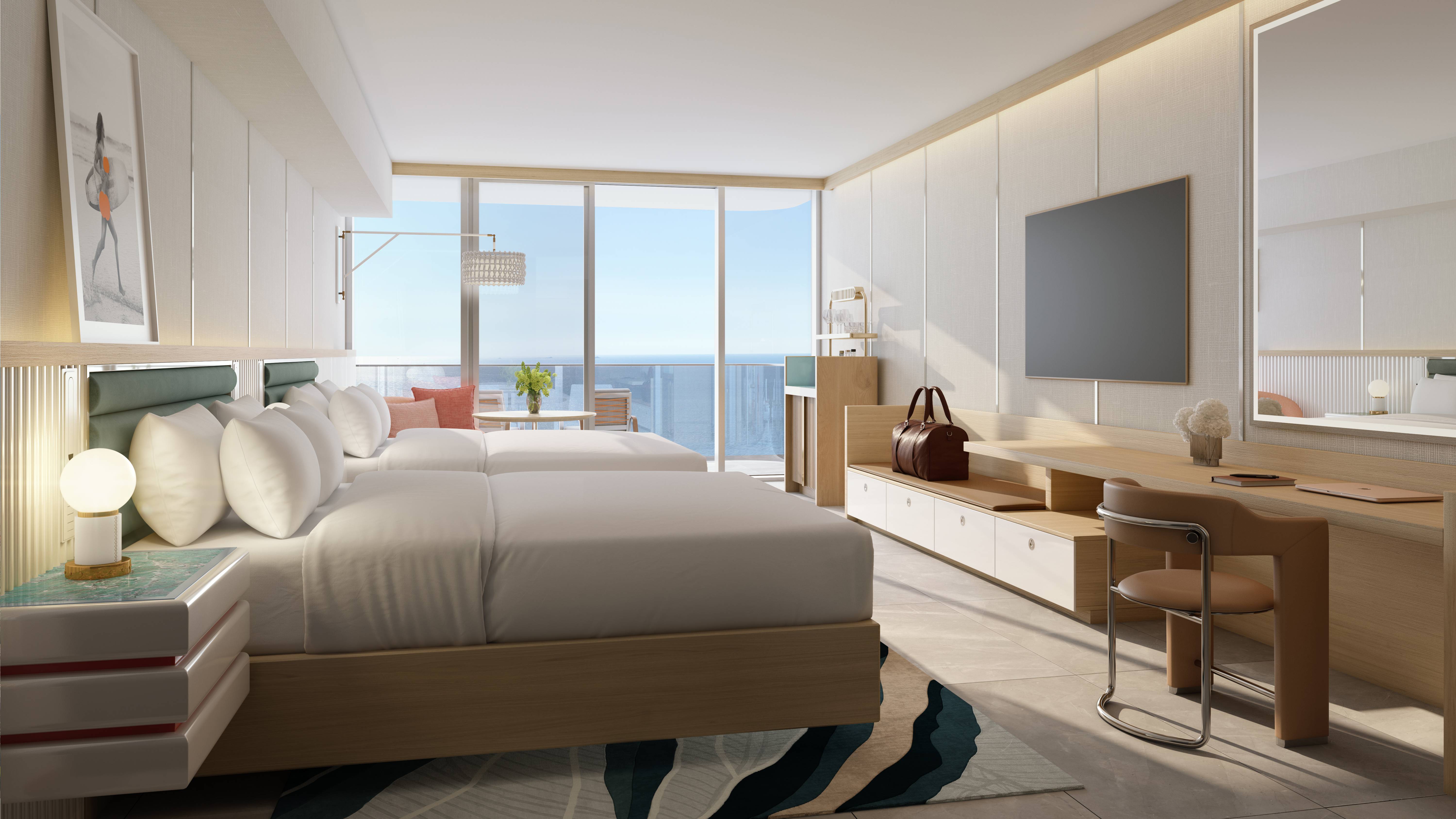
In South Florida, “storm-ready” isn’t a vibe-it’s an engineering and regulatory posture that directly affects day-to-day livability, long-term maintenance, and how a property holds value through market cycles. High-Velocity Hurricane Zone, commonly shortened to HVHZ, refers to a more demanding framework for building components and installation practices in areas exposed to extreme wind events.
For an oceanfront or near-ocean residence like W Pompano Beach Hotel & Residences, HVHZ certifications and related approvals are often a reliable indicator of how seriously the building treats its exterior envelope. The “envelope” is the full system separating interior from exterior: glazing, doors, mullions, roof-edge conditions, fasteners, sealants, balcony interfaces, and-critically-how all of those elements connect.
In luxury real estate, the envelope is not only about performing during a named storm. It also drives quieter, daily advantages: less salt-air intrusion, fewer drafts, more stable interior humidity, and fewer interruptions when a building is designed, detailed, and maintained with wind and water as primary design inputs.
Buyers often hear “HVHZ-rated windows” and assume the story ends there. In practice, HVHZ alignment is best viewed as a chain of accountability-not a single label on a product.
At a high level, HVHZ-related approvals generally focus on:
Impact resistance for glazing and exterior openings, addressing wind-borne debris
Design pressure performance, indicating how assemblies resist positive and negative wind loads
Installation methods, including anchoring, fasteners, and substrate conditions
Interfacing details, where air leakage and water intrusion most often begin
What HVHZ does not do is guarantee effortless ownership. Even a well-specified building can be undermined by deferred maintenance, improper alterations, or inconsistent replacement components over time. That’s why discerning buyers treat certifications as the beginning of diligence-and then assess how the building is managed as a living system.
For coastal projects in Pompano-beach, the more useful question isn’t simply “Is it HVHZ?” but “Which components are approved, to what standard, and how is performance protected over time?”
Luxury buyers often start with views, finishes, and amenities-then shift to resilience once the shortlist is set. A more refined approach is to treat resilience as a luxury feature in its own right.
1) Everyday comfort and acoustic quality
Impact-rated glazing systems are frequently paired with stronger frames and tighter tolerances. When installed correctly, that can reduce whistling, rattling, and noticeable pressure shifts on high-wind days. In a hospitality-branded tower-where expectations lean toward hotel-grade quiet-envelope performance becomes part of the invisible amenity set.
2) Salt, moisture, and interior stability
On the ocean, wind is a delivery system for salt and moisture. Strong detailing and tested openings help reduce the pathways that accelerate corrosion, stain interior finishes, or create persistent humidity challenges.
3) Insurance and underwriting posture
Insurers and lenders don’t evaluate buildings on aesthetics alone. While outcomes vary, stronger wind and impact standards can support underwriting confidence. Documentation is the lever: approvals, as-builts, and ongoing inspection records often carry as much weight as the original specifications.
4) Resale narrative that sophisticated buyers recognize
At the top of the market, buyers read between the lines. A building that can clearly explain its envelope strategy-not only its design pedigree-tends to feel more investable. This becomes especially relevant when comparing newer coastal inventory, including Ocean 580 Pompano Beach, where buyers may weigh different design approaches and ownership profiles.
HVHZ discussions can get abstract fast. The most productive approach is to ground the conversation in verifiable categories. When evaluating W Pompano Beach Hotel & Residences, ask for clear answers to the following-framed in plain language.
Openings and glazing
Confirm whether exterior windows, sliding doors, and terrace doors are impact-rated assemblies appropriate to local wind conditions-and whether the rating is consistent across the building or varies by elevation and orientation. Corner conditions, expansive spans, and operable panels are where performance differences most often surface.
Balcony and terrace interfaces
Luxury towers succeed or fail at their edges. Pay attention to how balcony slabs meet the facade: door thresholds, drainage strategy, waterproofing continuity, and rail anchoring. These interfaces are common failure points for air and water intrusion in lesser executions.
Roof-edge and penthouse-level details
If you’re considering higher floors or penthouse product, ask how roof-edge conditions, mechanical screens, and parapets are designed to resist uplift and water intrusion. Wind pressure behavior changes with height, and strong buildings anticipate that.
Maintenance and replacement standards
The most overlooked issue is how performance is preserved after delivery. Ask whether replacement glazing and door hardware must meet the same approvals as original components-and whether the association or building operator enforces consistent standards for envelope modifications.
Due diligence should also include how a building communicates during storm events, secures common areas, and protects critical systems. These operational realities aren’t “certifications,” but they determine how specifications perform in real life.
South Florida’s coastal luxury market spans multiple microclimates and shoreline exposures. The strongest comparisons move beyond a single checklist item and evaluate a project’s overall resilience posture.
In Fort-lauderdale, for example, buyers weighing branded services and amenity density may also look closely at how newer towers address envelope integrity and long-term maintenance planning. A project like Four Seasons Hotel & Private Residences Fort Lauderdale can serve as a useful reference for how high-service buildings often pair hospitality expectations with disciplined building-systems oversight.
In Sunny-isles, where towers face direct coastal winds and constant salt exposure, buyer conversations often become more technical out of necessity. Considering a property such as Bentley Residences Sunny Isles can help calibrate what “next-generation coastal construction” tends to prioritize-from glazing scale to how outdoor living is integrated.
Meanwhile, Pompano Beach is increasingly viewed as a value-and-lifestyle alternative to nearby coastal enclaves, with buyers seeking beachfront access, newer inventory, and a more discreet rhythm. In that context, HVHZ alignment supports a broader narrative: not only storm readiness, but the expectation that a residence should feel composed, quiet, and well-sealed in every season.
A luxury buyer doesn’t need to become an engineer-but should be able to ask questions that quickly reveal whether a team is fluent in building performance.
Ask what is certified and what is simply “rated.”
There’s a difference between a product line that can meet a standard and the specific assemblies actually installed. Certifications and approvals should tie back to what’s in the building.
Ask about continuity, not just components.
A building is a chain. The best windows can’t compensate for weak thresholds, failed sealant transitions, or inconsistent anchoring.
Ask how the building handles modifications.
Luxury owners often customize. Renovation policies should protect envelope integrity-especially around penetrations, mounted shade systems, and door replacements.
Ask who “owns” the envelope long-term.
In practice, performance is also a management issue. A rigorous inspection cadence and clear contractor standards help preserve the original design intent.
HVHZ certifications matter because they formalize a higher threshold for wind and impact performance and reinforce disciplined installation practices. For buyers at W Pompano Beach Hotel & Residences, the value isn’t only protection during extreme weather-it’s the daily confidence that the building’s most important system, its exterior shell, was conceived for the realities of an exposed coastline.
Treat the certification conversation as an entry point. Then verify the details that drive real outcomes: openings, transitions, terrace interfaces, roof-edge conditions, and the operational playbook that keeps the building performing as designed.
What does HVHZ mean for a condo buyer? It generally indicates that key exterior components are designed and installed to meet stricter wind and impact performance expectations.
Is HVHZ the same as “impact windows”? No. Impact-rated openings are part of the picture, but HVHZ alignment also involves approvals, pressures, and installation methods.
Do HVHZ certifications eliminate the need for shutters? Many buildings rely on impact-rated assemblies instead of shutters, but buyers should confirm what is installed and required.
Will HVHZ certifications lower insurance costs automatically? Not automatically. They can support a stronger underwriting profile, but pricing depends on multiple building and policy factors.
What should I ask for during due diligence at W Pompano Beach Hotel & Residences? Ask what openings and assemblies are approved, how replacements are handled, and what the building’s maintenance standards require.
Are higher floors exposed to different wind forces? Yes. Wind pressures can increase with elevation, so performance details may vary by height and orientation.
Why do balcony and terrace details matter so much? Thresholds, drainage, and waterproofing transitions are frequent sources of air and water leakage in coastal buildings.
Can renovations affect a building’s envelope performance? Yes. Penetrations, mounted systems, and door replacements can compromise performance if not controlled by strict standards.
How can I tell if a building treats resilience seriously? Look for clear documentation, consistent policies for modifications, and a management plan that prioritizes inspections and upkeep.
Is HVHZ the only resilience factor I should consider? No. Flood strategy, critical-systems protection, and operational readiness also shape real-world resilience.
To compare the best-fit options with clarity, connect with MILLION Luxury.
If branded residences are on your mind — as a home or as an allocation — we would be glad to share what we are seeing, privately.
Begin a quiet conversation