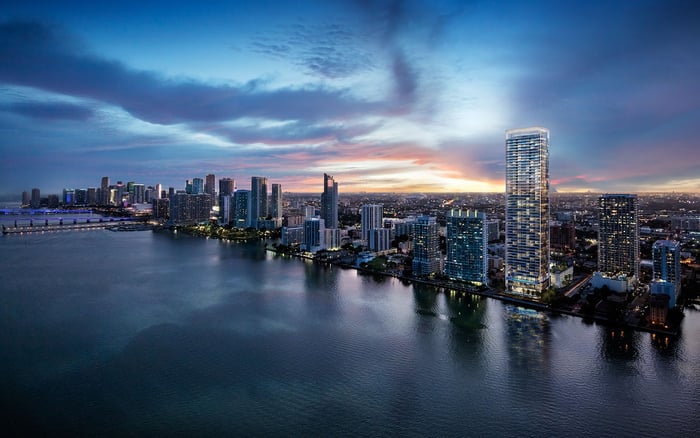
Dedicated cold storage has become a quietly essential amenity in South Florida luxury residential living, where heat, humidity, convenience expectations, and food-safety realities intersect. For Cove Miami, the value of refrigerated delivery holding is not simply about receiving groceries elegantly. It is about protecting perishables, supporting seamless resident service, reducing operational friction, and aligning a modern building with the standards affluent buyers increasingly expect.
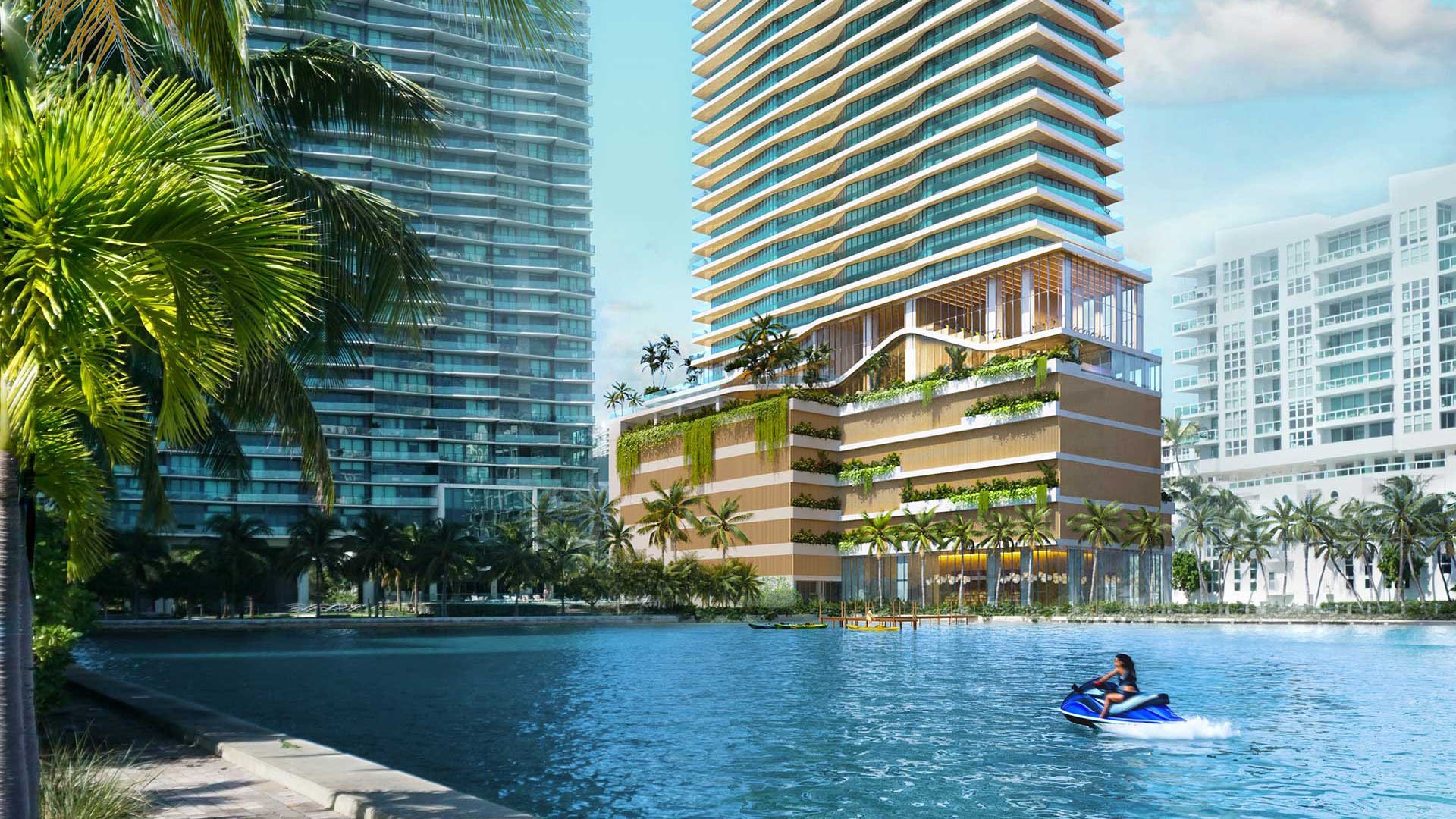
In a market where convenience is expected to feel effortless, the mechanics behind that ease matter more than ever. Grocery delivery has become part of daily life for affluent owners and renters alike, yet the final handoff between courier and resident remains one of the most vulnerable points in the experience. In Miami, that vulnerability is heightened by persistent heat, humidity, and the simple reality that residents are not always home when chilled orders arrive.
That is where dedicated cold storage becomes essential. For a project such as Cove Miami, the importance of refrigerated holding lies not in spectacle, but in precision. Perishable groceries are safest when held under refrigeration or frozen conditions. Even a brief period in a warm lobby, package room, or loading area can compromise what was ordered for dinner that evening.
For luxury buyers in Cove Miami, this is more than a back-of-house operational detail. It is part of the building’s lived standard. The same audience that values privacy, polished service, and thoughtful amenity planning increasingly expects delivery systems to be as refined as the residences themselves.
Residential delivery infrastructure is often framed around security and convenience, but grocery receiving introduces a more exacting requirement: temperature control. Dedicated cold storage helps bridge the last mile between drop-off and pickup, giving staff or couriers a compliant place to hold chilled orders until residents are ready to receive them.
Without that safeguard, even a beautifully designed property can generate avoidable friction. A resident returns home to wilted produce, softened dairy, or a prepared meal that no longer feels safe to consume. The issue is not merely annoyance. It reflects directly on service quality, building management, and the confidence residents place in the property’s operations.
This is especially relevant in neighborhoods such as Edgewater and Downtown, where vertical living, active schedules, and high delivery volume intersect. In nearby projects such as Aria Reserve Miami and Villa Miami, the broader conversation around luxury amenity planning has already moved well beyond simple package rooms. The next standard is infrastructure that anticipates real household patterns, including fresh food arriving throughout the day.
A refrigerated receiving area may feel optional in a temperate city. In Miami, it feels increasingly practical. Warm conditions persist through much of the year, and summer intensifies the challenge. Humidity compounds the issue, affecting packaging, condensation, and overall product integrity when groceries are left in common areas.
For Cove Miami, climate is not an abstract backdrop. It is an operating condition. A building can maintain an exquisite lobby, attentive staff, and high-touch resident services, yet still fall short if perishables are left exposed to a coastal environment fundamentally hostile to food preservation.
That is one reason temperature-controlled delivery holding resonates as a premium amenity rather than a niche utility. It serves the realities of Miami living. It also reflects the discretion luxury owners prefer: groceries are handled properly, stored out of sight, and ready when needed.
Along the urban waterfront, this level of operational sophistication increasingly complements the design language seen in projects such as EDITION Edgewater and Aston Martin Residences Downtown Miami, where lifestyle expectations extend well beyond finishes and views.
The most successful luxury buildings treat cold storage as part of hospitality. That means the system is not simply a cooler installed in a service corridor. It is a coordinated operating protocol that includes receiving procedures, temperature monitoring, staff training, and clear chain-of-custody practices.
Modern systems can incorporate sensors and remote alerts so staff can respond quickly to equipment issues or temperature excursions. Recordkeeping also matters. If a building accepts perishables on behalf of residents, documentation helps confirm that products were held within safe temperature ranges. From an operational standpoint, that can reduce disputes, strengthen risk management, and create a more polished resident experience.
For purchasers evaluating new-construction or pre-construction opportunities in Brickell or Coconut Grove, these details increasingly shape perceived quality. A residence may offer a magnificent pool deck, wellness programming, and private dining spaces, but a building that manages daily essentials elegantly often feels more complete. That is part of why projects such as 2200 Brickell and Park Grove Coconut Grove speak to a broader luxury mindset: one in which the best amenities are the ones residents quietly rely on every week.
At Cove Miami, dedicated cold storage matters because it supports three priorities at once: resident satisfaction, operational efficiency, and brand-level positioning.
First, it protects the resident experience. Grocery delivery is no longer an occasional convenience. It is part of the rhythm of modern urban living, especially for owners balancing travel, work, wellness routines, and family schedules. A chilled holding area allows same-day and next-day grocery programs to function smoothly rather than depend on perfect timing.
Second, it improves operations. Staff have a proper place to stage temperature-sensitive deliveries instead of improvising around package room constraints. That reduces clutter in common areas, limits handling errors, and creates a clearer system for intake and release. Food handler training also becomes more straightforward when procedures are formalized around a dedicated space.
Third, it elevates market perception. Premium amenities can influence leasing, resale positioning, and overall buyer confidence. In that sense, cold storage is similar to a well-run valet system or a discreet house car program. It may not be the first item in a glossy brochure, but it can have an outsized impact on how sophisticated a building feels in daily use.
There is, of course, a real implementation cost. There are also maintenance, monitoring, energy, and staffing considerations.
Yet in the context of luxury residential development, that expense can be justified when measured against service expectations, liability reduction, and competitive differentiation. Better handling controls and documentation may reduce exposure to spoiled-food disputes and related claims. Centralized systems can also be planned in ways that support broader efficiency goals rather than relying on ad hoc solutions across common areas.
For a market defined by demanding consumers and increasingly service-driven competition, the better question is not whether cold storage is extravagant. It is whether a premium building can afford to ignore a practical amenity that residents may soon regard as basic.
When evaluating Cove Miami or comparable projects, buyers should look beyond the phrase package handling and ask more specific questions. Is there dedicated refrigerated receiving space? Are cold items monitored and logged? Who accepts deliveries, and what happens if a resident is away for several hours? Are prepared meals handled differently from groceries? Is there a response protocol if refrigeration equipment fails?
These are quietly important questions because they reveal how deeply a property has thought through service. In luxury real estate, true quality often appears in systems rather than slogans.
Why is dedicated cold storage important at Cove Miami? It helps keep perishable grocery deliveries safely chilled until residents can receive them, which is especially important in Miami’s warm and humid conditions.
Does refrigerated holding matter even for short delivery delays? Yes. Even short interruptions in refrigeration can affect food quality and create avoidable issues for temperature-sensitive items.
Is cold storage mainly about convenience or safety? It is both. The amenity improves convenience while also supporting better handling of perishable deliveries.
Why does Miami make this feature more valuable? Heat and humidity can accelerate spoilage and weaken packaging, making unattended deliveries more vulnerable than in cooler climates.
Can this improve the resident experience? Yes. Smoother delivery handling and fewer spoiled orders can make daily living feel more seamless.
Does dedicated cold storage help building staff too? Absolutely. It gives staff a defined place to receive and stage chilled deliveries instead of improvising in shared areas.
Is this only useful for groceries? No. It can also support prepared meals and other temperature-sensitive deliveries common in high-rise living.
What operational features make a cold storage system stronger? Temperature monitoring, recordkeeping, and clear staff procedures can make the system more reliable and easier to manage.
What should buyers ask when touring Cove Miami? Ask whether there is dedicated refrigerated delivery storage, how items are received, and what protocols apply if a resident is away.
How does this fit into luxury amenity planning? It reflects a broader shift toward amenities that improve everyday living, not just visual appeal, by solving practical household needs.
For a tailored shortlist and next-step guidance, connect with MILLION Luxury.
If branded residences are on your mind — as a home or as an allocation — we would be glad to share what we are seeing, privately.
Begin a quiet conversation