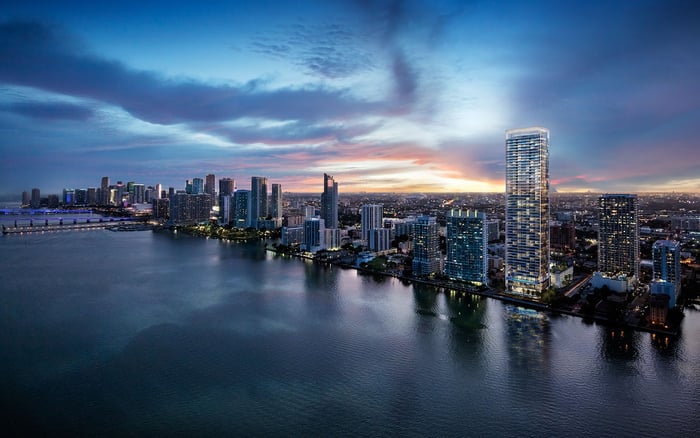
A buyer-focused editorial guide to Miami Design Residences Midtown Miami for those seeking proximity to Design District energy while preserving pricing discipline and broader resale optionality.
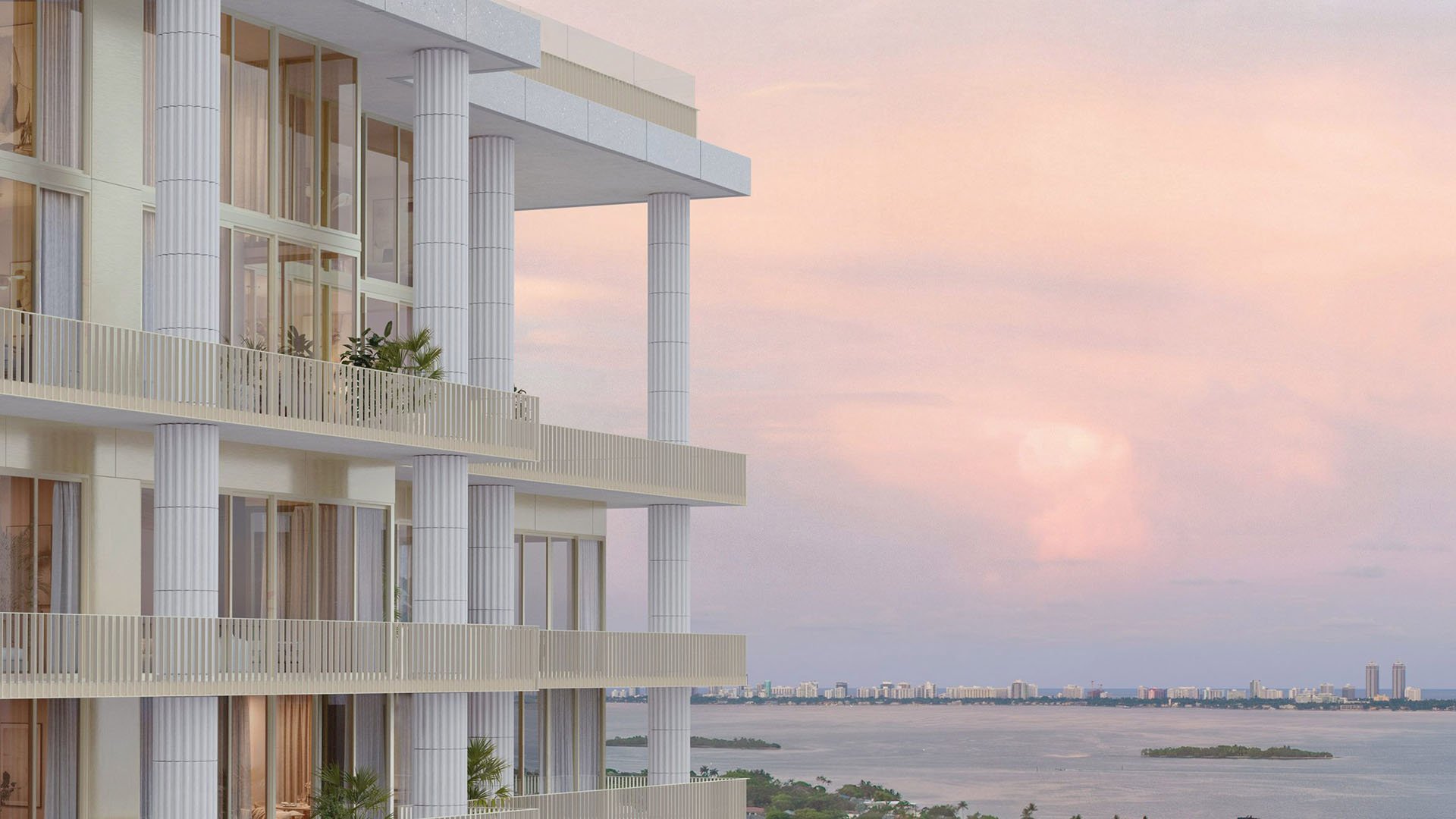
For a certain Miami buyer, the ideal address is not necessarily the most obvious one. It is the address that places daily life close to the restaurants, galleries, retail, showrooms and creative energy associated with the Design District, while preserving a disciplined approach to acquisition cost and long-term ownership. That is the central appeal of Miami Design Residences Midtown Miami: it speaks to buyers who want proximity, tone and convenience, but do not require the symbolic premium of being inside the district itself.
This is a subtle distinction, and an important one. Luxury buyers in Miami are increasingly fluent in micro-location. They understand that the lifestyle radius can matter as much as the mailing address. A residence can feel aligned with a neighborhood’s cultural gravity without occupying the most expensive point on that neighborhood’s map. For buyers who care about architecture, interiors, food, fashion and art, Midtown can function as a practical base for the Design District orbit rather than a compromise.
The word “orbit” is doing real work here. It suggests access without overexposure, adjacency without the same price psychology, and a lifestyle that can flex between daytime convenience and evening discretion. For a primary resident, that may mean a more balanced daily routine. For a second-home buyer, it may mean a residence that feels connected to Miami’s design conversation without demanding the most rarefied district positioning.
The buyer considering Miami Design Residences Midtown Miami is usually not chasing the cheapest possible option. This is still a luxury decision, and the evaluation should be rigorous. The sharper question is whether the premium for an exact district address is necessary for the way the home will actually be used.
If the buyer’s life is centered on access, not signaling, Midtown becomes compelling. The value proposition is less about discount language and more about allocation. A buyer may prefer to direct capital toward a better floor plan, stronger outdoor space, a more comfortable ownership structure, or simply a lower basis than a comparable address in the most closely watched luxury pockets. In that sense, the residence becomes a more measured expression of taste.
This also helps explain why the new-project conversation in this part of Miami feels different from the traditional oceanfront or Brickell tower comparison. It is not only about views, height, branding or a trophy lobby. It is about lifestyle utility. Buyers are asking how often they will use the surrounding district, how they move through the city, and whether the building supports the quiet routines of high-end living.
The new-construction lens matters as well. Buyers should evaluate not only finishes and amenity language, but also the way the building is likely to age in relation to its neighborhood. A well-selected residence in a design-adjacent setting can offer the feeling of being early to a lifestyle pattern without relying on speculative optimism.
A thoughtful buyer should not view Miami Design Residences Midtown Miami in isolation. The more revealing exercise is to compare it against nearby lifestyle categories. If the priority is being directly within the design narrative, Kempinski Residences Miami Design District represents a more explicit district-positioned reference point. The contrast is useful: one option emphasizes the heart of the district’s identity, while the other may appeal to buyers who want the gravitational pull without the same address premium.
If the buyer’s taste leans more creative, hospitality-driven or culturally kinetic, Wynwood enters the conversation. A project such as Frida Kahlo Wynwood Residences can serve as a useful counterpoint for buyers weighing artistic energy against residential composure. Wynwood may feel more expressive, while Midtown may feel more centered for those who want access to multiple urban moods rather than a single neighborhood identity.
Edgewater is another natural comparison, especially for buyers who want a more residential vertical environment near Miami’s urban core. The Cove Residences Edgewater gives buyers a different lens, one that may appeal to those prioritizing water-oriented positioning and a softer daily rhythm. The question is whether the buyer wants the feel of an urban design-district radius or the sensibility of a bay-adjacent residential corridor.
For a more city-center comparison, Downtown can also be relevant. A buyer considering Casa Bella by B&B Italia Downtown Miami is likely weighing cultural access, skyline energy and branded design language through a different urban lens. Downtown may suit those who want a stronger metropolitan pulse, while Midtown may feel more immediate to the Design District routine.
Brickell belongs in the conversation only when the buyer’s lifestyle points toward finance, dining density and a more traditional vertical-luxury rhythm. It is a powerful market, but not always the right answer for a design-first buyer. The comparison is useful because it clarifies intent: is the purchase about Miami business infrastructure, or about creative adjacency and everyday ease?
Because the public conversation around any residence can be more polished than practical, buyers should slow down and inspect the fundamentals. Floor plan efficiency is one of the first tests. A luxury residence should not merely photograph well. It should live well, with intuitive circulation, usable storage, proportional bedrooms, privacy between social and sleeping areas, and outdoor space that supports real use rather than decorative appeal.
Light and exposure matter, but they should be assessed with restraint. A buyer should consider how the home feels at different times of day, how neighboring structures affect privacy, and whether the main living areas deliver the atmosphere expected at the price point. In Miami, the best residence is often the one that balances drama with livability.
Ownership costs deserve the same attention as purchase price. Monthly expenses, insurance context, reserve posture, parking, rental rules, pet policies and building operations can all affect the long-term experience. A buyer attracted to the Design District orbit should make sure the building’s rules support the intended use, especially if the home will function as a seasonal residence or pied-à-terre.
The final test is resale logic. A residence near a desirable lifestyle district should have a clear future buyer profile. The best-positioned homes are legible: they make sense to the next design-conscious buyer, the next relocating executive, the next second-home owner who wants Miami access without beach or Brickell defaults. If the value story is easy to understand, the exit story is usually stronger.
Miami Design Residences Midtown Miami is best suited to buyers who want to be near the Design District’s creative current, but who prefer to make a composed financial decision. It is for the buyer who spends money carefully, not timidly. That distinction is central to luxury real estate in South Florida today.
It may appeal to design-literate professionals, second-home buyers who prefer an urban base, and investors who think in terms of durable lifestyle demand rather than short-term noise. It can also suit buyers who find Miami Beach too seasonal, Brickell too corporate, and Downtown too intense, yet still want a residence connected to the city’s cultural center of gravity.
It is less ideal for buyers who require the prestige of a specific district label above all else, or for those who want a traditional waterfront or resort-style identity. In those cases, the emotional logic of the purchase may point elsewhere. But for buyers who understand the difference between proximity and premium, Midtown deserves a serious look.
Who is the best buyer for Miami Design Residences Midtown Miami? The best buyer wants proximity to the Design District lifestyle without necessarily paying for the most direct district positioning.
Is this mainly a primary residence or second-home decision? It can suit either, depending on how the buyer values urban convenience, building rules and long-term ownership costs.
Why consider Midtown instead of the Design District itself? Midtown may offer a more measured value proposition for buyers who care about access more than address prestige.
How should buyers compare it with Wynwood? Wynwood may feel more expressive and art-driven, while Midtown can feel more balanced for a broader daily routine.
How should buyers compare it with Edgewater? Edgewater may appeal to buyers seeking a more residential, water-oriented mood, while Midtown leans into design-adjacent urban access.
Should Brickell buyers consider this address? Yes, if their lifestyle priorities are shifting from corporate density toward creative adjacency and a more design-led routine.
What due diligence matters most? Focus on floor plan quality, ownership costs, building rules, parking, privacy, exposure and the likely future buyer profile.
Is a lower price structure the same as a bargain? No. The point is disciplined value, not bargain hunting, especially in a luxury market where quality still matters.
What makes the Design District orbit attractive? It can provide access to a sophisticated lifestyle radius while allowing buyers to choose a more flexible residential base.
What is the best way to shortlist comparable options for touring? Start with location fit, delivery status, and daily lifestyle priorities, then compare stacks and elevations to validate views and privacy.
To compare the best-fit options with clarity, connect with MILLION.
If branded residences are on your mind — as a home or as an allocation — we would be glad to share what we are seeing, privately.
Begin a quiet conversation