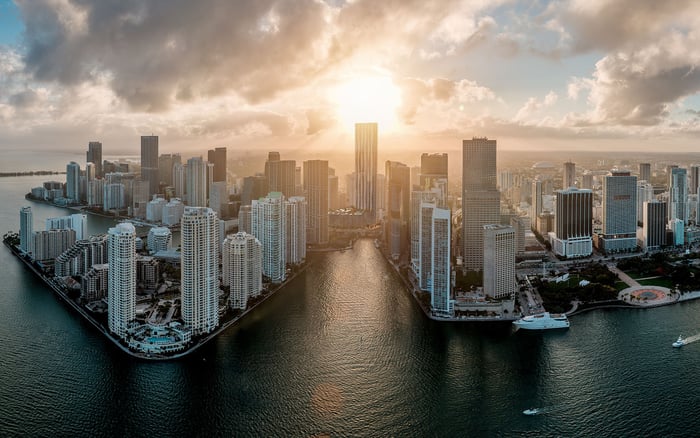
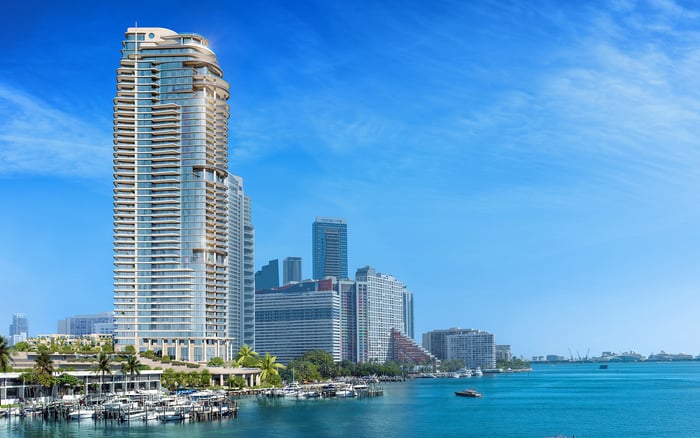
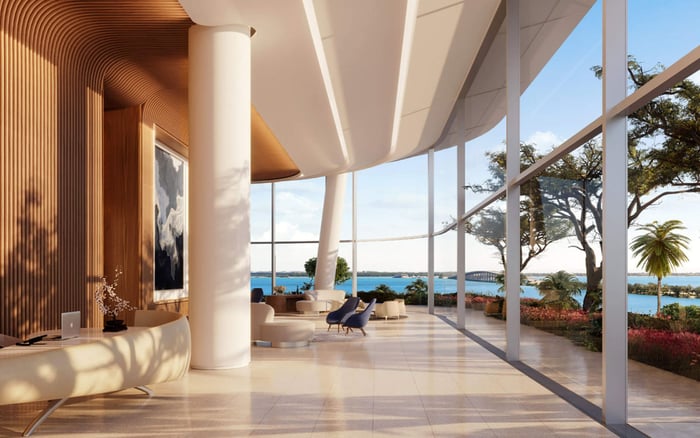
In ultra-luxury tower living, potable water resilience is no longer a hidden engineering footnote. At House of Wellness Brickell, the value of backup water systems lies in protecting habitability, wellness operations, pressure stability, and buyer confidence in one of South Florida’s most infrastructure-dependent neighborhoods.
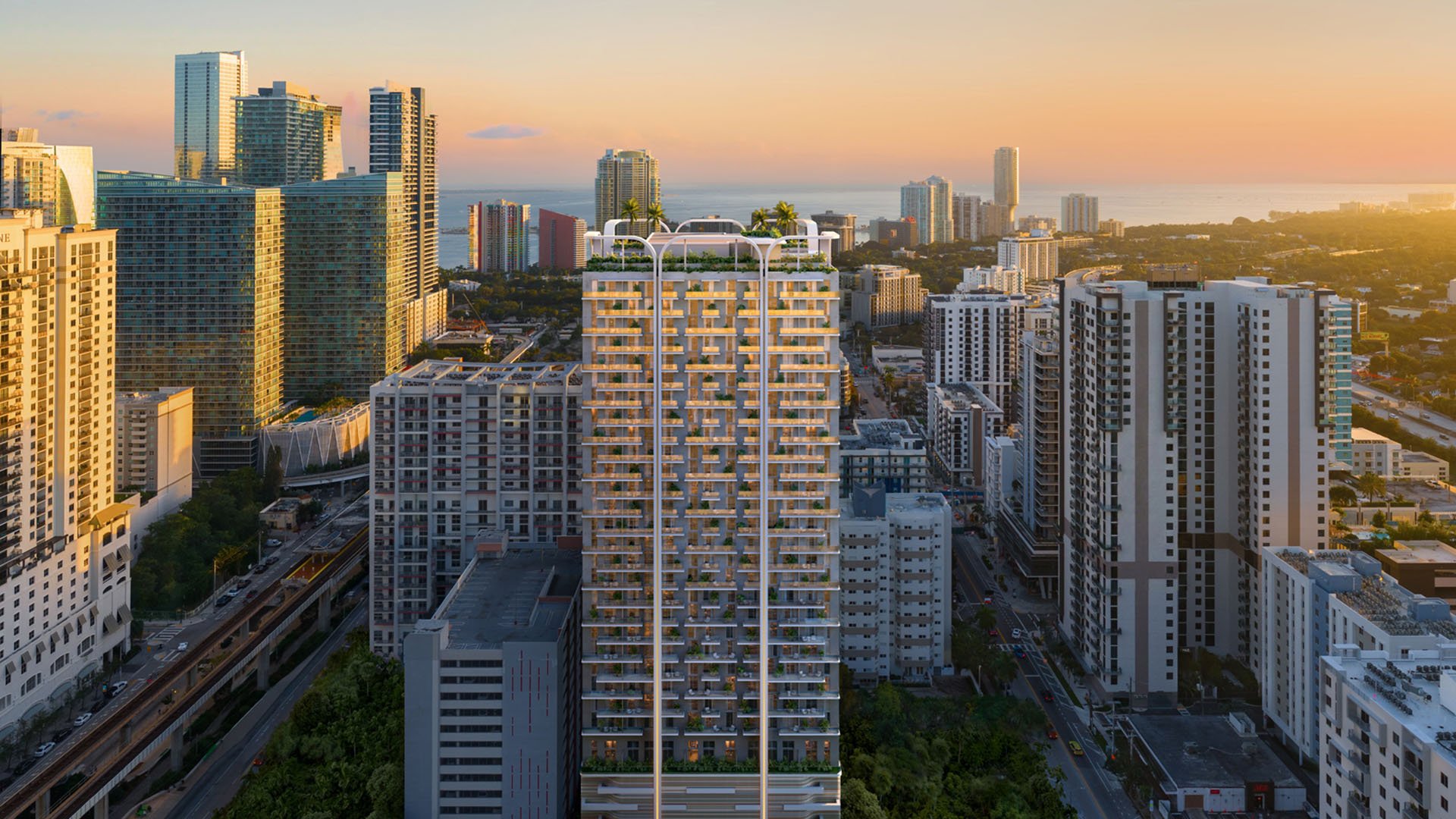
In South Florida’s highest tier of residential design, true luxury is measured not only by finish palettes, private amenities, or panoramic skyline views, but by the systems that keep daily life running without interruption. Potable water sits at the center of that promise. When municipal supply is disrupted or pressure drops, a tower’s backup potable water strategy can determine whether residences remain comfortably habitable, whether wellness spaces function as intended, and whether hospitality components uphold the standard discerning owners expect.
That is especially relevant in Brickell, where vertical density and infrastructure dependence heighten the impact of even brief service interruptions. In a mixed-use setting such as House of Wellness Brickell, the issue is not simply whether taps continue to run. It is about continuity across residences, wellness programming, dining operations, and guest-facing spaces that all depend on stable water availability and reliable pressure.
For buyers evaluating premium towers in Brickell, resilience is increasingly part of the luxury brief. The same mindset that prioritizes standby power, security, and overall building performance also elevates potable water redundancy. At the upper end of the market, inconvenience is not minor. It is a breakdown in the building experience.
In tall buildings, backup potable water systems are designed to maintain service when the primary municipal feed becomes unreliable. The core logic is straightforward: store usable water, move it efficiently through the tower, preserve adequate pressure on upper floors, and ensure the water remains suitable for drinking and daily use.
In practice, that usually means a redundant design built around stored water, booster pumps, and water-quality treatment components. Stored backup water can provide a short-term operational buffer during an outage. Booster pump redundancy helps reduce the risk that a single equipment failure leaves upper floors without acceptable pressure. Treatment measures such as filtration and disinfection may also be integrated so stored water remains appropriate for potable use when the backup system is activated.
This is why water resilience should never be confused with simple water storage. Quantity alone is not enough. In a luxury residential environment, the system must also protect pressure consistency, water quality, and operational control.
House of Wellness Brickell has been described in project context as an ultra-luxury mixed-use concept with residential, hospitality, spa and wellness, and dining elements. Publicly disclosed technical specifications have not been fully detailed, so it is more useful to discuss the building type than to speculate about exact capacities or equipment selections. In this type of tower, backup potable water becomes more important because demand is layered rather than singular.
A pure condominium may see predictable peaks in morning and evening residential use. A mixed-use wellness tower can experience overlapping demand from residences, food and beverage operations, hotel-style services, and high-water-use wellness environments at the same time. Hot water availability, treatment integrity, and pressure stability become essential to preserving the sense of ease luxury buyers assume will be constant.
That same expectation is visible across the broader premium market. In nearby developments such as Baccarat Residences Brickell, The Residences at 1428 Brickell, and St. Regis® Residences Brickell, buyers are not simply purchasing architecture and services. They are buying into an expectation of uninterrupted performance. Backup water infrastructure belongs in that same category, even when it remains largely invisible.
One of the least glamorous but most consequential aspects of tower engineering is pressure management. In Florida high-rises, water pressure performance is tied to habitability and safe building operation. That makes redundancy more than a convenience feature. It is part of the building’s ability to function properly under stress.
For owners on higher floors, this matters immediately. Showers, faucets, kitchen fixtures, and hot-water-dependent services all rely on adequate, stable pressure. In a luxury context, residents expect these experiences to feel effortless, whether they are on a lower level or in a premier upper-floor residence. Redundant booster pumping is critical because it helps maintain service if one component fails, reducing the risk of widespread interruption across the tower.
This is one reason technically sophisticated buyers now look beyond aesthetics. Hidden systems increasingly shape long-term satisfaction as much as visible design language. South Florida’s most accomplished buildings are judged not only by arrival sequence and amenity decks, but by how quietly and reliably they perform every day.
In potable water planning, resilience must protect quality as carefully as quantity. Backup lines, storage components, and treatment equipment should be suitable for drinking-water applications, and materials used in those systems are expected to meet recognized health-effect standards for potable water contact.
For a wellness-oriented tower, that standard is especially relevant. The premise of wellness living loses credibility if continuity planning does not also protect water integrity. Filtration, disinfection, and compliant materials all support the same objective: the backup system should not merely provide water, but water that remains appropriate for normal residential use.
This point carries particular weight in South Florida, where water planning is shaped by aquifer protection and saltwater intrusion concerns. In Brickell and the broader Miami-Dade luxury market, robust potable water management reflects a broader reality: luxury towers are deeply connected to regional water stewardship, even if residents experience that relationship only indirectly.
Resilient infrastructure has become part of market positioning in the premium segment. Buyers increasingly understand that a residence in new construction is defined not only by design authorship or amenity count, but by continuity under adverse conditions. Backup power, controlled access, environmental systems, and potable water redundancy all contribute to that perception.
In practical terms, a backup potable water system helps preserve daily routines during a municipal disruption. In brand terms, it signals seriousness. It tells purchasers that the tower is designed not only for first impressions, but for sustained performance over time.
Within Brickell and other leading South Florida submarkets, sophisticated buyers increasingly associate resilient systems with stronger building governance and more thoughtful planning. The same logic that supports interest in advanced envelopes, efficient operations, and wellness-forward amenities also supports interest in the unseen infrastructure behind them.
In a project like House of Wellness Brickell, the smartest questions are not about brand names or oversized claims. They are about system philosophy and operational readiness. Buyers should ask whether potable water backup has been considered as a short-term continuity measure, whether pressure maintenance has redundant support, and whether water-quality protections are integrated into the design strategy.
They should also consider how the tower’s mix of uses affects demand. A building with residences alone has one profile. A tower with hospitality, dining, and wellness components may require a more robust approach because more parts of the property can be drawing water at once.
Finally, purchasers should remember that elite real estate is increasingly judged by what does not go wrong. The calm, uninterrupted experience that defines top-tier ownership is rarely accidental. It is engineered, funded, maintained, and tested behind the walls.
Why is backup potable water important in an ultra-luxury tower? It helps preserve habitability, pressure, and daily comfort when municipal supply is interrupted or weakened.
Does backup water mean the building has unlimited water during an outage? No. Backup systems typically provide a short-term buffer designed to sustain core operations until normal service returns.
Why is this especially relevant in Brickell? Brickell’s dense vertical environment makes uninterrupted utility performance especially important for residents and operators.
Are mixed-use towers more dependent on backup water than standard condos? Yes. Residences, hospitality uses, dining, and wellness amenities can create simultaneous demand across the property.
What role do booster pumps play in a high-rise water system? They help maintain usable water pressure throughout the tower, especially on upper floors where gravity alone is insufficient.
Why does water quality matter in a backup system? A potable backup system must protect drinking-water suitability, not simply move stored water through the building.
Can wellness amenities be affected quickly by a water disruption? Yes. Spa, hospitality, and hot-water-dependent services can lose functionality quickly without continuous potable supply.
Are publicly verified technical specs available for House of Wellness Brickell? Not in the material reviewed here, so specific tank sizes, pump capacities, and vendors should not be treated as confirmed.
Is backup potable water now part of luxury market expectations? Increasingly, yes. Buyers at the top end value resilient infrastructure as part of overall building performance.
What should a buyer ask the sales team or developer? Ask about redundancy, pressure maintenance, water-quality safeguards, and how the building plans for short-term service interruptions.
For a tailored shortlist and next-step guidance, connect with MILLION Luxury.
If branded residences are on your mind — as a home or as an allocation — we would be glad to share what we are seeing, privately.
Begin a quiet conversation