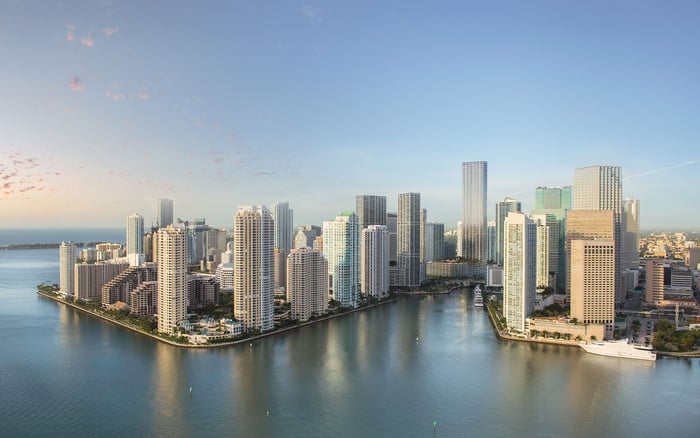
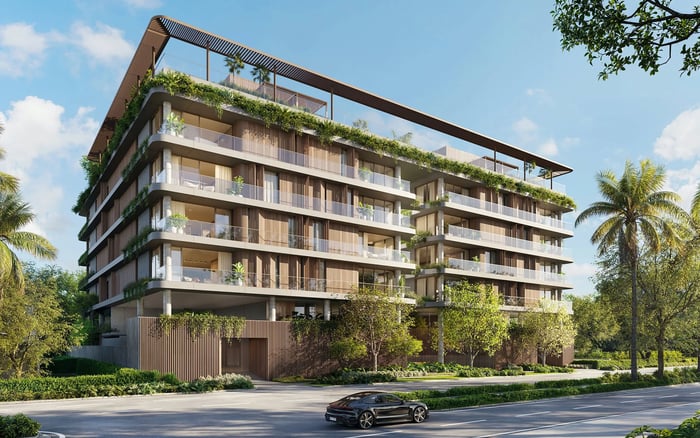
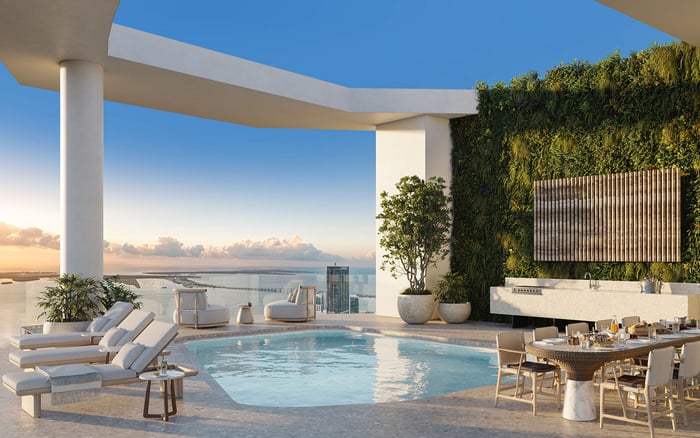
At House of Wellness Brickell, the conversation around luxury increasingly centers on what residents breathe and how interior light supports daily rhythm. In Miami’s humid, high-density urban core, circadian lighting and HEPA filtration represent a refined indoor environmental standard: cleaner air, more considered illumination, and a home that feels calibrated to well-being as much as aesthetics. While detailed project-specific technical specifications have not been publicly disclosed, the broader design logic is clear. High-performance filtration, moisture-aware indoor air strategies, and tunable lighting are becoming defining markers of premium residential design in Brickell and across South Florida.
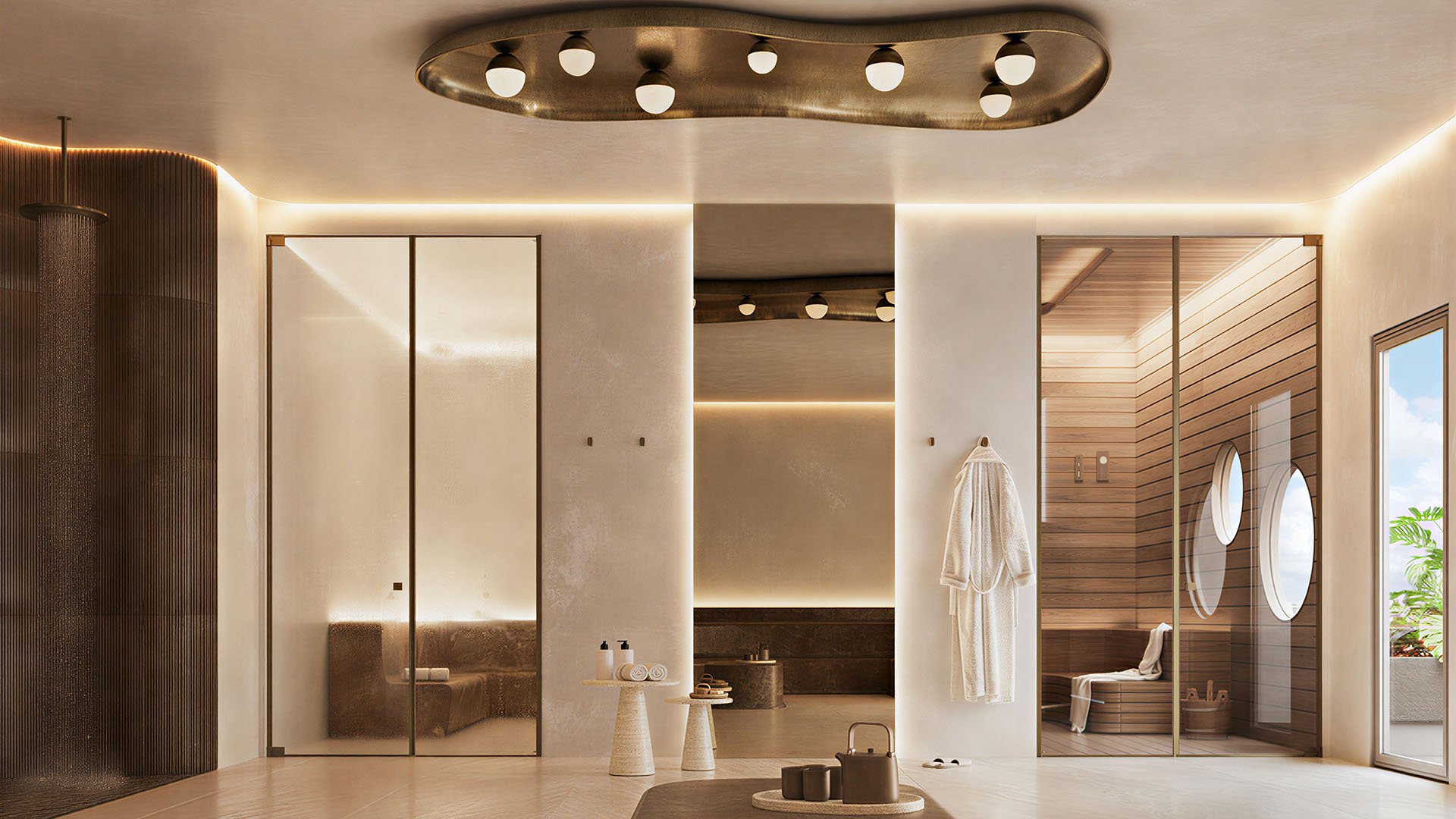
In South Florida’s upper-tier residential market, wellness is no longer a boutique amenity. It is now part of the core expectation for how a residence should perform. That shift is especially visible in Brickell, where glass towers, constant traffic, and tightly controlled indoor environments make the quality of air and light feel far more consequential than any simple finish upgrade.
At House of Wellness Brickell, circadian lighting and HEPA filtration align with that broader evolution. Publicly disclosed technical specifications for the project’s exact systems remain limited, so the more useful lens is the standard these features represent. In a market increasingly shaped by health-conscious design, they signal a residence conceived around daily comfort, atmospheric clarity, and a more deliberate relationship between architecture and the body.
For discerning buyers, that matters because indoor environmental quality is experienced constantly. It appears in the freshness of a room after a humid afternoon, in the softness of evening light before sleep, and in the sense that a home is actively supporting restoration rather than merely providing shelter.
HEPA filtration has become one of the clearest signals that a building is operating above baseline air treatment. By definition, HEPA filters are designed to capture at least 99.97 percent of airborne particles measuring 0.3 microns, including dust, pollen, mold, bacteria, and similar particulates. In practical residential terms, that places HEPA in a different category than standard code-minimum filtration.
For a Miami condominium, the appeal is easy to understand. Residents spend substantial time in sealed, climate-controlled interiors. In that context, particulate control becomes inseparable from perceived comfort. Cleaner air can influence how a space smells, how fresh it feels over the course of the day, and how confidently an owner experiences the home as a retreat from the street.
In humid climates, however, filtration alone is not the full story. Strong indoor air-quality design also depends on moisture control. The most sophisticated residences are therefore understood not simply as filtered spaces, but as environments where ventilation, dehumidification, and particulate capture work together to reduce mold risk and preserve comfort. That integrated mindset is increasingly relevant in Brickell, and it helps explain why wellness-positioned projects continue to attract sustained attention.
A similar sensibility appears across the broader market, where projects such as 2200 Brickell and The Residences at 1428 Brickell appeal to buyers who want more from a home than visual drama alone. The new luxury brief is as much about performance as presentation.
If air quality shapes how a residence feels, lighting shapes how it is lived in. Circadian lighting refers to strategies that align interior illumination more closely with human biological rhythms. In many wellness-oriented environments, this is achieved through tunable systems that adjust intensity and color temperature throughout the day.
The logic is elegant. Morning and daytime conditions often favor brighter, cooler light that supports alertness and daytime entrainment. As evening approaches, warmer, lower-color-temperature lighting is generally preferred because it is associated with less circadian disruption than blue-enriched light at night. The result is not simply visual ambiance. It is a more calibrated atmosphere that can support focus, ease transitions through the day, and create a gentler landing into the evening.
For luxury buyers, the appeal lies in subtlety. Well-executed circadian lighting should not feel clinical or overly programmed. It should feel intuitive, almost invisible, with rooms that seem naturally suited to coffee at sunrise, work calls at midday, and quiet decompression after dinner. That is where wellness design becomes most persuasive: not as spectacle, but as a nearly seamless enhancement of daily life.
This design language is increasingly resonant across South Florida. In wellness-centered communities such as **The Well Bay Harbor Islands The Well Coconut Grove, the market has already shown that buyers respond to homes framed around air, light, comfort, and recovery.
Much of today’s premium indoor air-quality conversation rests on a set of widely recognized frameworks that evaluate healthier interiors. Across the industry, air, light, thermal comfort, and occupant well-being are now common design categories rather than fringe concerns. That does not mean every project carries the same certification, nor should buyers assume a specific credential without direct confirmation. What it does mean is that the language of wellness has matured.
In practical terms, this creates a more sophisticated buyer. Purchasers in Brickell now routinely understand that a beautiful tower is only one part of the proposition. They also want to know how the residence breathes, how it manages humidity, how lighting performs after sunset, and whether the indoor environment has been designed with long-term comfort in mind.
That rising literacy is one reason clean-air and wellness features have become so marketable in dense urban neighborhoods. In Brickell, where external conditions can include traffic, noise, and the intensity of a vertical city, a residence that offers atmospheric calm carries real distinction. It is less about novelty and more about insulation from urban friction.
House of Wellness Brickell arrives at a moment when luxury design is being judged less by visible excess and more by invisible performance. Buyers still value proportion, views, materials, and service. Yet the conversation has widened to include what can be sensed rather than merely seen: purified air, gentler nighttime lighting, and interiors that support restoration.
That framing also places the project within a meaningful local context. Brickell has become a showcase for residences that combine hospitality-inflected design with a stronger wellness narrative, from Baccarat Residences Brickell to St. Regis® Residences Brickell. What distinguishes wellness-led positioning is not simply prestige. It is the promise that the home itself participates in the resident’s quality of life.
For House of Wellness Brickell, circadian lighting and HEPA filtration therefore read as more than technical talking points. They suggest a living environment shaped around recovery, mental clarity, and consistent comfort in a city where indoor conditions matter immensely. Even without a fully public technical schedule, the underlying proposition is clear: this is a residence conceived for people who regard health-supportive design as essential, not optional.
Wellness language has become more common, so precision matters. Sophisticated buyers should look beyond broad promises and ask practical questions. How is the air-cleaning strategy integrated into the building system? How does the project address humidity alongside filtration? Are lighting scenes tunable by time of day, or simply dimmable? Which features are standard within residences, and which belong to common areas or optional upgrades?
Those questions do not diminish the appeal of a wellness-focused project. On the contrary, they sharpen it. The finest residential experiences are usually the ones where performance has been thoughtfully resolved at the systems level, allowing the resident to enjoy the benefits without needing to think constantly about the mechanics behind them.
In the current South Florida market, that may be the clearest marker of next-generation luxury: homes that look serene, feel restorative, and quietly perform at a higher level every day.
What is HEPA filtration in a luxury residence? It refers to high-efficiency particulate air filtration designed to capture extremely small airborne particles, helping create a cleaner indoor environment than baseline filtration.
Why does HEPA matter in Miami? In a humid, sealed, air-conditioned environment, strong filtration works best alongside moisture control to support comfort and reduce indoor air-quality concerns.
What is circadian lighting? It is a lighting approach that adjusts brightness and color temperature throughout the day to better align interior light with human biological rhythms.
Does circadian lighting help with sleep? Light timing, intensity, and spectrum can influence alertness and sleep timing, which is why warmer evening light is generally preferred over cooler nighttime light.
Is House of Wellness Brickell certified under a wellness standard? No specific project certification should be assumed unless directly confirmed in official project materials.
Are the exact filtration and lighting specifications publicly available? Detailed technical specifications have not been broadly disclosed in public materials, so buyers should request the most current system information directly.
Why are these features especially relevant in Brickell? Dense urban living heightens interest in interior calm, cleaner air, and more controlled lighting conditions within the home.
Is HEPA filtration the same as standard HVAC filtration? No. HEPA is generally regarded as a higher-performance air-cleaning measure than baseline code-minimum filtration.
Are wellness features now expected in luxury projects? Increasingly, yes. Buyers at the top of the market are placing greater value on air quality, water quality, fitness, and restorative design.
What should buyers compare when evaluating wellness residences? Focus on filtration, humidity control, ventilation strategy, lighting quality, and how seamlessly those systems are integrated into everyday living.
For a confidential assessment and a building-by-building shortlist, connect with MILLION Luxury.
If branded residences are on your mind — as a home or as an allocation — we would be glad to share what we are seeing, privately.
Begin a quiet conversation