A buyer-focused guide to why hurricane-rated openings should be reviewed before closing on South Florida luxury property, from insurance and financing friction to negotiation leverage and long-term ownership costs.

In South Florida luxury real estate, buyers often focus on the visible language of a residence: the water view, the ceiling height, the arrival sequence, the terrace depth, the kitchen millwork, the quality of light. Yet one of the most consequential due diligence items is often treated as a technical afterthought: the windows, exterior doors and sliding glass systems that form the home’s hurricane-rated openings.
These elements sit at the intersection of architecture, safety, insurability, financing and future resale. They are not merely glass. They are part of the building envelope, and in coastal markets they can influence how confidently a buyer moves from contract to closing. Ignoring them until the final walkthrough can turn a glamorous acquisition into a pressured negotiation.
For the ultra-premium buyer, the question is not simply whether a residence looks finished. It is whether the openings are properly documented, acceptable to insurers, aligned with lender expectations and compatible with the buyer’s renovation ambitions. The hidden cost is rarely a single invoice. More often, it is the accumulation of delay, uncertainty, reduced leverage and future capital planning.
Hurricane-rated openings can include fixed windows, operable windows, exterior doors, sliders, terrace access systems and certain glass assemblies. In a high-rise residence, the issue may involve association rules and building-wide standards. In a waterfront single-family home, it may involve prior renovations, permits, product documentation and the condition of the installation.
A beautiful room can still raise questions if its openings are undocumented, mismatched, aging or altered. A seller may present the home as renovated, while a buyer later discovers that the opening systems do not align neatly with the paperwork needed for underwriting or future improvements. The result can be friction at exactly the wrong moment, when deposits are at risk and closing dates are approaching.
This is especially important in markets where transparency and timing carry financial weight. In Brickell, buyers may be comparing new towers with older condominium inventory. In Aventura, a residence with strong interior finishes may still call for a closer look at sliders, balcony access and association approval history. In Surfside, the value of quiet confidence can be as important as the view itself.
The cost of ignoring hurricane-rated openings is not always a straightforward replacement expense. Sometimes it appears as a higher insurance hurdle. Sometimes it appears as a lender question that slows the file. Sometimes it becomes an association approval issue after closing, when the buyer wants to modernize glass lines or convert a dated opening into a more seamless indoor-outdoor experience.
There is also the cost of diminished negotiating power. Before closing, uncertainty can be priced, credited or assigned. After closing, the buyer owns the problem, the timeline and the contractor coordination. In a luxury transaction, that shift matters. The difference between a well-managed pre-closing review and a post-closing surprise can be measured in time, inconvenience and avoidable exposure.
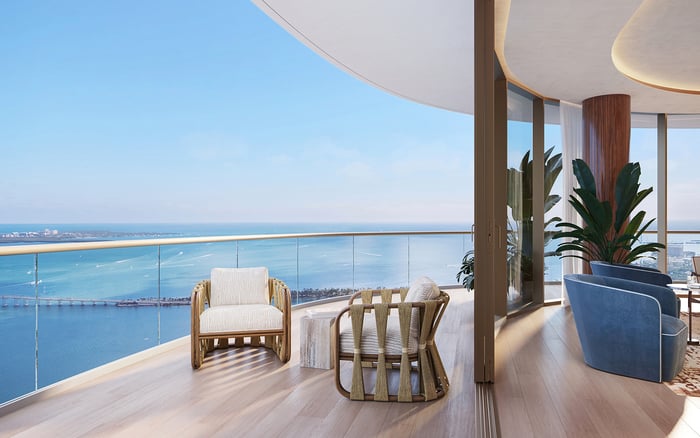
Balcony access deserves particular attention. Sliding doors and terrace systems are used daily, yet they can be among the most overlooked components during a showing. A buyer may notice the sunset and breeze but miss stiffness, imperfect seals, inconsistent hardware or unclear documentation. Those details can become meaningful once the residence is insured, occupied or renovated.
A disciplined buyer should request documentation related to exterior openings early, especially if the property has been renovated or marketed as updated. The review should be coordinated with the inspection period and, where appropriate, with insurance and lending discussions. The goal is not to create drama. It is to determine whether the home’s envelope supports the transaction narrative.
The most practical questions are straightforward. Are the windows and doors represented as hurricane-rated? Is there documentation to support that representation? Were replacements or modifications properly approved where approval was required? Do the openings appear consistent across the residence, or are older elements mixed with newer ones? Are there known service issues, leaks, corrosion, fogging, seal failures or operational concerns?
For condominium buyers, the association context is critical. Exterior openings may be treated differently from interior finishes because they affect the building exterior and shared structural or aesthetic standards. A buyer considering future upgrades should understand whether individual replacement is permitted, whether building-wide specifications apply and whether prior changes were approved.
For single-family buyers, the review can be broader. Waterfront exposure, prior additions, custom doors, cabana baths, garage openings and large-format sliders may all deserve attention. Oceanfront homes can be architecturally compelling, but the more ambitious the glass, the more carefully a buyer should evaluate documentation and condition.
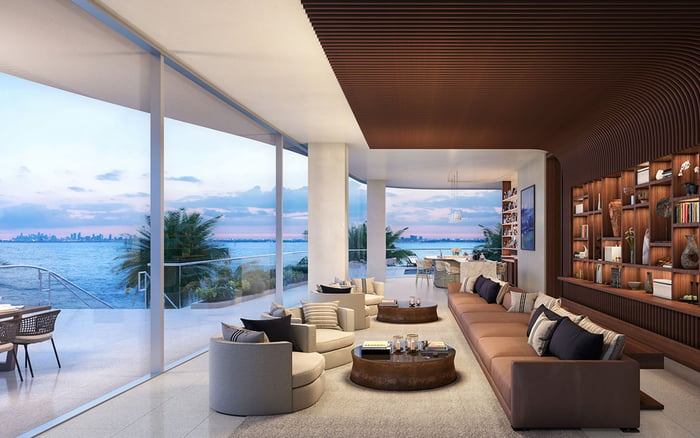
Luxury buyers are often drawn to openness: wide glass spans, minimal frames, corner views and seamless terrace transitions. The design premium is real. So is the due diligence premium. The more a residence depends on glass for its drama, the more important it becomes to understand the systems behind that drama.
A penthouse with cinematic views may command attention because of its exposure and privacy. Yet its elevated position can also make the quality and documentation of openings more relevant to buyer confidence. The same is true for waterfront estates, boutique condominiums and renovated residences that use glass as a central architectural gesture.
This does not mean buyers should avoid older homes or resale properties. Resale can offer location, scale, established associations and irreplaceable sightlines. It means the envelope should be evaluated with the same seriousness as the kitchen, roof, mechanical systems and title matters. A refined buyer does not confuse beauty with completeness.
The best time to address opening-related uncertainty is before contingency periods expire. If documentation is incomplete, the buyer may request additional records, specialist review, a seller credit, a repair agreement or a price adjustment. If a future replacement is likely, the buyer can decide whether the residence still fits the intended ownership budget.
Timing is the quiet advantage. Once a buyer closes, even a manageable issue becomes the buyer’s project. That may be acceptable, especially for a purchaser planning a full renovation. But it should be an informed decision, not an accidental inheritance. In the luxury segment, where many buyers have multiple options, clarity has value.
The most elegant transactions are not necessarily the ones without issues. They are the ones in which issues are surfaced early, priced intelligently and resolved without theatrical pressure. Hurricane-rated openings belong in that conversation.
A sophisticated buyer should treat hurricane-rated openings as part of a broader ownership thesis. If the property is a seasonal residence, operational reliability and low-maintenance confidence may matter most. If it is a long-term family home, future replacement planning may be part of the capital strategy. If it is an investment-oriented acquisition, insurance and resale perception may carry additional weight.
Area also shapes the conversation. Brickell buyers may prioritize lender coordination and association clarity. Aventura buyers may compare older waterfront inventory against newer construction expectations. Surfside buyers may place special emphasis on discretion, durability and architectural consistency. In each case, the principle is the same: exterior openings should be reviewed before the buyer’s leverage narrows.
The hidden cost of ignoring them is not fear. It is avoidable uncertainty. In South Florida, confidence is a luxury feature, and the homes that inspire the most confidence are the ones whose beauty is supported by disciplined documentation.
What are hurricane-rated openings? They generally refer to windows, doors, sliders and related exterior systems designed for storm-related performance.
Why should buyers review them before closing? Pre-closing review preserves leverage and helps identify insurance, financing or renovation concerns early.
Is visual inspection enough? No. A beautiful installation can still require documentation, approval history and condition review.
Do condominium buyers face different concerns? Yes. Associations may control exterior appearance, approved systems and replacement procedures.
Can opening issues affect insurance discussions? They can become part of the broader underwriting conversation, especially when documentation is unclear.
Should a buyer ask for permits or product information? When available, those records can help clarify what was installed and whether work was properly approved.
Are older luxury residences automatically problematic? No. Older homes can be exceptional, but their envelope should be reviewed with particular care.
What if the seller cannot provide complete records? The buyer can seek further review, negotiate terms or decide whether the uncertainty fits the purchase strategy.
Do sliders and terrace doors matter as much as windows? Yes. Terrace access systems are part of the exterior envelope and can affect daily use and future planning.
When should this diligence begin? It should begin early in the contract period, before deadlines reduce the buyer’s negotiating flexibility.
If you'd like a private walkthrough and a curated shortlist, connect with MILLION.
If branded residences are on your mind — as a home or as an allocation — we would be glad to share what we are seeing, privately.
Begin a quiet conversation